Hypothyroidism Diet: Foods to Eat and Avoid
Discover the best foods to eat and avoid for hypothyroidism management, plus meal ideas and expert tips for better thyroid health.
Hypothyroidism, an underactive thyroid condition affecting millions, slows metabolism and causes fatigue, weight gain, and more. While medication is primary, diet plays a supportive role by providing key nutrients like iodine, selenium, and zinc while minimizing interference with thyroid function. This guide outlines foods to prioritize and limit, drawing from expert recommendations for balanced nutrition.
What Is Hypothyroidism?
Hypothyroidism occurs when the thyroid gland fails to produce enough hormones (T3 and T4), often due to Hashimoto’s thyroiditis, an autoimmune disorder. Symptoms include fatigue, cold intolerance, dry skin, hair loss, constipation, and unexplained weight gain. Women are disproportionately affected, especially post-40 or during pregnancy. Diagnosis involves blood tests for TSH, T3, T4 levels. Treatment typically includes levothyroxine, but lifestyle factors like diet influence hormone absorption and autoimmune inflammation.
A nutrient-focused diet reduces inflammation, supports hormone production, and aids weight management. Focus on whole foods low in processed sugars and ultra-processed items, which exacerbate oxidative stress in Hashimoto’s.
Best Diet for Hypothyroidism
No single “hypothyroidism diet” cures the condition, per Mayo Clinic experts, but a balanced approach emphasizing anti-inflammatory foods helps manage symptoms. Prioritize selenium-rich foods (e.g., Brazil nuts) for T4-to-T3 conversion, iodine sources (in moderation), and fiber for digestion without excess. Avoid extremes; consult a doctor or dietitian for personalization, especially if on medication.
Foods to Eat with Hypothyroidism
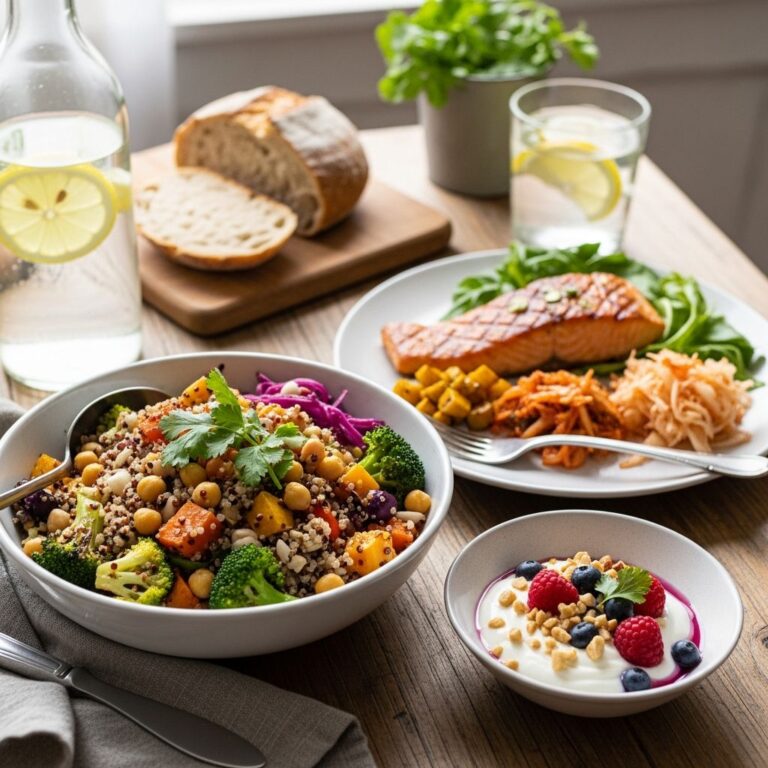
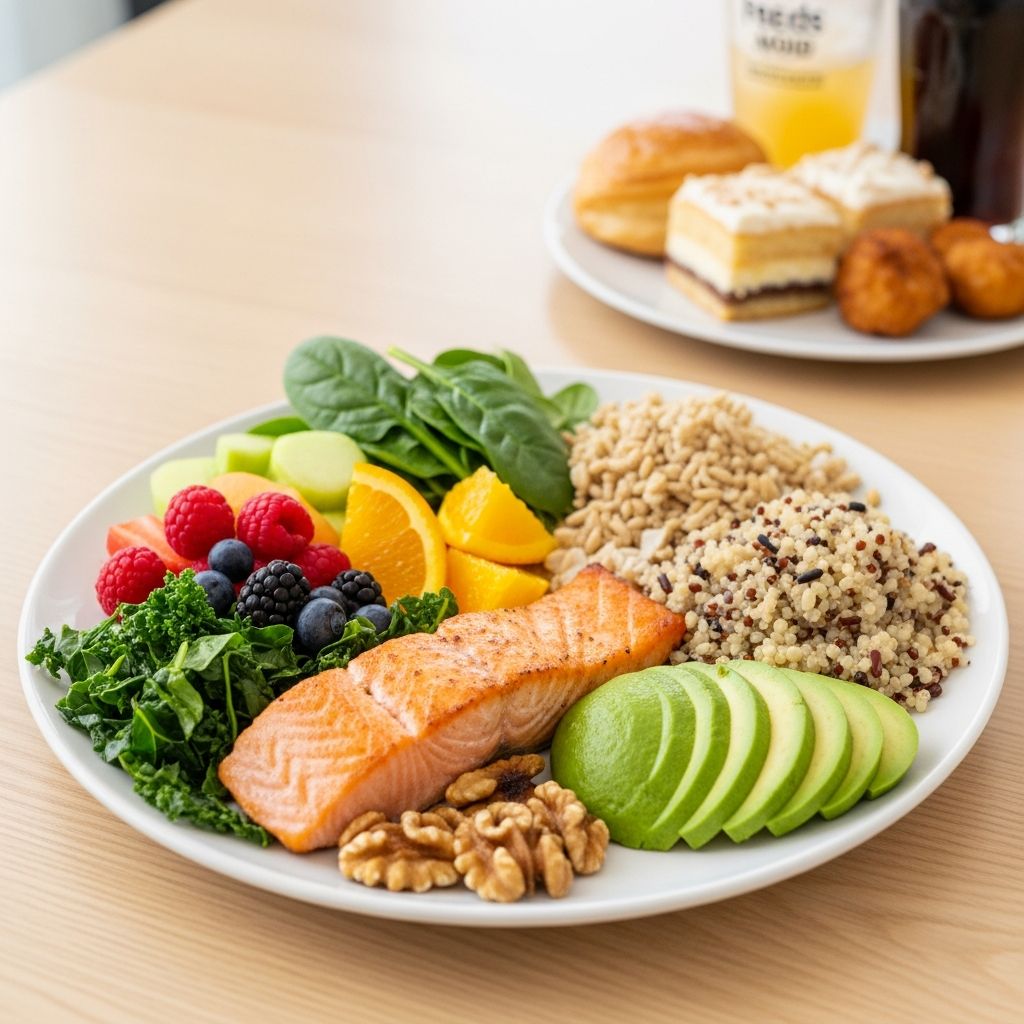
Emphasize nutrient-dense foods that support thyroid health. Include lean proteins, healthy fats, and gluten-free grains to stabilize blood sugar and reduce inflammation.
- Lean proteins: Eggs, turkey, chicken, salmon, cod, shrimp. These provide selenium and protein for hormone synthesis.
- Gluten-free grains: Brown rice, quinoa, rolled oats, brown rice pasta. Opt for these to avoid gluten sensitivity common in Hashimoto’s.
- Seeds, nuts, nut butters: Pumpkin seeds, sunflower seeds, almonds, cashews, macadamia nuts, natural peanut/almond butter (in moderation; limit peanuts if sensitive). Brazil nuts are selenium powerhouses—one or two daily suffice.
- Beans and lentils: Chickpeas, black beans, lentils for fiber and plant protein, but cook thoroughly to reduce lectins.
- Dairy and non-dairy: Full-fat unsweetened yogurt, goat cheese, coconut/almond milk (fortified), coconut yogurt. Choose low-iodine if autoimmune.
- Healthy fats: Olive oil, avocados, coconut oil for anti-inflammatory benefits.
- Fruits and vegetables: Berries, apples, citrus (low-glycemic); non-cruciferous veggies like carrots, sweet potatoes.
- Spices and herbs: Turmeric, ginger, basil, rosemary for antioxidant support.
- Beverages: Water, herbal teas, sparkling water. Aim for 8+ glasses daily.
Foods to Avoid with Hypothyroidism
Certain foods interfere with medication absorption, worsen inflammation, or contain goitrogens that inhibit iodine uptake. Limit, don’t eliminate entirely unless advised.
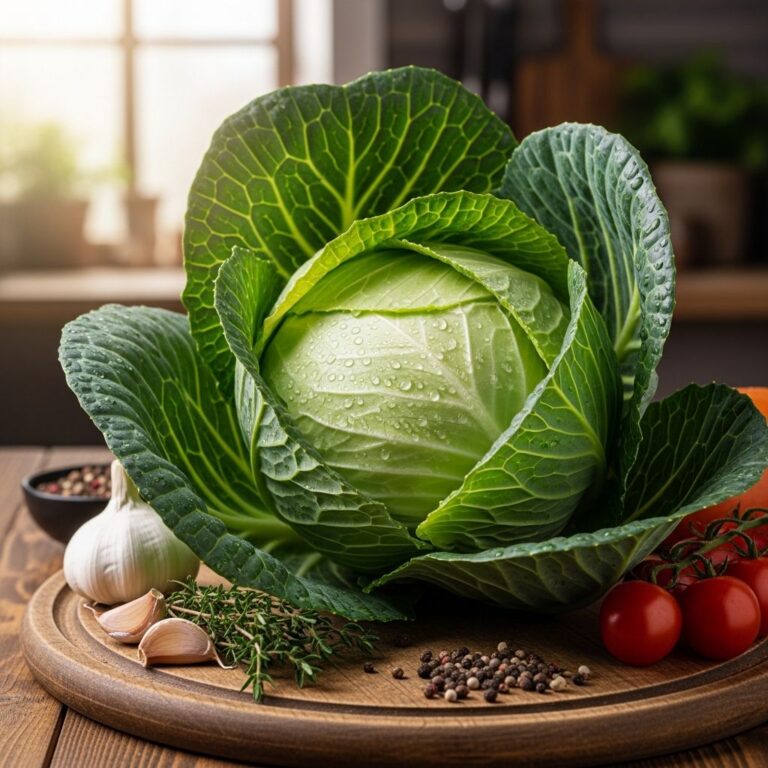
- Goitrogenic cruciferous vegetables (raw): Broccoli, cabbage, cauliflower, kale, Brussels sprouts. Cooking reduces goitrogens by up to 90%; limit raw juices.
- Soy products: Tofu, soy milk, edamame, soy sauce. Isoflavones may block thyroid hormone absorption; space 4 hours from meds.
- Gluten-containing foods: Wheat bread, pasta, barley if sensitive (common in Hashimoto’s).
- Processed and ultra-processed foods: Soda, chips, frozen dinners, sugary cereals. Promote inflammation and weight gain.
- Fried and high-fat foods: French fries, margarine, fast food. Impair hormone production and digestion.
- High-glycemic fruits: Watermelon, mangoes, grapes in excess.
- Nightshades (if sensitive): Tomatoes, potatoes, peppers, eggplant.
- Excess iodine foods (for autoimmune cases): Seaweed, kelp, iodized salt. Test levels first.
- Caffeine and alcohol: Coffee, energy drinks; moderate to avoid med interference.
Related Stories



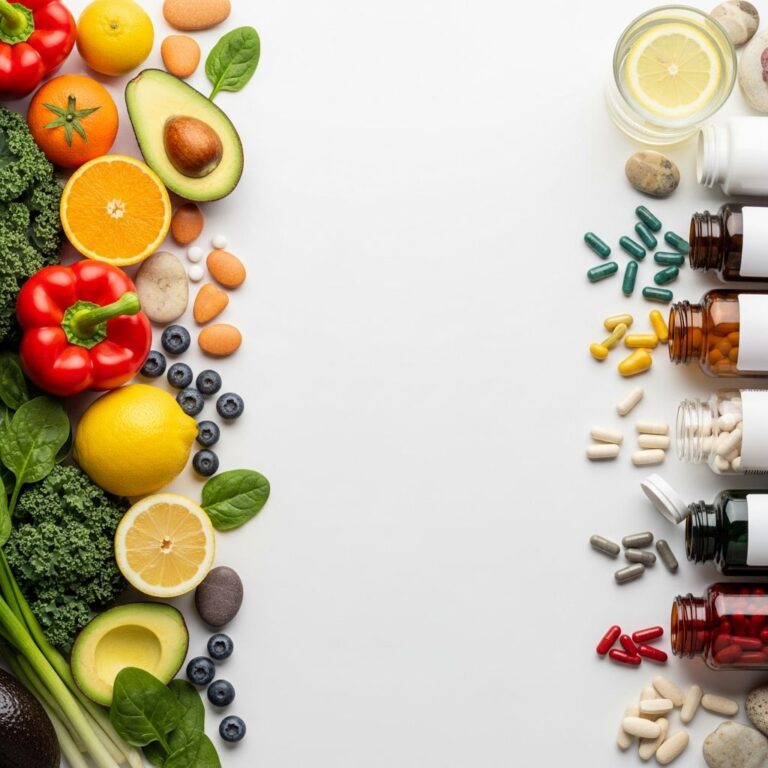
Hypothyroidism Diet Food List
| Category | Foods to Eat | Foods to Limit/Avoid |
|---|---|---|
| Proteins | Salmon, eggs, turkey, shrimp, chicken | Soy (tofu, tempeh), processed meats (bacon) |
| Grains | Quinoa, oats, brown rice | Wheat bread, white pasta, gluten items |
| Nuts/Seeds | Almonds, pumpkin seeds, Brazil nuts | Peanuts, pine nuts (excess) |
| Veggies | Cooked carrots, zucchini, sweet potatoes | Raw broccoli, cabbage, kale |
| Dairy/Alt | Coconut yogurt, almond milk | Excess dairy if iodine-sensitive |
| Sweets | Berries, small fruit portions | Candy, soda, cakes |
This table summarizes daily choices for easy reference.
7-Day Meal Plan for Hypothyroidism
A sample week emphasizes variety, portion control (1,800-2,200 calories), and timing meds 30-60 minutes before breakfast on empty stomach. Hydrate well; include selenium/iodine sources.
- Monday: Breakfast: Oatmeal with berries, almonds. Lunch: Grilled chicken salad. Dinner: Baked salmon, quinoa, steamed zucchini. Snack: Yogurt.
- Tuesday: Breakfast: Smoothie (almond milk, banana, spinach—cooked). Lunch: Turkey wrap (gluten-free). Dinner: Lentil soup, brown rice. Snack: Apple with nut butter.
- Wednesday: Breakfast: Eggs with avocado. Lunch: Chickpea salad. Dinner: Cod, sweet potato. Snack: Pumpkin seeds.
- Thursday: Breakfast: Quinoa porridge. Lunch: Shrimp stir-fry (no soy). Dinner: Turkey stir-fry veggies. Snack: Berries.
- Friday: Breakfast: Yogurt parfait. Lunch: Bean salad. Dinner: Grilled chicken, rice. Snack: Brazil nut.
- Saturday: Breakfast: Omelet veggies. Lunch: Salmon salad. Dinner: Veggie lentil curry. Snack: Carrot sticks.
- Sunday: Breakfast: Smoothie bowl. Lunch: Quinoa bowl. Dinner: Baked fish, potatoes. Snack: Herbal tea, nuts.
Adjust for preferences; track energy levels.
What Else Should You Know About the Best Diet for Hypothyroidism?
Nutrient focus: Selenium (55 mcg/day), zinc (8-11 mg), iron from heme sources. Vitamin D if deficient. Timing: Take meds away from calcium/iron-rich foods, fiber, soy. Weight management: Slow metabolism benefits from low-glycemic, high-protein meals. Supplements: Only if tested deficient; excess iodine risky. Lifestyle: Exercise, sleep, stress reduction amplify diet benefits. Monitor with regular TSH tests.
Frequently Asked Questions (FAQs)
Can certain foods increase thyroid function?
No strong evidence supports specific foods curing hypothyroidism, but nutrient-rich diets aid management.
Is coffee bad for hypothyroidism?
Caffeine may interfere with med absorption; wait 1 hour post-dose.
Should I avoid cruciferous veggies?
Cook them to minimize goitrogens; moderate intake is fine.
Is gluten-free necessary?
Helpful if celiac or sensitive, common in Hashimoto’s.
Can I eat soy?
Limit; space 4+ hours from meds.
What about iodine?
Moderate intake; avoid excess in autoimmune cases.
(Word count: 1,728)
References
- Hypothyroidism Diet: Foods to Eat, Avoid, and Meal Plan Ideas — Healthline. 2024. https://www.healthline.com/nutrition/hypothyroidism-diet
- Foods to Avoid if Diagnosed with Hypothyroidism — Redcliffe Labs. 2024-11-20. https://redcliffelabs.com/myhealth/food-and-nutrition/foods-to-avoid-if-diagnosed-with-hypothyroidism/
- Low Iodine Diet — American Thyroid Association. 2024. https://www.thyroid.org/low-iodine-diet/
- Hypothyroidism diet: Can certain foods increase thyroid function? — Mayo Clinic. 2024. https://www.mayoclinic.org/diseases-conditions/hypothyroidism/expert-answers/hypothyroidism-diet/faq-20058554
- Hashimoto’s Thyroiditis Diet: Best & Worst Food List — Baptist Health. 2024. https://www.baptisthealth.com/blog/family-health/hashimoto-s-thyroiditis-diet-best-worst-food-list
Similar Articles








Read full bio of Sneha Tete