Hypothyroidism: Symptoms, Causes & Treatment
Complete guide to hypothyroidism: understanding symptoms, diagnosis, and effective hormone replacement therapy.
Understanding Hypothyroidism: What You Need to Know
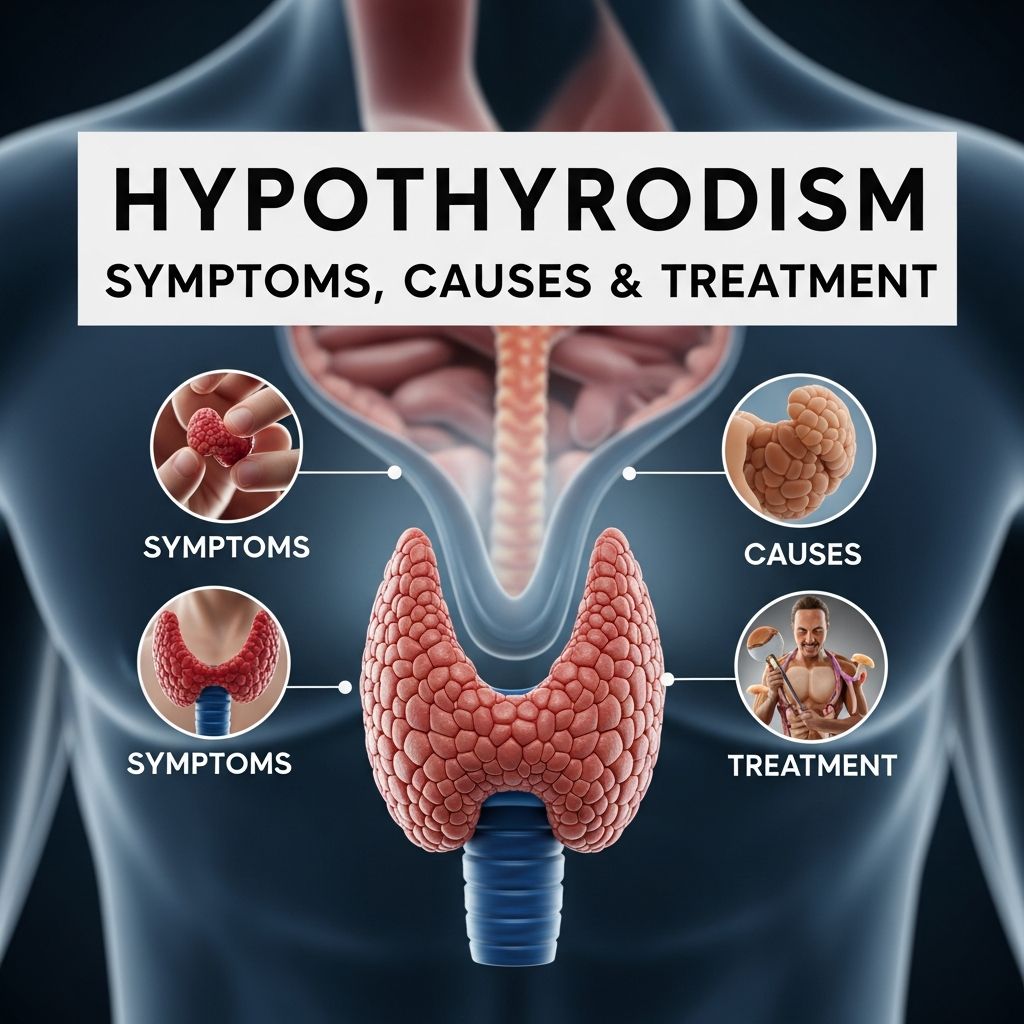
Hypothyroidism is a medical condition in which your thyroid gland fails to produce and release a sufficient amount of thyroid hormone into your bloodstream. This hormonal deficiency causes your metabolism to slow down significantly, leading to a cascade of symptoms that can affect your daily life. The condition can result in unexpected weight gain, persistent fatigue, and a general sense of sluggishness that makes even routine activities feel exhausting. Fortunately, hypothyroidism is highly treatable, and most individuals can manage the condition effectively with appropriate medication and regular medical supervision.
The thyroid is a small butterfly-shaped gland located at the base of your neck, and it plays a crucial role in regulating your body’s metabolic rate, energy production, and overall hormonal balance. When this gland underperforms, it creates a domino effect throughout your body’s systems. Hormone replacement therapy has emerged as the most common and effective treatment approach for managing hypothyroidism, allowing patients to regain their energy and maintain a healthy weight.
Who Is Most Affected by Hypothyroidism
While hypothyroidism can affect individuals of any age or gender, certain populations are at higher risk for developing this condition. The condition is most prevalent among females over the age of 60, particularly after menopause when hormonal fluctuations can impact thyroid function. Women are significantly more likely to develop hypothyroidism compared to men, though the exact reasons for this gender disparity are still being researched.
Beyond age and gender, several other factors increase your likelihood of developing hypothyroidism:
– A family history of thyroid disease or autoimmune disorders- Existing autoimmune conditions such as Type 1 diabetes or celiac disease- Previous thyroid surgery or radiation therapy- Certain medications that can interfere with thyroid function- Pregnancy and postpartum period- Iodine deficiency in your diet
Recognizing Hypothyroidism Symptoms
One of the most challenging aspects of hypothyroidism is that its symptoms develop gradually over time, sometimes taking years before they become noticeable enough to prompt medical attention. This slow progression means many people attribute their symptoms to aging, stress, or other conditions rather than recognizing them as signs of thyroid dysfunction.
Common symptoms of hypothyroidism include:
– Persistent fatigue and lack of energy- Unexplained weight gain despite normal eating habits- Slowed heart rate- Increased sensitivity to cold temperatures- Dry skin and brittle hair- Brain fog and difficulty concentrating- Depression or mood disturbances- Constipation and digestive issues- Muscle weakness and joint pain- Menstrual irregularities in women- Hoarseness in voice
It’s important to note that while weight gain and fatigue aren’t specific to hypothyroidism alone, they warrant professional evaluation, especially when accompanied by other symptoms on this list. If you experience any combination of these symptoms, scheduling an appointment with your healthcare provider is essential for proper evaluation.
Understanding the Causes of Hypothyroidism
Related Stories



Multiple factors can lead to the development of hypothyroidism. Understanding the underlying cause of your condition helps your healthcare provider develop a more targeted treatment approach.
Hashimoto’s Disease: This is the most common cause of hypothyroidism in iodine-sufficient regions. Hashimoto’s is an autoimmune disease where your immune system mistakenly attacks your thyroid gland, gradually destroying its ability to produce thyroid hormones.
Other significant causes of hypothyroidism include:
– Iodine deficiency in your diet- Thyroid surgery or partial thyroid removal- Radiation therapy to the head, neck, or chest area- Certain medications including lithium and some cardiac drugs- Pituitary gland disorders that affect thyroid stimulation- Pregnancy-related thyroid dysfunction- Congenital hypothyroidism (present at birth)- Inflammation of the thyroid gland
Diagnosis: How Your Healthcare Provider Identifies Hypothyroidism
Accurate diagnosis of hypothyroidism requires a comprehensive approach combining physical examination and laboratory testing. During your initial visit, your healthcare provider will perform a gentle physical examination, pressing around your thyroid area to assess whether the gland feels enlarged or abnormal. They will also conduct a thorough review of your medical history and ask detailed questions about your symptoms and when they began.
Thyroid Blood Tests: The most definitive diagnostic tool is a simple blood test that measures thyroid function. These tests evaluate your thyroid-stimulating hormone (TSH) levels as well as the levels of thyroid hormones T3 and T4. TSH is produced by your pituitary gland and signals your thyroid to produce hormones, so elevated TSH levels typically indicate hypothyroidism.
Imaging Tests: Your healthcare provider may order additional imaging studies of your thyroid, which could include:
– Ultrasound imaging to visualize the thyroid gland structure- Thyroid scan using radioactive iodine- Fine needle aspiration biopsy if nodules are detected
Four Main Types of Hypothyroidism
Hypothyroidism is classified into four distinct types based on the underlying cause and which part of the endocrine system is affected. Understanding your specific type helps guide treatment decisions.
| Type | Description | Cause |
|---|---|---|
| Primary Hypothyroidism | The thyroid gland itself fails to produce adequate hormones | Hashimoto’s disease, iodine deficiency, thyroid surgery |
| Central Hypothyroidism | The pituitary gland fails to produce sufficient TSH | Pituitary disease or dysfunction |
| Congenital Hypothyroidism | Present at birth, baby is born without sufficient thyroid function | Genetic factors, iodine deficiency in utero |
| Tertiary Hypothyroidism | The hypothalamus fails to produce sufficient TRH hormone | Hypothalamic dysfunction or disease |
Treatment Options for Hypothyroidism
The primary treatment for hypothyroidism is hormone replacement therapy, which restores the thyroid hormones your body cannot produce on its own. This approach effectively manages symptoms and prevents serious complications.
Levothyroxine (Synthroid®, Levo-T®): This is the most commonly prescribed medication for hypothyroidism. Levothyroxine is a synthetic version of the T4 hormone that your thyroid normally produces. It works by supplementing the hormones your thyroid cannot make naturally, restoring balance to your endocrine system.
Medication Administration: Most people take levothyroxine in the morning on an empty stomach to maximize absorption. Taking it consistently and at the same time each day helps maintain stable hormone levels throughout your day.
Finding Your Optimal Dosage: Determining the right dose of levothyroxine requires some trial and error. Your healthcare provider will start you on an initial dose and then monitor your progress through regular thyroid blood tests. As your TSH levels stabilize, your dosage may be adjusted to achieve optimal hormone balance. This process typically takes several weeks to a few months.
Timeline for Symptom Improvement: While levothyroxine begins working on your hormone levels immediately, you typically won’t notice improvement in your symptoms for a few weeks. Fatigue may persist initially, but as your hormone levels normalize over time, you should experience gradual resolution of your symptoms.
Long-Term Management and Lifestyle
Unlike some medical conditions that can be cured, hypothyroidism currently has no cure. However, with proper medication and regular monitoring, you can successfully manage the condition and live a completely normal, healthy life. The key to long-term success is understanding that you’ll need to take hypothyroidism medication for the rest of your life.
It’s critical to maintain consistency with your medication regimen. If you stop taking levothyroxine, your symptoms will likely return, and your thyroid dysfunction will worsen. Regular follow-up visits with your endocrinologist ensure that your dosage remains appropriate as your body changes over time.
Potential Complications of Untreated Hypothyroidism
When hypothyroidism is appropriately treated, serious complications are rare. However, leaving the condition untreated over extended periods can lead to significant health problems. Some complications of untreated hypothyroidism include:
– Heart disease and cardiac complications- High cholesterol levels- Myxedema coma (life-threatening condition)- Cognitive decline and memory problems- Severe depression and mental health issues- Infertility and reproductive issues- Increased risk of other autoimmune conditions
Special Considerations: Congenital Hypothyroidism
Some infants are born with an underactive thyroid or without a functioning thyroid gland, a condition called congenital hypothyroidism. Healthcare providers test all newborns for this condition because thyroid hormone is absolutely essential for an infant’s growth and proper brain development.
If your baby is diagnosed with congenital hypothyroidism, your healthcare provider will begin treatment within the first weeks of life. Early intervention is crucial to prevent intellectual disabilities and developmental delays. With prompt treatment, infants with congenital hypothyroidism develop normally and can lead healthy lives.
Frequently Asked Questions About Hypothyroidism
Q: Can hypothyroidism be prevented?
A: Unfortunately, you cannot prevent hypothyroidism. However, early diagnosis and prompt treatment are the best ways to reduce your risk of complications. If you develop symptoms like weight gain, dry skin, or fatigue, contact your healthcare provider right away for evaluation.
Q: How often will I need blood tests after starting treatment?
A: Initially, your provider will run thyroid blood tests frequently to determine your optimal dosage. Once your TSH levels stabilize, testing frequency decreases to routine follow-up appointments, typically annually or as recommended by your endocrinologist.
Q: Is hypothyroidism life-threatening?
A: With proper treatment, hypothyroidism is not life-threatening and most people manage it successfully. However, left untreated over long periods, it can become life-threatening. If you develop new symptoms, seek medical evaluation promptly.
Q: Can I stop taking levothyroxine once my symptoms improve?
A: No. You will need to take hypothyroidism medication for the rest of your life. Stopping the medication will cause your symptoms to return and your condition to worsen. It’s essential to maintain consistent, lifelong treatment.
Q: Does hypothyroidism affect pregnancy?
A: Yes, hypothyroidism can affect fertility and pregnancy outcomes. It’s important to maintain proper thyroid hormone levels before and during pregnancy. If you’re pregnant or planning to become pregnant, discuss your thyroid condition with your healthcare provider.
Q: Are there alternative treatments to levothyroxine?
A: Levothyroxine is the standard first-line treatment for hypothyroidism. While other thyroid hormone preparations exist, levothyroxine remains the most commonly prescribed and effective treatment option for most patients.
When to Contact Your Healthcare Provider
If you experience symptoms such as unexplained weight gain, persistent fatigue, dry skin, or brain fog, contact your healthcare provider for evaluation. These symptoms warrant professional assessment to rule out hypothyroidism or other conditions. Additionally, if you’re already being treated for hypothyroidism and notice new or worsening symptoms, reach out to your healthcare provider immediately.
Living Well With Hypothyroidism
While hypothyroidism may seem overwhelming when initially diagnosed, remember that it is highly treatable and manageable. With appropriate medication and regular monitoring, most people with hypothyroidism live completely normal, healthy lives. The key is working closely with your healthcare provider to find the right treatment plan for your individual needs and maintaining consistency with your medication regimen. Don’t hesitate to ask your healthcare team questions or report any concerns during your treatment journey.
References
- Hypothyroidism (Underactive Thyroid): Symptoms & Treatment — Cleveland Clinic. 2024-09-24. https://my.clevelandclinic.org/health/diseases/12120-hypothyroidism
- Thyroid: What It Is, Function & Problems — Cleveland Clinic. https://my.clevelandclinic.org/health/body/23188-thyroid
- Thyroid Disorders: A Cleveland Clinic Guide — Mario Skugor, Cleveland Clinic. https://my.clevelandclinic.org/departments/endocrinology-metabolism/depts/thyroid
Similar Articles








Read full bio of medha deb