Hypovolemia: Causes, Symptoms, and Treatment
Understanding hypovolemia: causes, warning signs, diagnosis, and emergency treatment options.
What Is Hypovolemia?
Hypovolemia is a medical condition characterized by an abnormally low volume of blood or fluid circulating in your body. This decrease in blood volume can prevent your organs from receiving the oxygen and nutrients they need to function properly. When hypovolemia becomes severe, it can develop into hypovolemic shock, a life-threatening emergency that requires immediate medical intervention.
Your blood serves as the transport system for oxygen, nutrients, and other essential substances throughout your body. When you lose a significant amount of blood or fluid—typically more than 15-20% of your total blood volume—your body cannot maintain adequate circulation to all organs. This condition can develop rapidly or gradually, depending on the cause and rate of fluid loss.
Causes of Hypovolemia
Hypovolemia can result from various causes, which can be categorized into bleeding and non-bleeding sources:
Bleeding-Related Causes
Blood loss is one of the primary causes of hypovolemia. This bleeding can occur internally or externally:
– Traumatic injuries with significant external bleeding- Internal bleeding from organ damage, ulcers, or ruptured blood vessels- Gastrointestinal bleeding- Heavy menstrual bleeding- Bleeding complications from surgical procedures or medical conditions
Non-Bleeding Fluid Loss
Hypovolemia can also develop from excessive loss of body fluids through non-hemorrhagic means:
– Severe diarrhea, which causes rapid fluid loss through the gastrointestinal tract- Persistent vomiting that depletes your body’s fluid reserves- Excessive sweating from fever, heat exposure, or intense physical activity- Burns that damage skin and cause fluid to leak from the body- Pancreatitis, which can cause significant fluid accumulation and loss- Diabetes insipidus or other conditions affecting fluid regulation- Reduced fluid intake from inability to drink or access to fluids- Diuretic medications that increase urinary fluid loss
Symptoms and Signs of Hypovolemia
The symptoms of hypovolemia vary depending on the severity and rate of fluid loss. Early recognition of these signs is crucial for prompt treatment:
Mild to Moderate Symptoms
– Increased thirst- Dry mouth and mucous membranes- Mild dizziness or lightheadedness- Fatigue and generalized weakness- Decreased urine output- Mild anxiety or restlessness
Severe Symptoms (Hypovolemic Shock)
As hypovolemia worsens and progresses to shock, symptoms become more pronounced and dangerous:
– Rapid heart rate (tachycardia)- Rapid or shallow breathing- Cool, clammy, or pale skin- Confusion or altered mental status- Severe anxiety or agitation- Weak or barely detectable pulse- Low blood pressure- Little or no urine output- Loss of consciousness- Weakness in extremities due to prioritization of blood flow to vital organs
Your body responds to hypovolemia by restricting blood flow to non-essential areas like the skin and limbs to preserve circulation to vital organs such as the heart and brain. This is why you may notice cold extremities even when your core temperature remains normal.
Related Stories



Diagnosis of Hypovolemia
Healthcare providers use multiple diagnostic tools and assessments to evaluate hypovolemia:
Physical Examination
Your healthcare provider will perform a thorough physical examination, looking for signs such as:
– Blood pressure readings in both arms- Heart rate and rhythm- Skin color, temperature, and moisture- Signs of visible bleeding or injury- Capillary refill time (how quickly color returns to the skin after pressing on it)
Laboratory Tests
Several blood tests help confirm hypovolemia and identify underlying causes:
– Complete Blood Count (CBC) to measure red blood cells and hemoglobin levels- Blood chemistry panel including electrolyte levels- Kidney function tests to assess for acute kidney injury- Tests for heart muscle damage (troponin levels)- Lactate levels to assess tissue perfusion- Coagulation studies if bleeding is suspected- Venous oxygen saturation measurements
Imaging and Additional Tests
– Electrocardiogram (ECG) to monitor heart function- Echocardiogram (ultrasound of the heart) to assess cardiac structure and function- Ultrasound, CT scan, or X-ray of suspected injury sites- Bedside echocardiography for hemodynamic assessment
Treatment of Hypovolemia
Emergency First Aid
If someone shows signs of severe hypovolemia or shock, immediate action is critical:
– Call 911 or your local emergency number immediately- Keep the person warm to prevent hypothermia- Position the person lying flat with feet elevated approximately 12 inches (30 centimeters) to improve circulation to vital organs, unless there is a head, neck, back, or leg injury- Do not move someone with potential spinal injuries- Apply pressure to any visible bleeding wounds with a clean cloth
Hospital Treatment
Once at the hospital, treatment focuses on rapidly restoring blood volume and improving tissue perfusion:
Fluid and Blood Replacement
The primary goal of treatment is to replace lost blood or fluids:
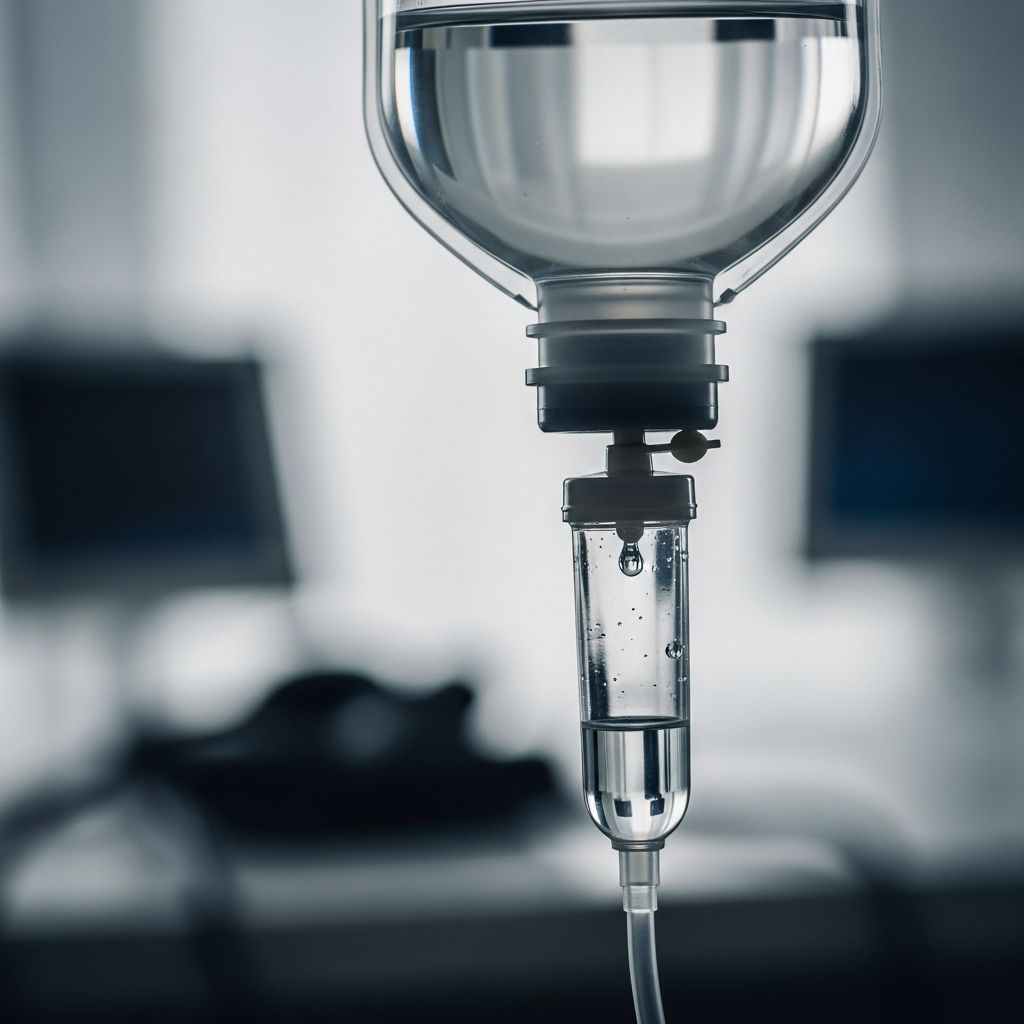
– Intravenous (IV) line placement to deliver fluids directly into the bloodstream- Administration of isotonic saline or other crystalloid fluids- Blood transfusions for significant blood loss- Blood products such as plasma or platelets if coagulopathy is present- Careful monitoring of fluid intake to prevent fluid overload in the lungs
Medications
Vasopressor medications may be necessary to support blood pressure and perfusion:
– Norepinephrine to increase blood pressure and cardiac output- Epinephrine in severe cases or when norepinephrine is ineffective- Dopamine for blood pressure support and improved kidney perfusion- Dobutamine to improve heart contractility
Treatment of Underlying Causes
Addressing the root cause of hypovolemia is essential for complete recovery:
– Surgery to stop bleeding or repair injuries- Medications to control diarrhea or vomiting- Treatment of underlying infections or pancreatitis- Management of burn wounds- Correction of electrolyte imbalances
Monitoring and Support
Patients with severe hypovolemia require intensive care unit (ICU) monitoring, including:
– Continuous heart rate and blood pressure monitoring- Regular assessment of urine output- Repeated laboratory tests to assess response to treatment- Oxygen therapy if needed to maintain adequate oxygenation- Assessment for signs of organ dysfunction or failure
Complications of Hypovolemia
Untreated or severe hypovolemia can lead to serious complications:
– Acute kidney injury from reduced blood flow to the kidneys- Myocardial infarction (heart attack) due to inadequate coronary blood flow- Organ failure involving the heart, lungs, liver, or brain- Disseminated intravascular coagulation (abnormal blood clotting)- Metabolic acidosis from tissue hypoxia- Death if not treated promptly
Recovery and Prognosis
The outcome for patients with hypovolemia depends on several factors:
Factors Affecting Recovery
– Amount of blood or fluid lost- Speed of fluid loss- Underlying health conditions (diabetes, heart disease, lung disease, kidney disease)- Age of the patient- Time elapsed before receiving treatment- Number of organs affected
Patients with mild hypovolemia who receive prompt treatment have good recovery prospects. However, severe hypovolemic shock carries significant mortality risk even with immediate medical intervention. Older adults generally have poorer outcomes than younger patients. If early treatment is initiated before organ damage occurs, the prognosis improves substantially. However, if multiple organs fail or if treatment is delayed, hypovolemia can be fatal.
Prevention of Hypovolemia
While some causes of hypovolemia cannot be prevented, you can take steps to reduce your risk:
– Stay hydrated by drinking adequate fluids daily- Replace fluids lost through sweating during exercise or in hot weather- Seek prompt medical treatment for diarrhea or vomiting- Avoid excessive alcohol consumption, which can contribute to dehydration- Use caution during activities that increase injury risk- Follow medical recommendations if you take diuretic medications- Monitor for signs of excessive fluid loss and report concerns to your healthcare provider
Frequently Asked Questions
Q: What is the difference between hypovolemia and dehydration?
A: While related, these terms are not identical. Dehydration specifically refers to insufficient water in your body, while hypovolemia refers to low blood volume, which can result from loss of blood, plasma, or other fluids. Dehydration can lead to hypovolemia if severe enough.
Q: How quickly can hypovolemia develop into shock?
A: The timeline depends on the rate of fluid or blood loss. Rapid bleeding from a traumatic injury can cause hypovolemic shock within minutes, while gradual losses from diarrhea or sweating may take hours to develop into shock.
Q: Can hypovolemia be managed at home?
A: Mild hypovolemia from minor dehydration can often be managed at home by increasing fluid intake. However, if you suspect moderate to severe hypovolemia or show signs of shock, seek emergency medical care immediately.
Q: Is hypovolemia always life-threatening?
A: Mild hypovolemia is treatable and not immediately life-threatening, but severe hypovolemia and hypovolemic shock are medical emergencies that require prompt treatment to prevent death or permanent organ damage.
Q: What should I do if I suspect someone has hypovolemic shock?
A: Call 911 immediately. Position the person lying flat with feet elevated (unless spinal injury is suspected), keep them warm, and apply pressure to any visible bleeding wounds while waiting for emergency services.
References
- Hypovolemic Shock: Causes, Symptoms and Treatment — Cleveland Clinic. 2024. https://my.clevelandclinic.org/health/diseases/22795-hypovolemic-shock
- Hypovolemic shock — MedlinePlus Medical Encyclopedia, U.S. National Library of Medicine. 2024. https://medlineplus.gov/ency/article/000167.htm
- Evaluation and management of shock in patients with COVID-19 — Cleveland Clinic Journal of Medicine. 2020-07-10. https://www.ccjm.org/content/early/2020/07/10/ccjm.87a.ccc052
- Low Blood Pressure (Hypotension): Causes & Symptoms — Cleveland Clinic. 2024. https://my.clevelandclinic.org/health/diseases/21156-low-blood-pressure-hypotension
- Hypotension Prediction Index software for management of perioperative hemodynamics — National Institutes of Health, PMC. 2019. https://pmc.ncbi.nlm.nih.gov/articles/PMC6499972/
Similar Articles








Read full bio of medha deb