Hypovolemic Shock: Causes, Symptoms and Treatment
Understanding hypovolemic shock: Recognition, immediate response, and emergency treatment protocols.
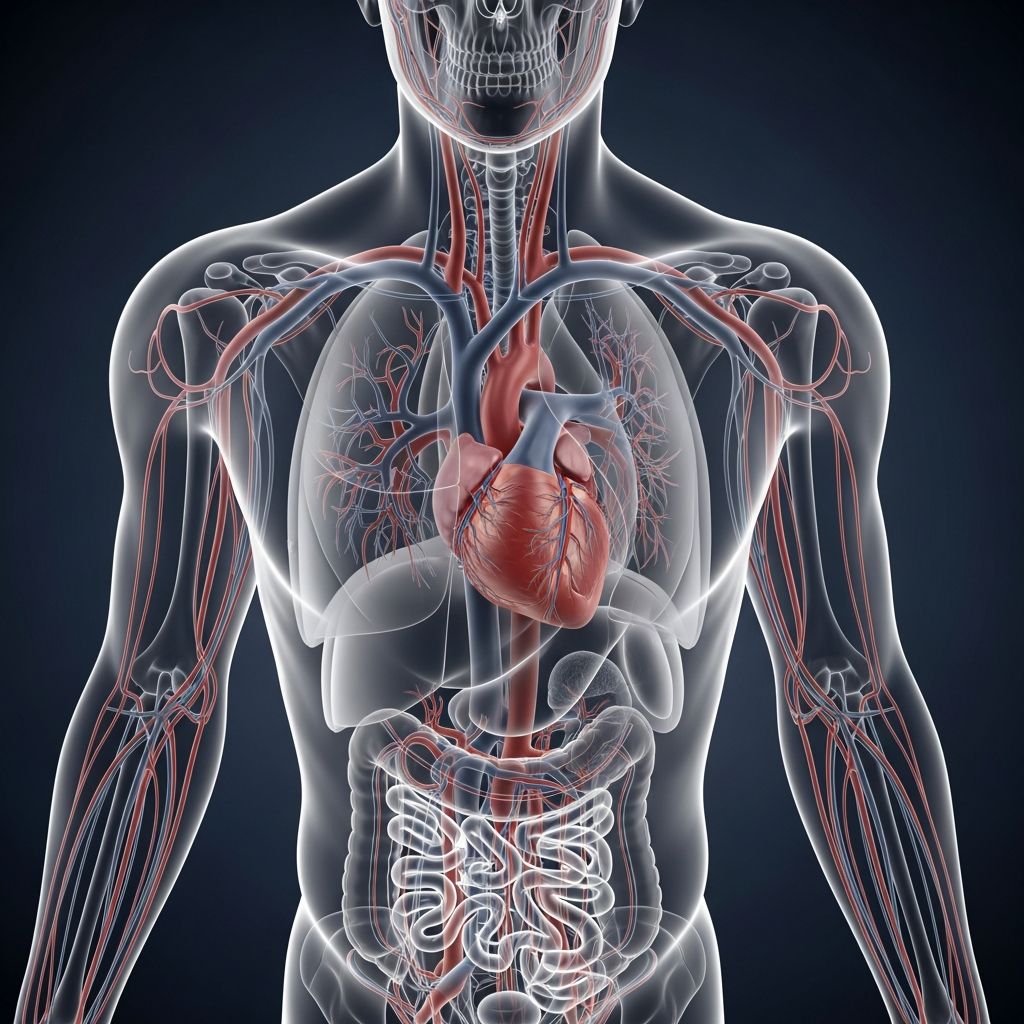
Hypovolemic Shock: A Life-Threatening Medical Emergency
Hypovolemic shock is a medical emergency in which you’ve lost so much blood or fluid that your body can’t send enough of it to all of your organs. This condition occurs when severe blood or other fluid loss prevents the heart from pumping adequate amounts of blood throughout your body, leading to inadequate perfusion of vital organs and tissues. Unlike other types of shock, hypovolemic shock specifically results from a significant reduction in blood volume, making it critically different from conditions like hemorrhagic shock, which is a subset of hypovolemic shock caused specifically by blood loss.
Early recognition and immediate intervention are critical to prevent irreversible organ damage and improve survival rates. Without rapid treatment, hypovolemic shock can cause your organs to stop functioning and lead to death. The condition requires emergency medical attention and swift fluid resuscitation to restore adequate circulation.
Understanding Hypovolemic Shock and Related Conditions
Hypovolemic shock is the most severe form of hypovolemia that requires emergency treatment. Hypovolemia refers to an abnormally low volume of blood or other body fluids in the circulatory system. When fluid loss becomes severe enough to compromise organ function, hypovolemia progresses to hypovolemic shock. It’s important to note that while all hemorrhagic shock is hypovolemic shock, not all hypovolemic shock is hemorrhagic. Hypovolemic shock can result from any significant loss of body fluids, including plasma from burns or other non-hemorrhagic sources.
Causes of Hypovolemic Shock
Hypovolemic shock can result from two primary categories of fluid loss: hemorrhagic causes (blood loss) and non-hemorrhagic causes (loss of other body fluids).
Hemorrhagic Causes
Types of bleeding that lead to hypovolemic shock include bleeding from:
- Traumatic injuries and severe lacerations
- Internal bleeding from organ injuries
- Gastrointestinal bleeding
- Ruptured blood vessels
- Major surgical complications
- Severe bleeding from accidents or violence
Non-Hemorrhagic Causes
Non-hemorrhagic hypovolemic shock occurs from fluid losses unrelated to bleeding, including:
- Severe dehydration from inadequate fluid intake
- Excessive vomiting or diarrhea
- Severe burns causing plasma loss
- Excessive sweating
- Kidney disease leading to excessive urination
- Diabetes insipidus
- Cholera and other conditions causing profuse diarrhea
Recognizing Symptoms of Hypovolemic Shock
Recognizing the warning signs of hypovolemic shock is essential for prompt treatment. Symptoms develop as the body attempts to compensate for reduced blood volume and organ perfusion.
Early warning signs include:
- Rapid heart rate (tachycardia)
- Weakness and fatigue
- Dizziness and lightheadedness
- Rapid or shallow breathing
- Anxiety or restlessness
- Pale or cold skin
- Decreased urine output
- Sweating
As hypovolemic shock progresses, symptoms become more severe:
- Severely low blood pressure (hypotension)
- Confusion or altered mental status
- Loss of consciousness
- Cool and clammy skin
- Delayed capillary refill (slow color return when skin is pressed)
- Weak or thready pulse
- Blue fingernails and lips
Related Stories



Severity Classification of Hypovolemic Shock
Medical professionals classify hypovolemic shock into four classes based on the percentage of blood volume lost:
| Classification | Blood Volume Lost | Key Symptoms |
|---|---|---|
| Class 1 | Up to 15% | Minimal symptoms; anxiety or restlessness may be present |
| Class 2 | 15-30% | Tachycardia, anxiety, rapid breathing, pale skin |
| Class 3 | 30-40% | Serious decrease in blood pressure, loss of mental faculties, decreased urination, confusion, fatigue |
| Class 4 | 40% or more | Rapid shallow breathing, weak pulse, dizziness, loss of consciousness |
Diagnosis of Hypovolemic Shock
Healthcare providers diagnose hypovolemic shock through physical examination and specialized tests. The diagnosis is primarily clinical, supported by laboratory findings.
Physical Examination
Your healthcare provider will conduct a thorough physical exam assessing:
- Blood pressure and vital signs
- Heart rate and rhythm
- Respiratory rate and breathing pattern
- Skin condition, temperature, and color
- Mental status and level of consciousness
- Capillary refill time
- Signs of obvious bleeding or injury
Laboratory and Imaging Tests
Tests that may be performed include:
- Complete blood count (CBC) to evaluate red blood cells and hemoglobin
- Blood chemistry including kidney function tests
- Coagulation studies to assess blood clotting ability
- Serum lactate levels to measure tissue hypoxia
- Urinary sodium levels
- Electrocardiogram (EKG) to check heart function
- Echocardiogram for detailed heart imaging
- CT scan, ultrasound, or x-ray to identify injuries
- Endoscopy to locate gastrointestinal bleeding sources
- Right heart catheterization in selected cases
- Urinary catheterization to measure urine output
Monitoring serum lactate levels provides a valuable indicator of ongoing tissue hypoxia and helps guide resuscitation efforts.
Treatment and Management of Hypovolemic Shock
Treatment focuses on rapidly restoring blood volume and stabilizing vital functions. The initial step in managing hypovolemic shock is to differentiate between hemorrhagic and non-hemorrhagic causes, as treatment strategies may differ slightly.
Immediate Emergency Response
If you see someone experiencing hypovolemic shock symptoms, call 911 immediately. While waiting for emergency services:
- Keep the person comfortable and warm to avoid hypothermia
- Have them lie flat with feet elevated about 12 inches to increase circulation
- Do not move them if head, neck, back, or leg injury is suspected
- Try to stop any visible bleeding
- Stay with the person and keep them calm
Hospital Treatment Protocol
Once at the hospital, treatment proceeds according to evidence-based protocols:
Fluid Resuscitation
Volume resuscitation begins with a warm isotonic crystalloid solution like normal saline or lactated Ringer’s (LR). The initial bolus is typically 30 mL/kg administered rapidly in 500 mL increments for adult patients. Clinicians monitor the patient’s response to each bolus by assessing vital signs, urine output, mental status, and signs of pulmonary edema.
To minimize dilutional coagulopathy and other adverse outcomes, fluid administration should be limited and used only as a bridge until blood products are available in patients with hemorrhagic hypovolemic shock.
Blood Transfusions
Your provider will give you blood through an IV when necessary to replace lost blood volume and improve oxygen-carrying capacity.
Medications
Several medications may be used to support blood pressure and cardiac output:
- Epinephrine to increase heart rate and force of contraction
- Norepinephrine for blood pressure support
- Additional medications tailored to specific patient needs
Clinicians do not generally utilize vasopressors to manage hypovolemic shock, as they can worsen tissue perfusion unless patients fail to improve despite adequate volume resuscitation.
Addressing the Underlying Cause
Critical to treatment success is identifying and controlling the source of fluid loss. Early resuscitation with prompt bleeding source control is essential for hemorrhagic hypovolemic shock to improve survival. Clinicians achieve bleeding source control through:
- Direct pressure on wounds
- Fracture stabilization
- Endoscopic interventions for internal bleeding
- Surgical intervention when necessary
- Interventional radiology assistance
Intensive Care Monitoring
Your provider will continue to monitor you in the Intensive Care Unit with continuous assessment of vital signs, organ function, and response to treatment.
Potential Complications and Recovery
Without prompt treatment, hypovolemic shock can lead to life-threatening complications including organ failure, irreversible tissue damage, and death. The condition requires interprofessional collaboration among physicians, nurses, respiratory therapists, and other specialists to optimize outcomes.
Your ability to survive and recover from hypovolemic shock depends on several factors:
- How much blood or fluid you’ve lost
- How quickly the loss occurred
- Other existing medical conditions
- Cause of hypovolemic shock
- Speed of medical intervention
- Overall health status before the event
Hypovolemic shock is a medical emergency, but getting care quickly gives you the best chance of survival. Your provider may be able to reverse the condition, but you’ll need time to recover and heal, especially if a traumatic injury caused your shock.
Prevention and When to Seek Help
While some causes of hypovolemic shock cannot be prevented, maintaining adequate hydration, avoiding high-risk activities, and seeking prompt medical attention for injuries or illnesses can reduce your risk.
Call 911 when you see someone having hypovolemic shock symptoms. Do not wait or attempt home treatment. If you’ve been through hypovolemic shock yourself, you may need to return to the ER if your wounds start bleeding again or get infected. Be sure to follow your provider’s instructions for taking care of yourself and your wounds.
Frequently Asked Questions About Hypovolemic Shock
Q: What is the difference between hypovolemic shock and hemorrhagic shock?
A: While hemorrhagic shock results specifically from blood loss, hypovolemic shock can result from loss of any body fluid, including plasma from burns or excessive vomiting and diarrhea. All hemorrhagic shock is hypovolemic shock, but not all hypovolemic shock is hemorrhagic.
Q: How quickly does hypovolemic shock develop?
A: Hypovolemic shock can develop rapidly, especially with severe acute bleeding or major fluid loss. Symptoms may appear within minutes to hours depending on the rate and volume of fluid loss.
Q: Can hypovolemic shock be reversed?
A: Yes, hypovolemic shock can be reversed with prompt medical intervention involving fluid resuscitation, blood transfusions, medications, and treatment of the underlying cause. Early recognition and rapid treatment are essential for the best outcomes.
Q: What should I do if I suspect someone is in hypovolemic shock?
A: Call 911 immediately. While waiting for help, keep the person lying down with their feet elevated, stop any visible bleeding if possible, keep them warm, and do not move them if spinal injury is suspected.
Q: What is the survival rate for hypovolemic shock?
A: Survival rates depend on the severity of fluid loss, cause, time to treatment, and overall health status. Quick recognition and treatment significantly improve survival outcomes.
References
- Hypovolemia and Hypovolemic Shock — National Center for Biotechnology Information (NCBI). 2024. https://www.ncbi.nlm.nih.gov/books/NBK513297/
- Hypovolemic Shock — MedlinePlus Medical Encyclopedia. U.S. National Library of Medicine. 2024. https://medlineplus.gov/ency/article/000167.htm
- The Crucial Difference Between Hypovolemic and Hemorrhagic Shock — CVRTI, University of Utah. 2024. https://cvrti.utah.edu/the-crucial-difference-between-hypovolemic-and-hemorrhagic-shock/
- Hypovolemic Shock: Causes, Symptoms and Treatment — Cleveland Clinic. 2024. https://my.clevelandclinic.org/health/diseases/22795-hypovolemic-shock
- Hypovolemia Symptoms, Causes & Treatment — Cleveland Clinic. 2024. https://my.clevelandclinic.org/health/diseases/22963-hypovolemia
- Blood Volume: What It Is & How Testing Works — Cleveland Clinic. 2024. https://my.clevelandclinic.org/health/diagnostics/16793-blood-volume-testing
Similar Articles








Read full bio of Sneha Tete