Hypoxemia: Causes, Symptoms, Diagnosis & Treatment
Understanding low blood oxygen: causes, symptoms, diagnosis methods, and effective treatment strategies.
Understanding Hypoxemia
Hypoxemia is a medical condition characterized by abnormally low levels of oxygen in the blood. This occurs when your blood cannot carry sufficient oxygen to meet the body’s needs, potentially affecting vital organs and tissues. The condition can develop acutely or chronically, and its severity can range from mild with manageable symptoms to life-threatening emergencies requiring immediate medical intervention.
The human body depends on adequate oxygen delivery for proper cellular function, energy production, and organ performance. When blood oxygen levels drop below normal ranges, it triggers a cascade of physiological responses that can manifest as various symptoms and complications. Understanding hypoxemia is essential for recognizing warning signs and seeking appropriate medical care.
How Hypoxemia Develops
Hypoxemia occurs through two primary mechanisms. First, your body may not be able to breathe in enough oxygen from the air. Second, even when oxygen is inhaled properly, it may fail to reach your bloodstream effectively. Both air and blood flow are critical for maintaining adequate oxygen in your blood, which is why lung disease and heart disease significantly increase your risk of developing hypoxemia.
The condition can result from inadequate oxygen intake in the environment, impaired lung function that prevents oxygen absorption, cardiovascular problems that reduce blood circulation, or metabolic issues that affect oxygen distribution. Chronic conditions like COPD and sleep apnea create persistent challenges in maintaining normal oxygen saturation levels, sometimes with minimal or absent symptoms until the condition becomes severe.
Common Causes of Hypoxemia
Hypoxemia can develop from numerous medical conditions and situations affecting either oxygen intake or blood circulation. Understanding these causes helps in recognizing risk factors and seeking appropriate prevention strategies.
Respiratory Conditions: Chronic obstructive pulmonary disease (COPD) represents one of the most common causes of hypoxemia. Asthma, pneumonia, acute respiratory distress syndrome (ARDS), pulmonary fibrosis, and cystic fibrosis all impair the lungs’ ability to exchange oxygen efficiently. These conditions damage lung tissue or create airway obstruction, reducing oxygen absorption into the bloodstream.
Sleep-Related Disorders: Obstructive sleep apnea causes intermittent breathing interruptions during sleep, leading to nocturnal hypoxemia where oxygen levels drop significantly during nighttime hours. This condition is particularly common and often goes undiagnosed, affecting quality of life and organ health.
Cardiovascular Issues: Heart disease and heart failure reduce the heart’s ability to pump oxygenated blood effectively throughout the body. Poor circulation means that even with adequate lung function, tissues don’t receive sufficient oxygen.
Altitude and Environmental Factors: High altitude environments contain less oxygen in the air, making it harder for your lungs to absorb sufficient oxygen. Additionally, exposure to carbon monoxide or other toxic gases can prevent oxygen absorption or displacement.
Anesthesia and Surgery: Postoperative hypoxemia is remarkably common, with research showing that 37% of surgical patients experience prolonged episodes of low oxygen saturation lasting one hour or more after surgery. This occurs due to anesthesia effects on breathing, pain-related shallow breathing, and decreased mobility.
Related Stories



Other Contributing Factors: Obesity, neuromuscular diseases affecting breathing muscles, severe anemia reducing oxygen-carrying capacity, and certain medications can all contribute to hypoxemia development.
Recognizing Symptoms of Hypoxemia
Hypoxemia manifests through various symptoms that depend on severity, duration, and individual factors. Early recognition of these signs is crucial for prompt medical intervention.
Mild to Moderate Symptoms: Patients often experience headaches, difficulty breathing or shortness of breath, rapid heart rate or palpitations, and restlessness. Some may notice dizziness, fatigue, or difficulty concentrating. These symptoms can appear gradually, especially in chronic conditions, and may be initially attributed to other causes.
Severe Symptoms: As oxygen levels drop further, more serious manifestations occur. Confusion and impaired cognitive function indicate that the brain is not receiving adequate oxygen. Cyanosis, a bluish discoloration of the skin and lips, represents a visible sign of severely reduced blood oxygen. Chest pain, severe shortness of breath requiring immediate attention, and altered consciousness may develop.
Critical Complications: Severe or prolonged hypoxemia can lead to hypoxia, where oxygen deprivation affects body tissues and organs. This can cause permanent damage to the heart or brain if not promptly treated. In acute cases, hypoxemia can be fatal if oxygen levels are not restored quickly.
It’s important to note that some patients with chronic hypoxemia from conditions like COPD or sleep apnea may experience minimal symptoms despite significantly low oxygen levels. This is why regular monitoring and healthcare provider guidance are essential for managing these conditions.
Diagnosing Hypoxemia
Healthcare providers use several methods to diagnose hypoxemia and assess its severity accurately.
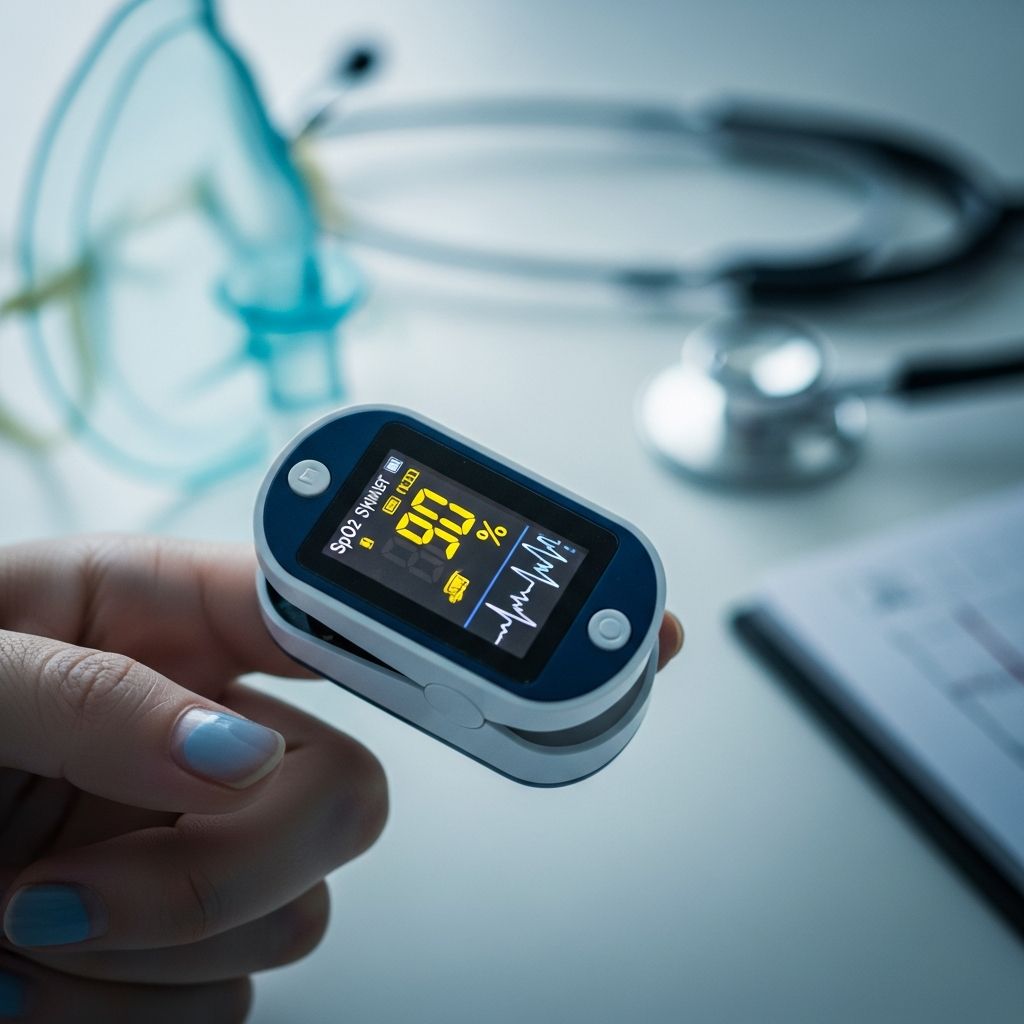
Pulse Oximetry: This is the most common initial screening tool. A small device clips onto your finger, measuring blood oxygen saturation (SpO2) non-invasively. Normal oxygen saturation ranges from 95% to 100%. Values below 90% indicate hypoxemia requiring further evaluation and potential treatment.
Arterial Blood Gas (ABG) Test: This blood test provides precise measurement of oxygen and carbon dioxide levels, as well as acid-base balance. It’s more accurate than pulse oximetry and helps healthcare providers understand the underlying cause of hypoxemia. The test involves drawing blood from an artery, typically in the wrist.
Continuous Monitoring: For patients with suspected sleep apnea or other intermittent conditions, continuous overnight oxygen saturation monitoring during sleep studies provides valuable data about patterns and severity of hypoxemia. This monitoring revealed that postoperative hypoxemia is far more common than previously recognized, with many episodes going undetected by routine nursing checks.
Imaging and Additional Testing: Chest X-rays or CT scans may reveal lung abnormalities contributing to hypoxemia. Pulmonary function tests assess how well your lungs work. Echocardiograms evaluate heart function in cases of suspected cardiac causes.
Clinical Assessment: Healthcare providers evaluate your medical history, current symptoms, medications, and risk factors. They listen to your lungs with a stethoscope and assess overall health status to determine hypoxemia causes and severity.
Treatment Approaches for Hypoxemia
Treatment strategies for hypoxemia depend on the underlying cause, severity, and whether the condition is acute or chronic.
Supplemental Oxygen Therapy: This is the primary treatment for hypoxemia. Oxygen can be delivered through various methods including nasal cannula (small tubes in the nose), face masks, or in severe cases, mechanical ventilation. The goal is to raise blood oxygen levels to acceptable ranges, typically maintaining SpO2 above 90%. Long-term oxygen therapy may be necessary for chronic conditions like COPD.
Treating Underlying Conditions: Managing the root cause is essential. This might include medications for COPD, treatment of sleep apnea with continuous positive airway pressure (CPAP) devices, antibiotics for pneumonia, or cardiac medications for heart disease. Addressing the underlying condition often reduces or eliminates hypoxemia.
Lifestyle Modifications: Quitting smoking dramatically improves lung function in COPD patients. Weight loss reduces the burden on the respiratory system in obese patients. Increased physical activity strengthens muscles involved in breathing and improves cardiovascular function. Proper sleep positioning can help some patients with sleep-related hypoxemia.
Monitoring and Follow-up: Regular monitoring of oxygen saturation levels helps track treatment effectiveness. Healthcare providers adjust oxygen flow rates or treatment plans based on monitoring results. Periodic blood tests assess whether oxygen therapy is adequately supporting organ function.
Respiratory Support: In acute cases or severe chronic hypoxemia, mechanical ventilation may be necessary to ensure adequate oxygen delivery. This involves a machine that takes over or assists the breathing process, delivering oxygen directly to the lungs.
Hypoxemia Versus Hypoxia: Understanding the Difference
While these terms are related, they describe different but interconnected conditions. Hypoxemia specifically refers to low oxygen levels in the blood, which can be measured through blood tests and pulse oximetry. Hypoxia refers to insufficient oxygen reaching body tissues and organs. When hypoxemia persists untreated, it leads to hypoxia as tissues fail to receive adequate oxygen for proper function.
This distinction is clinically important because hypoxemia is the measurable cause, while hypoxia represents the damaging effect. Treating hypoxemia promptly prevents progression to hypoxia and the associated organ damage that can result from prolonged oxygen deprivation.
Long-Term Complications of Untreated Hypoxemia
Chronic or recurrent hypoxemia can cause significant long-term health consequences. The heart may undergo structural remodeling in response to chronic low oxygen, increasing the risk of irregular heartbeats and stroke. Brain function can be progressively impaired by persistent oxygen deprivation. Muscle wasting, particularly noted in COPD patients with nocturnal hypoxemia, reduces functional capacity and quality of life.
Research has also shown that even temporary oxygen shortages can produce lasting effects on the heart, demonstrating that hypoxemia requires prompt and appropriate management to prevent cumulative damage. Men with COPD-related nocturnal hypoxemia appear more susceptible to muscle loss than women, though the reasons for this sex-based difference remain under investigation.
Managing Chronic Hypoxemia
Patients with chronic conditions causing intermittent or persistent hypoxemia require comprehensive management strategies. COPD patients, sleep apnea sufferers, and others with recurring low oxygen episodes benefit from regular screening and monitoring. Healthcare providers may recommend home pulse oximetry monitoring to track trends and adjust treatment accordingly.
Sleep studies help identify nocturnal hypoxemia patterns, guiding treatment decisions. Some patients require continuous supplemental oxygen, while others need it only during sleep or exercise. Pulmonary rehabilitation programs teach breathing techniques and exercises to improve lung function and overall endurance.
Patient education about recognizing symptom changes, proper use of oxygen equipment, and medication adherence is crucial for successful long-term management. Regular follow-up appointments allow healthcare providers to assess treatment effectiveness and make necessary adjustments.
When to Seek Emergency Care
Certain situations require immediate medical attention. Severe shortness of breath, confusion, loss of consciousness, or chest pain associated with low oxygen levels warrant emergency evaluation. Patients using supplemental oxygen should contact healthcare providers if oxygen saturation remains below 90% despite therapy. Sudden severe headaches or bluish skin coloration also indicate urgent need for medical care.
Prevention and Risk Reduction
While not all hypoxemia can be prevented, several strategies reduce risk. Smoking cessation dramatically improves lung function. Regular exercise maintains cardiovascular and respiratory health. Maintaining healthy weight reduces respiratory strain. Sleep apnea screening and treatment prevent nocturnal hypoxemia. Vaccination against respiratory infections like influenza and pneumonia protects lung health. For patients with known chronic conditions, regular medical monitoring and treatment adherence prevent hypoxemia episodes.
Frequently Asked Questions About Hypoxemia
Q: What is considered low blood oxygen?
A: Blood oxygen saturation below 90% is generally considered hypoxemia requiring medical attention. Normal levels range from 95% to 100%. Values between 90% and 94% warrant monitoring and may require treatment depending on individual circumstances and underlying conditions.
Q: Can hypoxemia go away on its own?
A: Acute hypoxemia from temporary causes like high altitude exposure may resolve when the cause is removed. However, hypoxemia from chronic lung or heart disease requires ongoing management. Seeking medical evaluation is important to determine the cause and appropriate treatment.
Q: Is pulse oximetry accurate for diagnosing hypoxemia?
A: Pulse oximetry is a useful screening tool but can be affected by factors like poor circulation, skin pigmentation, and nail polish. Arterial blood gas tests provide more precise measurement when needed. Healthcare providers use multiple assessment methods for accurate diagnosis.
Q: How does sleep apnea cause hypoxemia?
A: Sleep apnea causes breathing interruptions during sleep, preventing oxygen intake. These episodes, sometimes lasting seconds to minutes, cause repetitive drops in blood oxygen levels throughout the night, resulting in nocturnal hypoxemia.
Q: Can I use supplemental oxygen long-term without complications?
A: Long-term supplemental oxygen therapy is generally safe when prescribed appropriately and monitored by healthcare providers. Regular follow-up ensures the oxygen level matches your needs. However, some research suggests extremely high oxygen concentrations may potentially mask other breathing problems, so medical supervision is essential.
Q: How common is postoperative hypoxemia?
A: Research shows postoperative hypoxemia is remarkably common, affecting 37% of surgical patients with prolonged episodes lasting an hour or more. Yet many episodes go undetected by routine nursing observations, highlighting the importance of continuous monitoring after surgery.
References
- Postoperative Hypoxemia Is Common and Persistent — National Center for Biotechnology Information (NCBI/NIH). 2016. https://pmc.ncbi.nlm.nih.gov/articles/PMC4825673/
- Nocturnal Hypoxemia Linked to Muscle Wasting in COPD Patients — Cleveland Clinic Consult QD. 2024. https://consultqd.clevelandclinic.org/nocturnal-hypoxemia-linked-to-muscle-wasting-in-copd-patients
- Hypoxemia: Causes, Symptoms, Diagnosis & Treatment — Cleveland Clinic. 2022. https://my.clevelandclinic.org/health/diseases/17727-hypoxemia
- Blood Oxygen Level: What It Is & How To Increase It — Cleveland Clinic. 2024. https://my.clevelandclinic.org/health/diagnostics/22447-blood-oxygen-level
- Even temporary oxygen shortage remodels the heart, increasing stroke risk — Cleveland Clinic Lerner Research Institute. 2020. https://www.lerner.ccf.org/news/article/?title=Even+temporary+oxygen+shortage+remodels+the+heart%2C+increasing+stroke+risk%2C+new+study+shows
- Cerebral Hypoxia: What It Is, Causes, Symptoms & Treatment — Cleveland Clinic. 2024. https://my.clevelandclinic.org/health/diseases/6025-cerebral-hypoxia
Similar Articles








Read full bio of medha deb