Hypoxia: Causes, Symptoms, Tests & Treatment
Understanding hypoxia: low oxygen levels, symptoms, diagnosis, and emergency treatment options.
What Is Hypoxia?
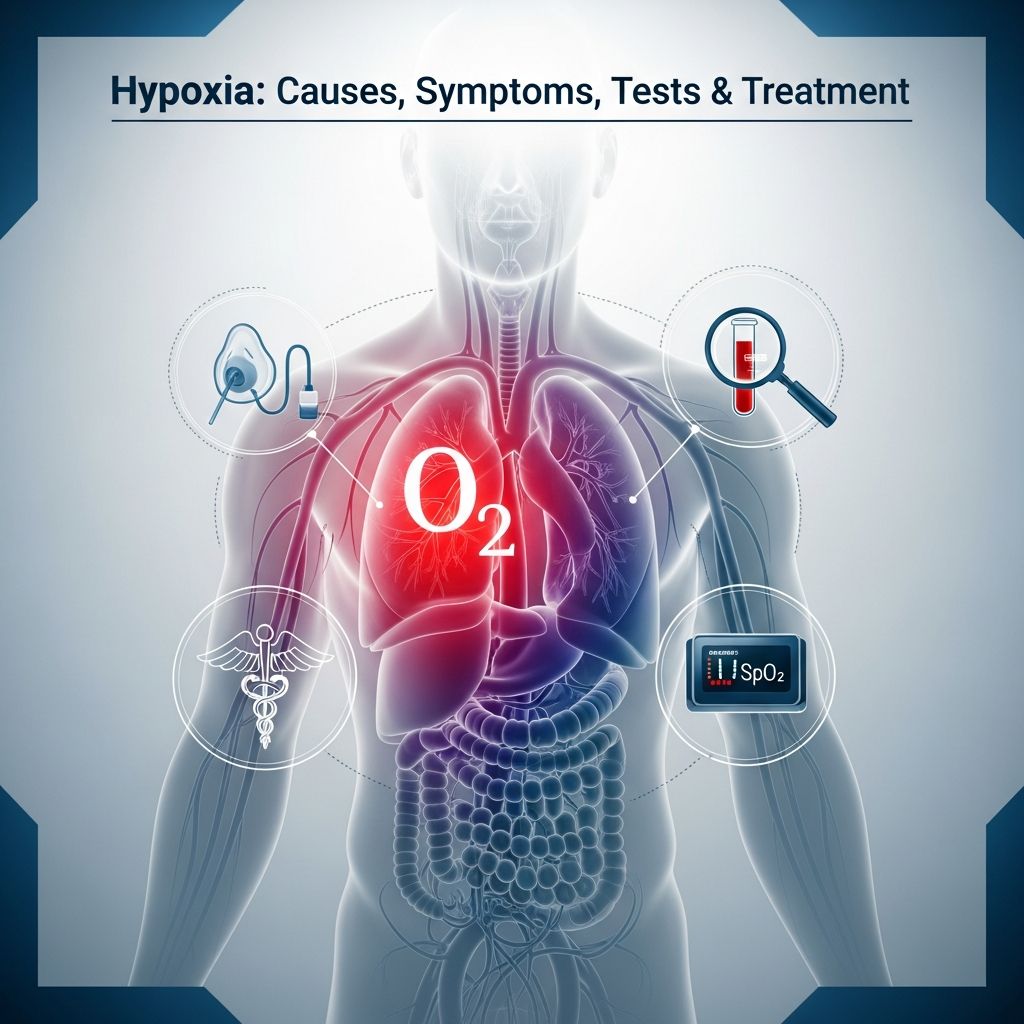
Hypoxia is a medical condition where your body’s tissues do not receive adequate oxygen to function properly. Unlike hypoxemia, which refers specifically to low oxygen levels in your blood, hypoxia represents insufficient oxygen throughout your body’s tissues and organs. This distinction is crucial because hypoxemia can lead to hypoxia if left untreated. When your tissues lack sufficient oxygen, your cells cannot perform their essential functions, and without prompt medical intervention, hypoxia can become life-threatening.
The human body requires a constant supply of oxygen to maintain normal cellular function and metabolism. Your lungs absorb oxygen from the air you breathe, and your heart pumps oxygen-rich blood throughout your body via your circulatory system. When something disrupts this oxygen delivery process—whether it’s a breathing problem, heart condition, or other medical emergency—hypoxia can develop rapidly, sometimes within minutes.
Understanding the Difference: Hypoxia vs. Hypoxemia
Many people use the terms hypoxia and hypoxemia interchangeably, but they have distinct meanings in medical terminology. Hypoxemia specifically means low oxygen levels in your blood, measured by blood tests or pulse oximetry. Hypoxia, however, refers to insufficient oxygen in your body’s tissues and organs. Think of it this way: hypoxemia is the problem with your blood’s oxygen content, while hypoxia is what happens when that low oxygen reaches your tissues and causes dysfunction.
This distinction matters because hypoxemia doesn’t always immediately cause hypoxia—depending on the severity and how quickly it develops, your body may compensate temporarily. However, prolonged or severe hypoxemia will inevitably lead to hypoxia if not corrected.
What Causes Hypoxia?
Hypoxia can develop from various medical conditions and situations that interrupt oxygen delivery to your body’s tissues. Understanding these causes helps you recognize risk factors and seek prompt treatment. The causes fall into several categories:
Respiratory Causes
Problems with your lungs or breathing mechanism can prevent adequate oxygen intake. Chronic obstructive pulmonary disease (COPD) is a leading cause, particularly because it can cause nocturnal hypoxemia—low oxygen levels during sleep—which has been linked to muscle wasting and other complications. Other respiratory causes include severe pneumonia, acute respiratory distress syndrome (ARDS), and asthma attacks.
Cardiovascular Causes
Your heart pumps oxygen-rich blood throughout your body, so cardiac problems directly impact oxygen delivery. Cardiac arrest remains the most common cause of hypoxia in the United States. Heart attacks, heart failure, and severe arrhythmias can all reduce the heart’s ability to circulate oxygenated blood. Recent research shows that even temporary oxygen shortage can remodel the heart in as little as 18 hours, increasing stroke risk by desensitizing heart receptors.
Blood-Related Causes
Severe anemia reduces your blood’s oxygen-carrying capacity because hemoglobin—the protein that carries oxygen—is diminished. Carbon monoxide poisoning also prevents oxygen from binding to hemoglobin properly, causing rapid onset hypoxia even when breathing appears normal.
Related Stories



Other Medical Conditions
Systemic hypotension (dangerously low blood pressure) reduces blood flow to tissues. Sleep-related hypoxia, particularly from obstructive sleep apnea, has been associated with incident atrial fibrillation—an irregular heart rhythm affecting over 42,000 patients studied at major medical centers. High-altitude exposure decreases atmospheric oxygen, causing hypoxia in otherwise healthy individuals.
Recognizing the Symptoms of Hypoxia
Hypoxia symptoms vary depending on severity and how quickly oxygen levels drop. Early recognition is critical because prompt treatment can prevent organ damage and death. Symptoms progress as oxygen deprivation worsens:
Early Symptoms
When hypoxia begins, you might experience:
- Confusion and difficulty concentrating
- Restlessness and anxiety
- Rapid heart rate (tachycardia)
- Rapid breathing (tachypnea)
- Difficulty breathing or shortness of breath
- Headache
Advanced Symptoms
As hypoxia becomes more severe, symptoms become more pronounced and alarming:
- Bluish discoloration of lips, nails, or skin (cyanosis)
- Difficulty speaking coherently
- Loss of coordination
- Tremors or muscle twitching
- Seizures
- Loss of consciousness or coma
Your brain cells begin dying within minutes of low oxygen exposure, making every second critical. The longer hypoxia persists, the greater the risk of permanent brain damage, organ failure, and death.
When to Seek Emergency Care
Contact emergency services immediately if you experience:
- Sudden confusion or difficulty recognizing people
- Rapid or severely difficult breathing
- Blue coloration of lips, nails, or skin
- Rapid heart rate that doesn’t slow down
- Loss of consciousness or altered awareness
- Seizures
- Sudden worsening of existing symptoms in patients with chronic conditions
How Is Hypoxia Diagnosed?
Healthcare providers use several diagnostic tools to identify hypoxia and determine its underlying cause. Quick and accurate diagnosis is essential because treatment must begin immediately to prevent irreversible damage.
Diagnostic Tests
Pulse Oximetry: A non-invasive device placed on your finger, toe, or earlobe measures oxygen saturation in your blood. Normal oxygen saturation is 95-100%; levels below 90% indicate hypoxemia that may lead to hypoxia.
Arterial Blood Gas (ABG) Test: A blood sample from an artery measures oxygen levels, carbon dioxide levels, and pH. This provides precise information about your blood’s oxygen content and acid-base balance.
Chest X-ray: Imaging helps identify lung problems like pneumonia, fluid accumulation, or collapsed lung tissue.
Electrocardiogram (ECG): This test records your heart’s electrical activity to identify cardiac causes of hypoxia.
Computed Tomography (CT) Scan: Advanced imaging reveals detailed pictures of your lungs, heart, and blood vessels to identify structural problems.
Blood Tests: Laboratory work can identify anemia, carbon monoxide poisoning, or other blood-related causes.
Treatment Options for Hypoxia
Treatment focuses on immediately restoring oxygen flow to your body’s tissues, then addressing the underlying cause. Emergency treatment varies depending on what triggered hypoxia:
Immediate Oxygen Therapy
Healthcare providers deliver supplemental oxygen through various methods depending on severity. Nasal cannulas provide modest oxygen increases for mild cases, while non-rebreather masks deliver higher oxygen concentrations for moderate to severe hypoxia. Mechanical ventilation assists breathing in critically ill patients, pushing oxygen-rich air directly into your lungs.
Addressing the Underlying Cause
Treatment of the specific condition causing hypoxia is essential. For cardiac causes, providers may perform CPR, defibrillation, or medication administration. Pneumonia requires antibiotics. Anemia may need blood transfusions. Obstructive airway issues may require intubation or tracheostomy.
Long-Term Management
Depending on the cause, you may require chronic supplemental oxygen therapy. COPD patients, for example, often use home oxygen systems. Sleep apnea patients may use continuous positive airway pressure (CPAP) devices to maintain airway patency during sleep and prevent nocturnal hypoxemia. Managing underlying conditions like heart disease, lung disease, or anemia prevents recurrent hypoxia episodes.
Complications of Hypoxia
Severe hypoxia can cause life-threatening complications affecting multiple organ systems. The most significant complications include:
- Brain damage: Oxygen deprivation damages brain cells irreversibly, potentially causing cognitive impairment, memory loss, or permanent vegetative state
- Cardiac arrhythmias: Hypoxia can trigger dangerous heart rhythm abnormalities including atrial fibrillation
- Heart failure: Chronic or severe hypoxia stresses the heart, potentially leading to heart failure
- Organ failure: Kidneys, liver, and other organs can fail without adequate oxygen
- Coma: Severe hypoxia causes unconsciousness that may persist for weeks or become permanent
- Death: Without immediate treatment, hypoxia is fatal
Recovery from severe hypoxia often requires months of rehabilitation. Physical therapy helps restore movement and coordination, while speech therapy addresses communication difficulties. Cognitive rehabilitation may be needed for brain injury recovery.
Prevention and Risk Reduction
While you cannot always prevent hypoxia, you can reduce your risk by managing underlying conditions and maintaining healthy habits:
- Manage heart disease with medications and lifestyle changes as directed by your healthcare provider
- Control blood pressure through medication, diet, and exercise
- Quit smoking, which damages lungs and reduces oxygen capacity
- Maintain healthy weight to reduce strain on respiratory and cardiovascular systems
- Get vaccinated against pneumonia and influenza
- Treat sleep apnea with CPAP or other prescribed devices
- Take all medications for chronic conditions as prescribed
- Avoid high altitudes if you have severe heart or lung disease
- Stay physically active to maintain cardiovascular health
- Avoid carbon monoxide exposure by maintaining proper ventilation in homes and vehicles
Living with Hypoxia: Recovery and Rehabilitation
Recovery from hypoxia varies greatly depending on severity, duration, and the underlying cause. Some people recover completely, while others experience lasting effects. If hypoxia has affected your ability to speak, walk, or control movements, rehabilitation services become essential to your recovery journey.
Physical therapy helps restore strength and coordination. Speech therapy addresses communication and swallowing difficulties. Occupational therapy assists with daily activities and independence. Cognitive rehabilitation helps with memory and thinking problems. Psychological support addresses emotional challenges from the experience.
Recovery requires patience—full recuperation may take months or longer. Working closely with your healthcare team and rehabilitation specialists optimizes your chances for the best possible outcome.
Frequently Asked Questions About Hypoxia
Q: What is the difference between hypoxia and hypoxemia?
A: Hypoxemia is low oxygen levels in your blood, while hypoxia is low oxygen levels in your body’s tissues. Hypoxemia can lead to hypoxia if not treated.
Q: How quickly does hypoxia cause brain damage?
A: Brain cells begin dying within minutes of oxygen deprivation. This is why hypoxia is a medical emergency requiring immediate treatment.
Q: Can hypoxia be permanent?
A: Yes, severe or prolonged hypoxia can cause permanent brain damage, organ damage, and lasting disabilities. However, some people recover fully with prompt treatment, particularly if hypoxia was brief.
Q: What should I do if I suspect hypoxia?
A: Call 911 or go to the nearest emergency room immediately. Do not wait for symptoms to worsen—hypoxia is a medical emergency requiring immediate professional treatment.
Q: Can sleep apnea cause hypoxia?
A: Yes, obstructive sleep apnea causes sleep-related hypoxia (nocturnal hypoxemia), which has been linked to atrial fibrillation and other serious complications.
Q: Is chronic supplemental oxygen safe?
A: Chronic supplemental oxygen is safe and necessary for people with chronic conditions causing persistent hypoxia. Your healthcare provider will determine the appropriate oxygen level and delivery method.
Q: How is sleep-related hypoxia treated?
A: Sleep-related hypoxia from obstructive sleep apnea is typically treated with CPAP (continuous positive airway pressure) therapy or other airway devices that keep airways open during sleep.
References
- Cerebral Hypoxia: What It Is, Causes, Symptoms & Treatment — Cleveland Clinic. 2023. https://my.clevelandclinic.org/health/diseases/6025-cerebral-hypoxia
- Study Strongly Links Sleep-Related Hypoxia Metrics With Incident Atrial Fibrillation — Cleveland Clinic. 2023. https://consultqd.clevelandclinic.org/study-strongly-links-sleep-related-hypoxia-metrics-with-incident-atrial-fibrillation
- Nocturnal Hypoxemia Linked to Muscle Wasting in COPD Patients — Cleveland Clinic. 2023. https://consultqd.clevelandclinic.org/nocturnal-hypoxemia-linked-to-muscle-wasting-in-copd-patients
- Even temporary oxygen shortage remodels the heart, increasing stroke risk, new study shows — Cleveland Clinic Lerner Research Institute. 2023-06-05. https://www.lerner.ccf.org/news/article/?title=Even+temporary+oxygen+shortage+remodels+the+heart%2C+increasing+stroke+risk%2C+new+study+shows
- Hypoxia: Causes, Symptoms, Tests, Diagnosis & Treatment — Cleveland Clinic. 2023. https://my.clevelandclinic.org/health/diseases/23063-hypoxia
- Hypoxemia: Causes, Symptoms, Diagnosis & Treatment — Cleveland Clinic. 2023. https://my.clevelandclinic.org/health/diseases/17727-hypoxemia
Similar Articles








Read full bio of Sneha Tete