Hysterectomy: Surgery, Types, Side Effects & Recovery
Complete guide to hysterectomy procedures: types, preparation, recovery, and what to expect.
Understanding Hysterectomy
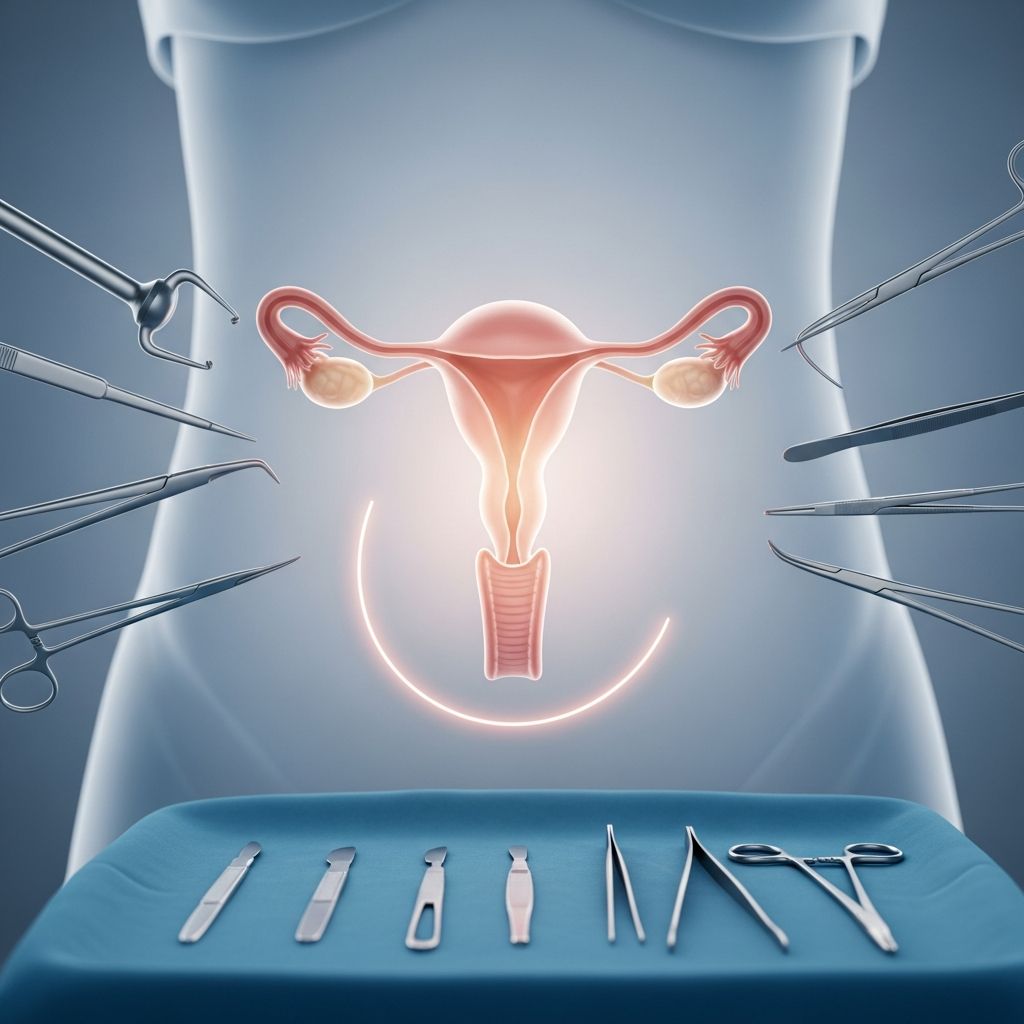
A hysterectomy is a surgical procedure that removes your uterus, also known as the womb. This is one of the most common gynecological surgical procedures performed in the United States. After a hysterectomy, you can no longer become pregnant and you will not have menstrual periods. The procedure may be recommended for various medical conditions including uterine fibroids, endometriosis, adenomyosis, heavy menstrual bleeding, uterine prolapse, and certain cancers affecting the reproductive system.
The decision to undergo a hysterectomy is significant and should be made in consultation with your healthcare provider after carefully considering all available treatment options. Understanding the different types of procedures, what to expect during recovery, and potential risks and benefits will help you make an informed decision about your care.
Types of Hysterectomy Procedures
There are several different approaches to performing a hysterectomy, each with distinct advantages and considerations. Your surgeon will recommend the best approach based on your specific medical condition, anatomy, and individual circumstances.
Abdominal Hysterectomy (Open Surgery)
An abdominal hysterectomy is an open surgical procedure where the surgeon makes a larger incision in your abdomen to access and remove the uterus. This is the most common type of hysterectomy, accounting for approximately 54% of all hysterectomies performed for non-cancerous conditions. The surgeon makes a 5- to 7-inch cut across your abdomen, either vertically or horizontally, to gain access to the uterus. The uterus is then removed through this incision.
Following an abdominal hysterectomy, you will typically spend 2-3 days in the hospital and have a longer recovery period at home. You will have a visible scar where the incision was made, which may fade over time but generally remains noticeable. This approach provides excellent visibility for the surgeon and is often used when there are complications or when additional procedures need to be performed simultaneously.
Laparoscopic Hysterectomy
Laparoscopic hysterectomy is a minimally invasive procedure that uses a thin, telescope-like instrument called a laparoscope with a lighted camera. The surgeon makes several small incisions in your abdomen, typically between 0.5 and 1 inch each. The laparoscope is inserted through one incision, allowing the surgeon to view the surgical area on a high-definition video screen. Specialized surgical instruments are inserted through the other small incisions to carefully disconnect and remove the uterus.
This approach offers several advantages including less post-operative pain, smaller scars that are barely visible, shorter hospital stays, and a faster overall recovery compared to open abdominal surgery. Many patients can return to normal activities more quickly with laparoscopic techniques. However, not all patients are candidates for this procedure, depending on their anatomy and medical history.
Robotic-Assisted Hysterectomy
Robotic-assisted laparoscopic hysterectomy represents the most advanced minimally invasive approach. In this procedure, the surgeon makes small incisions in your abdomen and uses robotic arms controlled by the surgeon to separate your uterus from its surrounding tissues. The laparoscope projects high-definition 3D images onto a screen, giving the surgeon enhanced visualization and precision. The surgeon controls all movements of the robotic arms and surgical instruments while seated at a computer console a few feet away from the operating table.
Related Stories



The benefits of robotic-assisted surgery include improved precision, reduced blood loss, decreased trauma to surrounding tissues, and potentially faster recovery times. The surgeon has enhanced dexterity and control compared to traditional laparoscopic instruments, which can be particularly helpful in complex cases.
Vaginal Hysterectomy
In a vaginal hysterectomy, the surgeon makes an incision inside the vagina and removes the uterus through this opening. This approach leaves no visible external scar since the incision is made internally. The procedure typically results in less pain, minimal scarring, and faster recovery compared to abdominal hysterectomy. However, vaginal hysterectomy may not be suitable for all patients, particularly those with large fibroids or previous abdominal surgery.
Laparoscopic-Assisted Vaginal Hysterectomy
This hybrid approach combines laparoscopic and vaginal techniques. The surgeon uses laparoscopic tools inserted through small abdominal incisions to help separate the uterus and its supporting structures, then removes the uterus through an incision made in the vagina. This technique allows surgeons to perform the procedure in cases where a purely vaginal approach might be challenging.
Preparation for Your Hysterectomy
Proper preparation before your hysterectomy is essential for ensuring a smooth procedure and optimal recovery. Your healthcare provider will guide you through several important pre-operative steps.
Pre-Operative Evaluation
Before your surgery, your healthcare provider will perform a comprehensive physical examination. You will undergo various tests including blood work, urine tests, and other evaluations to assess your general health and identify any potential complications. Your surgeon will explain the procedure in detail, including possible complications, side effects, and what you can realistically expect during recovery. This is an important time to ask questions and address any concerns you may have about the procedure.
Medication and Fasting Instructions
Your healthcare team will provide specific instructions regarding your medications prior to surgery. Some medications may need to be continued, while others may need to be temporarily stopped. You will receive clear instructions about when to stop eating and drinking before your surgery. Typically, you should not eat or drink anything for several hours before the procedure to reduce anesthesia-related complications.
Pre-Operative Day Arrival
You will be asked to arrive at the hospital or surgical center several hours before your scheduled procedure. In the pre-operative area, a healthcare provider will place an intravenous line (IV) in your arm to deliver medications and fluids during surgery. This is also when you will complete final paperwork, change into a hospital gown, and receive any pre-operative medications to help you relax.
The Surgical Procedure
Anesthesia and Positioning
Once you are in the operating room and have received anesthesia, you will be asleep and unable to feel pain. Your surgical team will position you appropriately for the type of hysterectomy being performed. Monitoring equipment will be attached to track your vital signs throughout the procedure.
Surgical Steps for Minimally Invasive Procedures
For laparoscopic and robotic-assisted procedures, your surgeon will make four or five small incisions in your abdomen. The laparoscope and specialized surgical instruments are inserted through these incisions. In robotic-assisted cases, these instruments have robotic arms attached to them that are controlled by your surgeon from the console. Members of the surgical team remain at your bedside to assist the surgeon by changing robotic instruments and providing additional support as needed.
Tissue Separation and Removal
Your surgeon carefully separates the uterus from surrounding structures including blood vessels and ligaments. Various techniques are used to safely disconnect these attachments while minimizing bleeding and protecting nearby organs. The specific surgical steps may vary depending on whether the ovaries and fallopian tubes are being removed and the complexity of your individual case.
Closure and Recovery Preparation
Once the uterus has been removed, your surgeon ensures proper hemostasis (stopping bleeding) and closes the incisions. For minimally invasive procedures, small stitches are placed to close the incisions, and they are covered with bandages. Many of these stitches are dissolvable and will not require removal.
Recovery and Post-Operative Care
Immediate Post-Operative Period
After your procedure is complete, you will be moved to a recovery area where medical staff will monitor you as the anesthesia wears off. You may experience some grogginess and confusion initially, which is normal. Pain management will be provided as needed, and you will be monitored for any complications.
Hospital Stay Duration
The length of your hospital stay depends on the type of hysterectomy performed. Patients undergoing abdominal hysterectomy typically spend 2-3 days in the hospital. Those who have minimally invasive procedures such as laparoscopic or robotic-assisted hysterectomy often go home the same day or after an overnight stay. Vaginal hysterectomy patients may also be discharged the same day or after a short hospital stay.
Activity Restrictions and Recovery Timeline
If you had a laparoscopic or robotic hysterectomy, you will have small incisions on your abdomen with dissolvable stitches under your skin that will not require removal. Recovery timelines vary based on the surgical approach:- Abdominal hysterectomy: 4-6 weeks for full recovery- Minimally invasive procedures: 2-4 weeks for full recovery- Vaginal hysterectomy: 2-3 weeks for full recovery
Post-Operative Instructions
Your healthcare team will provide detailed post-operative instructions to promote proper healing. You should avoid heavy lifting, strenuous exercise, and sexual activity for the recommended time period. Walking is typically encouraged as a gentle form of activity that promotes circulation and aids recovery. You will receive information about managing pain, caring for your incisions, and recognizing signs of complications that require medical attention.
Potential Side Effects and Risks
Common Side Effects
Following a hysterectomy, you may experience various side effects during recovery. These commonly include pain and discomfort at the incision site or in the abdomen, fatigue and low energy levels, nausea or constipation, vaginal discharge or light bleeding, and mild temperature elevation. These side effects typically resolve within the first few weeks of recovery.
Surgical Complications
While hysterectomy is generally a safe procedure, like all surgeries it carries some risk of complications. These may include infection, excessive bleeding, blood clots, damage to nearby organs such as the bladder, bowel, or blood vessels, and anesthesia-related complications. Minimally invasive approaches generally have lower complication rates compared to open abdominal surgery.
Long-Term Effects
After hysterectomy, you will no longer have menstrual periods or be able to become pregnant. If your ovaries are removed in addition to your uterus, you will experience surgical menopause with associated symptoms including hot flashes, night sweats, and vaginal dryness. Your healthcare provider can discuss hormone replacement therapy options if appropriate for your situation.
Frequently Asked Questions
Q: Will I go into menopause after a hysterectomy?
A: If your ovaries are removed during the hysterectomy, you will experience surgical menopause immediately. However, if your ovaries remain intact, you will continue to produce hormones and should not experience menopause immediately. You may go through menopause at your normal biological age.
Q: How long will recovery take?
A: Recovery time depends on the type of procedure. Minimally invasive procedures typically require 2-4 weeks of recovery, while abdominal hysterectomy requires 4-6 weeks. Full recovery, including return to all normal activities, may take 6-8 weeks.
Q: Will I have visible scars after hysterectomy?
A: This depends on the surgical approach. Abdominal hysterectomy results in a visible scar. Vaginal hysterectomy leaves no external scar. Minimally invasive procedures result in tiny scars that are usually barely noticeable.
Q: When can I return to normal activities?
A: You should gradually return to normal activities over several weeks. Light walking can begin within days, but you should avoid heavy lifting and strenuous exercise for 4-6 weeks depending on the procedure type. Your surgeon will provide specific guidelines for your situation.
Q: What are the most common reasons for having a hysterectomy?
A: Common reasons include uterine fibroids, endometriosis, adenomyosis, heavy or abnormal menstrual bleeding that doesn’t respond to other treatments, uterine prolapse, and certain reproductive cancers. Your doctor will discuss whether hysterectomy is the right treatment for your condition.
Q: Can hysterectomy affect my sexual function?
A: Most women can resume sexual activity after appropriate recovery time. Some women report improved sexual function due to relief from their prior symptoms. However, if ovaries are removed, vaginal dryness and other menopausal symptoms may affect sexual comfort, which can be managed with appropriate treatment.
Why Choose Minimally Invasive Approaches
Minimally invasive gynecologic surgery, including laparoscopic, robotic-assisted, and vaginal hysterectomy procedures, offers numerous advantages over traditional open abdominal surgery. These approaches provide comparable or superior clinical outcomes with significantly reduced trauma to your body. Patients experience less post-operative pain, faster recovery times, smaller and less noticeable scars, and can return to their normal activities more quickly.
References
- Basic Standard Procedure of Abdominal Hysterectomy: Part 1 — National Center for Biotechnology Information. 2019. https://pmc.ncbi.nlm.nih.gov/articles/PMC6554021/
- Hysterectomy: Surgery, Types, Side Effects & Recovery — Cleveland Clinic. 2025. https://my.clevelandclinic.org/health/procedures/hysterectomy
- The Different Types of Hysterectomy and Their Benefits — WebMD. 2024. https://www.webmd.com/women/hysterectomy
- Robotic Assisted Hysterectomy: Procedure, Risks & Recovery — Cleveland Clinic. 2025. https://my.clevelandclinic.org/health/treatments/21057-robotic-assisted-hysterectomy
- Minimally Invasive Gynecologic Surgery — Cleveland Clinic. 2025. https://my.clevelandclinic.org/departments/obgyn-womens-health/depts/minimally-invasive-gynecologic-surgery
- Hysteroscopy: Purpose, Procedure, Risks & Recovery — Cleveland Clinic. 2025. https://my.clevelandclinic.org/health/treatments/10142-hysteroscopy
- Minimally Invasive Hysterectomy Postoperative Instructions — Cleveland Clinic. 2024. https://my.clevelandclinic.org/-/scassets/files/org/obgyn/post-operative-instructions-for-minimally-invasive-gynecologic-surgery.pdf
Similar Articles








Read full bio of Sneha Tete