Hysterectomy: Types, Procedures, and What to Expect
Complete guide to hysterectomy surgery: understanding types, techniques, recovery, and treatment options.
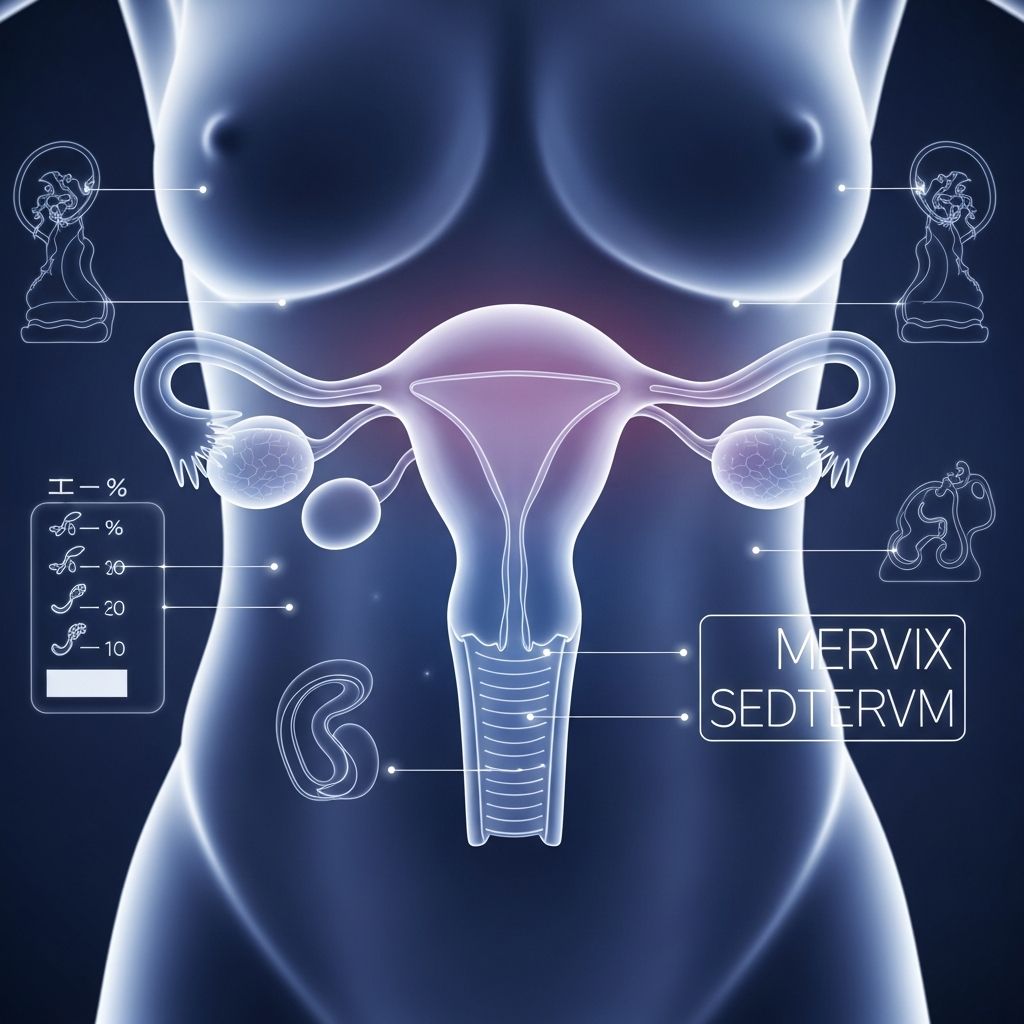
Understanding Hysterectomy: A Comprehensive Guide
A hysterectomy is a surgical procedure in which the uterus, commonly known as the womb, is removed. This major operation is one of the most frequently performed gynecological surgeries, with approximately 300,000 procedures conducted annually in the United States. It remains the second most common surgery among women, following only cesarean section delivery. Understanding the various aspects of this procedure—from the reasons it may be recommended to the different surgical techniques available—can help patients make informed decisions about their healthcare.
What Is a Hysterectomy?
The uterus is the reproductive organ where a fetus develops during pregnancy. During a hysterectomy, this organ is surgically removed through an abdominal incision or other minimally invasive approaches. The procedure often extends beyond simple uterine removal, as surgeons may also remove the cervix, ovaries, and fallopian tubes depending on the clinical circumstances and reasons for surgery.
When the cervix is removed along with the uterus, the procedure is termed a total hysterectomy. If only the upper portion of the uterus is removed while leaving the cervix intact, it is called a supracervical or subtotal hysterectomy. In cases of cancer, a radical hysterectomy may be performed, which involves removing the uterus, cervix, surrounding tissue, and the upper portion of the vagina. Additionally, the surgeon may perform an oophorectomy to remove the ovaries or a salpingectomy to remove the fallopian tubes, depending on the patient’s specific medical needs.
Why Is a Hysterectomy Performed?
Hysterectomies are recommended for various medical conditions. In most cases involving non-cancerous conditions, the procedure is considered only after conservative treatments have failed to provide relief. The primary reasons for hysterectomy include:
– Uterine fibroids, which are noncancerous growths that can cause pain, heavy bleeding, and other complications- Uterine prolapse, a condition where the uterus descends into the vaginal canal- Cancer affecting the uterus, cervix, or ovaries- Endometriosis, where tissue grows outside the uterus- Adenomyosis, characterized by tissue growing into the uterine wall, causing thickening and severe menstrual pain- Abnormal or excessive vaginal bleeding that does not respond to other treatments- Chronic pelvic pain that persists despite conservative management- Uterine polyps that recur despite previous removal- Hyperplasia, in which the uterine lining becomes abnormally thick- Gender affirmation purposes
Among these indications, uterine fibroids represent the most common reason for undergoing hysterectomy surgery.
Types of Hysterectomy Procedures
The extent of tissue removal during a hysterectomy varies based on the underlying medical condition and the surgeon’s clinical judgment. Understanding these variations is essential for patients to comprehend what their procedure will entail.
Supracervical or Subtotal Hysterectomy
This procedure removes only the upper portion of the uterus while preserving the cervix. This approach may be preferred in certain clinical situations where cervical preservation is beneficial.
Total Hysterectomy
A total hysterectomy involves removal of the entire uterus and cervix. This is one of the most commonly performed variations of the procedure and represents a complete removal of the main reproductive organ.
Related Stories



Radical Hysterectomy
This extensive procedure removes the entire uterus, cervix, surrounding connective tissue on the sides of the uterus, and the upper portion of the vagina. Radical hysterectomy is typically reserved for cases where cancer is present, as it allows for more comprehensive removal of potentially affected tissues.
Total Hysterectomy with Bilateral Salpingectomy-Oophorectomy
When the surgeon removes the entire uterus, both fallopian tubes, and both ovaries, the complete procedure is referred to as a total hysterectomy and bilateral salpingectomy-oophorectomy. The removal of ovaries may be particularly relevant in cases of ovarian cancer or when ovarian preservation could complicate treatment.
Surgical Techniques and Approaches
The method by which a hysterectomy is performed significantly impacts recovery time, scarring, and potential complications. Surgeons select the appropriate technique based on their experience, the indication for surgery, the patient’s overall health status, and specific anatomical considerations.
Open Surgery: Abdominal Hysterectomy
The abdominal hysterectomy is a traditional open surgery approach and accounts for approximately 54% of hysterectomies performed for non-cancerous conditions. During this procedure, the surgeon makes a substantial incision, typically measuring 5 to 7 inches in length. This incision may be oriented vertically or horizontally across the abdomen, depending on the surgeon’s preference and clinical circumstances.
Through this incision, the surgeon directly visualizes and removes the uterus. Following an abdominal hysterectomy, patients typically spend 2 to 3 days in the hospital for recovery and monitoring. While this approach provides direct visualization and is effective for complex cases, it results in a permanent, visible scar at the incision site.
Minimally Invasive Procedures
Advances in surgical technology have introduced several minimally invasive approaches that reduce trauma to surrounding tissues and offer potential advantages in terms of recovery time and patient comfort.
Vaginal Hysterectomy
In this technique, the surgeon makes an incision within the vagina and removes the uterus through this internal approach. The incision is then closed, leaving no visible external scar. This method is particularly suitable for patients without significant pelvic pathology or adhesions.
Laparoscopic Hysterectomy
Laparoscopic hysterectomy utilizes a laparoscope, which is a thin tube equipped with a lighted camera at its tip. The surgeon makes several small incisions in the abdomen or, in single-site laparoscopic procedures, makes one small incision through the bellybutton. Surgical instruments are inserted through these minimal incisions, and the surgeon controls the procedure while viewing the operative field on a video monitor. This technique significantly reduces tissue trauma compared to open surgery.
Laparoscopic-Assisted Vaginal Hysterectomy
This hybrid approach combines laparoscopic instrumentation with vaginal removal of the uterus. The surgeon uses laparoscopic tools inserted through abdominal incisions to assist with dissection and mobilization of tissues, while the uterus is ultimately removed through a vaginal incision.
Robot-Assisted Laparoscopic Hysterectomy
Robot-assisted hysterectomy represents the most advanced minimally invasive approach. The surgeon operates a sophisticated robotic system from outside the patient’s body, controlling specialized surgical instruments with enhanced capabilities. This technology provides three-dimensional visualization of the surgical field and allows the surgeon to use natural wrist movements with greater precision and dexterity than conventional laparoscopic instruments. Research indicates that robotic hysterectomy patients experience faster recovery times compared to traditional laparoscopic approaches, with mean recovery times approximately one day shorter than laparoscopic procedures.
Recovery and Hospital Stay
Recovery time varies depending on the surgical approach employed. Open abdominal hysterectomy typically requires a hospital stay of 2 to 3 days. Minimally invasive procedures generally result in shorter hospital stays and faster overall recovery. For laparoscopic procedures, mean recovery times range from 2 to 7 days, while robot-assisted procedures demonstrate mean recovery times of 2 to 6 days. Patients undergoing vaginal hysterectomy may have even shorter recovery periods. Full recovery and return to normal activities typically takes several weeks to months, depending on the individual’s healing response and the complexity of the procedure.
Risks and Considerations
Like all surgical procedures, hysterectomy carries potential risks and complications. The specific risks depend on the surgical approach, the patient’s overall health status, and underlying medical conditions. Important preoperative considerations include informing your surgeon if you smoke, as smoking can impair wound healing and increase complication risk. Additionally, it is crucial to disclose any history of adverse reactions to anesthesia. While minimally invasive techniques generally carry lower complication rates than open surgery, the risk profile for robotic-assisted procedures remains comparable to other laparoscopic approaches. Your surgeon will thoroughly review your medical history and discuss individual risk factors during the preoperative consultation.
Benefits and Outcomes
When appropriately indicated, hysterectomy can provide substantial benefits. For patients with cancer, the procedure can be lifesaving by removing malignant tissue. For women suffering from debilitating symptoms such as severe pain, excessive bleeding, or prolapse, hysterectomy can provide significant symptom relief and substantially improve quality of life. The choice of surgical technique should balance the desire for minimal invasiveness with the need for effective treatment of the underlying condition.
Preparing for Your Hysterectomy
Thorough preoperative preparation is essential for optimal surgical outcomes. Your healthcare team will provide specific preoperative instructions, which typically include fasting requirements before anesthesia, medication adjustments, and laboratory testing. Discussing your complete medical history, current medications, and any concerns with your surgical team ensures that the procedure is customized to your individual needs and that potential complications are minimized.
Life After Hysterectomy
Following hysterectomy, women will no longer menstruate and cannot become pregnant. Depending on whether the ovaries were removed, some patients may experience menopausal symptoms. Hormone replacement therapy may be considered in certain cases. Most women can return to normal activities including work and exercise within several weeks to a few months, depending on the type of procedure and individual healing. Sexual function typically returns to normal after adequate healing, though some women may require an adjustment period.
Frequently Asked Questions
Q: Is hysterectomy necessary for all gynecological conditions?
A: No. Hysterectomy is typically considered only after conservative treatments have proven ineffective. Your physician will discuss all available treatment options before recommending surgical intervention.
Q: What is the difference between the types of hysterectomy procedures?
A: The primary differences relate to which structures are removed. A total hysterectomy removes the uterus and cervix, while a supracervical hysterectomy preserves the cervix. A radical hysterectomy extends the removal to include surrounding tissues and is typically reserved for cancer treatment.
Q: Which surgical approach has the shortest recovery time?
A: Robot-assisted laparoscopic hysterectomy generally offers the fastest recovery among minimally invasive approaches, with some studies showing recovery times approximately one day shorter than traditional laparoscopic procedures.
Q: Will I need hormone replacement therapy after hysterectomy?
A: This depends on whether your ovaries were removed. If your ovaries are retained, hormone replacement is typically not necessary. If both ovaries are removed, hormone replacement therapy may be considered to manage menopausal symptoms.
Q: When can I return to normal activities after hysterectomy?
A: Recovery timelines vary by surgical approach and individual factors. Generally, patients can gradually return to normal activities within 2 to 8 weeks, with full recovery taking up to several months.
References
- The Different Types of Hysterectomy and Their Benefits — WebMD. 2024. https://www.webmd.com/women/hysterectomy
- What is Robotic Hysterectomy and How Does it Compare to Other Hysterectomies — Women’s Pelvic Surgery. 2024. https://www.womenspelvicsurgery.com/blog/what-is-robotic-hysterectomy-and-how-does-it-compare-to-other-hysterectomies
- Hysterectomy: Patient-Oriented Guide — Johns Hopkins University Press. 2024. https://www.press.jhu.edu/books/title/10859/hysterectomy
- Total Laparoscopic Hysterectomy with Laparoscopic Uterosacral Ligament Suspension — Johns Hopkins University Research. 2024. https://pure.johnshopkins.edu/en/publications/total-laparoscopic-hysterectomy-with-laparoscopic-uterosacral-lig-4/
Similar Articles








Read full bio of Sneha Tete