Hysterosalpingogram (HSG): Procedure, Recovery & Results
Complete guide to HSG testing: Understanding the X-ray procedure for fertility diagnosis and evaluation.
Understanding Hysterosalpingogram (HSG)
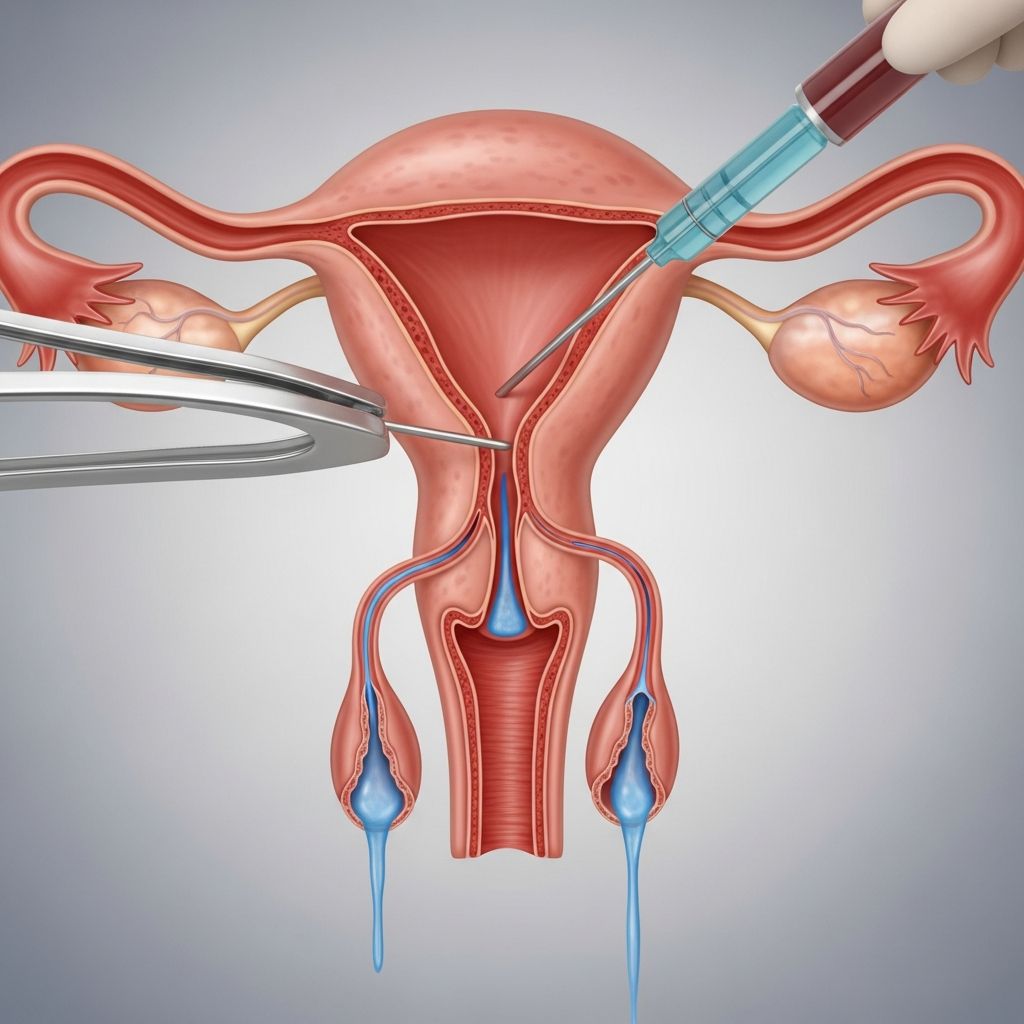
A hysterosalpingogram (HSG) is an X-ray dye test that provides valuable insight into your reproductive anatomy. During this procedure, a special contrast dye fills your uterine cavity and fallopian tubes, creating a detailed outline that appears clearly on X-ray images. This diagnostic tool has been used for decades to help healthcare providers identify fertility-related issues and develop appropriate treatment plans.
The HSG procedure serves as a window into your reproductive system, allowing physicians to assess the structural integrity of your uterus and determine whether your fallopian tubes are patent (open) or blocked. By visualizing how the contrast dye flows through your reproductive organs, medical professionals can identify abnormalities that may be preventing conception.
What is a Hysterosalpingogram?
A hysterosalpingogram is a fluoroscopic imaging procedure that combines X-ray technology with contrast dye injection. The term itself derives from three components: “hystero” referring to the uterus, “salpingo” referring to the fallopian tubes, and “gram” indicating an image or recording. This diagnostic test captures real-time moving X-ray images as the contrast dye travels through your reproductive tract.
During the procedure, a radiologist, gynecologist, or reproductive endocrinologist will inject a specialized contrast dye solution through your cervix into your uterus. As the dye fills your uterine cavity and passes into your fallopian tubes, X-ray equipment captures sequential images showing the pathway of the dye. After the procedure, a radiologist reviews the X-rays and prepares a detailed report for your physician.
Why Would Your Doctor Recommend an HSG?
Your healthcare provider may recommend an HSG if you’re experiencing difficulty conceiving or have a history of recurrent miscarriages. This test is particularly valuable for identifying specific fertility obstacles that can be addressed through targeted treatments.
HSG testing provides critical diagnostic information in several situations:
– Unexplained infertility or difficulty achieving pregnancy after one year of unprotected intercourse- Recurrent pregnancy loss or miscarriage- Suspected blocked or damaged fallopian tubes- History of pelvic surgery, endometriosis, or sexually transmitted infections- Evaluation before fertility treatments like in vitro fertilization (IVF)- Assessment of uterine cavity shape and structure- Detection of uterine polyps, fibroids, or scarring
How HSG Works: The Procedure Explained
Understanding the HSG procedure helps you know what to expect and reduces anxiety about the testing process. The entire procedure typically takes less than five minutes from start to finish, though preparation and positioning may add a few additional minutes.
Preparation Steps
Before your HSG begins, the radiologist will have you change into a hospital gown and empty your bladder completely. You’ll be positioned on the examination table with your legs in stirrups, similar to a gynecological examination position. This positioning provides the radiologist with optimal access to your cervix and allows for proper visualization of your reproductive organs on the X-ray.
Related Stories



The Injection Process
Once you’re positioned, the radiologist will insert a speculum to visualize your cervix, then gently cleanse the cervical area with antiseptic soap. A thin, flexible catheter is carefully inserted through your cervix into your uterine cavity. The radiologist then injects the contrast dye solution through this catheter, allowing it to flow into your uterus and subsequently into your fallopian tubes.
As the dye fills your reproductive organs, it creates a distinct outline visible on X-ray images. The contrast material is specifically formulated to be radiopaque, meaning it appears white or light-colored on X-rays, creating a stark contrast against the darker background of your body tissues.
Image Capture and Monitoring
The radiologist continuously monitors the dye’s movement using real-time fluoroscopic imaging. You may be asked to change positions during the procedure to ensure complete visualization of your uterus and fallopian tubes from different angles. This dynamic monitoring reveals crucial information about whether the dye flows freely through open tubes or encounters blockages.
Once sufficient X-ray images have been captured, the radiologist removes the catheter from your body without reinserting the speculum. The procedure is then complete.
Optimal Timing for HSG Testing
The timing of your HSG procedure is important for both safety and diagnostic accuracy. Your healthcare provider will schedule your HSG during a specific window in your menstrual cycle—typically between day six and day twelve following the first day of menstrual bleeding.
This timing is crucial because it:
– Occurs after your period has ended but before ovulation occurs- Minimizes the possibility that you might be pregnant during the procedure- Reduces the chance that you’ll be menstruating during testing- Ensures optimal visualization of your reproductive organs- Allows your provider to confirm you’re not pregnant using luteinizing hormone (LH) testing if you track these levels
What HSG Can and Cannot Diagnose
What HSG Can Detect
The HSG procedure provides valuable diagnostic information about several aspects of your reproductive anatomy:
– Whether your fallopian tubes are open, patent, and unobstructed- The location and extent of fallopian tube blockages- The shape and structure of your uterine cavity- Abnormalities in uterine shape, such as a septate uterus or bicornuate uterus- Presence of certain uterine abnormalities like some polyps or fibroids- Scarring or adhesions within the uterine cavity- Whether dye spills into the peritoneal cavity, confirming at least one patent tube
Modern Alternatives and Limitations
It’s important to note that modern medicine has evolved significantly. Today, HSG is primarily used to determine if fallopian tubes are open, as other more sophisticated and comprehensive tests have been developed to evaluate uterine anatomy in greater detail. Sonohysterography, which uses ultrasound instead of X-rays, often provides superior visualization of uterine abnormalities like polyps and tumors. However, HSG remains the gold standard for assessing fallopian tube patency.
Preparation Guidelines Before Your HSG
Proper preparation ensures your procedure proceeds smoothly and helps minimize discomfort. Your healthcare provider will give you specific instructions tailored to your individual situation, but general preparation typically includes:
– Arranging transportation home after the procedure, as you may experience cramping that makes driving uncomfortable- Taking a pain reliever such as ibuprofen (600 mg) approximately 30 minutes before your appointment- Emptying your bladder completely before the procedure begins- Informing your provider of any allergies, particularly to contrast dye or iodine- Avoiding tampon use and sexual intercourse for 48 hours before the procedure- Scheduling the procedure at an appropriate time in your menstrual cycle- Discussing any medications you’re taking with your healthcare provider
Your provider will also review your medical history to ensure you’re an appropriate candidate for HSG. They’ll confirm that you’re not pregnant and check for any contraindications or special considerations.
Understanding the Results
What Open Fallopian Tubes Mean
If your HSG images show contrast dye flowing smoothly through your fallopian tubes and spilling into your peritoneal cavity, this indicates that your tubes are open and patent. Open fallopian tubes allow sperm to travel through them to fertilize an egg, and they permit the fertilized embryo to travel to your uterus for implantation and development. This finding is positive news for natural conception prospects.
What Blocked Fallopian Tubes Mean
If the X-ray images show that the contrast dye meets a barrier and cannot flow through your fallopian tubes, this indicates blockage. Blocked fallopian tubes are a leading cause of female infertility, affecting approximately 20-25% of women with infertility issues. The blockage may be partial or complete and can occur in one or both tubes.
When blockages are identified, your healthcare provider may recommend additional diagnostic procedures such as laparoscopy to further evaluate the problem and determine the cause and extent of the blockage. Alternatively, they may recommend fertility treatments that bypass the need for open fallopian tubes, such as in vitro fertilization (IVF).
Recovery and Aftercare
Immediate Post-Procedure Experience
The recovery from HSG is straightforward since it’s a minimally invasive procedure. You’ll be able to return home the same day, though having someone drive you is recommended due to potential cramping. Most people feel well enough to resume normal activities the following day.
What to Expect After HSG
It’s normal to experience mild to moderate cramping and light spotting for up to 48 hours after the procedure. Some people experience more discomfort than others, depending on factors such as uterine sensitivity and whether blockages are present. Over-the-counter pain relievers can help manage discomfort. The spotting is typically minimal and represents just light bleeding from the cervix.
You should contact your healthcare provider if you experience:
– Heavy vaginal bleeding- Severe cramping that doesn’t improve with pain medication- Fever or signs of infection- Unusual discharge- Persistent pelvic pain
Safety and Risks Associated with HSG
Radiation Exposure
HSG uses radiation to capture X-ray images, but the amount of radiation exposure is minimal and considered safe. The brief exposure during this diagnostic procedure does not pose significant health risks, and the diagnostic benefits of the procedure generally outweigh any theoretical radiation concerns.
Potential Complications
Complications from HSG are rare, and the procedure is generally considered safe. However, as with any medical procedure, some risks exist:
– Infection (very rare, typically prevented by proper sterile technique)- Perforation of the uterus (extremely rare)- Allergic reaction to the contrast dye (uncommon, especially with modern contrast solutions)- Severe cramping or pelvic pain- Vasovagal reaction (fainting)
Your healthcare provider will discuss any risks specific to your situation during your pre-procedure consultation. Before the procedure, you’ll be asked about allergies, particularly to contrast dye or iodine, to minimize the risk of allergic reactions.
HSG as a Therapeutic Procedure
Interestingly, HSG sometimes serves a therapeutic function beyond diagnosis. In some cases, the pressure and flow of the contrast dye can help clear minor blockages in the fallopian tubes. This therapeutic flushing effect can slightly increase the chances of conception in the cycle following the procedure for women with partial blockages or debris in their tubes. However, HSG should not be relied upon as a treatment for blocked tubes—its primary purpose remains diagnostic.
Next Steps After Your HSG Results
After your HSG procedure, your radiologist will discuss preliminary results with you, and a detailed report will be sent to your referring physician within one business day. Your gynecologist or reproductive endocrinologist will review these results with you and discuss appropriate next steps based on your findings.
If your HSG results are normal with open fallopian tubes and a normal uterine cavity, your provider may recommend:
– Continued attempts at natural conception- Further evaluation of male factor infertility- Evaluation for ovulation disorders- Lifestyle modifications to optimize fertility
If your HSG reveals blockages or abnormalities, your provider may recommend:
– Additional diagnostic procedures like laparoscopy or hysteroscopy- Surgical interventions to clear blockages or address abnormalities- Fertility treatments such as IVF that don’t require patent fallopian tubes- Referral to a reproductive endocrinologist for specialized fertility care
HSG and Fertility Treatment Planning
For women pursuing fertility treatments, HSG serves as an essential preliminary evaluation. Before beginning IVF or other assisted reproductive techniques, your fertility specialist will typically order an HSG to evaluate your uterine cavity and document that your fallopian tubes are open. This information helps your fertility team develop an appropriate treatment plan and identify any anatomical factors that might affect treatment outcomes.
Frequently Asked Questions About HSG
Q: How long does the HSG procedure take?
A: The actual HSG procedure takes less than five minutes. However, including preparation and positioning, you should plan for approximately 15-30 minutes total. You’ll be able to return home the same day.
Q: Does HSG hurt?
A: HSG can cause cramping and discomfort, but most people find it tolerable. Taking ibuprofen 30 minutes before the procedure can help reduce discomfort. Many patients report that the procedure was less painful than anticipated. Pain levels vary based on individual sensitivity and whether any blockages are present.
Q: Can I get pregnant after HSG?
A: Yes, you can attempt conception in the cycle following your HSG. Some women actually have slightly increased chances of conception immediately after HSG, possibly due to the therapeutic flushing effect of the contrast dye clearing minor blockages or debris.
Q: Who should not have an HSG?
A: You should not have an HSG if you’re pregnant or if you have an active pelvic infection. Additionally, women with known severe allergies to contrast dye or iodine should inform their provider. Your healthcare team will review contraindications during your pre-procedure consultation.
Q: What happens if my HSG shows blocked tubes?
A: If HSG reveals blocked fallopian tubes, your provider may recommend additional diagnostic procedures like laparoscopy or surgical intervention to clear the blockages. Alternatively, you may be offered fertility treatments like IVF that don’t require open fallopian tubes.
Q: How is HSG different from sonohysterography?
A: HSG uses X-rays and contrast dye to visualize reproductive anatomy, with particular strength in assessing fallopian tube patency. Sonohysterography uses ultrasound and saline solution instead of contrast dye and provides superior visualization of uterine abnormalities like polyps and fibroids, though its usefulness in assessing fallopian tube openness is more limited.
References
- Hysterosalpingogram (HSG): Procedure, Recovery & Results — Cleveland Clinic. 2022-01-08. https://my.clevelandclinic.org/health/diagnostics/22254-hysterosalpingogram
- How Hysterosalpingography Works & What to Expect — Iowa Radiology. https://info.iowaradiology.com/how-hysterosalpingography-work-and-what-to-expect
- Hysterosalpingography (HSG) – Procreate Fertility Center of Virginia — Procreate Fertility Center. https://procreatefertility.com/hysterosalpingography-hsg/
- Female Infertility: Causes, Symptoms, Diagnosis & Treatment — Cleveland Clinic. https://my.clevelandclinic.org/health/diseases/17774-female-infertility
- Fallopian Tubes: Location, Anatomy, Function & Conditions — Cleveland Clinic. https://my.clevelandclinic.org/health/body/23184-fallopian-tubes
- In Vitro Fertilization (IVF) Treatment & Process — Cleveland Clinic. https://my.clevelandclinic.org/departments/fertility/lab/ivf-procedures
Similar Articles








Read full bio of Sneha Tete