Hysteroscopy: Diagnosis and Treatment of Uterine Conditions
Understanding hysteroscopy: A minimally invasive procedure for diagnosing and treating uterine conditions.
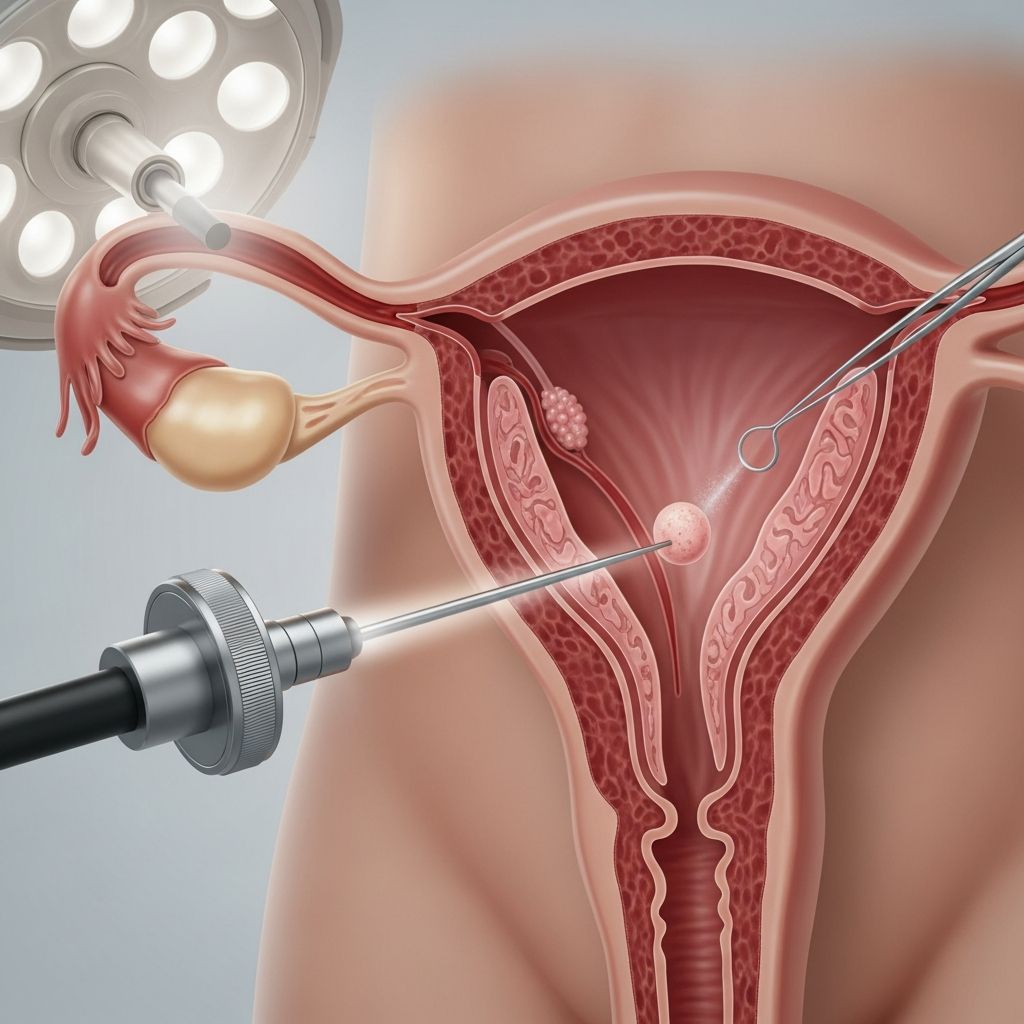
Hysteroscopy: A Minimally Invasive Approach to Uterine Diagnosis and Treatment
A hysteroscopy is a surgical procedure that allows physicians to examine and treat conditions affecting the inside of the uterus using a thin, lighted instrument called a hysteroscope. This minimally invasive approach enables doctors to visualize the uterine cavity, diagnose abnormalities, and perform therapeutic interventions without requiring large external incisions. The procedure has become an essential tool in gynecological medicine for managing a variety of uterine conditions that affect women’s health and quality of life.
What Is a Hysteroscope?
A hysteroscope is a specialized medical instrument consisting of a thin, hollow tube equipped with a light source and a small camera (endoscope). The instrument is designed to be inserted through the vagina and cervix to provide direct visualization of the uterine cavity. Modern hysteroscopes come in two main designs: rigid hysteroscopes, which are preferred for operative procedures due to their superior optics and image quality, and flexible hysteroscopes, which allow for easier navigation and better access to difficult anatomical areas. The camera transmits real-time images to a monitor, allowing the surgeon to visualize the uterine lining, fallopian tube openings, and any abnormal growths or structural issues with precision.
Why Hysteroscopy Is Performed
Hysteroscopy serves both diagnostic and therapeutic purposes in gynecological practice. Physicians recommend this procedure when patients present with specific symptoms or when imaging studies suggest potential uterine pathology.
Diagnostic Indications
Diagnostic hysteroscopy is performed to investigate and identify the underlying causes of various gynecological symptoms. Common reasons for diagnostic hysteroscopy include:
- Unexplained or abnormal vaginal bleeding
- Heavy menstrual bleeding or menorrhagia
- Irregular bleeding between periods
- Bleeding after menopause
- Infertility or difficulty conceiving
- Recurrent miscarriages
- Suspected fibroids or polyps
- Thickened uterine lining detected on ultrasound
- Locating a missing intrauterine device (IUD) or coil
During a diagnostic hysteroscopy, the physician carefully examines the entire uterine cavity, evaluates the integrity of the uterine lining (endometrium), and assesses the patency and appearance of the fallopian tubes.
Therapeutic Interventions
Operative hysteroscopy enables physicians to treat identified uterine conditions during the same procedure, often eliminating the need for a second surgery. Therapeutic applications include:
- Removal of uterine fibroids (myomas) located within the uterine cavity
- Removal of endometrial polyps
- Division of uterine adhesions (Asherman’s syndrome)
- Removal of uterine septa or other congenital abnormalities
- Endometrial ablation for heavy menstrual bleeding
- Removal of retained intrauterine devices
- Placement of permanent contraceptive devices in the fallopian tubes
- Collection of tissue samples (biopsies) for pathological examination
Types of Hysteroscopy Procedures
Hysteroscopy procedures are classified into two main categories based on their purpose and scope:
Diagnostic Hysteroscopy
This procedure is performed to visualize and evaluate the uterine cavity without performing any therapeutic interventions. Diagnostic hysteroscopy typically requires only mild to moderate anesthesia, as the procedure is less invasive and shorter in duration. It serves as an important investigative tool for identifying structural abnormalities, evaluating the presence of fibroids or polyps, and assessing uterine patency. Many diagnostic hysteroscopies are performed in office settings with minimal sedation, making them convenient for patients.
Operative Hysteroscopy
Operative hysteroscopy combines diagnostic visualization with therapeutic treatment. During this procedure, specialized instruments are passed through the hysteroscope to remove abnormalities, ablate tissue, or collect samples. Operative hysteroscopy typically requires general or regional anesthesia due to the increased complexity and duration of the procedure. The advantage of combining diagnostic and operative components is that patients avoid the need for multiple surgical procedures and can have their condition treated immediately upon diagnosis.
Related Stories



The Hysteroscopy Procedure: Step-by-Step
Pre-Procedure Preparation
Before undergoing hysteroscopy, patients should understand what to expect and discuss any concerns with their healthcare provider. Pre-operative instructions typically include:
- Fasting for several hours before the procedure if general anesthesia is planned
- Arranging for transportation, as patients cannot drive after receiving anesthesia
- Confirming that they are not pregnant (a pregnancy test may be performed)
- Informing the physician about current medications and allergies
- Signing consent forms acknowledging understanding of the procedure and potential risks
Anesthesia Administration
The type of anesthesia used depends on the nature and complexity of the procedure. Diagnostic hysteroscopy often requires only regional anesthesia with mild sedation, allowing patients to be relaxed but conscious or lightly sedated. A local anesthetic may be applied to the cervix to minimize discomfort. In contrast, operative hysteroscopy typically requires general anesthesia, where the patient is completely unconscious and pain-free throughout the procedure. The anesthesiologist monitors vital signs and ensures patient safety throughout the procedure.
Patient Positioning and Cervical Access
The patient is positioned in the lithotomy position, similar to that used during a pelvic examination or pap smear, with legs supported in stirrups. The vagina and cervix are thoroughly cleaned with an antiseptic solution. A speculum is inserted into the vagina to visualize the cervical opening. The healthcare provider may gently place a tenaculum on the cervix to stabilize it and facilitate instrument passage. To allow passage of the hysteroscope, the cervix must be gently dilated using progressive dilators of increasing size.
Hysteroscope Insertion and Uterine Evaluation
Once the cervix is adequately dilated, the hysteroscope is carefully inserted through the cervical canal into the uterine cavity. A clear medium, typically normal saline (sterile salt water), is infused through the hysteroscope to distend the uterus and improve visualization of the uterine lining. The surgeon slowly advances the hysteroscope while examining all areas of the uterine cavity, including the fundus (top of the uterus), lateral walls, and areas near the fallopian tube openings. The camera provides real-time magnified images displayed on a monitor, allowing precise identification of any abnormalities.
Diagnostic Findings and Treatment
During the hysteroscopic examination, the physician systematically evaluates the endometrial surface, noting the color, texture, and vascularity of the uterine lining. Any structural abnormalities, such as fibroids, polyps, adhesions, or septa, are identified and characterized. If operative intervention is planned or indicated, specialized instruments such as scissors, graspers, electrosurgical loops, or ablation devices are carefully passed through the hysteroscope to treat identified pathology. Tissue samples may be collected for histopathological examination. The procedure is performed with precision to minimize trauma to surrounding healthy tissue.
Completion and Recovery
Once the procedure is complete, the hysteroscope is carefully withdrawn, and the infusion fluid drains from the uterus. Patients are transferred to the recovery room where nursing staff monitors vital signs and provides post-operative care. Most patients recover quickly from anesthesia effects, though they should not eat or drink immediately after the procedure. Recovery typically occurs within 1-2 hours, allowing most patients to go home the same day.
Benefits of Hysteroscopy
Hysteroscopy offers several significant advantages over alternative diagnostic and treatment approaches:
- Minimally Invasive: Unlike traditional abdominal surgery, hysteroscopy requires no external incisions, reducing trauma to surrounding tissues and resulting in faster recovery.
- Direct Visualization: The procedure provides direct, magnified visualization of the uterine cavity, enabling accurate diagnosis and targeted treatment.
- Combined Diagnosis and Treatment: Diagnostic and operative components can be performed simultaneously, eliminating the need for multiple surgeries.
- Precision: Surgeons can precisely locate and remove abnormalities without damaging healthy tissue.
- Short Recovery Time: Most patients experience minimal post-operative pain and can return to normal activities within a few days.
- Outpatient Procedure: The procedure can typically be performed in an outpatient setting, reducing healthcare costs and inconvenience.
Possible Risks and Complications
While hysteroscopy is considered a safe procedure with complication rates below 1%, patients should be aware of potential risks. Possible complications may include:
- Uterine perforation (accidental puncturing of the uterine wall)
- Cervical laceration or perforation
- Excessive bleeding
- Infection
- Allergic reaction to anesthesia
- Fluid overload or hyponatremia (from excessive absorption of irrigating fluid)
- Disseminated intravascular coagulation (rare)
Most complications are minor and resolve without intervention. Serious complications requiring hospitalization or additional treatment occur in less than 1% of procedures. Patients should discuss their individual risk factors with their healthcare provider before the procedure.
Recovery and Post-Operative Care
After hysteroscopy, patients can expect a relatively quick recovery. Immediately after the procedure, patients may experience mild cramping, similar to menstrual cramps, and light vaginal spotting or discharge. These symptoms typically resolve within a few days. Patients should:
- Avoid strenuous activity and heavy lifting for one week
- Avoid sexual intercourse for one week or as advised by the physician
- Use sanitary pads instead of tampons for the first week
- Take over-the-counter pain relievers as needed for cramping
- Contact their physician if they experience heavy bleeding, severe pain, fever, or signs of infection
Most patients can return to light activities within a few days and resume normal routines within one to two weeks. Recovery times may vary depending on the complexity of the procedure and individual healing responses.
Frequently Asked Questions
Q: Is hysteroscopy painful?
A: Diagnostic hysteroscopy performed under local anesthesia with mild sedation should not be painful, though some patients experience mild discomfort. Operative hysteroscopy under general anesthesia is pain-free. Mild cramping is common after the procedure, similar to menstrual cramps.
Q: How long does a hysteroscopy take?
A: Diagnostic hysteroscopy typically takes 5-30 minutes, depending on the complexity of the examination. Operative hysteroscopy may take 30 minutes to over an hour, depending on the extent of treatment required.
Q: Can hysteroscopy affect fertility?
A: Hysteroscopy is often used to diagnose and treat conditions that may affect fertility, such as adhesions, fibroids, or polyps. The procedure itself does not typically affect fertility; rather, treating underlying conditions may improve fertility outcomes.
Q: When should hysteroscopy be performed during the menstrual cycle?
A: Hysteroscopy is ideally performed during the follicular phase of the menstrual cycle (days 1-10), when the endometrium is thin and visualization is optimal. However, the timing may vary depending on the clinical indication.
Q: Is hysteroscopy safe for women with contraindications?
A: Certain conditions may preclude hysteroscopy, including active pelvic infection, cervical cancer, or confirmed pregnancy. Patients with specific medical conditions should discuss their suitability for the procedure with their healthcare provider.
References
- Hysteroscopy — American College of Obstetricians and Gynecologists (ACOG). 2024. https://www.acog.org/womens-health/faqs/hysteroscopy
- Hysteroscopy — National Health Service (NHS). 2024. https://www.nhs.uk/tests-and-treatments/hysteroscopy/
- Hysteroscopy: Purpose, Procedure, Risks & Recovery — Cleveland Clinic. 2024. https://my.clevelandclinic.org/health/treatments/10142-hysteroscopy
- Hysteroscopic Procedures — Weill Cornell Medicine Fibroid and Adenomyosis Program. 2024. https://weillcornell.org/services/obstetrics-and-gynecology/fibroid-and-adenomyosis-program/our-services/hysteroscopic-procedures
- Hysteroscopy Surgery: Meaning, Procedure, Cost & Test — Prime IVF Centre. 2024. https://www.primeivfcentre.com/blog/hysteroscopy-surgery
Similar Articles








Read full bio of Sneha Tete