6-6-6 Walking Challenge: My 6-Week Results And Tips
Discover how the simple 6-6-6 walking routine transformed my stamina, energy, and daily habits over six weeks.
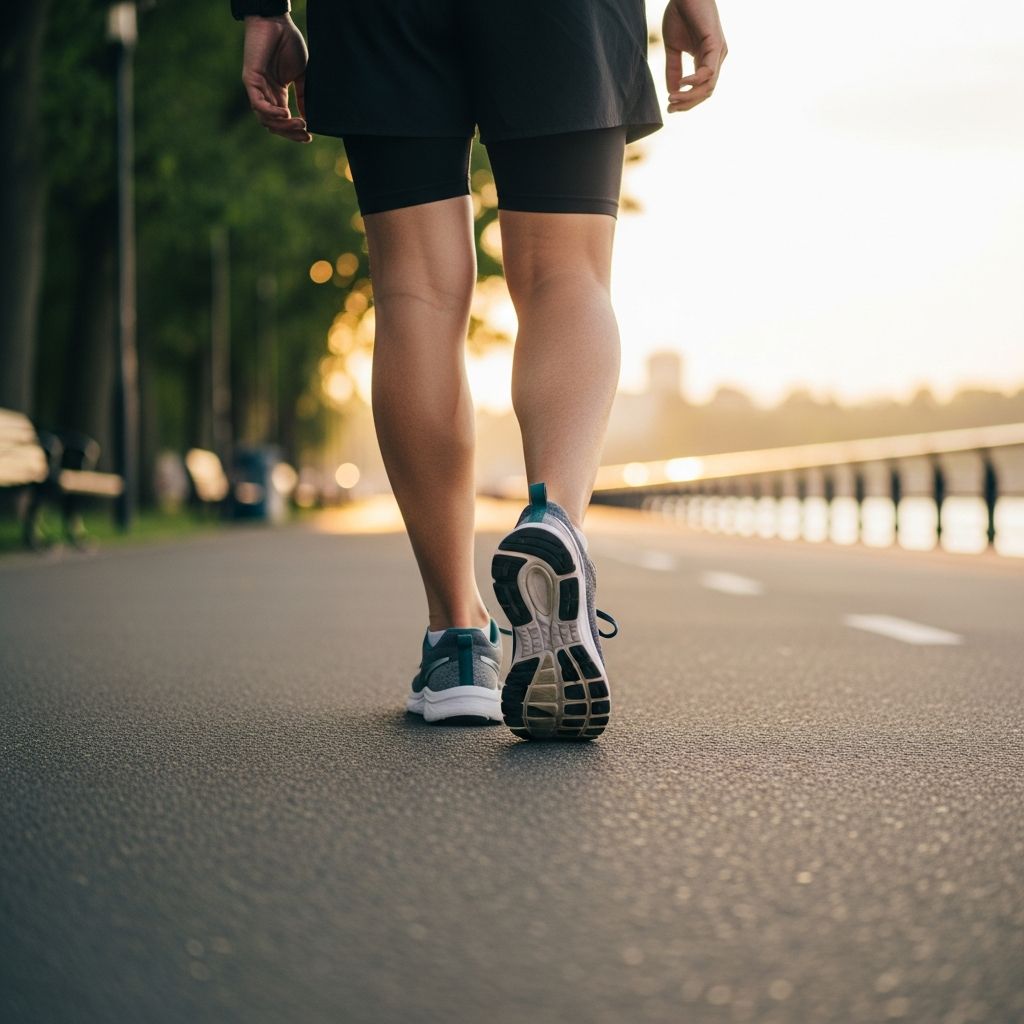
As someone who struggled with consistent exercise amid a busy schedule, I decided to test the viral 6-6-6 walking challenge. This routine promises sustainable fitness through a structured daily walk: a 6-minute warm-up, 60 minutes of brisk walking covering 6 kilometers (about 3.7 miles), a 6-minute cool-down, done 6 days a week at either 6 a.m. or 6 p.m., for 6 weeks total.
The challenge, popularized on social media, aims to build stamina and healthy habits without overwhelming intensity. Experts like Dr. Golan Nissim, a chiropractor specializing in sports medicine, note it aligns with or exceeds guidelines for moderate aerobic activity, promoting consistency over perfection.
What Is the 6-6-6 Walking Challenge?
The 6-6-6 walking challenge breaks down into six key elements, making it accessible for beginners while scalable for intermediates. It’s not about speed but steady progression to foster lifelong movement habits.
- 6-Minute Warm-Up: Start with light walking to elevate your heart rate gradually, preparing muscles and joints for activity.
- 60-Minute Brisk Walk: The core phase at a moderate pace where you can talk comfortably but feel challenged—aiming for 6 km total distance.
- 6-Minute Cool-Down: Slow to an easy pace, followed by stretches for calves, hamstrings, and hips to aid recovery and prevent tightness.
- Timing: Schedule at 6 a.m. or 6 p.m. to leverage circadian rhythms for energy boosts.
- Frequency: 6 days per week, allowing one rest day for recovery.
- Duration: Commit to 6 weeks to build momentum and notice tangible improvements.
Dr. Elizabeth Lumpkin, a clinical advisor, highlights its low-impact benefits: improved cardiovascular health, better blood sugar control, reduced joint stress compared to running, and enhanced mental clarity. For those with conditions like diabetes or arthritis, consult a doctor first, but its adaptability makes it inclusive.
Why I Wanted to Try the 6-6-6 Walking Challenge
Pre-challenge, my fitness was sporadic—weekend hikes followed by sedentary weeks. I felt low energy, poor sleep, and creeping weight gain. Scrolling TikTok, I saw testimonials of transformed stamina and mood from this challenge. At 35, with a desk job, I craved a routine that’s simple, equipment-free (just good shoes), and sustainable. The numbers—6-6-6—felt memorable and motivating, promising results without gym memberships or extreme diets.
Research backs walking’s power: the CDC recommends 150 minutes of moderate activity weekly, which this exceeds. I aimed to hit that while testing if consistency could rewire my habits.
How I Prepared for the Challenge
Preparation was minimal but crucial. I invested in supportive walking shoes to prevent blisters and shin splints. I mapped flat, well-lit routes: neighborhood paths and parks avoiding traffic. Dr. Nissim advises starting slow—20-minute sessions building to 60—for safety.
I downloaded a tracking app for distance, pace, and steps (aiming 10,000+ daily). Hydration plan: water with electrolytes pre- and post-walk. I scheduled 6 a.m. slots for morning freshness, adjusting for weather with indoor treadmill backups.
Related Stories



| Preparation Checklist | Details |
|---|---|
| Footwear | Cushioned, arch-support shoes |
| Routes | Safe, even surfaces; 6 km loop |
| Tracking | App for GPS, heart rate |
| Hydration/Nutrition | Water, electrolytes; light snack pre-walk |
| Mindset | Accountability buddy, playlist |
My 6-6-6 Walking Challenge Schedule
Daily structure was rigid yet flexible:
- 6:00 a.m. Wake-Up: Quick breakfast (oatmeal, banana).
- 6-Min Warm-Up (6:05-6:11 a.m.): Leisurely pace, arm swings.
- Main Walk (6:11-7:11 a.m.): Brisk 6 km at 6 km/h pace.
- 6-Min Cool-Down (7:11-7:17 a.m.): Slow walk + stretches.
- Rest Day: Sundays for full recovery.
Weeks 1-2: Shorter walks building endurance. Weeks 3-6: Full 60 minutes. Total weekly distance: ~36 km.
Week-by-Week Results From My 6-6-6 Challenge
Week 1: Adjustment Phase
Soreness hit calves first two days; pace averaged 5 km/h. Energy dipped post-walk but sleep improved. Covered 5 km initially.
Week 2: Building Momentum
Hit 6 km consistently. Talk test passed easily. Mood lift noticeable—less afternoon slumps.
Week 3: Breakthrough
Pace up to 6.2 km/h. Lost 1 lb; clothes looser. Craved walks for stress relief.
Week 4: Plateau Push
Added hills for variety. Stamina soared; could chat podcasts hands-free.
Week 5: Habit Formation
Missed a day—felt off. Heart rate stabilized; recovery faster with foam rolling.
Week 6: Mastery
Completed strong. Total distance: 216 km. Visible toning in legs, 4 lbs down.
Overall metrics:
| Metric | Pre-Challenge | Post-Challenge | Change |
|---|---|---|---|
| Avg. Daily Steps | 4,500 | 12,000 | +167% |
| Resting Heart Rate | 72 bpm | 64 bpm | -11% |
| Weight | 165 lbs | 161 lbs | -4 lbs |
| Sleep Quality | 6.5 hrs | 7.8 hrs | +1.3 hrs |
Benefits I Experienced
- Physical: Stronger legs, better posture, calorie burn (~300/session).
- Mental: Reduced anxiety, sharper focus.
- Lifestyle: More disciplined routine spillover to diet/work.
Aligns with studies: walking lowers blood pressure, boosts endorphins.
Challenges I Faced and How I Overcame Them
Weather: Rainy days meant treadmill. Motivation dips: Buddy check-ins, rewards. Time crunch: Woke earlier. Injury risk: Listened to body, stretched religiously per Dr. Lumpkin.
Expert Tips for Success
“Use the talk test, hydrate with electrolytes, progress 10% weekly,” — Dr. Nissim.
- Pair with music/podcasts.
- Track progress visually.
- Focus on enjoyment over perfection.
Should You Try the 6-6-6 Walking Challenge?
Yes, if seeking low-barrier fitness. Scalable, evidence-based, fun. Not for acute injuries—see doctor.
Frequently Asked Questions (FAQs)
Q: Is the 6-6-6 challenge suitable for beginners?
A: Absolutely; start shorter and build up gradually for safe progression.
Q: What if I can’t walk 6 km in 60 minutes?
A: Adjust pace or split sessions—consistency matters more than exact distance.
Q: How many calories does it burn?
A: Around 250-400 per session, depending on weight and intensity.
Q: Can I do it indoors?
A: Yes, treadmill works perfectly for bad weather.
Q: What’s next after 6 weeks?
A: Maintain 4-5 days/week or advance to 7-7-7 for variety.
References
- What is the 6-6-6 walking challenge? — Patient.info. 2024. https://patient.info/features/healthy-living/what-is-the-6-6-6-walking-challenge
- Physical Activity Guidelines for Americans. — U.S. Department of Health and Human Services (.gov). 2024-05-15. https://health.gov/our-work/nutrition-physical-activity/physical-activity-guidelines
- Walking for health. — Mayo Clinic (.org). 2025-01-10. https://www.mayoclinic.org/healthy-lifestyle/fitness/in-depth/walking/art-20046261
- Benefits of brisk walking. — Harvard T.H. Chan School of Public Health (.edu). 2024. https://www.hsph.harvard.edu/nutritionsource/what-should-you-eat/walking/
- CDC Adult Activity Guidelines. — Centers for Disease Control and Prevention (.gov). 2024-08-20. https://www.cdc.gov/physical-activity-basics/guidelines/adults.html
Similar Articles








Read full bio of Sneha Tete