I Tried the Nordic Diet in Norway: Here’s What I Learned
Discover the secrets of the Nordic diet through a real-life trial in Norway, exploring its foods, health benefits, and sustainable practices.

Embarking on a culinary adventure in Norway, I immersed myself in the
Nordic diet
, a way of eating rooted in the region’s traditional foods and sustainable practices. Similar to the Mediterranean diet, it prioritizes whole, locally sourced ingredients like seafood, berries, root vegetables, and whole grains, promoting health benefits such as reduced inflammation and improved heart health.What Is the Nordic Diet?
The
Nordic diet
originated from traditional eating patterns in Nordic countries including Norway, Denmark, Sweden, Finland, Iceland, Greenland, and the Faroe Islands. Officially recognized in 2005 by nutritionists, chefs, and scientists to combat rising obesity, it emphasizes plant-based foods, seafood, and wild-harvested ingredients over processed items.Key principles include:
- More calories from plant foods and fewer from meat.
- Increased intake of seafood and foods from lakes and seas.
- Utilizing foods from the wild countryside, like berries and roots.
Unlike strict diets, the Nordic diet serves as a flexible guideline, focusing on seasonal, local produce. It uses rapeseed (canola) oil as the primary fat source, differing from the olive oil in the Mediterranean diet.
The Nordic Nutrition Recommendations (NNR) guide it, suggesting 25–40% energy from fats, 45–60% from carbohydrates, and 10–20% from protein, with an emphasis on whole foods.
My Journey to Norway
Arriving in Oslo, I was struck by the crisp air and abundance of fresh markets. Norway’s fjords and forests provide ideal conditions for the Nordic diet’s staples. I joined locals in foraging for berries and visited fisheries, experiencing the diet’s emphasis on hyper-local sourcing firsthand.
Staying in Bergen, a seafood hub, allowed daily fresh catches. Supermarkets like those in Scandinavia placed healthy foods at eye level—fruits, veggies, and fish—while sugary items hid in the back, subtly encouraging better choices.
Foods I Ate on the Nordic Diet
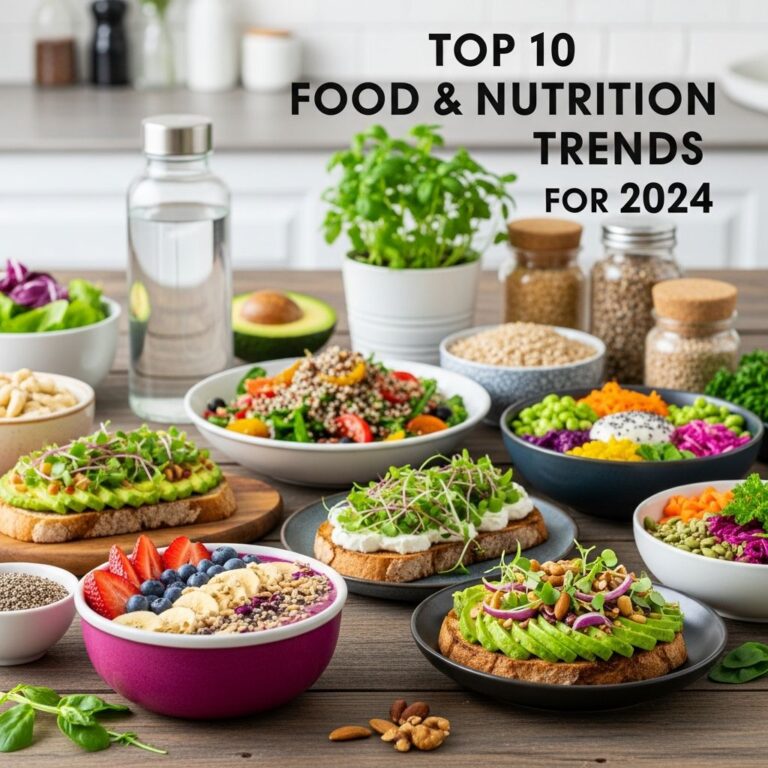
The diet revolves around nutrient-dense, anti-inflammatory foods. Here’s what filled my plates:
- Seafood: Fatty fish like salmon and mackerel, twice weekly, rich in omega-3s for heart health. Lean fish once a week.
- Berries and Fruits: Bilberries, lingonberries, cloudberries—antioxidant powerhouses. At least 500g daily of fruits, veggies, and berries.
- Vegetables: Root veggies (carrots, beets, potatoes), cabbage, and greens, providing fiber and vitamins.
- Whole Grains: Oats, rye, barley—200g high-fiber cereals daily for sustained energy and gut health.
- Healthy Fats: Rapeseed oil for cooking, offering unsaturated fats similar to olive oil.
- Dairy and Proteins: Low-fat fermented milk, yogurt, legumes, game meats like reindeer in moderation.
A typical day: Breakfast of rye bread with smoked salmon and lingonberries; lunch of root vegetable soup with barley; dinner of baked cod with cabbage and rapeseed-dressed salad.
Related Stories



Health Benefits I Experienced
After weeks on the diet, I noticed increased energy and reduced bloating. Research backs this: Studies show improvements in LDL cholesterol, blood pressure, insulin sensitivity, and inflammation markers, especially for those with metabolic syndrome.
| Benefit | Evidence | Source |
|---|---|---|
| Reduced Inflammation | Increased plasmalogens, antioxidants linked to lower diabetes risk | |
| Heart Health | Lower LDL and blood pressure | |
| Weight Management | High fiber promotes satiety | |
| Improved Microbiome | Whole grains and plants boost gut health |
For arthritis or joint pain, the anti-inflammatory whole foods further reduce symptoms. Long-term, it supports sustainability by lowering meat consumption.
Challenges and Adjustments
Not all was seamless. Berries were seasonal, requiring flexibility. Game meat’s gaminess took adjustment, but its lean protein (lower saturated fat than red meat) was worthwhile. I moderated red meat to once or twice weekly, avoiding processed items entirely.
Foods to limit: Red meat, poultry sparingly; avoid refined sugars, saturated fats, and processed foods, which inflame the body.
Sustainable and Local Sourcing in Norway
Norway excels in sustainability. Markets brimmed with local fish from fjords and wild berries. Rapeseed oil from regional crops minimized transport emissions. This reduces environmental impact, aligning with Nordic Council guidelines.
Even 7-Elevens stocked fresh produce, unlike U.S. counterparts, and checkouts offered gum over candy. Home cooking prevailed, as dining out is pricey, fostering independence.
How the Nordic Diet Compares to Others
Like the Mediterranean diet, it’s plant-forward but cooler-climate adapted: rapeseed vs. olive oil, more root veggies and fish over tomatoes. Both lower chronic disease risk via whole foods.
Versatile for pescatarians, vegetarians, or vegans by swapping with more legumes.
Tips for Adopting the Nordic Diet Anywhere
- Shop farmers’ markets for seasonal produce.
- Incorporate fatty fish 2–3 times weekly.
- Use canola oil; aim for 30g+ fiber daily.
- Experiment with rye and oats.
- Reduce sugar; choose whole over processed.
Frequently Asked Questions (FAQs)
What are the core foods of the Nordic diet?
Seafood, berries, root vegetables, whole grains like rye and oats, cabbage, and rapeseed oil.
Is the Nordic diet good for weight loss?
Yes, its high fiber and whole foods promote satiety and metabolic health, supporting sustainable weight loss.
How does it differ from the Mediterranean diet?
Main fat is rapeseed oil vs. olive oil; more emphasis on Nordic berries, roots, and cold-water fish.
Can vegetarians follow it?
Absolutely—boost legumes, grains, and dairy alternatives for protein.
What are the long-term benefits?
Lower inflammation, better lipids, blood pressure, and reduced chronic disease risk.
Final Thoughts from My Norwegian Experience
Trying the Nordic diet in Norway transformed my eating. Its simplicity—focusing on local, whole foods without overcomplication—makes it sustainable. Back home, I continue with market finds, fatty fish, and berries, feeling healthier and more connected to my food sources. This diet isn’t a fad; it’s a lifestyle echoing centuries-old wisdom for modern wellness.
References
- Nordic Diet: What Is It and What Can You Eat? — Cleveland Clinic. 2023-05-10. https://health.clevelandclinic.org/nordic-diet
- How To Eat Like a Nordic Person — TIME. 2016-02-23. https://time.com/4293048/scandinavian-diet-new-nordic-diet/
- What to Know About the Nordic Diet — Guiding Stars. 2023-01-15. https://guidingstars.com/general/what-to-know-about-the-nordic-diet/
- Healthy lifestyles of Nordic countries — Southern Oregon University. 2023-07-20. https://sou.edu/academics/honors-college-democracy-project-2023-nordic-dispatches-week-four/
- The Mediterranean and Nordic Diet: A Review of Differences — National Institutes of Health (PMC). 2021-07-14. https://pmc.ncbi.nlm.nih.gov/articles/PMC8270004/
Similar Articles








Read full bio of Sneha Tete