IBD Symptoms in Females: 6 Unique Signs Women Experience
Discover how IBD symptoms differ in women, from painful periods to fertility challenges and mental health impacts.
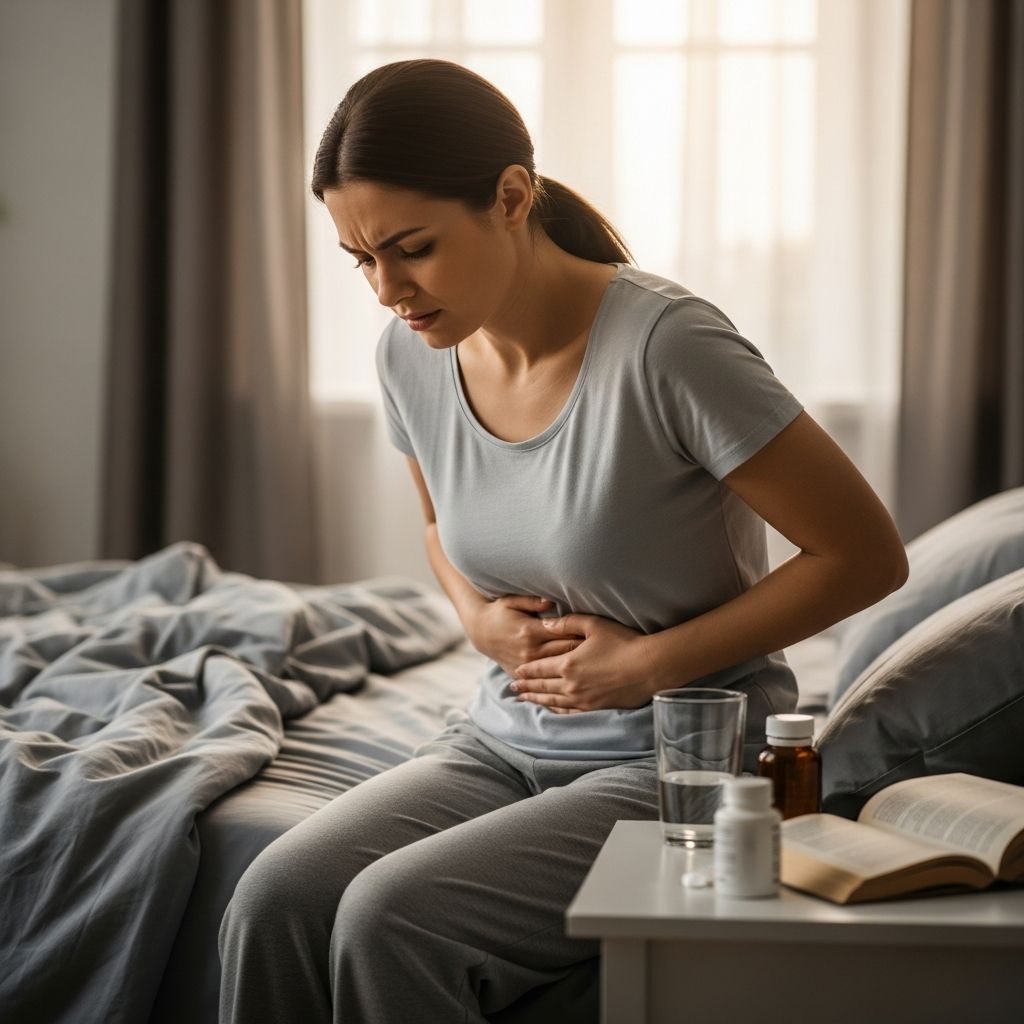
Inflammatory bowel disease (IBD), encompassing Crohn’s disease and ulcerative colitis, manifests differently in females compared to males. Women often experience unique symptoms such as painful menstruation, fertility challenges, pain during intercourse, anemia, and heightened mental health issues, alongside common GI complaints like diarrhea and abdominal pain.
These sex-specific differences arise due to hormonal influences, anatomical variations, and disease impacts on reproductive health. Understanding these distinctions is crucial for timely diagnosis and tailored treatment, improving quality of life for affected women.
What Is Inflammatory Bowel Disease (IBD)?
IBD refers to chronic conditions causing inflammation in the gastrointestinal (GI) tract, primarily Crohn’s disease and ulcerative colitis. Crohn’s can affect any GI segment from mouth to anus, while ulcerative colitis is limited to the colon and rectum.
Symptoms include persistent diarrhea, abdominal cramping, rectal bleeding, weight loss, and fatigue. Flares alternate with remissions, influenced by genetics, immune responses, environmental factors, and gut microbiome imbalances.
A note on sex and gender: This article uses ‘female’ to denote sex assigned at birth, recognizing spectrums in sex and gender.
Symptoms of IBD in Females
Females with IBD face both standard and sex-specific symptoms. Common ones include:
- Fatigue (reported by 72.1% of emerging adults with IBD)
- Abdominal cramps (63.9%)
- Abdominal pain (63.9%)
- Diarrhea (62.3%)
- Bloody stools, weight loss, nausea.
Sex-specific symptoms are detailed below.
Painful Menstruation (Dysmenorrhea)
IBD exacerbates menstrual pain. Studies show females with IBD report higher dysmenorrhea rates during flares. Prostaglandins, elevated in IBD, intensify uterine contractions, causing severe cramps. One review noted increased pain and other symptoms linked to menstrual cycles in IBD patients.
Management involves anti-inflammatory medications, hormonal therapies, or IBD flare control to alleviate symptoms.
Anemia and Iron Deficiency
Iron deficiency anemia is prevalent in IBD females due to chronic blood loss from GI inflammation and poor absorption. Females 18-25 and over 65 face heightened risks, especially if hospitalized.
Symptoms: fatigue, pale skin, shortness of breath. Screening via blood tests is essential; treatments include iron supplements, infusions, or addressing underlying inflammation.
Fertility Issues
IBD can impair fertility through inflammation, malnutrition, or surgical scarring (e.g., from bowel resections). Active disease reduces conception rates, though most women with controlled IBD conceive normally.
Pelvic adhesions from surgeries like colectomy increase ectopic pregnancy risks. Preconception counseling, disease remission, and folate supplementation are recommended.
Sexual Dysfunction and Pain With Sex
Sexual health suffers in IBD females: reduced arousal, orgasm difficulties, low desire, and dyspareunia from fistulas, inflammation, or scarring. Routine discussions with providers are advised.
Treatments: lubricants, pelvic floor therapy, counseling, or surgery for fistulas.
Osteoporosis Risk
IBD heightens osteoporosis risk via steroid use, malabsorption (calcium/vitamin D), and inflammation. Risk factors: low vitamin D, UC pancolitis, inactivity. Paradoxically, female sex may offer protection in some studies.
Dual-energy X-ray absorptiometry (DEXA) scans monitor bone density; bisphosphonates, calcium, vitamin D help prevent fractures.
Mental Health Challenges
Depression and anxiety affect up to 40% of IBD patients, higher in females due to symptom burden and social impacts. Fatigue correlates with GI symptoms, worsening mood.
Related Stories



Screen regularly; therapies include CBT, antidepressants compatible with IBD.
Common IBD Symptoms Everyone Should Know
Beyond female-specific issues:
- Persistent diarrhea
- Abdominal pain/cramping
- Rectal bleeding
- Weight loss
- Fatigue (most burdensome, interfering daily)
Diagnosis signs: pale skin, fever, dehydration, anal fistulas (Crohn’s).
Diagnosis of IBD in Females
Diagnosis combines history, exams, endoscopy, imaging (CT/MRI), and biopsies. Females should disclose menstrual/sexual symptoms for comprehensive evaluation. Blood tests check anemia, inflammation (CRP, ESR).
| Test | Purpose |
|---|---|
| Colonoscopy | Visualize inflammation, take biopsies |
| Blood tests | Anemia, nutrient deficiencies |
| Stool tests | Infection exclusion, calprotectin |
| Imaging | Complications like fistulas |
Treatment and Management Strategies
No cure exists; goals: remission, symptom control, complication prevention. Options:
- Medications: Aminosalicylates, corticosteroids, immunomodulators, biologics (anti-TNF), JAK inhibitors.
- Surgery: Colectomy (UC), resection (Crohn’s) for refractory cases.
- Lifestyle: Anti-inflammatory diet (Mediterranean), exercise, stress reduction, smoking cessation.
Females: preconception planning, bone health monitoring, mental health support.
When to See a Doctor
Seek care for:
- Worsening diarrhea/blood in stool
- Severe pain/fever
- Unexplained weight loss
- New menstrual/sexual issues
- Mood changes
Prompt intervention prevents complications like anemia or infertility.
Frequently Asked Questions (FAQs)
Do IBD symptoms differ between males and females?
Yes, females often experience dysmenorrhea, dyspareunia, fertility issues, and higher anemia/mental health risks.
Is fatigue the worst IBD symptom for women?
Fatigue tops prevalence (72%), severity, and daily interference, linked to GI symptoms.
Can IBD cause infertility in women?
Active IBD reduces fertility; controlled disease allows normal conception for most.
How is osteoporosis managed in IBD females?
DEXA scans, vitamin D/calcium, exercise, minimizing steroids.
What lifestyle changes help IBD symptoms?
Balanced diet, regular exercise, stress management, hydration.
IBD Resources
Explore Crohn’s & Colitis Foundation, NIDDK for support, research, and communities.
References
- IBD symptoms in females: How do they differ from males? — Medical News Today. 2023. https://www.medicalnewstoday.com/articles/ibd-symptoms-female
- Symptoms Among Emerging Adults With Inflammatory Bowel Disease — PMC (PubMed Central). 2020-01-13. https://pmc.ncbi.nlm.nih.gov/articles/PMC6954301/
- Inflammatory Bowel Disease — National Institute of Diabetes and Digestive and Kidney Diseases (NIDDK). 2023-05. https://www.niddk.nih.gov/health-information/digestive-diseases/inflammatory-bowel-disease
- Crohn’s Disease and Ulcerative Colitis — Crohn’s & Colitis Foundation. 2024. https://www.crohnscolitisfoundation.org/what-is-ibd
Similar Articles








Read full bio of Sneha Tete