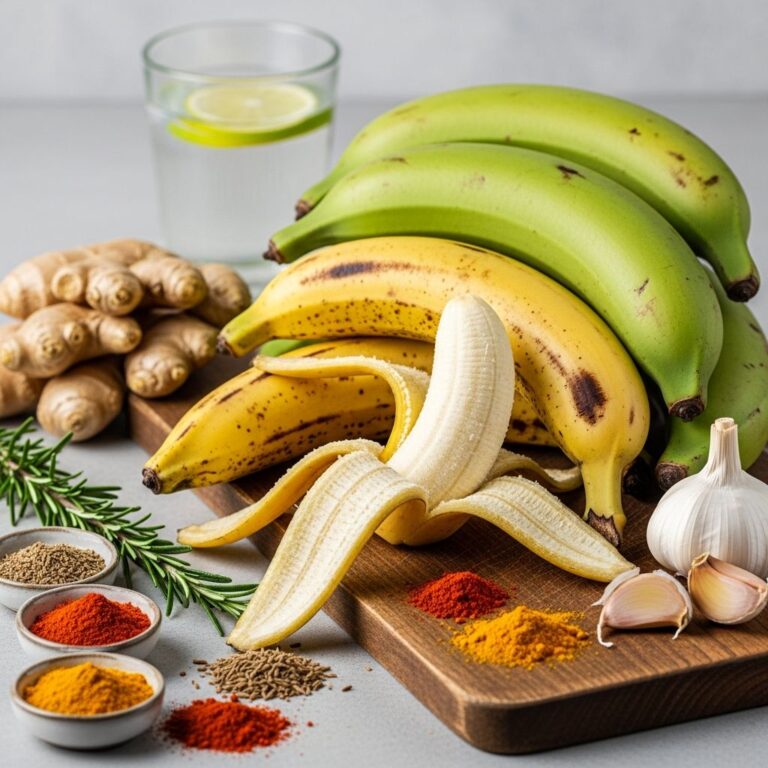
IBS Symptoms In Women: 5 Lifestyle Tips For Lasting Relief
Understand why IBS affects women differently, from hormonal influences to unique symptoms and management strategies for better relief.
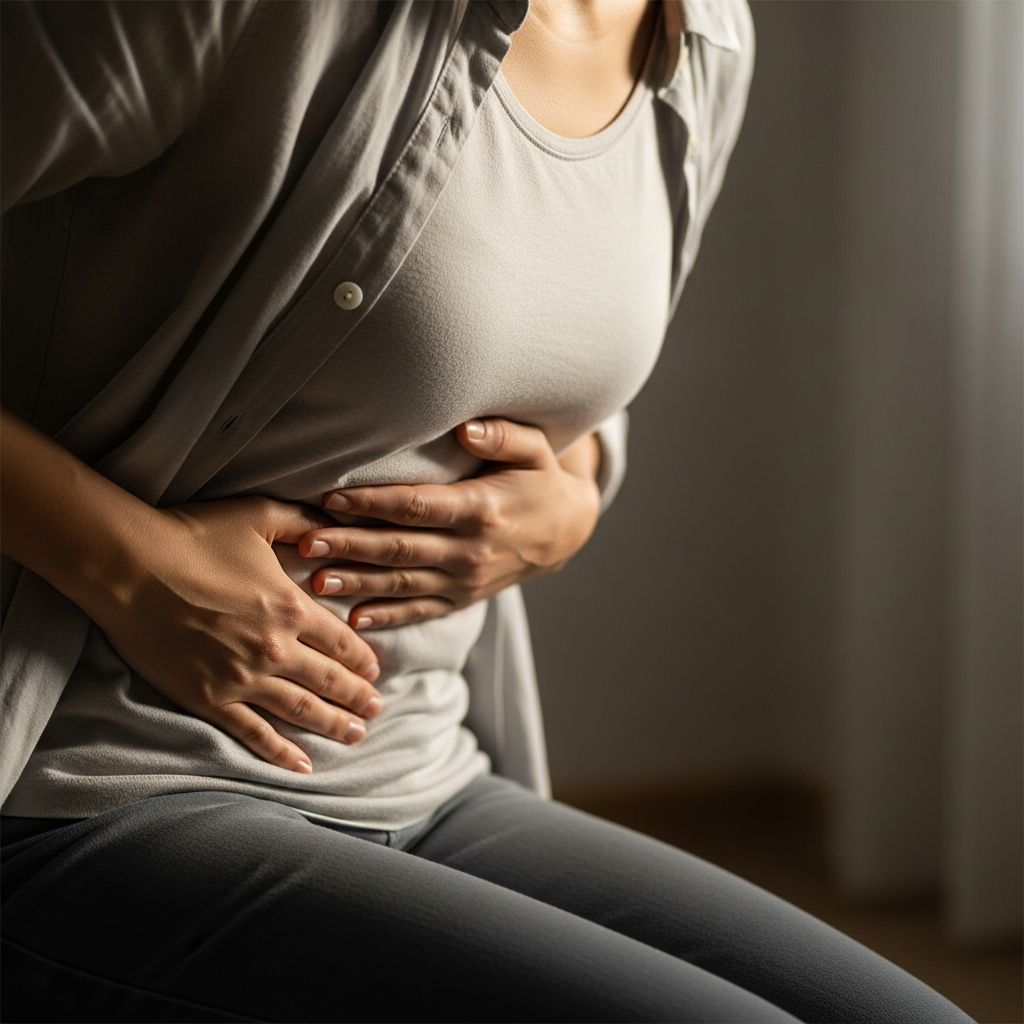
Irritable bowel syndrome (IBS) affects up to 10-15% of the global population, but women are diagnosed at nearly twice the rate of men. This chronic gastrointestinal disorder causes recurring abdominal pain, bloating, and changes in bowel habits like diarrhea or constipation. In women, symptoms often intensify due to hormonal fluctuations, making IBS a uniquely challenging condition.
Understanding these gender-specific patterns is crucial for effective management. Women with IBS frequently report more severe constipation, bloating, and overlapping symptoms with menstrual cycles, alongside heightened emotional distress like anxiety. This article explores why IBS hits women harder, common symptoms, triggers, diagnosis, treatments, and lifestyle strategies for relief.
Why Is IBS More Common in Women?
Research consistently shows IBS prevalence is higher in women, with studies indicating women are 1.5 to 2 times more likely to meet diagnostic criteria. A study of 253 premenopausal women and 252 men under 50 found women reported significantly more gastrointestinal symptoms, including non-pain issues like nausea, constipation, and bloating.
Several factors contribute:
- Hormonal influences: Estrogen and progesterone levels fluctuate during the menstrual cycle, pregnancy, and menopause, slowing gut motility and heightening visceral sensitivity. Women experience more constipation-dominant IBS (IBS-C) compared to men’s diarrhea-dominant type (IBS-D).
- Visceral hypersensitivity: Women often perceive intestinal stimuli as more painful due to differences in central nervous system pain processing.
- Gut-brain axis: IBS links strongly to stress and mental health; women report higher anxiety, depression, and fatigue, exacerbating symptoms via the gut-brain connection.
- Societal and reporting biases: Women seek healthcare more frequently for GI issues and are more open about constipation symptoms.
These differences persist across menstrual phases, with no significant symptom variation by cycle stage in one analysis, emphasizing consistent gender disparities.
Common IBS Symptoms in Women
IBS symptoms vary but follow Rome IV criteria: recurrent abdominal pain at least 1 day/week for 3 months, associated with defecation, stool frequency changes, or appearance. Women typically experience:
| Symptom | Prevalence in Women | Comparison to Men |
|---|---|---|
| Abdominal pain/cramping | High; often relieved by defecation | Similar, but women report more intensity |
| Constipation (IBS-C) | Most common subtype | Men: more IBS-D |
| Bloating/gas | Very frequent | Higher in women |
| Fatigue | Common comorbidity | Women report more |
| Anxiety/depression | Elevated | More pronounced in women |
Source: Adapted from clinical studies.
Additional symptoms include mucus in stool, urgency, incomplete evacuation, and nausea. Unlike inflammatory bowel disease, IBS lacks structural damage or bleeding.
How IBS Symptoms Differ by Gender
Men and women share core symptoms, but patterns diverge sharply. Diarrhea-dominant IBS is more common in men, while women predominate in constipation or mixed types (*p*<0.001). Women also endure more bloating, abdominal fullness, and non-GI complaints like fatigue and mood issues.
- Women: Higher estrogen/progesterone slows colonic transit, promoting constipation.
- Men: Faster transit linked to more diarrhea episodes.
Physiological variances include enteric nervous system differences, autonomic control, and stress reactivity, all amplifying symptoms in women.
IBS and the Menstrual Cycle
Symptoms often worsen premenstrually or during menstruation, mimicking cramps, headaches, and bloating. Research links this to progesterone dips slowing gut motility and prostaglandins heightening pain. Women with IBS report more dysmenorrhea than those without.
Related Stories



Management tip: Track symptoms via apps to correlate with cycles. Consult GI and OB-GYN specialists for integrated care.
IBS During Pregnancy and Fertility
No evidence suggests IBS impacts fertility or pregnancy outcomes directly. However, symptoms may fluctuate: some improve due to elevated progesterone, others worsen from dietary changes or stress.
Multidisciplinary prenatal care—including GI dietitians—helps. Studies call for more research on IBS-pregnancy links.
Psychological Impact of IBS on Women
Women report greater quality-of-life dissatisfaction, with elevated anxiety, depression, and fatigue. The gut-brain axis plays key: stress triggers flare-ups via altered serotonin signaling.
GI behavioral health tools like cognitive behavioral therapy (CBT) and gut-directed hypnotherapy target this connection effectively.
Diagnosing IBS in Women
Diagnosis is symptom-based, ruling out alarms like weight loss, bleeding, or anemia via blood tests, stool studies, or colonoscopy. Women may face delays due to symptom overlap with gynecological issues (e.g., endometriosis).
Key: Rome IV criteria plus gender-aware evaluation.
Treatment and Management Strategies
Treatment is multifaceted:
- Diet: Low FODMAP diet reduces bloating in 70% of cases; work with GI dietitians.
- Medications: IBS-C: laxatives, linaclotide; IBS-D: loperamide, rifaximin. Women respond better to certain serotonin modulators.
- Therapies: CBT, mindfulness for gut-brain relief.
- Lifestyle: Exercise, stress reduction, hydration. Whole-person care integrates GI providers, dietitians, and mental health experts.
Personalized plans yield best results, focusing on triggers like hormones and stress.
Lifestyle Tips for Women with IBS
- Track menstrual-symptom links.
- Incorporate daily fiber gradually (soluble types preferred).
- Practice yoga or walking for motility and stress relief.
- Prioritize sleep; fatigue worsens pain perception.
- Seek integrated care teams for holistic management.
Frequently Asked Questions (FAQs)
What makes IBS worse for women?
Hormonal changes, especially during menstruation, slow gut motility and increase pain sensitivity, leading to more constipation and bloating.
Does IBS affect fertility?
No direct link; preconception multidisciplinary care keeps symptoms managed.
Can diet cure IBS in women?
Not a cure, but low FODMAP and personalized nutrition reduce symptoms significantly under dietitian guidance.
Why do women have more constipation with IBS?
Higher estrogen/progesterone levels slow colonic transit; studies confirm IBS-C dominance in women.
Is IBS linked to anxiety in women?
Yes, via gut-brain axis; women report higher rates, treatable with behavioral therapies.
Consult healthcare providers for tailored advice. Early intervention improves outcomes.
References
- 5 things women should know about living with IBS — Oshi Health. 2023 (accessed 2026). https://oshihealth.com/5-things-women-should-know-about-living-with-ibs/
- Irritable Bowel Syndrome Is More Common in Women Regardless of Menstrual Phase — Korean Journal of Gastroenterology (PMC). 2009-05-15. https://pmc.ncbi.nlm.nih.gov/articles/PMC2693852/
- Irritable Bowel Syndrome in Women — American College of Gastroenterology. 2024-03-01. https://gi.org/topics/irritable-bowel-syndrome-in-women/
- Sex Differences in Irritable Bowel Syndrome — Gastroenterology (PubMed). 2023-07-12. https://pubmed.ncbi.nlm.nih.gov/37423345/
- Management of IBS in Women: Hormonal Considerations — NIH/NIDDK. 2025-01-10. https://www.niddk.nih.gov/health-information/digestive-diseases/irritable-bowel-syndrome/women
Similar Articles








Read full bio of medha deb