IBS Vs. Colon Cancer: 4 Essential Comparisons To Know
Distinguishing irritable bowel syndrome from colorectal cancer: Key symptoms, risk factors, and when to seek medical help.
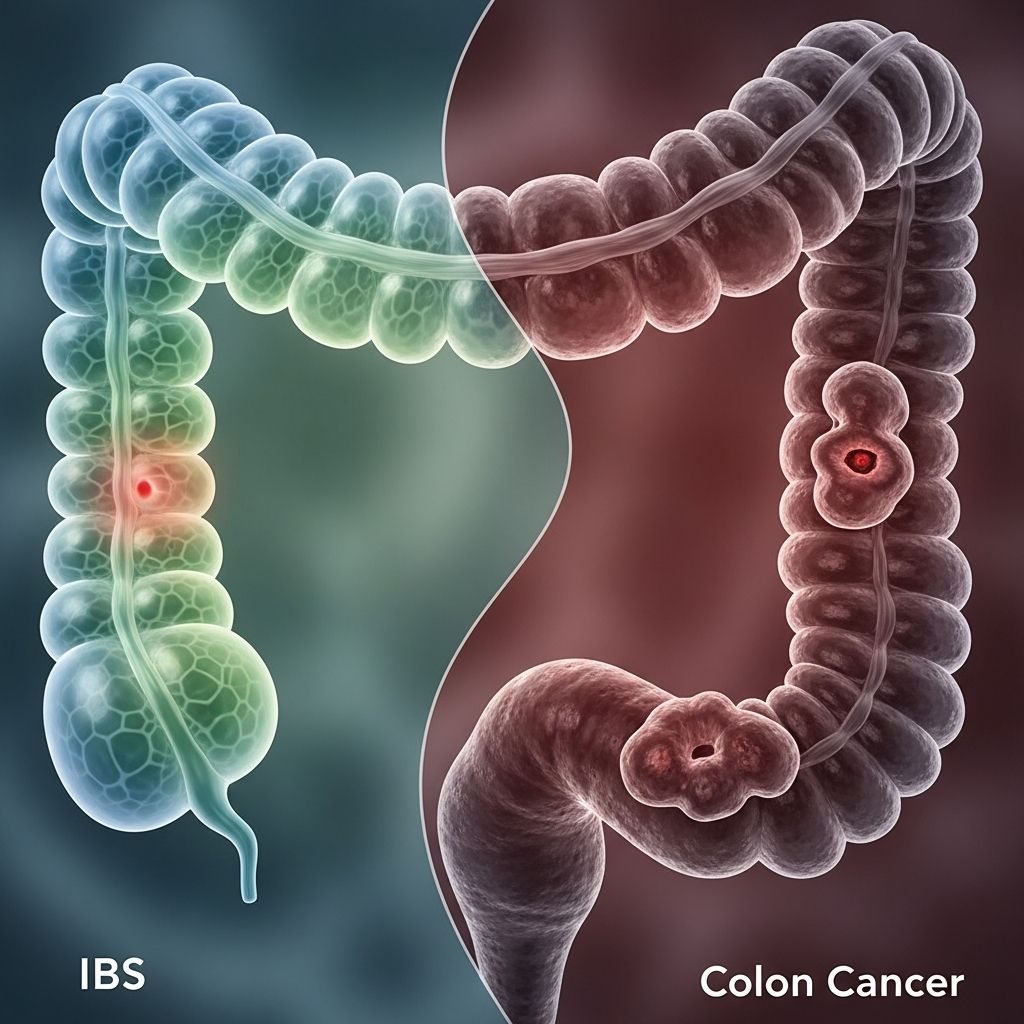
Irritable bowel syndrome (IBS) and colon cancer (colorectal cancer) share overlapping symptoms such as abdominal pain, bloating, and changes in bowel habits, often causing confusion and anxiety for patients. While IBS is a common, non-cancerous functional disorder affecting up to 12% of adults, colon cancer is a serious malignancy that requires early detection for better outcomes.
What Is Irritable Bowel Syndrome (IBS)?
IBS is a chronic gastrointestinal disorder characterized by recurrent abdominal pain and altered bowel habits without structural damage to the intestines. It impacts quality of life but does not increase cancer risk or lead to tissue changes visible on imaging.
Symptoms of IBS
- Abdominal pain or cramping, often relieved by defecation
- Bloating and excess gas
- Diarrhea, constipation, or alternating between both
- Mucus in stool
- Urgency to have a bowel movement
Symptoms typically fluctuate, triggered by stress, diet, or hormones, and improve over time without weight loss or bleeding.
Causes and Risk Factors of IBS
The exact cause of IBS remains unknown, but factors include gut-brain axis dysfunction, visceral hypersensitivity, altered gut motility, infections, and microbiome imbalances. Risk factors encompass female sex, age under 50, family history, mental health issues like anxiety, and prior gut infections.
What Is Colon Cancer?
Colon cancer, or colorectal cancer, originates from uncontrolled growth of cells in the colon or rectum, often starting as precancerous polyps. It is the third most common cancer worldwide, with early stages often asymptomatic but progressing to life-threatening if undetected.
Symptoms of Colon Cancer
- Blood in stool (bright red or dark)
- Unexplained weight loss
- Persistent changes in bowel habits lasting over weeks
- Narrow or pencil-thin stools
- Abdominal pain or cramping not relieved by bowel movements
- Fatigue or weakness from anemia
Unlike IBS, symptoms are progressive and do not resolve spontaneously.
Causes and Risk Factors of Colon Cancer
Genetic mutations, lifestyle factors like high red meat intake, low fiber diet, smoking, obesity, and inactivity contribute. Hereditary syndromes (e.g., Lynch syndrome), inflammatory bowel disease, type 2 diabetes, and family history elevate risk. Screening from age 45 is recommended.
IBS vs. Colon Cancer: Key Differences in Symptoms
Both conditions cause abdominal discomfort and bowel changes, but distinguishing features help differentiate them. IBS symptoms are episodic and benign, while colon cancer presents persistent “alarm” signs warranting investigation.
| Symptom | IBS | Colon Cancer |
|---|---|---|
| Abdominal Pain | Crampy, relieved by bowel movement | Persistent, unrelated to defecation |
| Bowel Changes | Alternating diarrhea/constipation, triggered by food/stress | Persistent diarrhea/constipation, narrow stools |
| Blood in Stool | Rare (if present, usually mucus) | Common (red or black) |
| Weight Loss | Absent | Unexplained, progressive |
| Fatigue/Anemia | Mild, if any | Due to chronic blood loss |
| Duration | Comes and goes | Worsens over time |
This table highlights red flags like rectal bleeding or weight loss, absent in IBS but critical for cancer.
Related Stories



Risk Factors Comparison
| Factor | IBS | Colon Cancer |
|---|---|---|
| Age | <50 years | >50 years |
| Gender | Female predominant | Slightly male predominant |
| Family History | IBS in family | Colorectal cancer/polyps |
| Lifestyle | Stress, diet triggers | Obesity, smoking, low fiber |
| Other | Mental health disorders | IBD, diabetes |
Does IBS Increase Colon Cancer Risk?
Large cohort studies show no long-term increased risk of colorectal cancer in IBS patients. A study of 57,851 IBS patients found elevated cancer diagnoses only in the first 3 months post-IBS diagnosis (SIR 8.42 for colon cancer), attributed to diagnostic confusion from overlapping symptoms. After 1 year, risk was equal or lower than the general population (SIR <0.95 for 4-10 years). IBS does not cause cancer; symptoms may prompt early screening, reducing future risk.
When to See a Doctor: Red Flags
Consult a healthcare provider if symptoms include:
- Blood in stool
- Unintentional weight loss
- Symptoms persisting >6 weeks or worsening
- Nighttime pain or diarrhea
- Family history of colon cancer
- Anemia or fatigue
These warrant urgent evaluation to rule out malignancy.
Diagnosis: How to Differentiate IBS from Colon Cancer
IBS is diagnosed by Rome IV criteria after excluding other causes via tests. Colon cancer requires structural evaluation.
Diagnostic Tests for IBS
- Blood tests (CBC, CRP, celiac serology)
- Stool tests (calprotectin, parasites)
- Colonoscopy if red flags present
No imaging abnormalities confirm IBS.
Diagnostic Tests for Colon Cancer
- Colonoscopy with biopsy (gold standard)
- Stool-based tests (FIT, DNA tests)
- CT/MRI for staging
- Carcinoembryonic antigen (CEA) blood test
Polyps or masses indicate cancer risk.
Treatment Options
Treating IBS
- Diet: Low FODMAP, fiber supplementation
- Medications: Antispasmodics (e.g., hyoscyamine), laxatives, antidiarrheals, low-dose antidepressants
- Lifestyle: Stress reduction (CBT, yoga), exercise
- Probiotics: For symptom relief in some
Treatment targets symptoms; no cure exists.
Treating Colon Cancer
Stage-dependent: surgery (polypectomy, colectomy), chemotherapy, radiation, targeted therapy/immunotherapy for advanced cases. Multidisciplinary care improves survival; 5-year rate exceeds 90% for localized disease.
Prevention Strategies
For IBS Flares
- Identify triggers via food diary
- Regular exercise and sleep
- Stress management
For Colon Cancer
- Screening colonoscopy from age 45 (or earlier if high-risk)
- High-fiber diet, limit processed meats
- Maintain healthy weight, avoid smoking
Screening prevents 60% of cases by polyp removal.
Frequently Asked Questions (FAQs)
Can IBS turn into colon cancer?
No, IBS does not increase colorectal cancer risk long-term. Early cancer diagnoses post-IBS label reflect misdiagnosis, not causation.
How do I know if my symptoms are IBS or cancer?
Red flags like blood in stool, weight loss, or persistent symptoms require colonoscopy. IBS lacks these.
At what age should I screen for colon cancer?
Age 45 for average risk; earlier with family history or IBD.
Can diet help differentiate or treat?
Low FODMAP aids IBS; high-fiber diets prevent cancer but don’t diagnose.
Is blood in stool always cancer?
No, but always investigate; could be hemorrhoids, yet cancer must be ruled out.
References
- Irritable bowel syndrome and risk of colorectal cancer: a population-based cohort study — Nørgaard M, et al. National Institutes of Health (PMC). 2011-03-15. https://pmc.ncbi.nlm.nih.gov/articles/PMC3068503/
- IBS vs Colon Cancer Quiz: Compare Symptoms & Treatments — Ubie Health. Accessed 2026. https://ubiehealth.com/diseases/diff/ibs-vs-colon-cancer
- Is it irritable bowel syndrome (IBS) or something else? — UCLA Health. Accessed 2026. https://www.uclahealth.org/news/article/is-it-irritable-bowel-syndrome-ibs-or-something-else
Similar Articles








Read full bio of Sneha Tete