Ibuprofen: Uses, Dosage, Side Effects, Essential Guide
Comprehensive guide to ibuprofen (Brufen, Calprofen, Nurofen): uses, dosage, side effects, and safety for pain relief and inflammation.

Ibuprofen is a widely used non-steroidal anti-inflammatory drug (NSAID) available over-the-counter under brand names like Brufen, Calprofen, and Nurofen. It effectively relieves mild to moderate pain, reduces fever, and eases inflammation associated with various conditions.
About ibuprofen tablets, capsules, gel, and spray
Ibuprofen comes in multiple forms including tablets, capsules, oral suspensions, gels, and sprays to suit different needs. Tablets and capsules are standard for oral use, while gels and sprays provide targeted topical relief for muscle or joint pain. Oral suspensions are ideal for children or those who struggle with pills. Always take oral forms with food or milk to minimize stomach irritation.
Key facts about ibuprofen
- Ibuprofen belongs to the NSAID class and works by inhibiting cyclooxygenase (COX-1 and COX-2) enzymes, reducing prostaglandin production that causes pain, inflammation, and fever.
- Effects typically begin within 20-30 minutes, peaking at 1-2 hours, and lasting 4-6 hours.
- Common brands include Brufen, Calprofen (for children), and Nurofen.
- Not suitable for everyone; contraindicated in those with active peptic ulcers, severe heart failure, or allergies to NSAIDs.
- Maximum daily dose for adults is 1200 mg without medical advice; higher doses require supervision.
What is ibuprofen used for?
Ibuprofen treats a range of conditions by targeting pain and inflammation. Common uses include:
- Dental pain: Effective for toothaches and post-dental procedure discomfort.
- Period pain: Reduces menstrual cramps by decreasing uterine prostaglandins.
- Migraine: Alleviates headache pain and associated symptoms.
- Colds and flu: Lowers fever and relieves body aches.
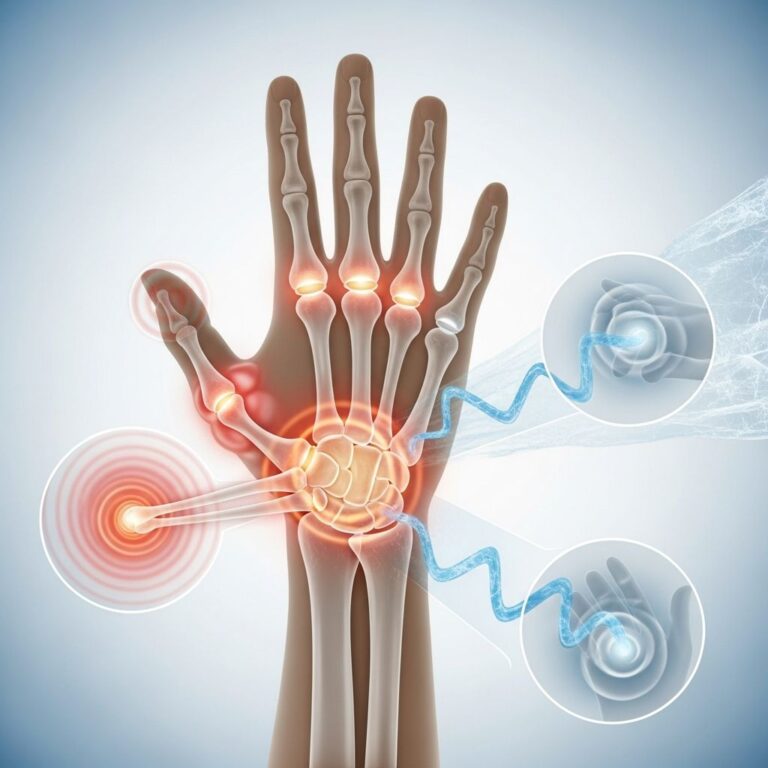
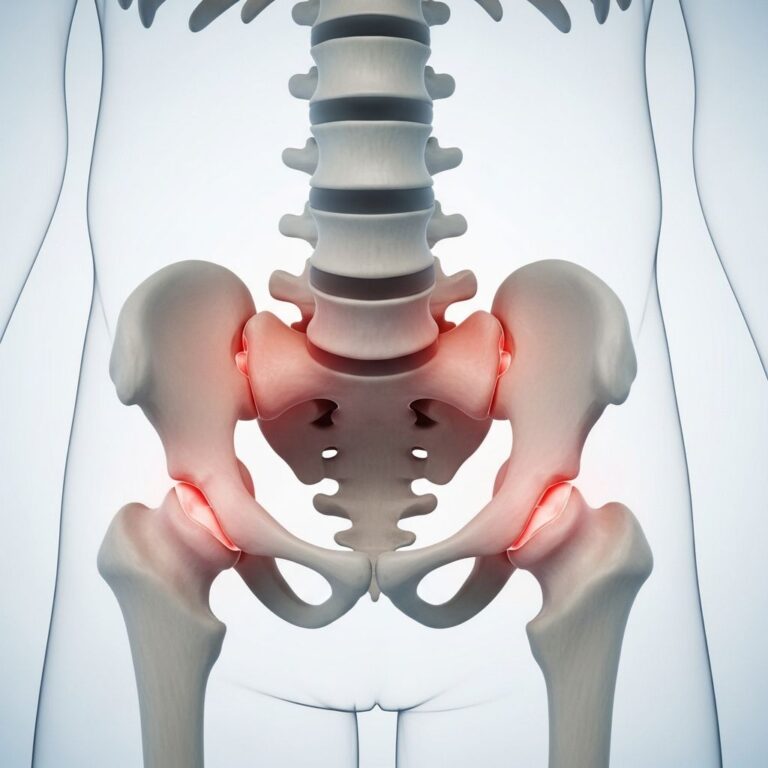
- Backache and rheumatoid arthritis: Manages chronic joint inflammation and stiffness.
- Sprains, strains, and sports injuries: Reduces swelling and pain.
- Gout and other inflammatory conditions.
It is also used in cystic fibrosis to reduce lung inflammation and for orthostatic hypotension in select cases.
How does ibuprofen work?
Ibuprofen is a non-selective COX inhibitor. COX enzymes produce prostaglandins, which promote inflammation, pain, and fever at injury sites. By blocking COX-1 and COX-2, ibuprofen decreases prostaglandin levels, providing analgesic, antipyretic, and anti-inflammatory effects. COX-1 inhibition contributes to gastrointestinal side effects like ulcers. Pain relief involves both peripheral and central nervous system actions.
When not to take ibuprofen (before taking ibuprofen – warnings)
Avoid ibuprofen if you have:
- Active or history of peptic ulcers or gastrointestinal bleeding.
- Severe heart failure, kidney, or liver disease.
- Asthma triggered by NSAIDs (aspirin-sensitive).
- Third trimester pregnancy (risk of fetal harm).
- History of allergic reactions to ibuprofen or other NSAIDs.
High doses (2400 mg/day) may increase risk of heart attack or stroke. Use cautiously with blood thinners, diuretics, or other medications.
Who can and cannot take ibuprofen tablets, capsules, gel, or spray
| Can Take | Cannot Take / Use Caution |
|---|---|
| Adults and children over 3 months (appropriate dose). | Pregnant women (especially last trimester), breastfeeding with caution. |
| People with mild pain/inflammation. | Those with heart, kidney, liver issues, or high blood pressure. |
| Chickenpox patients (paracetamol preferred for kids). | History of GI bleeding or ulcers. |
Consult a doctor for long-term use or pre-existing conditions.
How and when to take or use ibuprofen
Dosage for Adults (over 12 years)
Related Stories



- Initial: 200-400 mg every 4-6 hours as needed.
- Maximum: 1200 mg/day OTC; up to 3200 mg/day under medical supervision.
Dosage for Children
Based on weight: 5-10 mg/kg every 6-8 hours, max 40 mg/kg/day. Use Calprofen or Nurofen suspensions.
Administration Tips
- Take with food/milk/antacids to protect stomach.
- Do not exceed recommended dose or duration (max 3 days for fever, 10 days for pain without advice).
- For gel/spray: Apply to clean skin 2-4 times daily, avoid broken skin.
Side effects of ibuprofen tablets, capsules, gel, and spray
Common side effects (affect >1 in 100):
- Stomach ache, indigestion, nausea, vomiting.
- Headache, dizziness.
Serious (seek immediate help):
- Black stools, vomiting blood (GI bleed).
- Chest pain, shortness of breath (heart issues).
- Rash, swelling, breathing difficulty (allergy).
- Yellowing skin, dark urine (liver damage, rare).
Long-term use risks kidney damage, high blood pressure.
How to cope with side effects of ibuprofen
- Stomach upset: Take with meals; use stomach protectors like PPIs if prescribed.
- Nausea: Eat small meals, ginger tea.
- Dizziness: Avoid driving; stay hydrated.
- Monitor for serious signs and stop use if they occur.
Pregnancy and breastfeeding with ibuprofen
Avoid in third trimester due to risks of fetal heart/lung issues and prolonged labor. Limited use in first/second trimesters if benefits outweigh risks. Small amounts pass into breast milk; short-term use generally safe but consult doctor.
Common questions about ibuprofen
How long does it take for ibuprofen to work?
Usually 20-30 minutes for pain relief, full effects in 1-2 hours. Depends on dose and condition.
How long does ibuprofen last?
4-6 hours; extended-release up to 12-24 hours.
Can I take ibuprofen on an empty stomach?
Better with food to reduce GI upset, though some formulations are enteric-coated.
Can I take paracetamol with ibuprofen?
Yes, alternating can enhance pain relief safely.
Is ibuprofen safe for children with chickenpox?
No, use paracetamol; ibuprofen may increase complications.
Does ibuprofen raise blood pressure?
Possible with prolonged use, especially in hypertensives.
Interactions with other medicines, food, or alcohol
- Aspirin/Other NSAIDs: Increases bleeding/GI risk; avoid combining.
- Blood thinners (warfarin): Enhances bleeding risk.
- Diuretics/Lithium: Affects kidney function and drug levels.
- Alcohol: Heightens stomach bleeding risk; limit intake.
- No major food interactions.
Analgesics and painkillers – painkiller comparison
| Painkiller | Best For | Duration | Side Effects |
|---|---|---|---|
| Ibuprofen (NSAID) | Pain + Inflammation | 4-6 hrs | Stomach upset |
| Paracetamol | Pain + Fever | 4-6 hrs | Liver (high dose) |
| Aspirin | Pain + Anti-platelet | 4-6 hrs | Bleeding risk |
| Codeine | Moderate-Severe Pain | 4 hrs | Drowsiness |
Ibuprofen excels for inflammatory pain over paracetamol alone.
Disclaimer
This information does not replace professional medical advice. Consult a healthcare provider for personalized guidance.
References
- Ibuprofen: Uses, Interactions, Mechanism of Action — DrugBank. 2023-10-01. https://go.drugbank.com/drugs/DB01050
- Ibuprofen: Benefits, Risks, and Safe Use Guidelines — Rupa Health. 2024-05-15. https://www.rupahealth.com/post/ibuprofen-benefits-risks-and-safe-use-guidelines
- Ibuprofen (oral route) — Mayo Clinic. 2025-01-10. https://www.mayoclinic.org/drugs-supplements/ibuprofen-oral-route/description/drg-20070602
- Ibuprofen for Pain Relief — Patient.info. 2024-11-20. https://patient.info/medicine/ibuprofen-for-pain-and-inflammation-brufen-calprofen-nurofen-2
- Ibuprofen — NCBI LiverTox (NIH). 2023-07-25. https://www.ncbi.nlm.nih.gov/books/NBK547845/
- Ibuprofen- and dexibuprofen-containing medicines — European Medicines Agency (EMA). 2024-03-12. https://www.ema.europa.eu/en/medicines/human/referrals/ibuprofen-dexibuprofen-containing-medicines
Similar Articles








Read full bio of Sneha Tete