Can Ice Baths Improve Your Health? Science-Backed Benefits
Explore the science behind ice baths and their potential health benefits for recovery and wellness.
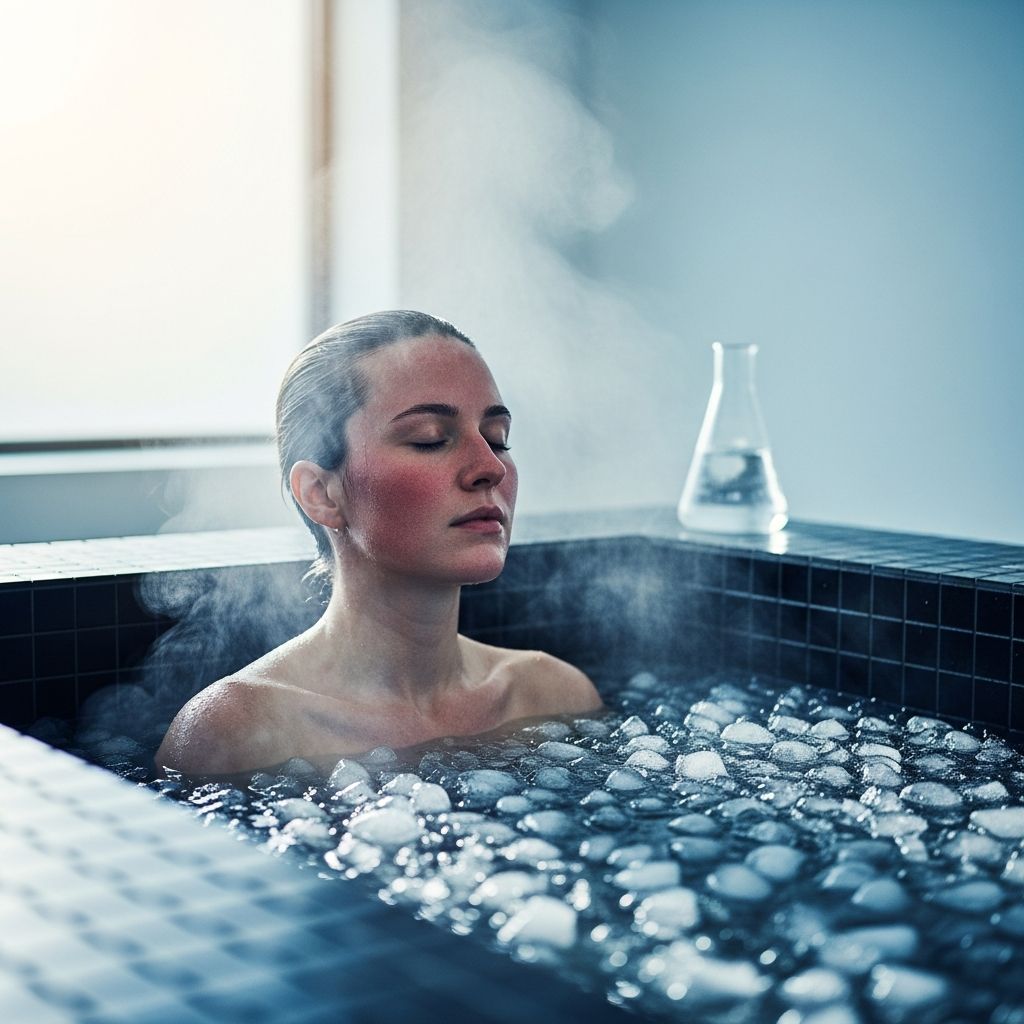
Can Ice Baths Improve Your Health?
Ice baths and cold water immersion have become increasingly popular in fitness centers, recovery clinics, and among elite athletes seeking to optimize performance and healing. The appeal is understandable—the promise of faster recovery, reduced muscle soreness, and improved overall health is enticing. However, the question remains: does the science actually support these claims? Understanding the research behind ice baths requires examining what we know about how cold exposure affects the body, distinguishing between genuine benefits and marketing hype.
Understanding Cold Water Immersion
Cold water immersion, commonly referred to as ice bathing or cryotherapy, involves submerging the body in water temperatures typically ranging from 50 to 59 degrees Fahrenheit (10 to 15 degrees Celsius) for short periods, usually between 1 and 15 minutes. This practice has roots in both traditional medicine and modern sports science, with athletes using it as a recovery tool after intense training or competition.
When you immerse yourself in cold water, your body experiences immediate physiological responses. Blood vessels constrict, heart rate may increase slightly, and your nervous system activates stress responses. These acute changes trigger a cascade of adaptations that proponents believe can enhance recovery and health outcomes.
Athletic Recovery and Muscle Soreness
One of the most common claims about ice baths is that they reduce delayed-onset muscle soreness (DOMS)—the muscle pain and stiffness that typically appears 24 to 48 hours after intense exercise. The theory behind this benefit involves reducing inflammation and flushing out metabolic waste products from fatigued muscles.
Research on this topic presents a mixed picture. Some studies suggest that cold water immersion can modestly reduce the perception of muscle soreness following intense exercise, particularly when applied immediately after training. However, the magnitude of this effect is often smaller than many athletes expect. The relief may be partly due to a numbing effect rather than actual tissue healing. Furthermore, the timing and duration of ice bath exposure appear to matter significantly—protocols that are too aggressive or poorly timed may offer minimal benefits.
It’s important to note that while ice baths might help with subjective pain perception, they may not actually accelerate the underlying recovery process. The inflammatory response following exercise is actually a natural and necessary part of muscle adaptation and growth. Suppressing this inflammation too aggressively could potentially interfere with the body’s natural repair mechanisms.
Immune Function and Illness Prevention
Beyond athletic recovery, cold water exposure has been investigated for its potential effects on immune function. A notable study examining cold water exposure found significant results: on average, in all groups that underwent cold water exposure, people were absent from work 29% fewer days than those in a control group. This suggests that regular cold exposure might strengthen immune defenses, though the mechanism isn’t entirely clear.
The proposed explanation involves the activation of white blood cells and other immune components during repeated cold exposure. Over time, the body may adapt to cold stress, developing improved immune surveillance and response capabilities. However, it’s crucial to understand that while this correlation is intriguing, more research is needed to establish a definitive causal relationship and to determine which populations benefit most from this practice.
Related Stories



Mental Health and Mood Enhancement
Emerging evidence suggests that cold water immersion might influence mental health and mood. Research indicates there are sound reasons to believe cold water swimming could ease depression, though hard science on icy plunges remains limited. Cold water exposure activates the parasympathetic nervous system after the initial stress response, which may promote relaxation and emotional regulation.
The psychological benefits of cold exposure might also relate to the sense of accomplishment and resilience that comes from voluntarily enduring discomfort. Additionally, the mild hormonal responses triggered by cold—including endorphin release—could contribute to improved mood. However, it’s essential to approach these claims cautiously and recognize that individual responses vary considerably.
Cardiovascular and Metabolic Effects
Cold water immersion may offer protective effects against cardiovascular and metabolic diseases. Research suggests that voluntary exposure to cold water could have protective effects against cardiovascular disease, obesity, and other metabolic conditions, with potential prophylactic health benefits. The proposed mechanisms include improved vascular function, enhanced metabolic rate, and favorable changes in metabolic markers.
When exposed to cold, the body increases metabolic activity to generate heat—a process called thermogenesis. This increased calorie expenditure has led to speculation that regular cold exposure might aid in weight management. However, the practical significance of this effect requires careful interpretation, as the calories burned during ice bath exposure are modest compared to traditional exercise.
The cardiovascular benefits may relate to improved blood vessel function and enhanced circulation patterns. Cold exposure triggers vasoconstriction followed by vasodilation, which may condition blood vessels and improve their responsiveness. This adaptation could theoretically benefit overall cardiovascular health, though more research is needed to confirm this in diverse populations.
Important Safety Considerations
While ice baths present potential benefits, they are not without risks. Cold water immersion can be dangerous for certain individuals and requires appropriate precautions:
- Cardiovascular stress: The sudden cold exposure can cause significant changes in heart rate and blood pressure. Individuals with heart conditions, high blood pressure, or arrhythmias should consult healthcare providers before attempting ice baths.
- Hypothermia risk: Prolonged exposure to very cold water can lead to dangerous drops in core body temperature.
- Cold shock response: Sudden immersion can trigger involuntary gasping and hyperventilation, potentially leading to water inhalation.
- Pregnancy: Pregnant individuals should avoid ice baths due to potential effects on fetal development.
- Existing health conditions: Those with diabetes, Raynaud’s disease, or other temperature-sensitive conditions may experience adverse effects.
- Age considerations: Children and elderly individuals may be more vulnerable to cold-related complications.
Optimal Protocols and Best Practices
If you decide to try ice baths, following evidence-based protocols can maximize benefits while minimizing risks. Most research suggests that water temperatures between 50 and 59 degrees Fahrenheit, with immersion durations of 10 to 15 minutes, represent a reasonable starting point for most individuals. Shorter durations of 1 to 3 minutes may be appropriate for beginners.
Timing also matters. For athletic recovery, ice baths are most effective when used immediately after intense exercise. For other health benefits, morning exposure may be preferable to stimulate immune and metabolic responses throughout the day. Frequency varies depending on your goals—some athletes use ice baths after every intense training session, while others incorporate them weekly or less frequently.
Gradual acclimatization is essential. Starting with warmer water temperatures and shorter durations allows your body to adapt safely. Never use ice baths in isolation; they work best as part of a comprehensive recovery strategy that includes adequate sleep, proper nutrition, and appropriate training principles.
Who Should Avoid Ice Baths?
Certain populations should avoid ice baths or proceed only under medical supervision. These include individuals with cardiovascular disease, uncontrolled high blood pressure, diabetes (particularly those with neuropathy), Raynaud’s phenomenon, immune disorders, open wounds or skin conditions, or those taking medications that affect temperature regulation. Pregnant women should also avoid this practice.
Alternative Cold Exposure Methods
If full ice bath immersion seems too extreme, alternative cold exposure methods may offer similar benefits with reduced risk. Cold showers lasting 30 to 90 seconds can provide stimulation with less cardiovascular stress. Applying ice packs to specific muscle groups offers localized benefits. Gradual cold water swimming in natural environments provides exposure in a more controlled manner. These alternatives allow individuals to experience potential benefits of cold exposure while maintaining greater comfort and safety.
The Bottom Line
Ice baths show promise for several health applications, particularly for athletic recovery, immune function support, and potential mood enhancement. However, they are not a magic solution and work best as part of a comprehensive health and fitness strategy. The evidence is strongest for modest reductions in muscle soreness perception following intense exercise, though the practical significance of this benefit remains debatable.
The potential immune and metabolic benefits are more speculative at this point, with research ongoing. If you’re healthy, have been cleared by your healthcare provider, and interested in exploring ice baths, starting gradually with appropriate safety precautions is essential. Always prioritize general health fundamentals—adequate sleep, balanced nutrition, regular physical activity, and stress management—which have more extensive evidence for supporting long-term health.
Frequently Asked Questions
Q: How long should I stay in an ice bath?
A: Most research suggests 10 to 15 minutes at temperatures between 50 and 59 degrees Fahrenheit. Beginners should start with 1 to 3 minutes and gradually increase duration as tolerance improves.
Q: How often should I take ice baths?
A: For athletic recovery, ice baths can be used after intense training sessions. For other health benefits, weekly or bi-weekly exposure may be sufficient. Individual needs vary based on training intensity and health goals.
Q: Are ice baths safe for everyone?
A: No. Individuals with cardiovascular disease, high blood pressure, diabetes, Raynaud’s phenomenon, or other temperature-sensitive conditions should consult healthcare providers before attempting ice baths. Pregnant women should avoid them.
Q: Do ice baths reduce muscle soreness?
A: Ice baths may modestly reduce the perception of muscle soreness following intense exercise, though the effect is often smaller than commonly believed. The relief may partly result from numbing effects rather than actual tissue healing.
Q: Can cold water exposure boost immunity?
A: Research suggests that regular cold water exposure may strengthen immune function, with studies showing reduced sick days. However, the specific mechanisms and long-term effects require further investigation.
Q: What’s the difference between ice baths and cold showers?
A: Ice baths involve full-body immersion in very cold water, while cold showers provide less intense exposure. Cold showers may offer similar benefits with reduced cardiovascular stress and are a good alternative for beginners.
Q: Should I take an ice bath immediately after exercise?
A: For athletic recovery purposes, immediate application after intense exercise is generally most effective. However, timing may vary depending on your specific recovery goals and training schedule.
Q: Can ice baths improve mental health?
A: Emerging evidence suggests cold water immersion may help ease depression and improve mood through various mechanisms, though more research is needed to confirm these effects fully.
References
- Cold Showers Lead to Fewer Sick Days — Harvard Business Review, Geert A. Buijze et al. 2018-03. https://hbr.org/2018/03/cold-showers-lead-to-fewer-sick-days
- Can cold water swimming lift the spirit? — Harvard School of Public Health. https://harvardpublichealth.org/mental-health/can-cold-water-swimming-lift-the-spirit/
- Health effects of voluntary exposure to cold water — PubMed Central, National Center for Biotechnology Information. https://pmc.ncbi.nlm.nih.gov/articles/PMC9518606/
Similar Articles








Read full bio of medha deb