Ice Packs vs. Warm Compresses for Pain Relief
Discover when to use ice or heat for pain relief and how each therapy works.
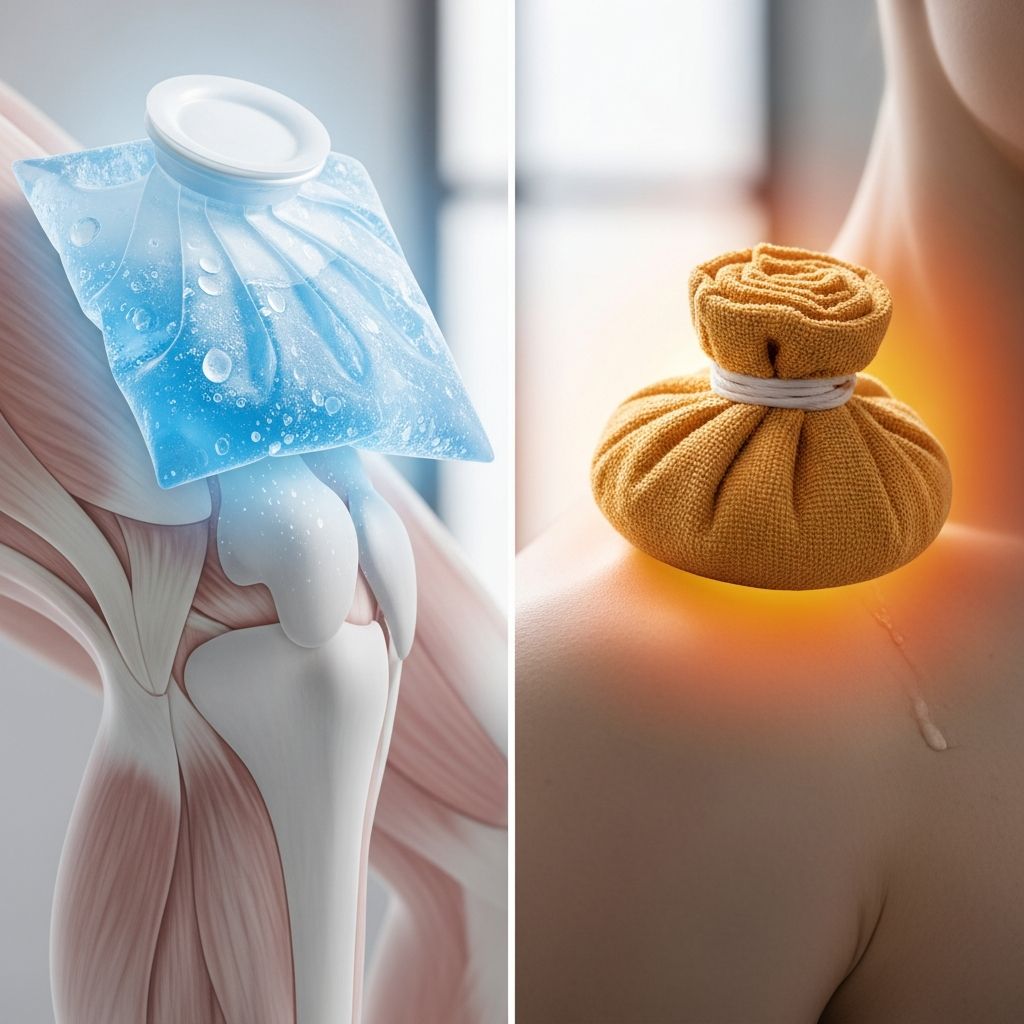
When dealing with pain, swelling, or muscle stiffness, many people turn to simple home remedies like ice packs and warm compresses. These therapies are widely used for both acute injuries and chronic discomfort. Understanding when and how to use each can make a significant difference in your recovery and comfort.
How Ice Packs Work
Ice packs, also known as cold therapy or cryotherapy, are most effective for acute injuries. When tissues are damaged, such as in a sprain, strain, or bruise, the body responds with inflammation and swelling. Applying ice to the affected area helps to:
- Reduce pain and tenderness by numbing the area
- Decrease swelling and inflammation
- Minimize bleeding in the injured tissue
Cold therapy works by constricting blood vessels, which limits blood flow to the area and reduces the inflammatory response. This can help control pain and prevent further swelling in the first 48 to 72 hours after an injury.
How Warm Compresses Work
Warm compresses, or heat therapy (thermotherapy), are best for chronic pain, muscle stiffness, and joint discomfort. Heat therapy helps by:
- Increasing blood flow to the affected area
- Reducing joint stiffness and muscle spasms
- Relaxing tight muscles and improving flexibility
Heat therapy works by dilating blood vessels, which brings more oxygen and nutrients to the area. This can help soothe sore muscles, ease stiffness, and promote healing in chronic conditions.
When to Use Ice Packs
Ice packs are recommended for:
- Acute injuries (within the first 48 to 72 hours)
- Sprains, strains, bruises, and other injuries with swelling
- Reducing inflammation and pain after surgery or trauma
For best results, apply an ice pack for 15 to 20 minutes at a time, several times a day. Always wrap the ice pack in a towel to avoid direct contact with the skin, which can cause frostbite or tissue damage.
When to Use Warm Compresses
Warm compresses are recommended for:
- Chronic pain and stiffness
- Muscle tension and spasms
- Joint pain from arthritis or other conditions
- Relaxing tight muscles before exercise or stretching
Apply a warm compress for 15 to 20 minutes at a time, several times a day. Use a warm (not hot) towel, heating pad, or hot water bottle. Avoid using heat on areas with open wounds, poor circulation, or reduced sensation.
Types of Ice Packs and Warm Compresses
Ice Packs
- Commercial ice packs
- Homemade ice packs (ice in a plastic bag, wrapped in a towel)
- Frozen gel packs
- Bag of frozen vegetables
Related Stories



Warm Compresses
- Warm towel (dampened with warm water)
- Heating pad
- Hot water bottle
- Heat wraps
- Warm bath or sauna
How to Apply Ice Packs and Warm Compresses
Applying an Ice Pack
- Fill a plastic, sealable bag with ice and a little water.
- Seal the bag, squeezing out excess air.
- Wrap the bag in a damp towel.
- Apply to the affected area for 15 to 20 minutes.
- Repeat every 2 to 3 hours as needed.
Applying a Warm Compress
- Dampen a towel with warm (not scalding) water.
- Wring out excess water.
- Apply to the affected area for 15 to 20 minutes.
- Repeat as needed.
When NOT to Use Ice or Heat
There are certain situations where ice or heat should not be used:
- Open wounds or rashes
- Poor sensation to heat or cold
- Poor circulation
- Diabetes
- Infection under the skin
If the treatment does not help or makes your pain worse, consult a healthcare professional. Seek medical attention if you notice bruising, skin changes, or worsening symptoms.
Comparing Ice and Heat Therapy
| Therapy | Best For | How It Works | Application Time |
|---|---|---|---|
| Ice Pack | Acute injuries, swelling, inflammation | Constricts blood vessels, reduces pain and swelling | 15-20 minutes, several times a day |
| Warm Compress | Chronic pain, stiffness, muscle tension | Dilates blood vessels, increases blood flow, relaxes muscles | 15-20 minutes, several times a day |
Frequently Asked Questions (FAQs)
Q: Can I use ice and heat together?
A: Yes, some people alternate between ice and heat for certain conditions, such as muscle soreness or chronic pain. However, it’s important to follow proper guidelines and avoid direct skin contact with extreme temperatures.
Q: How long should I apply ice or heat?
A: Apply ice or heat for 15 to 20 minutes at a time, several times a day. Do not exceed these times to avoid skin damage.
Q: Can I use ice or heat for back pain?
A: Yes, ice can help with acute back pain from injury, while heat is better for chronic back pain and muscle stiffness.
Q: Are there any risks with ice or heat therapy?
A: Risks include skin burns, frostbite, and worsening of symptoms if used incorrectly. Always use a barrier between the skin and the therapy, and consult a healthcare professional if you have any concerns.
Conclusion
Both ice packs and warm compresses are effective tools for managing pain and discomfort. Ice is best for acute injuries and reducing inflammation, while heat is ideal for chronic pain, stiffness, and muscle relaxation. Knowing when and how to use each therapy can help you recover faster and feel better. Always follow safety guidelines and consult a healthcare professional if you have any doubts or if your symptoms worsen.
References
- Ice Packs vs. Warm Compresses for Pain — University of Rochester Medical Center. 2023. https://www.urmc.rochester.edu/encyclopedia/content?contenttypeid=85&contentid=p00918
- Ice vs. Heat: Which Is Best for Your Injury? — Mass General Brigham. 2023. https://www.massgeneralbrigham.org/en/about/newsroom/articles/ice-vs-heat
- Effect of Cold and Heat Therapies on Pain Relief in Patients with Delayed Onset Muscle Soreness — PMC. 2022. https://pmc.ncbi.nlm.nih.gov/articles/PMC8862647/
Similar Articles








Read full bio of Sneha Tete