Ice Vs Heat For Pain: Expert Guide To Maximum Relief
Learn when ice and heat work best for pain relief and injury recovery.
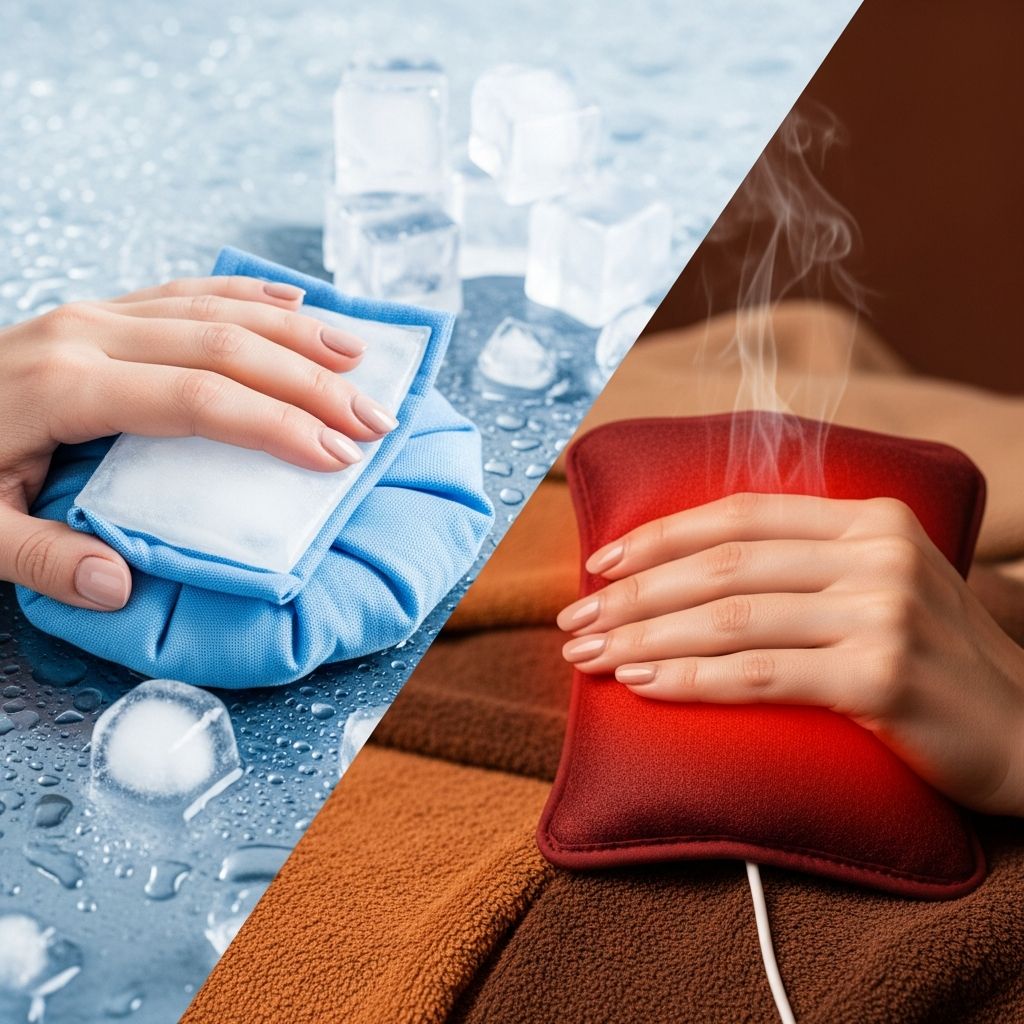
When pain strikes, reaching for ice or heat is often the first instinct. But which one should you actually use? The answer depends on the type of pain, how long you’ve had it, and what’s causing it. Both ice and heat are accessible, affordable, and natural pain relief options—but they work in fundamentally different ways and serve different purposes in the recovery process.
How Ice and Heat Work Differently
Cold Therapy (Ice)
Ice reduces blood flow, numbs sharp pain, and slows the body’s inflammatory response. When applied to an injury, cold constricts blood vessels, which decreases swelling and provides temporary pain relief. Ice is most effective in the immediate aftermath of an injury—typically within the first 48 hours.
However, modern research has shifted our understanding of inflammation. Inflammation is now recognized as a natural and necessary part of recovery. While ice temporarily suppresses inflammation, overusing it may actually delay healing by interfering with the body’s natural repair mechanisms. This is why ice should be used sparingly and strategically, not as a default for all pain.
Heat Therapy
Heat increases blood flow, relaxes tight muscles, and relieves stiffness. Unlike ice, heat supports the body’s natural healing response by encouraging circulation and mobility. Heat works by promoting metabolism in tissues and improving oxygen delivery to the affected area, which facilitates recovery and long-term pain relief.
Think of it this way: ice is an emergency tool for acute situations, while heat is the go-to option for recovery and ongoing pain management.
When to Use Ice
Use ice only in these specific situations:
- Severe swelling after surgery or for visibly swollen joints
- Acute pain so intense it prevents sleep or basic movement
- Immediately after injury (within the first 6 weeks for acute injuries)
- Acute joint sprains or muscle strains in the first 24-48 hours
Ice therapy sessions should last about 10-15 minutes, several times a day. Always wrap ice in a towel or use an ice pack—never apply ice directly to skin, as it can cause frostbite or tissue damage.
For people with reduced sensation or numb skin, ice should be avoided entirely due to the higher risk of burn or frostbite injury.
When to Use Heat
Heat is beneficial for these situations:
- Stiffness and muscle tension
- Chronic or ongoing pain
- Nerve-related pain such as sciatica, pinched nerves, or burning sensations
- Before or after exercise to prepare muscles and aid recovery
- Chronic osteoarthritis and joint pain
- Muscle tension linked to nerve pain
- Headaches and tension-related discomfort
Heat therapy can be applied for longer periods than ice and supports long-term recovery. Common forms include hot packs, warm water immersion, saunas, and ultrasound. When using heating pads, follow the manufacturer’s instructions to avoid burns and don’t leave them on excessively.
Related Stories



Ice vs Heat: A Quick Comparison Table
| Type of Pain | Ice | Heat | Why |
|---|---|---|---|
| New injury or flare-up with swelling | ✅ | ❌ | Ice helps limit swelling and dull sharp pain |
| Stiff, tight, or guarded muscles | ❌ | ✅ | Heat improves blood flow and tissue relaxation |
| Nerve pain (burning, shooting, tingling) | Occasionally | ✅ | Heat helps muscle tension; ice may calm acute flares |
| Pinched nerve symptoms | Occasionally | ✅ | Depends on irritation vs. stiffness |
| Chronic joint or muscle pain | ❌ | ✅ | Heat supports healing and reduces stiffness |
| Acute sports injury (first 48 hours) | ✅ | ❌ | Ice reduces swelling and inflammation immediately |
Pain Relief by Condition
Sciatica Pain
Heat is generally better for sciatica because it encourages blood flow, eases stiffness, and relaxes the tight muscles that may be pressing on the nerve. Ice for sciatic pain may be used sparingly if swelling is extreme or pain is preventing rest, but research shows frequent icing may actually delay recovery. For ongoing sciatica management, heat combined with movement and activity is more effective.
Joint Pain (Knee, Ankle, Shoulder)
Heat is more effective at reducing stiffness and speeding recovery for general joint pain. Ice for joint pain is only recommended for severe pain, acute injury, or visibly swollen joints, such as after surgery. For chronic joint inflammation, newer research confirms that suppressing inflammation with ice can slow healing, making heat and movement better choices.
Back Pain
Both ice and heat can help back pain, but the best choice depends on the cause. Use ice for acute back injuries with swelling or severe pain that prevents movement. Use heat for muscle tension, stiffness, and chronic back pain related to muscle guarding.
Muscle Strains and Pulls
For acute muscle strains, ice is helpful in the first 24-48 hours to control swelling and pain. After the acute phase passes, heat becomes more beneficial for easing tension and promoting healing.
Headaches
Both ice and heat can relieve headaches, depending on the type. Some people find cold therapy numbing for tension headaches, while others prefer heat to relax neck and shoulder muscles.
Contrast Therapy: Alternating Ice and Heat
For some conditions like acute nerve pain or sciatica, alternating cold and heat (contrast therapy) may provide temporary symptom relief. This approach involves switching between ice and heat applications. However, contrast therapy should not replace movement, activity, and long-term care strategies.
Some people find using heat in the morning and ice at night provides the most benefit. However, there is no one-size-fits-all approach—the best method depends on individual response and symptom patterns.
When Heat Is Often More Helpful Than Ice
Heat is often more helpful than ice, especially when symptoms are linked to muscle tension, stiffness, or guarding around irritated nerves. Many experts now recommend heat for most pain types because it supports natural healing rather than suppressing it.
In a survey of pain sufferers, roughly 52.6% found heat more effective, 18.7% preferred cold, and 28.7% said they were about equal. This variation highlights the importance of personalizing your approach based on your body’s response.
Safety Guidelines and Best Practices
General Application Rules
- Duration: Apply ice or heat for 10-15 minutes at a time, several times daily
- Never apply directly to skin: Always wrap ice or heating pads in a towel or cloth to prevent damage
- Avoid prolonged use: Extended use of heating pads increases burn risk; don’t leave them on excessively
- Test first: Start with shorter sessions to see how your body responds
- Stay alert: People with sensory disorders that prevent normal sensation should be especially careful with ice
When to Seek Medical Attention
If pain is worsening, spreading, or paired with numbness or weakness, it’s time to look beyond home remedies and consult a healthcare professional. Neither ice nor heat treats the underlying cause of pain—they only offer temporary symptom relief. Persistent, severe, or progressive pain requires professional evaluation.
Cold Therapy vs Heat Therapy: Advantages and Disadvantages
Cold Therapy Benefits and Drawbacks
Benefits: Reduces inflammation, provides temporary pain relief, and limits bruising
Drawbacks: Can cause skin damage if used incorrectly; may interrupt natural healing if overused; unsuitable for people with sensory disorders
Heat Therapy Benefits and Drawbacks
Benefits: Increases blood flow, relaxes muscles, supports chronic pain relief, and aids recovery
Drawbacks: Potential for burns if used improperly; not ideal for acute inflammatory injuries in the first 48 hours
Frequently Asked Questions (FAQs)
Q: Is heat or ice better for back pain?
A: It depends on the cause. Use ice for acute injuries with swelling and severe pain. Use heat for muscle tension, stiffness, and chronic back pain. Many people find heat more effective for ongoing relief.
Q: Can I use both ice and heat on the same injury?
A: Yes, you can alternate between them in some cases, especially for sciatica or acute nerve pain. Use ice initially for severe swelling, then transition to heat for recovery.
Q: How long should I apply ice or heat?
A: Both should be applied for 10-15 minutes at a time, several times daily. Never leave ice or heating pads on longer than recommended to avoid tissue damage.
Q: Is ice or heat better for arthritis?
A: Heat is generally better for chronic osteoarthritis because it improves blood flow and reduces stiffness. Ice is only used if there’s acute swelling or severe pain.
Q: Can I sleep with a heating pad on?
A: It’s not recommended to sleep with a heating pad on for extended periods due to burn risk. Use it before bed for 10-15 minutes to relax muscles, then remove it.
Q: Should I use ice or heat for a sprained ankle?
A: Use ice immediately after the injury (first 24-48 hours) to reduce swelling and pain. After the acute phase, transition to heat to improve mobility and support healing.
Q: When should I stop using ice or heat and see a doctor?
A: Seek medical attention if pain worsens, spreads, or is accompanied by numbness or weakness. Severe or persistent pain requires professional evaluation and may indicate an underlying condition needing treatment.
References
- Ice vs Heat: When to Use Cold or Heat for Pain Relief — Sword Health. 2024. https://swordhealth.com/articles/ice-vs-heat
- Ice vs Heat: Which Is Best for Pain Relief? — Biofreeze. 2024. https://biofreeze.com/articles/ice-vs-heat-which-is-best-for-pain-relief/
- Ice vs. Heat: Which Is Best for Your Injury? — Mass General Brigham. 2024. https://www.massgeneralbrigham.org/en/about/newsroom/articles/ice-vs-heat
- Effect of Cold and Heat Therapies on Pain Relief in Patients with Delayed Onset Muscle Soreness — National Center for Biotechnology Information. 2023. https://pmc.ncbi.nlm.nih.gov/articles/PMC8862647/
- The Benefits of Heat and Cold Therapy for Chronic Pain — U.S. Pain Foundation. 2024. https://uspainfoundation.org/news/the-benefits-of-heat-and-cold-therapy-for-chronic-pain/
- When to Treat Pain with Ice vs Heat — Piedmont Healthcare. 2024. https://www.piedmont.org/blog/when-to-treat-pain-with-ice-vs-heat
Similar Articles








Read full bio of Sneha Tete