Ice Water Facial Benefits: 5 Proven Perks For 2025
Discover the potential benefits, risks, and expert tips for ice water facials, the viral skincare trend promising reduced puffiness and glowing skin.
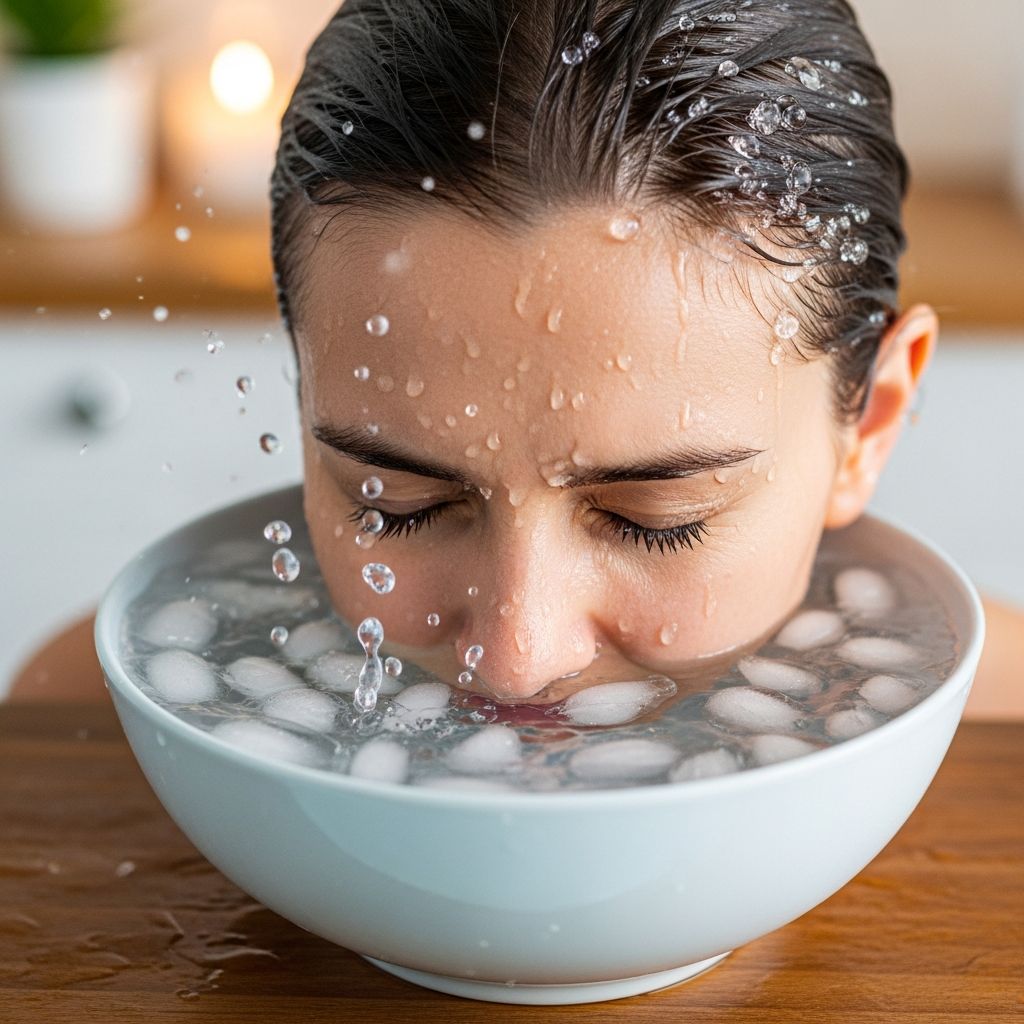
The ice water facial, a viral skincare trend exploding on social media platforms like TikTok, involves submerging your face in a bowl of ice-cold water. Proponents claim it reduces puffiness, tightens pores, and leaves skin looking refreshed and glowing. But does this chilly ritual deliver real results, or is it just another fleeting beauty hack? Dermatologists explain the science, benefits, potential risks, and how to try it safely—or skip it altogether.
What Is an Ice Water Facial?
An
ice water facial
is a simple at-home treatment where you dunk your face into a bowl filled with cold water and ice cubes for 10–30 seconds. Unlike traditional facial icing, which uses ice directly on the skin, this method submerges the entire face in icy water. The practice draws from cryotherapy principles, using cold temperatures to constrict blood vessels (vasoconstriction), temporarily reducing swelling and enhancing skin appearance.The trend gained traction through “get ready with me” videos, where influencers showcase the shocking plunge as a morning wake-up ritual. While no large-scale clinical studies specifically target ice water facials, related research on cold water immersion supports short-term benefits like decreased inflammation. Experts note it’s invigorating but emphasize moderation to avoid skin damage.
Potential Benefits of Ice Water Facials
Ice water facials offer several appealing, mostly temporary perks backed by dermatological insights and user experiences:
- Reduces Puffiness and Inflammation: The cold triggers vasoconstriction, shrinking blood vessels and minimizing under-eye bags or facial swelling—ideal after a late night or salty meal.
- Tightens Pores and Improves Texture: Cold water firms the skin, making enlarged pores appear smaller and creating a smoother complexion instantly.
- Enhances Circulation and Glow: Post-dip, blood flow rebounds (rebound vasodilation), delivering oxygen and nutrients for a healthy flush.
- Boosts Alertness and Mood: The shock stimulates endorphins and lymphatic drainage, leaving you energized and detoxified.
- Controls Oiliness: Temporarily mattifies oily skin by reducing sebum production.
Users often report immediate dewiness, with one experimenter noting heightened morning alertness despite no lasting anti-puffiness effects after a week. Studies on voluntary cold exposure suggest broader wellness gains, like reduced systemic inflammation.
How to Do an Ice Water Facial at Home
Ready to try? Follow these steps for safe, effective results:
- Gather Supplies: Large bowl (12-inch diameter, 6-inch deep), ice cubes (whole, not crushed to avoid sharpness), and cold tap water.
- Prep Your Skin: Cleanse gently. Optional: Apply a thin layer of moisturizer as a barrier.
- Fill the Bowl: Add ice to cold water until it’s slushy—not fully frozen.
- Dunk: Hold breath, submerge face for 10–30 seconds. Repeat 2–3 times. Use nose plugs if water enters nostrils.
- Follow Up: Pat dry, apply hydrating serum, moisturizer, and sunscreen. Limit to 2–3 times weekly, mornings best.
Related Stories



Pro Tip: Start with shorter dips (10 seconds) to build tolerance. Time it for post-workout de-puffing or pre-event glow.
Risks and Who Should Avoid Ice Water Facials
Not everyone should brave the chill. Potential downsides include:
- Dryness and Irritation: Cold strips natural oils, worsening dry or sensitive skin.
- Broken Capillaries or Frostbite: Prolonged exposure risks ice burns or visible vessels, especially in thin-skinned areas.
- Triggers Breakouts: Rebound oil production may clog pores in acne-prone skin.
- Worsens Conditions: Avoid if you have rosacea, eczema, or fragile capillaries—cold exacerbates inflammation.
Sensitive skin users may experience redness; one reviewer quit after discomfort and no visible changes. Always patch-test and consult a dermatologist for inflammatory issues.
How Long to Dunk Your Face and When to Expect Results
Keep dips brief:
10–30 seconds max
per round to reap benefits without harm. Longer risks irritation or frostbite. Effects are immediate—less puffiness, firmer feel—but temporary (hours). Consistent use (2–3x/week) may yield subtle tone improvements over time, but pair with a full routine for lasting results.| Duration | Benefits | Risks |
|---|---|---|
| 10 seconds | Mild de-puff, wake-up boost | Minimal |
| 30 seconds | Pore tightening, glow | Dryness if sensitive |
| >30 seconds | Diminishing returns | Irritation, burns |
Safer Alternatives to Ice Water Facials
If dunking feels too extreme, try these gentler cryotherapy options:
- Chilled Compress: Wrap ice in a soft cloth; apply 5–10 minutes.
- Cool Water Splash: Rinse with cold tap water—no ice needed.
- Fridge-ify Products: Chill sheet masks, jade rollers, or gua sha tools for depuffing.
- Facial Mists: Refrigerate hydrating sprays for on-the-go refresh.
- Cryotherapy Masks: Gel masks frozen for targeted cooling.
These provide similar vasoconstriction without shock or water waste.
Expert Opinions: What Dermatologists Say
Dr. Alexandra Bowles (Mona Dermatology) affirms short dips firm skin and aid detox but warns against overdoing it for sensitive types. A YouTube dermatologist highlights vasoconstriction for redness reduction. PubMed research links cold immersion to anti-inflammatory effects, though not face-specific. Overall, experts view it as a fun adjunct—not a skincare savior.
Frequently Asked Questions (FAQs)
What does an ice water facial do?
It temporarily reduces puffiness via vasoconstriction, tightens pores, and boosts circulation for a refreshed glow.
Is ice water facial safe?
Yes, for 10–30 seconds if you have resilient skin. Avoid with rosacea, eczema, or sensitivity.
How often should you do ice water facials?
2–3 times per week max to prevent dryness or irritation.
Does ice water facial reduce wrinkles?
No direct evidence; it firms temporarily but doesn’t address aging long-term.
Can ice water facials cause breakouts?
Possibly, via rebound oiliness in acne-prone skin.
Final Thoughts
Ice water facials deliver a quick, invigorating pick-me-up with science-backed temporary perks like depuffing and pore minimization. However, they’re no substitute for sunscreen, hydration, and retinoids. Listen to your skin—if it tingles pleasantly, dive in sparingly. For lasting radiance, integrate into a balanced routine. (Word count: 1678)
References
- Ice Water Facials | As Seen in Glamour — Mona Dermatology. 2025. https://www.monadermatology.com/ice-water-facials/
- I Did an Ice Water Facial Every Day for a Week — Healthline. 2025-05-06. https://www.healthline.com/health/i-did-an-ice-water-facial-every-day-for-a-week
- Yes, Dunking Your Face in Ice Water Helps With Puffiness — theSkimm. 2026. https://www.theskimm.com/beauty/skin-care/ice-water-facial-benefits
- Health effects of voluntary exposure to cold water — PubMed Central (PMC). 2022-09-20. https://pmc.ncbi.nlm.nih.gov/articles/PMC9518606/
- Ice water facial decoded by a dermatologist — YouTube. 2025. https://www.youtube.com/shorts/NBHc9o5TU9o
Similar Articles








Read full bio of medha deb