Ichthyosis Prematurity Syndrome: Clinical Overview
Comprehensive guide to ichthyosis prematurity syndrome, a rare genetic skin disorder affecting newborns.
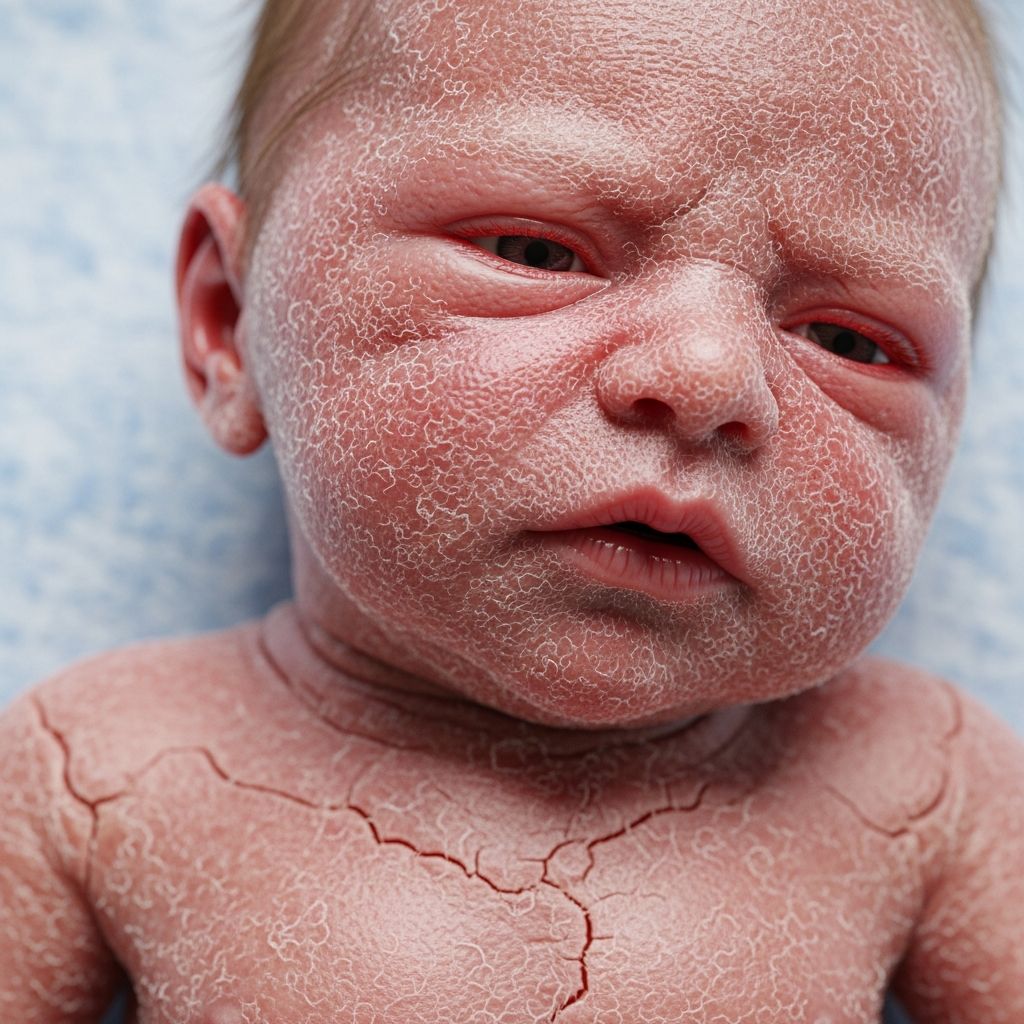
Ichthyosis Prematurity Syndrome: A Comprehensive Clinical Overview
Ichthyosis prematurity syndrome (IPS) is a rare autosomal recessive genetic skin disorder in which affected infants are born prematurely with abnormal skin covered in a thick clay-like vernix. This condition represents a significant challenge for neonatal care and requires specialized medical management from the moment of diagnosis. Understanding the clinical features, genetic basis, and management strategies is essential for healthcare professionals involved in caring for affected infants and their families.
Introduction and Disease Definition
Ichthyosis prematurity syndrome is a rare, syndromic congenital ichthyosis characterized by premature birth, typically occurring at gestational weeks 30-32, in addition to thick, caseous and desquamating epidermis, neonatal respiratory asphyxia, and persistent eosinophilia. The condition is defined by its unique presentation at birth, which includes characteristic skin changes that distinguish it from other forms of congenital ichthyosis. After the perinatal period, a spontaneous improvement in the health of affected patients is observed, and skin features evolve into a milder presentation of flat follicular hyperkeratosis with atopy.
The disease has multiple synonyms in medical literature, including congenital ichthyosis type 4 and ichthyosis congenita IV, which reflects its historical classification within the spectrum of congenital ichthyotic disorders. Despite its rarity and serious presentation at birth, many affected individuals survive the neonatal period with appropriate medical intervention and go on to live relatively normal lives with manageable long-term skin manifestations.
Demographics and Epidemiology
Ichthyosis prematurity syndrome is an exceptionally rare condition with less than 100 affected individuals reported worldwide. This makes it one of the rarest forms of congenital ichthyosis and explains why many healthcare providers may encounter only one or two cases throughout their careers.
Being recessively inherited, both parents must carry a copy of the defective gene in order for this recessive disorder to manifest in their offspring. Each child of two carrier parents has a 25% chance of being affected, a 50% chance of being a carrier, and a 25% chance of being unaffected. Clusters of cases have been reported from Ireland and Scandinavia, suggesting possible founder effects or increased carrier frequency in these populations. This geographic clustering has been valuable for genetic research and identification of specific SLC27A4 mutations within these populations.
Genetic Basis and Molecular Pathophysiology
Ichthyosis prematurity syndrome is caused by mutations of the SLC27A4 gene that codes for the fatty acid transport protein 4 (FATP4), which is responsible for skin barrier function during the embryonic and neonatal period. This protein plays a crucial role in the transport of long-chain fatty acids across cellular membranes, which are essential components of the skin barrier lipids that maintain skin integrity and prevent water loss.
When mutations in the SLC27A4 gene result in a non-functional or severely impaired FATP4 protein, the skin barrier fails to develop properly. This defective barrier function leads to abnormal desquamation of keratinocytes into the amniotic fluid during fetal development. The excessive shedding of keratinocytes into the amniotic fluid causes polyhydramnios, a condition characterized by excessive amniotic fluid volume.
The aspiration of this excessive amniotic keratinocyte debris into the lungs results in temporary respiratory failure in the days after delivery. The desquamated cells and keratin debris can fill the bronchial tree and alveoli, leading to mechanical obstruction and severe respiratory compromise. Cytological analysis of bronchoalveolar lavage fluid in affected infants reveals a high ratio of squamous cells, which confirms the aspiration of skin keratin material into the respiratory tract.
Related Stories



Clinical Features and Presentation
Prenatal Features
The prenatal presentation of ichthyosis prematurity syndrome includes characteristic ultrasound findings that may alert clinicians to the diagnosis before birth. These findings include:
- Polyhydramnios (excessive amniotic fluid volume)
- Separation of chorionic and amniotic membranes
- Appearance of echo-free fluid in the chorionic cavity
- Echogenic amniotic fluid due to high concentration of desquamated epithelial cells
Mothers of affected fetuses typically develop polyhydramnios, which can precipitate premature labor and delivery. The presence of these prenatal ultrasound findings, combined with a family history of similar cases or known carrier status of the parents, should raise suspicion for ichthyosis prematurity syndrome.
Neonatal Features
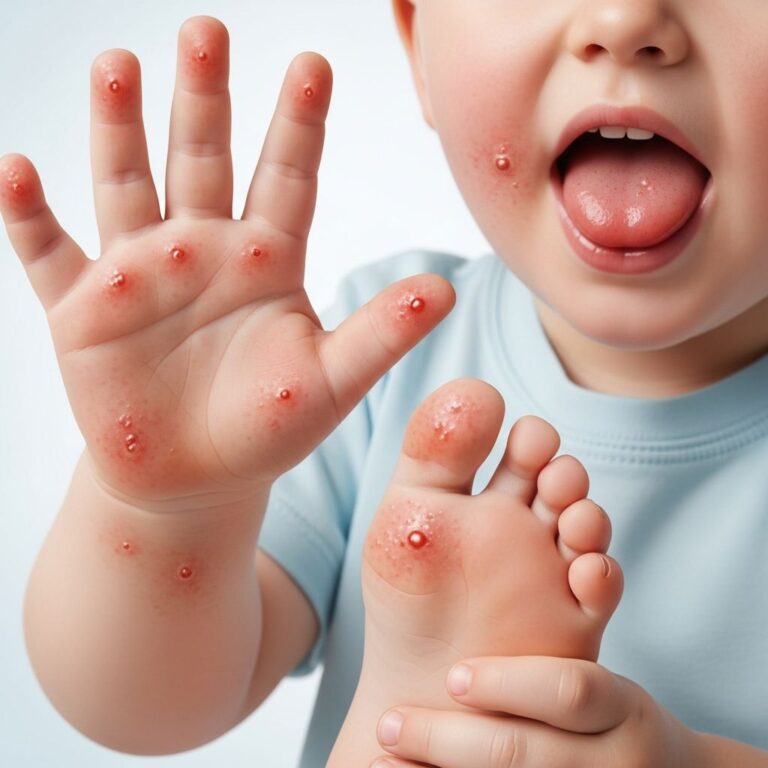
The clinical appearance at birth is characteristic and distinctive, even though the condition is rare. Affected infants are born prematurely, typically between 30-32 weeks of gestation, with markedly abnormal skin. The skin presents with thick, spongy, caseous desquamating appearance that resembles vernix caseosa. This distinctive appearance is accentuated more on the scalp and eyebrows, where the scaling may be particularly pronounced.
Key neonatal features include:
- Premature birth (typically 30-32 weeks gestation)
- Thick, clay-like vernix covering the entire body
- Severe respiratory distress or asphyxia
- Persistent eosinophilia (elevated eosinophil count in blood)
- Red, scaly skin with cobblestone-like appearance in early neonatal period
- Perinatal respiratory asphyxia requiring ventilatory support
After birth, if the infant survives the acute respiratory crisis, moderate erythroderma (redness) with scaling develops, which may resemble a cobblestone appearance. This presentation gradually improves over the first weeks and months of life, with skin changes lessening rapidly during the early neonatal period.
Long-term Skin Features
In later childhood and adulthood, there may be mild ichthyosis and follicular hyperkeratosis that persist. The affected individual may continue to have dry skin and follicular ichthyosis into adult life. However, the severity of these features is dramatically reduced compared to the neonatal presentation, and many patients develop only minor cosmetic concerns rather than significant functional impairment.
Associated Complications
Ichthyosis prematurity syndrome is associated with several important complications that require careful management:
Respiratory Complications
The most serious and immediately life-threatening complication is neonatal respiratory distress and asphyxia. This occurs due to aspiration of amniotic fluid containing desquamated keratinocytes and keratin debris. The severity of lung disease is directly correlated with the severity of ichthyosis, with more severe skin involvement generally associated with more extensive keratin aspiration and more severe respiratory compromise.
Ventilatory support is often required immediately after birth, and some infants may require prolonged mechanical ventilation. The respiratory distress typically improves gradually over the first days to weeks of life as the aspirated material is cleared and the lungs recover from the chemical and mechanical irritation.
Metabolic and Fluid Balance Complications
The severe desquamation and abnormal skin barrier function in neonates with IPS can lead to significant fluid and electrolyte losses. Premature infants with severely abnormal skin barriers face increased transepidermal water loss, which can lead to dehydration and difficulty maintaining appropriate fluid and electrolyte balance. Careful monitoring of serum electrolytes and fluid intake is essential during the acute neonatal period.
Atopic Conditions
There is a higher incidence of atopic conditions in individuals with ichthyosis prematurity syndrome, including asthma, eczema, and hay fever. This increased atopic tendency may be related to the underlying genetic defect affecting skin barrier function, which is known to be impaired in atopic individuals. Preventive measures and appropriate management of these conditions are important for long-term quality of life.
Diagnosis
The diagnosis of ichthyosis prematurity syndrome relies on a combination of clinical presentation, specific diagnostic tests, and family history evaluation. The clinical appearance is unique and highly suggestive of the diagnosis when present.
Clinical Diagnosis
The distinctive clinical presentation at birth—premature delivery between 30-32 weeks, thick caseous vernix-like scaling, severe respiratory distress, and polyhydramnios in the mother—is often sufficient to raise strong suspicion for ichthyosis prematurity syndrome. The characteristic appearance, combined with the rarity of other conditions presenting identically, makes clinical diagnosis relatively straightforward when the condition is considered in the differential diagnosis.
Genetic Testing
Confirmation of the diagnosis is achieved through genetic testing. Molecular genetic analysis can identify mutations in the SLC27A4 gene. DNA sequencing of the SLC27A4 gene in affected individuals typically reveals biallelic mutations (mutations on both copies of the gene), consistent with autosomal recessive inheritance. This genetic confirmation is particularly important for genetic counseling and for confirming the diagnosis in cases where clinical presentation may be atypical or complicated by other factors.
Prenatal Diagnosis
For families with a known history of ichthyosis prematurity syndrome, prenatal diagnosis is possible. Prenatal ultrasound findings of polyhydramnios with the characteristic ultrasound appearance, combined with genetic testing of fetal material (obtained through amniocentesis or chorionic villus sampling), can confirm the diagnosis prenatally. This allows for appropriate preparation and planning for the delivery and immediate neonatal management of an affected infant.
Differential Diagnoses
Although the clinical appearance of ichthyosis prematurity syndrome is characteristic, other inherited skin conditions may need consideration, particularly when presentation is atypical or when premature delivery is not a prominent feature. Differential diagnoses include:
- Harlequin ichthyosis (more severe with diamond-shaped plates of skin)
- Lamellar ichthyosis (different pattern of skin changes)
- Non-bullous congenital ichthyosiform erythroderma
- Other forms of congenital ichthyosis
- Neonatal herpes simplex infection (can present with erythroderma in neonates)
Genetic testing and careful clinical evaluation can distinguish ichthyosis prematurity syndrome from these other conditions.
Management and Treatment
Acute Neonatal Management
Management of ichthyosis prematurity syndrome focuses on supporting the infant through the acute neonatal period and providing symptomatic treatment for skin manifestations. Affected babies should be delivered with ventilatory support available, as severe respiratory distress is anticipated. Immediate access to mechanical ventilation may be life-saving.
Key management strategies include:
- Provision of respiratory support as needed for asphyxia and respiratory distress
- Maintenance of fluid and electrolyte balance with careful monitoring
- Temperature regulation and prevention of hypothermia
- Skin care with emollients and appropriate bathing practices
- Monitoring for signs of infection and appropriate antimicrobial therapy if needed
- Nutritional support, which may require specialized feeding approaches
Skin Management
Topical management of the skin involves gentle cleansing and the application of emollients and moisturizers. The goal is to support the recovering skin barrier and promote healing. As the acute desquamation resolves, regular use of emollients can help manage the persistent dry skin and follicular hyperkeratosis that may continue into childhood and adulthood.
Long-term Management
Long-term management includes regular dermatologic monitoring and continuation of appropriate skin care with emollients. Screening for and management of associated atopic conditions (asthma, eczema, allergies) is important. Regular follow-up with pediatric specialists is recommended to monitor for development of these conditions and to provide appropriate preventive care and treatment.
Pregnancy Considerations and Genetic Counseling
Subsequent pregnancies in families with a history of ichthyosis prematurity syndrome require expert obstetric care and ultrasound observation of the amniotic fluid. Careful monitoring for signs of polyhydramnios should begin in the second trimester, as early recognition allows for appropriate preparation for premature delivery and neonatal management.
Parents of affected children should receive comprehensive genetic counseling explaining the autosomal recessive inheritance pattern and the risks in future pregnancies. For carrier parents, each subsequent pregnancy carries a 25% risk of affected status. Prenatal diagnosis options should be discussed, and appropriate monitoring and preparedness for premature delivery should be established for each pregnancy.
Prognosis and Long-term Outcome
The prognosis for ichthyosis prematurity syndrome has improved significantly with modern neonatal intensive care. Most infants who survive the acute neonatal period have a favorable long-term outcome. The skin changes lessen rapidly after birth, and the severe dermatologic manifestations that characterize the neonatal period gradually resolve.
In later childhood and adulthood, affected individuals typically have mild ichthyosis and follicular hyperkeratosis with atopy. Many individuals function normally in daily life, though they may have persistent dry skin and require ongoing use of emollients. The higher incidence of atopic conditions means that some individuals may experience asthma, eczema, or allergies requiring management, but these are generally manageable with standard therapies.
Quality of life for survivors of ichthyosis prematurity syndrome is generally good, though ongoing dermatologic support and management of atopic manifestations may be beneficial throughout life.
Frequently Asked Questions
Q: How common is ichthyosis prematurity syndrome?
A: Ichthyosis prematurity syndrome is extremely rare, with fewer than 100 affected individuals reported worldwide. It represents one of the rarest forms of congenital ichthyosis.
Q: Is ichthyosis prematurity syndrome hereditary?
A: Yes, ichthyosis prematurity syndrome is inherited in an autosomal recessive pattern. Both parents must be carriers of the SLC27A4 gene mutation for a child to be affected. Each child of two carrier parents has a 25% chance of being affected.
Q: What is the main cause of respiratory distress in affected infants?
A: The respiratory distress is caused by aspiration of amniotic fluid containing desquamated keratinocytes and keratin debris. The abnormal skin barrier allows excessive shedding of skin cells into the amniotic fluid, which the fetus then aspirates into the lungs.
Q: Can ichthyosis prematurity syndrome be diagnosed prenatally?
A: Yes, prenatal diagnosis is possible for families with known history or carrier status. Prenatal ultrasound may show polyhydramnios with characteristic features, and genetic testing of fetal material can confirm the diagnosis.
Q: What is the long-term skin appearance in adults with ichthyosis prematurity syndrome?
A: Adults typically have mild ichthyosis and follicular hyperkeratosis with dry skin. The severe manifestations present at birth resolve significantly, though dry skin requiring emollient use may persist.
Q: What is the main gene responsible for this condition?
A: Mutations in the SLC27A4 gene, which codes for fatty acid transport protein 4 (FATP4), cause ichthyosis prematurity syndrome. This protein is essential for skin barrier function during fetal development.
Q: Are there increased risks for other health conditions in affected individuals?
A: Yes, individuals with ichthyosis prematurity syndrome have a higher incidence of atopic conditions including asthma, atopic dermatitis (eczema), and hay fever that may require ongoing management.
References
- Ichthyosis Prematurity Syndrome — National Organization for Rare Disorders (NORD). 2024. https://rarediseases.org/mondo-disease/ichthyosis-prematurity-syndrome/
- Ichthyosis-prematurity syndrome — Orphanet (European Organization for Rare Diseases). 2024. https://www.orpha.net/en/disease/detail/88621
- Ichthyosis Prematurity Syndrome: A Complete Overview — DermNet. 2022. https://dermnetnz.org/topics/ichthyosis-prematurity-syndrome
- Ichthyosis prematurity syndrome — UniProt Database. 2024. https://www.uniprot.org/diseases/DI-02593
- Ichthyosis Prematurity Syndrome: From Fetus to Adulthood — JAMA Dermatology. 2015. https://jamanetwork.com/journals/jamadermatology/fullarticle/2524843
- Genetic and Rare Diseases Information Center (GARD) — National Institutes of Health, National Center for Advancing Translational Sciences. 2024. https://rarediseases.info.nih.gov
Similar Articles








Read full bio of Sneha Tete