Idarubicin Capsules (Zavedos): Uses, Dosage, Side Effects
Comprehensive guide to idarubicin capsules for treating leukaemia and breast cancer, including usage, side effects, and precautions.
About idarubicin
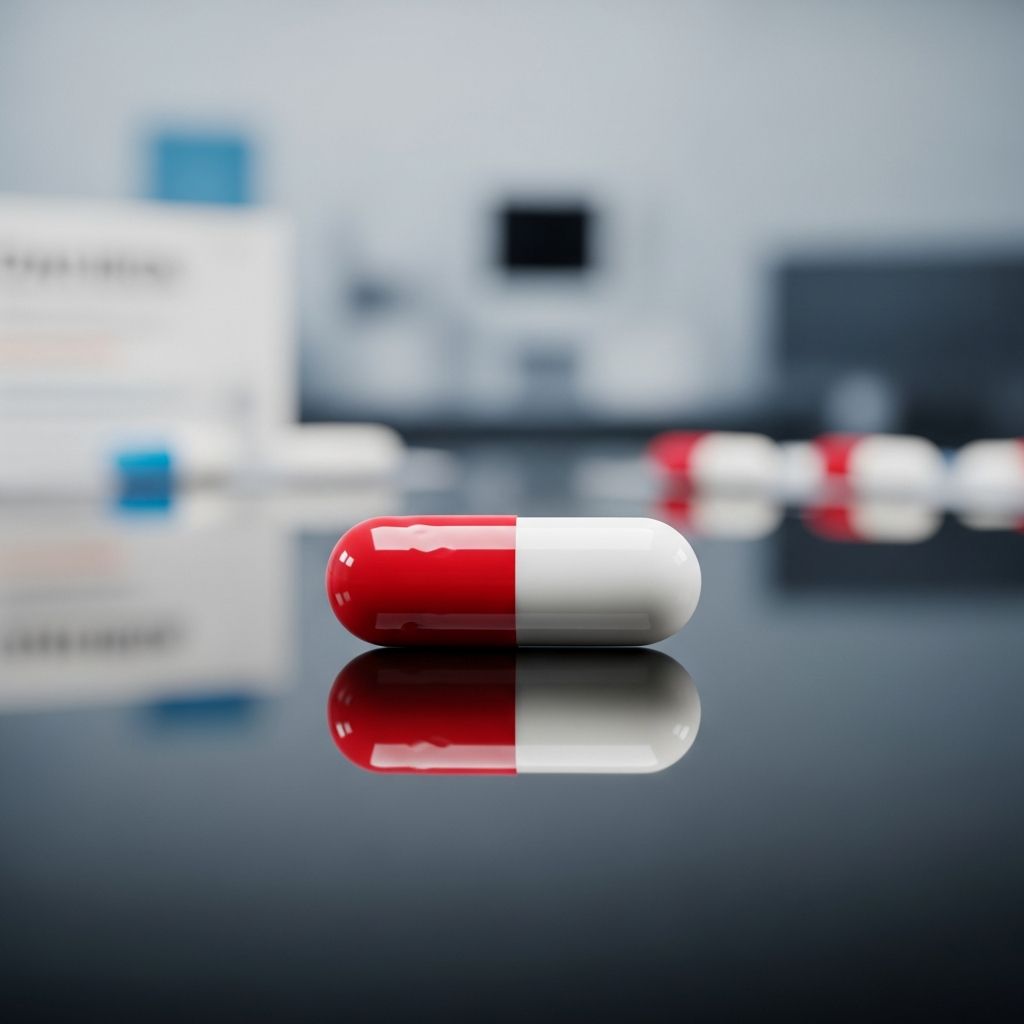
Idarubicin is a potent
anthracycline chemotherapy medicine
primarily used to treat specific types of cancer, includingleukaemia
—a cancer affecting white blood cells—andbreast cancer
when other treatments have failed.Also known by the brand name
Zavedos®
, it is available in capsule and injection forms. Leukaemia, particularly acute myelogenous leukaemia (AML) in adults, is a key indication for remission induction in both untreated and relapsed or refractory cases. In breast cancer, it serves as a secondary option, often combined with other therapies.Idarubicin works by interfering with DNA in cancer cells, inhibiting their growth and division. It can be administered alone or in combination regimens with other cytotoxic agents like cytarabine. Official product information emphasizes its role in AML remission induction, with dosing tailored to patient response and tolerance.
| Type of medicine | Used for | Also called | Available as |
|---|---|---|---|
| An anthracycline chemotherapy medicine | Treatment of leukaemia (e.g., AML) and breast cancer | Zavedos® | Capsules and injection |
Prior to starting treatment, patients receive detailed information from their doctor and the manufacturer’s leaflet, outlining usage and potential side effects. Treatment is overseen by specialists experienced in oncology, ensuring precise dosing based on body surface area (mg/m²).
How to take idarubicin
**Swallow idarubicin capsules whole** with a glass of water—do not bite, chew, suck, or open them, as this can release the drug prematurely and increase side effects. Timing is flexible: take before food or after a light meal, but aim for the
same time each day
to maintain consistency.Dosage is individualized by a specialist. For AML induction, common regimens include
12 mg/m² daily for three days
via slow IV injection (10-15 minutes), combined with cytarabine 100 mg/m² continuous infusion over seven days. Oral capsules follow similar principles, with labels specifying exact doses. Courses may be single-dose or multi-day, potentially repeated after weeks if needed.A second course may be given if leukaemia persists, but delay if severe mucositis occurs, reducing the dose by 25% upon recovery. Always follow the prescribed label; contact your doctor for uncertainties.
- Key administration tips: Water helps swallowing; avoid crushing.
- Treatment duration varies: 1-3 days initially, with monitoring for repeats.
- Combination therapy common in AML.
Getting the most from your treatment
Regular appointments with your doctor or hospital are essential for monitoring progress via
frequent blood tests and check-ups
. Idarubicin causesmyelosuppression
, lowering white blood cell counts and raising infection risk—neutrophils are most affected, with nadirs at 10-14 days post-dose.To minimize risks:
- Avoid contact with infected individuals.
- Report symptoms like sore throat, fever, or chills immediately.
- Maintain hand hygiene and avoid crowds during low blood counts.
- Liver/kidney function tests (bilirubin, creatinine) are required before and during therapy.
Cumulative doses up to 400 mg/m² via capsules show low cardiotoxicity risk, but heart function monitoring is advised. Precautions reduce severe complications like infections or bleeding.
Related Stories



Can idarubicin cause problems?
While effective, idarubicin carries side effects due to its cytotoxic nature. Your doctor discusses these beforehand; not everyone experiences them.
Myelosuppression
is universal, causing leucopenia, neutropenia, thrombocytopenia, and anaemia—life-threatening infections or bleeding possible during nadirs.| Side Effect | Description | Action |
|---|---|---|
| Diarrhoea, nausea, sore mouth | Most frequent; mucositis 3-10 days post-dose | Speak to doctor; antiemetics help |
| Increased infection risk | Due to low white cells | Precautions; report fever |
| Hair loss, rash, appetite loss | Common dermatological/GI effects | Manage supportively |
| Anaemia, bleeding, heart issues | Blood count drops; rare CHF | Doctor monitors |
| Red urine | Harmless, lasts 1-2 days | No action needed |
Other effects include abdominal pain, vomiting, oesophagitis, fever, chills, and elevated liver enzymes. Severe GI toxicity (<5% WHO Grade 4) may involve enterocolitis or perforation—monitor for intense pain. Skin issues like alopecia, rash, or radiation recall occur.
Contraindications: Avoid in severe renal/liver impairment, recent MI, arrhythmias, uncontrolled infections, or hypersensitivity. Report new symptoms to your doctor/pharmacist.
Frequently Asked Questions (FAQs)
Q: What cancers does idarubicin treat?
A: Primarily acute myelogenous leukaemia (AML) in adults for remission induction, and breast cancer after other treatments fail.
Q: Does idarubicin change urine color?
A: Yes, it may turn urine red temporarily (1-2 days)—this is normal and harmless.
Q: How is the dose determined?
A: Based on body surface area (e.g., 12 mg/m²/day for 3 days in AML combos); specialist calculates and labels it.
Q: What precautions reduce infection risk?
A: Avoid sick people, practice hygiene, report fever/sore throat; blood tests monitor counts.
Q: Are there heart risks?
A: Possible cardiotoxicity at high cumulative doses; low risk up to 400 mg/m² capsules. Monitor LVEF/ECG.
Q: Can I eat before taking capsules?
A: Yes, before food or after light meal; swallow whole with water.
This FAQ section addresses common patient concerns for better adherence and safety.
Additional Patient Guidance
Idarubicin hydrochloride, the active ingredient, is an orange-red powder in 5 mg or 10 mg capsules. For optimal outcomes, adhere strictly to schedules. In AML, second courses require toxicity recovery. Supportive care like antiemetics prevents dehydration from nausea/vomiting.
Pregnancy/breastfeeding: Contraindicated due to fetal risks—use contraception. Store securely away from children.
Expand on monitoring: Weekly bloods during nadir periods. If CHF develops, manage with digitalis, diuretics, rest. Official Australian PI reinforces dose adjustments for organ impairment.
Clinical Considerations for Healthcare Providers
Though patient-focused, note: Evaluate hepatic/renal function pre-treatment. Delay doses for severe mucositis. Myelosuppression mandates infection prophylaxis; IV antibiotics for febrile neutropenia.
In combos, cytarabine synergy boosts remission rates in AML. Cumulative monitoring prevents irreversible cardiomyopathy.
Patient-reported outcomes highlight manageable GI effects with prophylaxis, emphasizing education on red urine to avoid alarm.
References
- Idarubicin capsules – Patient.info — Patient.info. 2023. https://patient.info/medicine/idarubicin-capsules-zavedos
- Zavedos (Idarubicin HCl) Prescribing Information — Pfizer. 2023. https://labeling.pfizer.com/ShowLabeling.aspx?id=12199
- Australian Product Information – Zavedos — Pfizer Australia (via Medsinfo). 2024. https://rss.medsinfo.com.au/pf/pi.cfm?product=pfpzavea
- Idarubicin | Macmillan Cancer Support — Macmillan Cancer Support. 2023. https://www.macmillan.org.uk/cancer-information-and-support/treatments-and-drugs/idarubicin
- Zavedos® 5 mg and 10 mg Capsules Patient Information Leaflet — Medicines.org.uk (EMC). 2023. https://www.medicines.org.uk/emc/files/pil.2847.pdf
- Zavedos Capsules – NPS MedicineWise — NPS Australia. 2024. https://www.nps.org.au/medicine-finder/zavedos-capsules
- Zavedos | healthdirect — healthdirect Australia. 2024. https://www.healthdirect.gov.au/medicines/brand/amt,4217011000036101/zavedos
Similar Articles








Read full bio of Sneha Tete