Idiopathic Eruptive Macular Pigmentation
Understanding a rare, benign skin condition characterized by sudden pigmented macules.
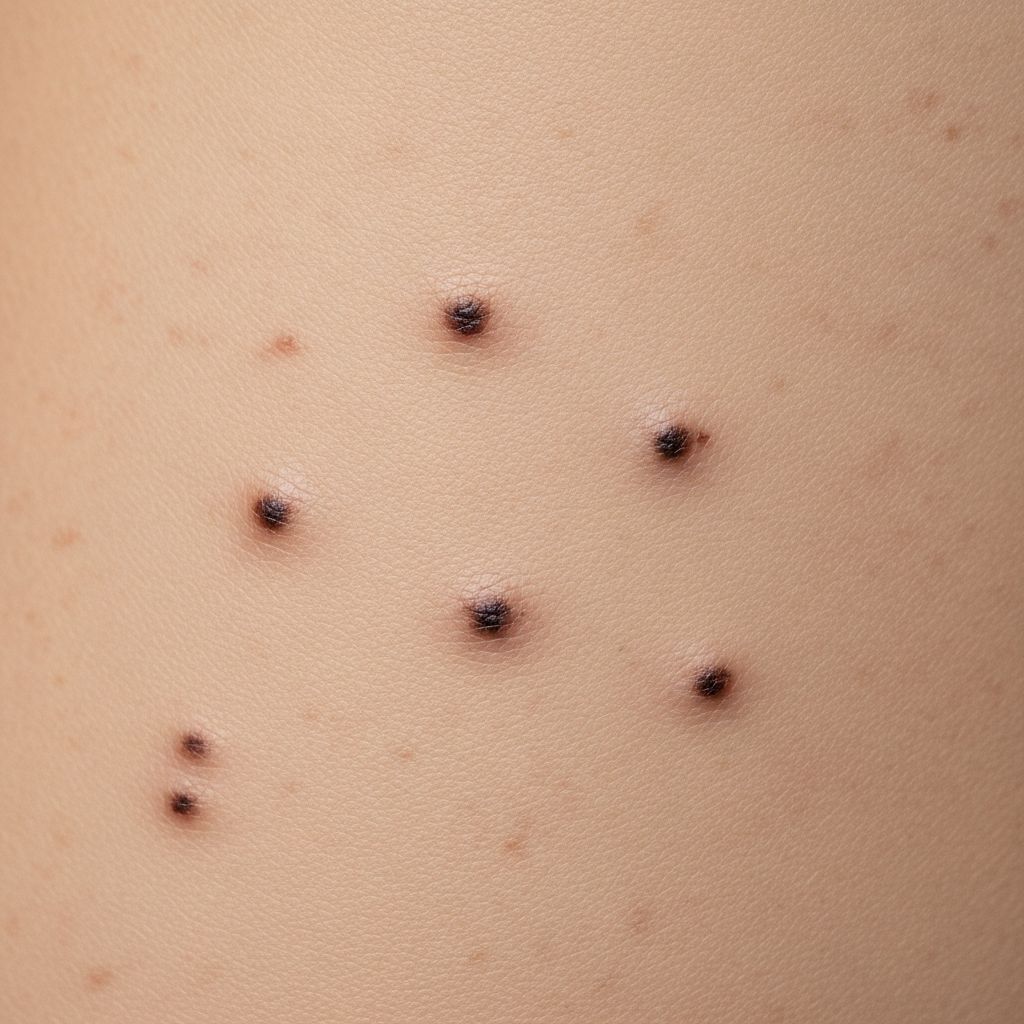
Idiopathic Eruptive Macular Pigmentation: A Comprehensive Clinical Overview
Idiopathic eruptive macular pigmentation (IEMP) is a rare and relatively under-reported dermatological condition of unknown etiology characterized by the sudden eruption of asymptomatic, pigmented macules primarily affecting children and adolescents. First described by Degos and colleagues in 1978, this distinct clinicopathologic entity has gained increasing recognition within the dermatology community, though many cases remain underdiagnosed due to its subtle presentation and benign course. The condition is notable for its unique natural history, as lesions typically appear abruptly and gradually resolve spontaneously within months to years without residual pigmentation or scarring.
Clinical Presentation and Features
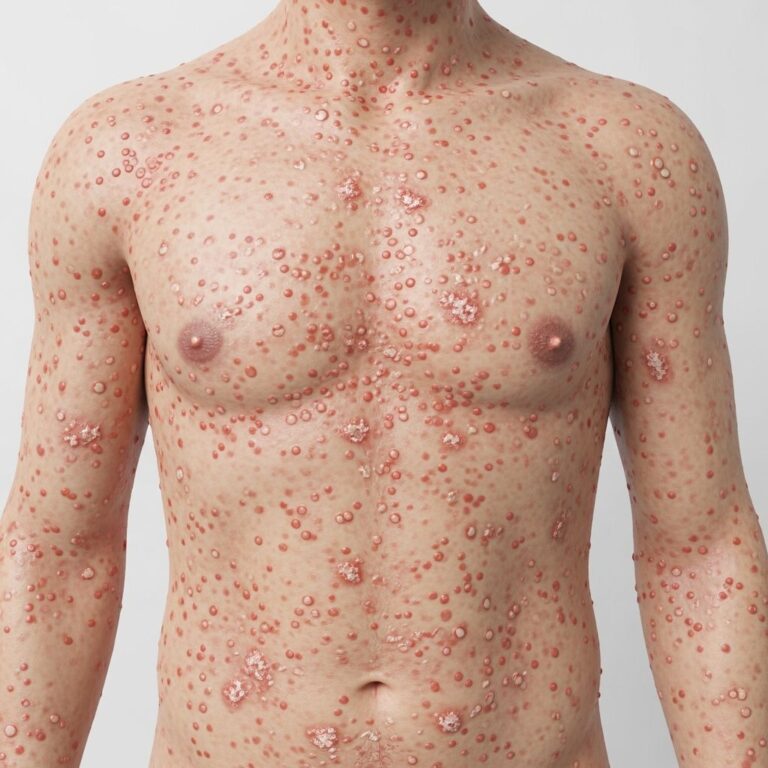
The clinical manifestations of IEMP follow a characteristic pattern that aids in diagnosis. Patients typically present with multiple, well-defined, brownish, non-confluent macules and papules of varying sizes that appear insidiously over the trunk, neck, and proximal extremities. The lesions are consistently asymptomatic, with patients reporting no accompanying itching, erythema, or discomfort. The condition predominantly affects children and adolescents, though cases in young adults have been documented.
Key Clinical Characteristics:
- Brown-colored, round-to-oval macules and papules of varying sizes
- Non-confluent distribution pattern
- Complete absence of pruritus and erythema
- Involvement of trunk, neck, and proximal extremities
- Sparing of mucous membranes, palms, and soles
- Absence of preceding inflammatory lesions
- Negative Darier’s sign
- Accentuated skin markings on dermoscopy in some cases
An important clinical finding that may aid diagnosis is the presence of accentuated skin markings on dermoscopy, which can resemble features seen in acanthosis nigricans. This dermoscopic finding correlates with the histological finding of papillomatosis and can provide a valuable clinical clue toward diagnosis of IEMP, distinguishing it from similar conditions.
Diagnostic Criteria
Formal diagnostic criteria for IEMP were established by Sanz de Galdeano and colleagues in 1996, providing a standardized approach to identifying this condition. These criteria represent the gold standard for diagnosis and have been widely adopted in clinical practice.
Diagnostic Criteria for IEMP:
- Eruption of brownish, non-confluent, asymptomatic macules involving the trunk, neck, and proximal extremities in children and adolescents
- Absence of preceding inflammatory lesions or erythema
- No history of previous drug exposure
- Histopathological findings of basal layer hyperpigmentation of the epidermis with prominent dermal melanophages
- Absence of visible basal layer damage or lichenoid inflammatory infiltrate
- Normal mast cell count on histological examination
Fulfillment of all these criteria is essential for establishing a confident diagnosis of IEMP and excluding mimicking conditions.
Histopathological Features
Histopathological examination is crucial for confirming the diagnosis of IEMP and differentiating it from other pigmentary disorders. The histological profile of IEMP is distinctive and provides definitive confirmation when clinical findings are consistent.
Characteristic Histological Findings:
- Increased melanin in the basal cell layer: The most striking finding in IEMP
- Dermal melanophages: Prominent melanophage infiltration in the dermis
- Mild papillomatosis: Elevation of dermal papillae, sometimes with moderate acanthosis
- Hyperkeratosis: Basket weave pattern of keratin in the stratum corneum
- Absence of basal cell vacuolization: Distinguishing feature from other conditions
- Minimal dermal inflammation: Sparse perivascular lymphocytic infiltrate when present
- Absence of lichenoid infiltrate: Key finding differentiating IEMP from lichen planus pigmentosus
Related Stories



The histopathological profile reveals IEMP to be an epidermal, hypermelanotic condition that is fundamentally different from conditions such as erythema dyschromicum perstans (EDP) and lichen planus pigmentosus (LPP). The preservation of basal cell integrity and absence of interface changes are particularly important diagnostic features.
Differential Diagnosis
Several dermatological conditions present with similar clinical and histological features to IEMP, making accurate differential diagnosis essential to avoid unnecessary treatment. The distinction is primarily achieved through careful clinicopathological correlation.
| Condition | Key Distinguishing Features | Histological Differences |
|---|---|---|
| Lichen Planus Pigmentosus (LPP) | Lichenoid inflammation; typically in darker skin types | Lichenoid infiltrate; basal layer damage |
| Erythema Dyschromicum Perstans (EDP) | Ashy-colored lesions with erythematous raised borders | Interface dermatitis; vacuolar degeneration |
| Fixed Drug Eruption | History of drug exposure; recurrence at same sites | Epidermal necrosis; inflammatory infiltrate |
| Mastocytosis | Darier’s sign positive; systemic symptoms possible | Increased mast cell count |
| Post-inflammatory Hyperpigmentation | History of preceding inflammation or trauma | Epidermal melanin without dermal changes |
The most distinguishing feature of IEMP is that lesions resolve without treatment within several months to years, a characteristic rarely seen in other pigmentary disorders. Additionally, IEMP appears to exist in both dark and light skin phototypes, whereas conditions like EDP and LPP more typically present in individuals with darker skin.
Etiology and Pathogenesis
Despite decades of clinical observation and research, the precise etiology of IEMP remains unknown. However, several theories have been proposed to explain the pathogenic mechanisms underlying this condition.
Proposed Etiological Theories:
- Hormonal Factors: The most logical theory, supported by the predominance of IEMP in children and young adults during periods of hormonal change
- Autoimmune Phenomenon: A case report documented IEMP developing in a woman with Hashimoto’s thyroiditis during pregnancy, suggesting possible autoimmune association
- Variant of Acanthosis Nigricans: Some researchers have speculated that IEMP with papillomatosis may represent an eruptive variant of acanthosis nigricans
- Unknown Dermal Stimulus: The prominence of dermal melanophages suggests an unknown stimulus triggering melanin transfer from epidermis to dermis
The absence of preceding inflammatory lesions and the spontaneous resolution without treatment suggest an inherent, self-limited biological process rather than a response to external triggers.
Management and Treatment
The management of IEMP primarily involves reassurance and supportive care, as the condition invariably resolves spontaneously without treatment. Once diagnosis is confirmed through appropriate clinical and histological correlation, aggressive or specific pharmacological interventions are not indicated.
Management Approach:
- Patient Education: Counseling regarding the benign nature of the condition and its spontaneous resolution
- Reassurance: Emphasizing that lesions will resolve without residual pigmentation or scarring
- Symptomatic Care: Use of emollients for skin care if desired
- Regular Monitoring: Follow-up examination at intervals to document resolution
- Avoidance of Unnecessary Treatment: Avoiding treatments for self-resolving conditions that may cause unnecessary harm or expense
The most important aspect of management is accurate diagnosis to prevent unnecessary investigations and avoid inappropriate therapeutic interventions. Once IEMP is confidently diagnosed through clinicopathological correlation, patients should be informed of the benign, self-limiting nature of their condition.
Frequently Asked Questions
Q: Is idiopathic eruptive macular pigmentation contagious?
A: No, IEMP is not contagious. It is a benign dermatological condition of unknown etiology that does not spread to other individuals.
Q: Will the pigmentation from IEMP be permanent?
A: No. One of the defining characteristics of IEMP is that lesions gradually resolve completely within months to years without any residual pigmentation or scarring, distinguishing it from other pigmentary disorders.
Q: What age group is most affected by IEMP?
A: IEMP predominantly affects children and adolescents, though it can occasionally occur in young adults. The condition typically appears before the age of 20.
Q: Do I need treatment for IEMP?
A: IEMP requires no specific treatment as it resolves spontaneously. Management consists of reassurance and observation, with supportive care such as emollients if desired.
Q: Can IEMP be accurately diagnosed without a skin biopsy?
A: While clinical presentation may suggest IEMP, histopathological examination is essential for confirming diagnosis and excluding mimicking conditions that may require different management.
Q: Is IEMP more common in certain skin types?
A: IEMP appears to exist in both dark and light skin phototypes, unlike conditions such as EDP and LPP which more typically present in individuals with darker skin.
Q: What is the prognosis for IEMP?
A: The prognosis for IEMP is excellent. Lesions resolve spontaneously without treatment, typically within months to years, with complete resolution and no residual effects.
References
- Idiopathic Eruptive Macular Pigmentation: Report on Seven Cases — National Center for Biotechnology Information (NCBI). 2010. https://pmc.ncbi.nlm.nih.gov/articles/PMC2965919/
- A Clinical Clue for Idiopathic Eruptive Macular Pigmentation — International Journal of Research in Medical Sciences (IJRSMS). 2016. https://ijrsms.com/accentuated-skin-markings-a-clinical-clue-for-idiopathic-eruptive-macular-pigmentation/
- Acquired Macular Pigmentation of Unknown Etiology — Journal of Clinical and Aesthetic Dermatology (JCAD). 2019. https://jcadonline.com/macular-pigmentation-january-2019/
- Idiopathic Eruptive Macular Pigmentation with Papillomatosis — National Center for Biotechnology Information (NCBI). 2016. https://pmc.ncbi.nlm.nih.gov/articles/PMC5029264/
Similar Articles








Read full bio of Sneha Tete