Idiopathic Intracranial Hypertension Explained
Discover the causes, symptoms, diagnosis, and treatments for idiopathic intracranial hypertension, a condition causing high brain pressure and vision risks.
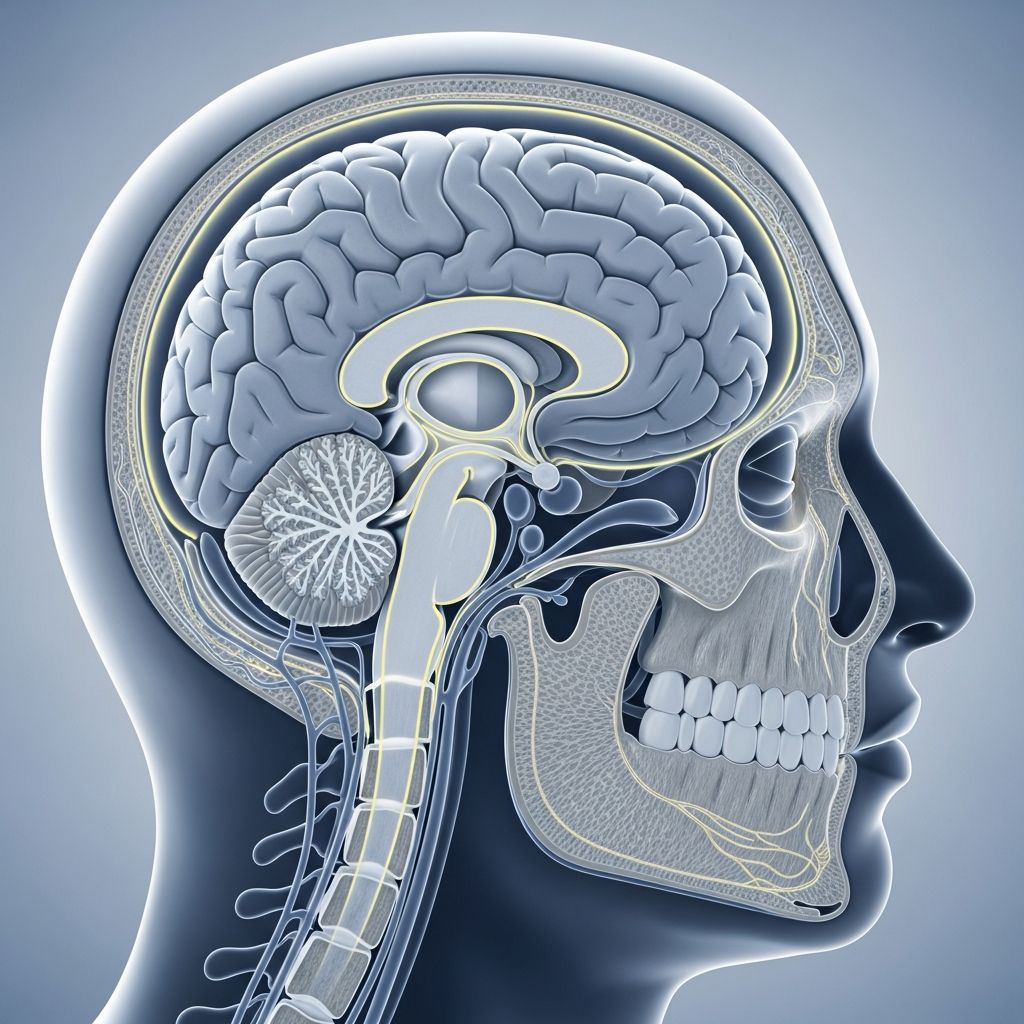
Idiopathic intracranial hypertension (IIH), sometimes referred to as pseudotumor cerebri, involves elevated pressure within the skull without an identifiable underlying tumor or structural abnormality. This condition primarily affects the brain and optic nerves, potentially leading to serious visual complications if not addressed promptly.
Understanding the Basics of Brain Pressure Dynamics
The brain and spinal cord are cushioned by cerebrospinal fluid (CSF), a clear liquid produced in the brain’s ventricles and continuously circulated before being reabsorbed into the bloodstream. In healthy individuals, this process maintains stable intracranial pressure. Disruptions, such as overproduction or poor absorption of CSF, can elevate pressure, compressing delicate structures like the optic nerve.
IIH specifically denotes cases where no clear cause is found, distinguishing it from secondary forms linked to identifiable triggers. The pressure buildup mimics symptoms of a brain tumor, hence the alternative name pseudotumor cerebri. Women of childbearing age, particularly those with obesity, represent the majority of cases, with about 19 in 20 affected individuals being female.
Common Warning Signs and Their Progression
Patients often first notice persistent headaches that intensify in the morning, worsen with position changes like bending or lying down, or flare up during coughing and sneezing. These headaches typically affect both sides of the head and may escalate from mild to debilitating.
- Pulsatile tinnitus: A whooshing or pulsing sound synchronized with the heartbeat, stemming from turbulent blood flow in narrowed veins.
- Visual disturbances: Blurred or double vision, brief blackouts lasting seconds, light flashes, or blind spots in peripheral vision.
- Nausea and dizziness: Frequently accompanying headaches, sometimes with neck, shoulder, or back pain.
Without intervention, papilledema—swelling of the optic disc—develops, posing risks of permanent vision loss. Symptoms can remit but recur months or years later, underscoring the need for vigilant monitoring.
Key Risk Factors and Vulnerabilities
While the precise etiology remains elusive, certain profiles heighten susceptibility. Obesity, especially recent weight gain in fertile women, stands out as the strongest correlate. Anatomical variations, like narrower venous sinuses that impede blood drainage, may contribute by causing vascular backup.
| Risk Category | Examples | Impact on IIH |
|---|---|---|
| Demographic | Obese women of childbearing age | Highest prevalence group |
| Medications | Tetracyclines (e.g., doxycycline), vitamin A derivatives (e.g., isotretinoin), growth hormone | Trigger secondary hypertension |
| Health Conditions | Polycystic ovary syndrome, lupus, anemia, sleep apnea, Addison’s disease | Associated with pressure elevation |
Secondary intracranial hypertension arises from identifiable culprits like medications or diseases, whereas IIH lacks such links. Iron deficiency anemia and excessive vitamin A intake have also been implicated.
Diagnostic Approaches for Accurate Identification
Diagnosis begins with a thorough history and eye examination revealing papilledema. Visual field testing detects subtle losses, while fundoscopy confirms optic nerve swelling. Neuroimaging via MRI or CT rules out tumors, clots, or other masses.
Related Stories



The gold standard is lumbar puncture, measuring opening pressure above 25 cm H2O in the lateral decubitus position, with CSF analysis excluding infection or inflammation. Elevated pressure without abnormalities confirms IIH.
Comprehensive Management Strategies
Treatment prioritizes pressure reduction, symptom relief, and vision preservation. Lifestyle modifications form the cornerstone, particularly weight loss—5-10% reduction can significantly alleviate symptoms.
- Pharmacotherapy: Acetazolamide, a carbonic anhydrase inhibitor, decreases CSF production; topiramate offers dual benefits for headache and weight control.
- Serial lumbar punctures: Temporarily drain excess CSF for acute relief.
For refractory cases, surgical options include optic nerve sheath fenestration to alleviate pressure on the nerve or venous sinus stenting for stenosis. Bariatric surgery may be considered in severe obesity.
Potential Complications and Long-Term Outlook
Untreated IIH risks progressive optic atrophy and irreversible blindness. Chronic headaches persist in many, impacting quality of life. Regular ophthalmologic follow-up is essential to monitor papilledema resolution and visual fields.
Prognosis improves with early intervention; most achieve symptom control, though relapses occur. Weight management remains crucial for sustained remission.
FAQs on Idiopathic Intracranial Hypertension
What triggers IIH most commonly?
Obesity in women of childbearing age is the primary risk, though exact mechanisms involve CSF dysregulation.
Can IIH cause permanent damage?
Yes, prolonged papilledema may lead to vision loss; prompt treatment mitigates this.
Is surgery always required?
No, most respond to medications and lifestyle changes; surgery addresses non-responders.
How is IIH differentiated from migraines?
IIH features papilledema and confirmed high pressure via lumbar puncture, unlike typical migraines.
Can children develop IIH?
Yes, though rarer, often linked to medications like corticosteroids or growth hormone withdrawal.
Preventive Measures and Lifestyle Tips
Maintaining a healthy weight through balanced diet and exercise reduces risk. Avoid implicated medications unless prescribed, and report visual or headache changes promptly to an eye specialist. Low-sodium diets may aid pressure control.
References
- Idiopathic Intracranial Hypertension — University of Michigan Health. 2023. https://www.uofmhealth.org/our-care/specialties-services/idiopathic-intracranial-hypertension
- Idiopathic Intracranial Hypertension — Merck Manuals. 2023. https://www.merckmanuals.com/home/brain-spinal-cord-and-nerve-disorders/headaches/idiopathic-intracranial-hypertension
- Idiopathic intracranial hypertension (Year of the Zebra) — Osmosis from Elsevier (YouTube). 2023-10-15. https://www.youtube.com/watch?v=F1HKRPJAB2g
- Pseudotumor cerebri (idiopathic intracranial hypertension) — Mayo Clinic. 2023. https://www.mayoclinic.org/diseases-conditions/pseudotumor-cerebri/symptoms-causes/syc-20354031
- Idiopathic Intracranial Hypertension — National Eye Institute (NIH). 2023. https://www.nei.nih.gov/eye-health-information/eye-conditions-and-diseases/idiopathic-intracranial-hypertension
- Intracranial hypertension — NHS. 2023. https://www.nhs.uk/conditions/intracranial-hypertension/
Similar Articles








Read full bio of Sneha Tete