Idiopathic Intracranial Hypertension: Symptoms & Treatment
Understanding IIH: Causes, symptoms, diagnosis, and effective treatment options for increased skull pressure.
What Is Idiopathic Intracranial Hypertension?
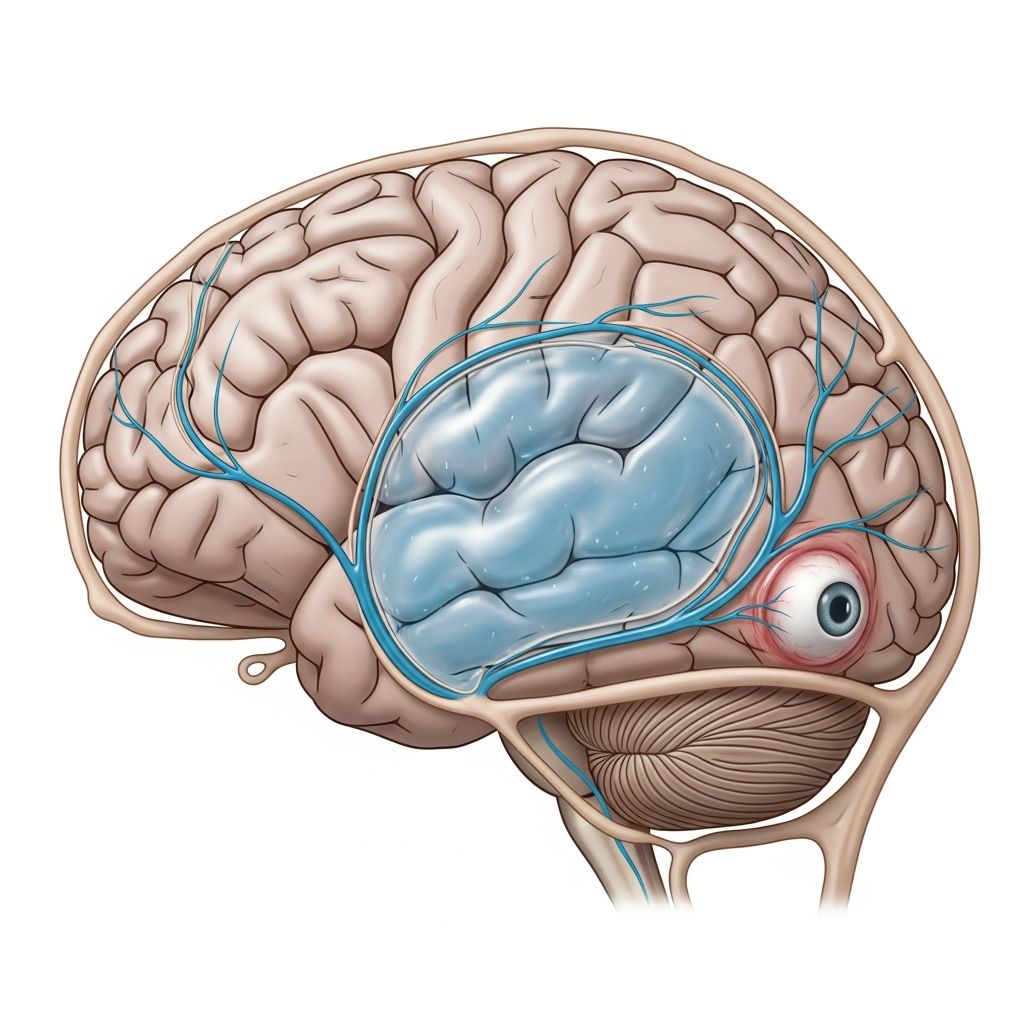
Idiopathic intracranial hypertension (IIH), formerly known as pseudotumor cerebri, is increased pressure around your brain that occurs when cerebrospinal fluid (CSF) builds up in your skull. The term “idiopathic” indicates that the exact cause remains unknown, while “intracranial” refers to inside the skull, and “hypertension” means high pressure. This condition creates pressure buildup in your brain and on your optic nerve, the nerve at the back of your eye responsible for vision. The pressure mimics that caused by a brain tumor, but no actual tumor is present, which is why it was historically called pseudotumor cerebri, meaning “false brain tumor.”
CSF is the protective fluid that cushions your spinal cord and brain. When this fluid accumulates abnormally, it creates excessive intracranial pressure that can affect your vision and cause various uncomfortable symptoms. While the exact mechanism remains unclear, researchers theorize that there may be a blockage in the cerebrospinal fluid pathway or a narrowing of large veins (venous sinuses) in the brain, causing fluid or blood to back up as it exits the brain.
Who Is Most Affected by IIH?
IIH predominantly affects women of childbearing age, particularly those who are overweight or obese. The condition is considered rare but represents a significant health concern for affected individuals due to its potential to cause permanent vision loss if left untreated. Recent research indicates that the prevalence of IIH has been increasing, especially among women in their twenties and thirties with elevated BMI.
While women are the primary demographic affected, IIH can theoretically occur in anyone. However, the combination of female gender and obesity significantly increases the risk. Healthcare providers should maintain awareness of this condition in any patient presenting with persistent headaches and vision changes, particularly women of childbearing age.
Causes and Risk Factors
The exact cause of IIH remains unknown, which is why it is classified as “idiopathic.” However, several factors contribute to the development of this condition. Understanding these risk factors can help healthcare providers identify at-risk individuals and implement preventive strategies.
Primary Risk Factors
The most significant risk factors for IIH include:
- Female gender: Women, particularly those of childbearing age, represent the vast majority of IIH cases
- Obesity or being overweight: Elevated body mass index (BMI) is strongly associated with IIH development
- Recent weight gain: Rapid weight gain may trigger or exacerbate the condition
- Age: Most commonly affects women between ages 20 and 40
- Certain medications: Some medications including certain acne treatments and hormonal contraceptives may increase risk
Additionally, certain medical conditions and lifestyle factors may contribute to IIH development. Polycystic ovary syndrome (PCOS) and other endocrine disorders have been associated with increased IIH risk. Researchers continue to investigate whether other factors, such as venous drainage abnormalities or genetic predisposition, play roles in disease development.
Symptoms of Idiopathic Intracranial Hypertension
IIH presents with a variety of symptoms that can range from mild to severe and significantly impact quality of life. Recognizing these symptoms early is crucial for prompt diagnosis and treatment to prevent permanent vision loss.
Common Symptoms
The most common sign of IIH is a severe headache, often described as an intense, throbbing pain at the back of the head that can come on suddenly. However, IIH presents with multiple symptoms beyond headache:
Related Stories



- Vision changes: Blurred vision, dimming of vision, or temporary vision loss
- Pulsatile tinnitus: Ringing or whooshing sounds in the ears synchronized with heartbeat
- Nausea and vomiting: Often accompanying severe headaches
- Double vision: Particularly when looking to the sides
- Neck stiffness: Discomfort or limited neck mobility
- Pain behind the eyes: Often worse with eye movement or morning upon waking
- Photopsia: Flashing lights in the visual field
Symptoms typically develop gradually, though some patients experience acute onset. The severity and combination of symptoms vary significantly between individuals. Some patients may remain relatively asymptomatic while others experience debilitating symptoms that interfere with daily activities. Importantly, some patients may have 20/20 visual acuity yet still experience peripheral vision loss, making comprehensive ophthalmologic evaluation essential.
Diagnosis of IIH
Diagnosing IIH requires a comprehensive, multi-step approach involving evaluation of symptoms, neuroimaging, lumbar puncture, and ophthalmologic assessments. A definitive diagnosis cannot be made on clinical presentation alone.
Initial Evaluation
Your doctor will begin by discussing your symptoms in detail and performing a physical examination. This conversation should cover when symptoms began, their progression, any triggering or relieving factors, and how they impact daily functioning. The physician will also review your complete medical history, current medications, recent weight changes, and relevant family history.
Neuroimaging Studies
Neuroimaging plays a crucial role in IIH diagnosis. Brain imaging may include:
- Magnetic Resonance Imaging (MRI): Provides detailed images of brain tissue and can reveal signs of increased intracranial pressure
- MR Venography: Specifically examines blood vessels in the brain to assess for venous sinus narrowing
- CT scan: May be used in certain clinical situations to exclude other pathology
These imaging studies help rule out other conditions that could cause similar symptoms, such as brain tumors, stroke, or structural abnormalities. Specific findings on imaging may include flattening of the optic nerve sheaths, enlargement of the blind spot, or venous sinus narrowing.
Lumbar Puncture (Spinal Tap)
Lumbar puncture is often essential for confirming IIH diagnosis. During this procedure, a needle is inserted into the lower back to obtain cerebrospinal fluid for analysis. The opening pressure measurement during lumbar puncture is critical—elevated pressure confirms increased intracranial pressure. Normal pressure is typically less than 25 cm H2O, while IIH diagnosis requires pressure above 250 mm H2O. The fluid is analyzed to ensure no infection, inflammation, or malignancy is present.
Ophthalmologic Evaluation
Ophthalmologic evaluations are essential to assess the impact of IIH on the optic nerve and visual function. These evaluations may include:
- Visual acuity testing: Measures how clearly you can see
- Dilated eye examination: Allows visualization of the optic disc to detect papilledema (optic disc swelling)
- Visual field testing: Detects any areas of peripheral vision loss
- Optical Coherence Tomography (OCT): Creates detailed images of the optic nerve and retina
The presence of papilledema on examination provides important clinical evidence of increased intracranial pressure and helps guide treatment decisions.
Treatment Options for IIH
The goals of IIH treatment are to decrease pressure on your brain and prevent vision loss. Treatment approaches vary depending on disease severity and individual patient factors. Most people with IIH experience symptom improvement with appropriate treatment.
Lifestyle and Dietary Modifications
Achieving and maintaining a healthy weight is crucial for IIH management, particularly for patients with BMI over 30. A registered dietitian or nutrition specialist can help create a tailored weight loss plan that includes a balanced, low-sodium diet and regular physical activity. Participating in a weight management program addresses the underlying risk factor in many IIH cases.
Additional lifestyle modifications may include:
- Reducing sodium intake to help decrease fluid retention
- Limiting caffeine consumption
- Staying well-hydrated with adequate water intake
- Regular aerobic and strength-training exercise
- Avoiding prolonged periods of bed rest
Pharmaceutical Interventions
Several medications can help manage IIH symptoms and reduce intracranial pressure:
Acetazolamide: This carbonic anhydrase inhibitor is the primary medication used to treat IIH. It works by reducing cerebrospinal fluid production and therefore decreasing intracranial pressure. Typical starting doses range from 500 mg to 1000 mg daily. Common side effects include tingling in the fingers and toes, frequent urination, and a metallic taste in the mouth. Some patients experience kidney stone formation with prolonged use. Let your healthcare provider know if you are pregnant, plan on becoming pregnant, or take birth control pills, as acetazolamide may pose risks to developing fetuses.
Topiramate: This anticonvulsant medication may be prescribed as an alternative to acetazolamide, particularly for patients who cannot tolerate acetazolamide’s side effects. It also reduces cerebrospinal fluid production. Potential side effects include cognitive changes, weight loss, and increased risk of kidney stones. Like acetazolamide, topiramate carries teratogenic risks and should be avoided during pregnancy.
Furosemide: This diuretic can help the body excrete excess fluid and reduce intracranial pressure. Side effects include increased urination and electrolyte imbalances that require monitoring. This medication is typically used as adjunctive therapy rather than monotherapy.
Symptom Management: Pain relievers such as acetaminophen or NSAIDs can help manage headaches. However, medication overuse must be avoided as it can lead to medication-overuse headaches, paradoxically worsening the condition.
Surgical Interventions
In severe cases, you may need surgery for IIH, particularly when vision loss is progressive or severe and fails to respond to medical management. Surgical options include:
Optic Nerve Sheath Fenestration: In this procedure, small windows are created in the protective sheath surrounding the optic nerve to relieve pressure directly on the nerve. This procedure is typically considered when vision loss is progressive or severe and doesn’t respond to medications. Studies show this can stabilize or improve vision in many patients.
Cerebrospinal Fluid Shunt Placement: A shunt, such as a lumboperitoneal or ventriculoperitoneal shunt, may be implanted to divert excess cerebrospinal fluid away from the brain, reducing intracranial pressure. These procedures have variable success rates and carry risks of shunt malfunction or infection requiring revision surgery.
Venous Sinus Stenting: In some cases, a stent may be placed in the transverse sinus, a major blood vessel that drains blood and cerebrospinal fluid from the brain. This intervention can help improve cerebrospinal fluid drainage and reduce pressure. Recent evidence suggests this approach may have favorable outcomes with fewer complications compared to traditional shunting procedures.
Bariatric Surgery: For individuals with obesity-related IIH, weight loss surgery may be recommended as a definitive treatment modality. Procedures like gastric bypass or gastric sleeve surgery can lead to significant, sustained weight loss, which often alleviates intracranial pressure and may lead to IIH remission. Research indicates bariatric surgery can be particularly effective for patients with acute-onset IIH with vision loss.
Treatment Planning and Multidisciplinary Approach
Your healthcare provider will determine the most appropriate treatment approach by reviewing diagnostic test results, looking for areas where cerebrospinal fluid movement or blood flow may be problematic, and assessing the severity of your condition. Severe cases may require surgery to prevent permanent vision loss.
Working closely with a multidisciplinary healthcare team that includes neurologists, neuro-ophthalmologists, and neurosurgeons is an important factor in determining the optimal treatment plan. This coordinated approach ensures comprehensive evaluation and management of all aspects of the condition. Regular assessments are needed to monitor treatment effectiveness and make adjustments as needed. Managing IIH is often a long-term process, and a personalized approach is key to improving symptoms and preventing vision loss.
Living with IIH: Long-term Outlook
For most people, IIH symptoms improve with appropriate treatment. However, the condition requires ongoing monitoring and management. Long-term vision outcomes depend on how quickly the diagnosis is made and treatment is initiated. Early intervention significantly reduces the risk of permanent vision loss.
To prevent IIH from happening again or to prevent recurrence, your provider may suggest making lifestyle changes to improve overall health. This could include participating in a weight management program if you have a BMI over 30 and maintaining a healthy weight long-term.
Patients should maintain regular follow-up appointments with their healthcare team to monitor treatment response and watch for any changes in symptoms. Open communication with your medical team about symptom changes, medication side effects, or concerns is essential for optimal outcomes.
Frequently Asked Questions (FAQs)
Q: What does IIH stand for and what does it mean?
A: IIH stands for idiopathic intracranial hypertension. “Idiopathic” means the cause is unknown, “intracranial” refers to inside the skull, and “hypertension” means high pressure. It is also called pseudotumor cerebri, meaning “false brain tumor,” because the increased pressure mimics that of a brain tumor without an actual tumor being present.
Q: Is IIH life-threatening?
A: While IIH itself is not immediately life-threatening, it can cause permanent vision loss if left untreated. Early diagnosis and treatment are crucial to prevent serious complications. Most patients with IIH do well when appropriately managed by healthcare providers.
Q: Can men get IIH?
A: While IIH predominantly affects women of childbearing age, particularly those who are overweight or obese, men can develop this condition, though it is much less common. Any patient presenting with persistent headaches, vision changes, and pulsatile tinnitus should be evaluated for IIH regardless of gender.
Q: Can pregnancy affect IIH or IIH management?
A: Yes, pregnancy can affect IIH management. Some medications used to treat IIH, particularly acetazolamide and topiramate, can pose risks to developing fetuses. It is essential to inform your healthcare provider if you are pregnant, planning to become pregnant, or taking birth control pills so they can offer appropriate alternatives.
Q: How long does IIH last?
A: IIH can be a chronic condition requiring long-term management, though symptoms may improve or resolve with appropriate treatment. Some patients achieve remission with sustained weight loss, while others require ongoing medication or monitoring. The duration varies significantly between individuals.
Q: Can weight loss cure IIH?
A: For many patients, achieving and maintaining a healthy weight can significantly improve or resolve IIH symptoms. Weight loss through diet, exercise, or in severe cases bariatric surgery has been shown to be effective for many patients with obesity-related IIH. However, not all cases completely resolve with weight loss alone.
Q: What should I do if I experience sudden vision loss with IIH?
A: Sudden or progressive vision loss represents a medical emergency. Contact your healthcare provider immediately or seek emergency care. Rapid treatment may be necessary to prevent permanent vision damage. Do not delay seeking medical attention.
References
- Idiopathic Intracranial Hypertension: Symptoms & Treatment — Cleveland Clinic. 2024. https://my.clevelandclinic.org/health/diseases/21968-idiopathic-intracranial-hypertension
- Idiopathic Intracranial Hypertension — Cleveland Clinic Abu Dhabi. 2024. https://www.clevelandclinicabudhabi.ae/en/health-hub/health-resource/diseases-and-conditions/idiopathic-intracranial-hypertension
- Changes in Prevalence of Idiopathic Intracranial Hypertension in the United States — National Center for Biotechnology Information, National Institute of Health. 2024. https://pmc.ncbi.nlm.nih.gov/articles/PMC11097766/
- Bariatric Surgery Effectiveness for Idiopathic Intracranial Hypertension — Cleveland Clinic Consult QD. 2024. https://consultqd.clevelandclinic.org/new-study-highlights-effectiveness-of-bariatric-surgery-for-idiopathic-intracranial-hypertension
- The Changing Face of Fulminant Idiopathic Intracranial Hypertension — Cleveland Clinic Consult QD. 2024. https://consultqd.clevelandclinic.org/the-changing-face-of-fulminant-idiopathic-intracranial-hypertension
- Papilledema (Optic Disc Swelling): Causes & Symptoms — Cleveland Clinic. 2024. https://my.clevelandclinic.org/health/diseases/24445-papilledema
Similar Articles








Read full bio of Sneha Tete