Idiopathic Plantar Hidradenitis: Causes, Symptoms & Treatment
Uncommon painful red nodules on soles of feet, mainly in children and young adults, triggered by heat, sweat, and activity.
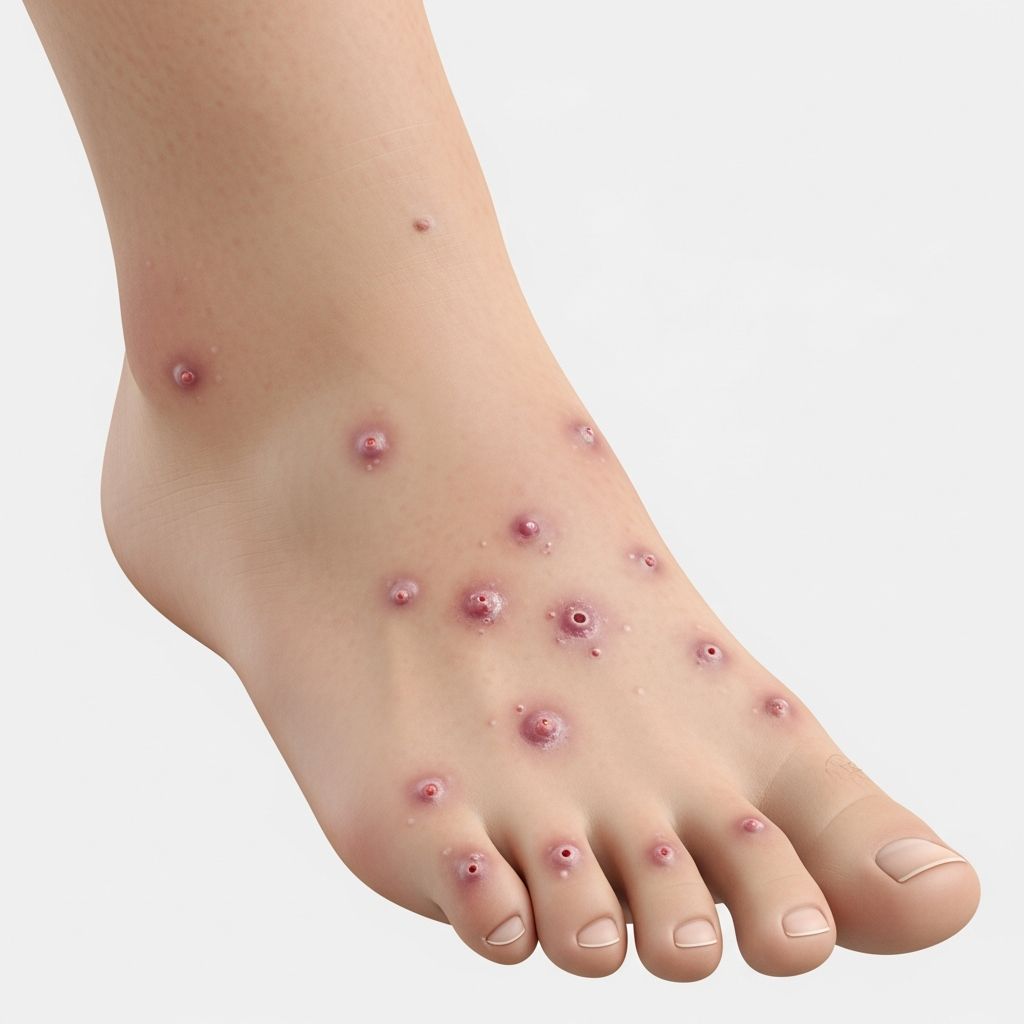
Idiopathic plantar hidradenitis is an uncommon dermatological condition characterized by tender, red lumps primarily on the soles of the feet, and less frequently on the palms. Also known as palmoplantar eccrine hidradenitis or painful plantar erythema, it mainly affects children and young adults but can occur in anyone.
What is idiopathic plantar hidradenitis?
Idiopathic plantar hidradenitis (IPH) manifests as painful red nodules and plaques on the soles and insteps of the feet. The skin surface remains unaffected, but walking becomes uncomfortable due to tenderness. It is occasionally associated with low-grade fever and systemic symptoms are rare. Lesions are typically erythematous, warm, violaceous nodules measuring 0.5-3 cm, distributed over pressure points like metatarsal heads.
This neutrophilic eccrine hidradenitis involves inflammation of eccrine sweat glands without known underlying systemic disease, distinguishing it from other forms like chemotherapy-induced hidradenitis. The condition is self-limiting, resolving within 1-4 weeks without scarring.
Who gets idiopathic plantar hidradenitis?
IPH predominantly affects children aged 4-17 years, with a slight female predominance in some reports. Young adults up to 30 years can also be impacted. It is rare in infants or older adults.
- **Children and adolescents**: Most common demographic, often during school activities or sports.
- **Risk factors**: Recent exposure to heat, moisture, or physical stress increases susceptibility.
Familial cases are not reported, and no genetic predisposition is established.
What causes idiopathic plantar hidradenitis?
The etiology is unknown (idiopathic), but likely involves blocked or ruptured eccrine sweat ducts triggered by environmental factors. Onset correlates with heat, vigorous exercise, excessive sweating, prolonged wetness, or trauma.
- **Mechanical/thermal trauma**: Friction from activity or tight shoes leads to eccrine gland rupture, releasing sweat into tissues and provoking neutrophilic inflammation.
- **Moisture and perspiration**: Wet footwear, hot tubs, pools, or saunas precede outbreaks.
- **Seasonal patterns**: Higher incidence in spring/summer due to heat and activity.
- **Infectious hypotheses**: Pseudomonas aeruginosa from contaminated water suggested but not consistently isolated from lesions.
- **Immature glands**: In juveniles, eccrine glands may be more vulnerable to stress.
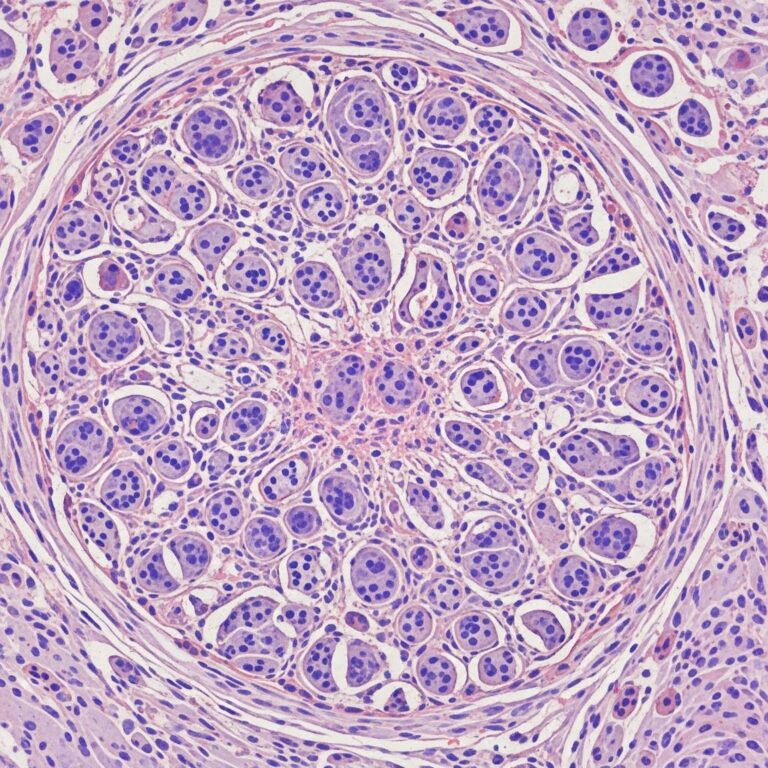
No definitive infectious or autoimmune cause confirmed; biopsy shows non-specific neutrophilic infiltrate around glands.
What are the clinical features of idiopathic plantar hidradenitis?
Symptoms develop suddenly: painful, erythematous nodules on weight-bearing foot areas. Palms less affected.
| Feature | Description |
|---|---|
| Lesions | Tender red/violaceous nodules (0.5-3 cm), plaques; no surface change, pustules rare |
| Location | Soles (metatarsals, instep), heels; palms occasionally |
| Symptoms | Pain on walking/standing; sleep disturbance; low fever possible |
| Duration | 3-21 days per episode; recurrent in 30-50% |
Histology: Neutrophilic infiltration of eccrine glands, glandular necrosis, no vasculitis.
Diagnosis of idiopathic plantar hidradenitis
Primarily clinical based on history (recent triggers) and characteristic lesions. Biopsy reserved for atypical/prolonged cases.
Related Stories



- **Clinical criteria**: Painful plantar nodules post-activity/moisture; no systemic illness.
- **Histopathology**: Confirms neutrophilic eccrine hidradenitis.
- **Rule out infections**: Cultures if pustules present.
Differential diagnosis
Key mimics include infectious, inflammatory, and vascular conditions.
| Differential | Key Distinctions from IPH |
|---|---|
| Erythema nodosum | Leg shins, panniculitis; fever common; biopsy differs |
| Chilblains | Cold-induced, pruritic; resolves with warmth |
| Pseudomonas hot-foot syndrome | Pustular, pruritic; hot tub history; self-limits |
| Folliculitis | Centered on follicles; pustules prominent |
| Neutrophilic dermatoses (e.g., Sweet syndrome) | Facial/upper body; systemic symptoms |
How is idiopathic plantar hidradenitis treated?
Supportive care suffices as it is benign and self-resolving. No specific therapy required.
- Pain relief: NSAIDs (ibuprofen), opioids short-term.
- Rest: Avoid pressure; bed rest 3-7 days.
- Topicals: Potent steroids (clobetasol) reduce inflammation.
- Systemic steroids: Prednisone 1 mg/kg for severe pain/fever.
- Other: Antibiotics if secondary infection suspected (rarely needed).
Recurrences managed similarly; prevention via dry feet, breathable shoes.
Prevention and management of recurrences
Avoid triggers: dry socks/shoes post-activity, no prolonged wetness. Monitor for Pseudomonas sources like pools. Education reassures families, averting unnecessary tests.
FAQ
Is idiopathic plantar hidradenitis contagious?
No, it is not infectious despite moisture associations.
Does it scar?
No scarring; resolves completely.
Can adults get it?
Rarely; mostly children/young adults.
When to biopsy?
Only if prolonged >4 weeks or atypical.
Is Pseudomonas always involved?
No, suggested but unproven.
References
- Idiopathic plantar hidradenitis — DermNet NZ. 2023. https://dermnetnz.org/topics/idiopathic-plantar-hidradenitis
- Recurrent palmoplantar hidradenitis — Wikipedia (citing primary studies). 2023. https://en.wikipedia.org/wiki/Recurrent_palmoplantar_hidradenitis
- Idiopathic plantar hidradenitis in a 5-year-old girl after exposure to wet footwear — Malawi Med J. 2019-06-01. http://www.mmsjournals.org/index.php/mmj/article/view/739
- Idiopathic Palmoplantar Hidradenitis — Contemporary Pediatrics. 2022. https://www.contemporarypediatrics.com/view/idiopathic-palmoplantar-hidradenitis
- Idiopathic Recurrent Palmoplantar Hidradenitis in Children — JAMA Dermatology. 1998-07-01. https://jamanetwork.com/journals/jamadermatology/fullarticle/188564
- Idiopathic plantar hidradenitis — PubMed (Arch Pediatr Adolesc Med). 1998. https://pubmed.ncbi.nlm.nih.gov/9643332/
Similar Articles








Read full bio of Sneha Tete