Idiopathic Thrombocytopenic Purpura: Causes, Symptoms & Treatment
Comprehensive guide to ITP: Understanding this rare blood disorder and treatment options.
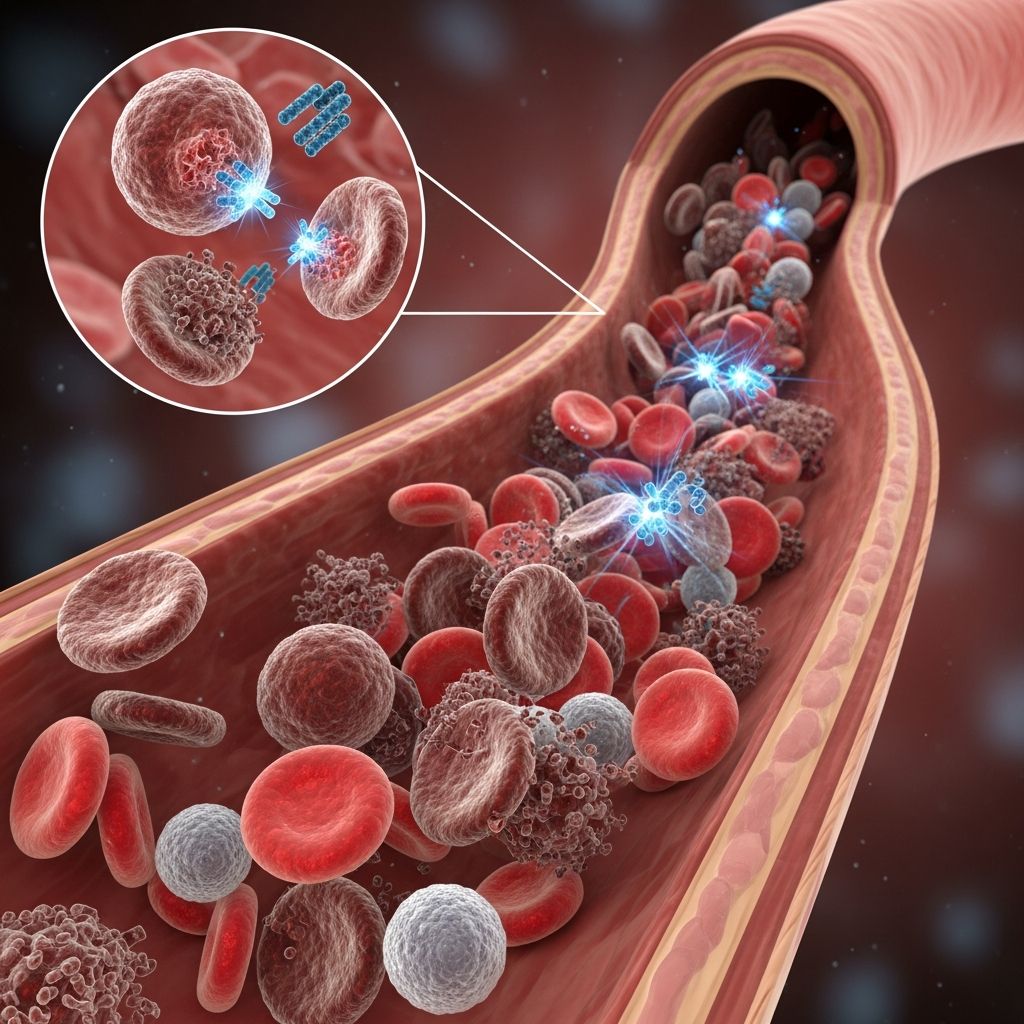
Understanding Idiopathic Thrombocytopenic Purpura (ITP)
Idiopathic thrombocytopenic purpura (ITP), now commonly referred to as immune thrombocytopenia, is a rare blood disorder characterized by a significant decrease in the number of blood platelets without an identifiable cause. Platelets are small blood cells essential for clotting and stopping bleeding when blood vessels are damaged. In individuals with ITP, the immune system mistakenly produces antibodies that attack and destroy these vital platelets, leading to abnormally low platelet counts and an increased risk of bleeding complications.
The condition affects both children and adults, though the presentation and prognosis often differ between these populations. While acute ITP is more common in children and typically resolves within two to six months, chronic ITP predominantly affects adults and persists for longer periods. Understanding ITP is crucial for patients, caregivers, and healthcare providers to ensure appropriate management and monitoring of this complex autoimmune condition.
What Are the Signs and Symptoms of ITP?
The symptoms of ITP can vary significantly depending on platelet count severity and individual factors. Many individuals with mild ITP experience no symptoms at all and may only discover their condition during routine blood work performed for unrelated medical reasons. However, when symptoms do develop, they are directly related to the body’s compromised ability to form blood clots.
The most common manifestations include:
- Petechiae: Small red or purple dots appearing on the skin that do not fade when pressure is applied, resulting from microscopic bleeding under the skin
- Easy bruising: Unexplained or disproportionate bruising that occurs with minimal contact or trauma
- Prolonged bleeding: Extended bleeding from minor cuts or injuries that typically stop quickly in healthy individuals
- Nosebleeds: Frequent or severe epistaxis that may be difficult to control
- Bleeding gums: Blood in the mouth or gums, particularly during dental hygiene or eating
- Heavy menstrual bleeding: Women may experience abnormally prolonged or excessive menstrual periods
- Blood in bodily fluids: Blood appearing in urine, stool, or vomit, indicating internal bleeding
In severe cases where platelet counts drop below 10,000 cells per microliter of blood, patients may notice significant petechiae and bruising with minimal physical contact. The most serious potential complication is intracranial hemorrhage, or bleeding in the brain, which can be life-threatening and requires immediate medical attention. Any symptoms of head injury or severe headache in ITP patients warrant urgent evaluation.
Understanding the Causes of ITP
The exact cause of ITP remains largely unknown, which is reflected in the term “idiopathic,” meaning the underlying trigger cannot be identified. However, researchers have identified several factors that may contribute to the development of this autoimmune condition.
Immune System Dysfunction
ITP develops when the immune system malfunctions, producing autoantibodies that mistakenly target and destroy platelets. Normally, the immune system distinguishes between the body’s own healthy cells and foreign invaders. In ITP, this mechanism breaks down, and the immune system treats platelets as harmful substances that must be eliminated. These autoantibodies attach to the surface of platelets, marking them for destruction by immune cells, particularly those in the spleen.
Potential Triggers
While the underlying cause remains unknown in most cases, certain factors may increase the risk of developing ITP or precipitate its onset:
- Viral infections: Various viral infections, including those causing common colds, may trigger the immune system’s abnormal response leading to antibody production against platelets
- Bacterial infections: Helicobacter pylori and other bacterial infections have been associated with ITP development
- HIV and Hepatitis C: People with these chronic viral infections face increased risk of developing ITP
- Medications: Certain medications may induce or exacerbate ITP in susceptible individuals
- Pregnancy: ITP can develop or worsen during pregnancy due to immune system changes
- Other autoimmune disorders: Individuals with conditions such as lupus, rheumatoid arthritis, or other autoimmune diseases have elevated ITP risk
Related Stories



Diagnosing ITP
Diagnosing ITP presents unique challenges because there is no single definitive test that confirms the condition. Instead, ITP is diagnosed through a process of exclusion, ruling out other potential causes of low platelet counts. This approach requires comprehensive evaluation and multiple diagnostic procedures.
Initial Assessment
Diagnosis typically begins when a patient presents with symptoms suggestive of bleeding disorders or when low platelets are discovered incidentally on routine blood work. Healthcare providers will conduct a thorough medical history and physical examination, specifically looking for signs of bleeding on or under the skin, assessing the severity of bruising, and evaluating other physical findings.
Diagnostic Tests
Several laboratory tests help establish an ITP diagnosis and exclude alternative explanations for low platelet counts:
- Complete Blood Count (CBC): The primary screening test that measures platelet levels and other blood cell counts, revealing thrombocytopenia
- Peripheral Blood Smear: Microscopic examination of blood cells to assess their appearance and ensure the low count is not due to platelet clumping artifacts
- Viral and Bacterial Testing: Serological tests for HIV, Hepatitis C, and Helicobacter pylori to exclude these infectious causes
- Autoimmune Screening: Tests for systemic lupus erythematosus (SLE), rheumatoid arthritis, and other autoimmune conditions that may cause secondary thrombocytopenia
- Bone Marrow Biopsy: Though not required for routine ITP diagnosis, this procedure may be performed if platelet counts fail to respond to standard treatments or if unusual features are present, demonstrating that bone marrow production of platelets remains normal
- Coagulation Studies: Tests to assess overall clotting function and rule out other clotting disorders
ITP in Children vs. Adults
ITP manifests differently depending on age of onset, with distinct patterns and prognoses between pediatric and adult populations.
| Characteristic | Acute ITP (Children) | Chronic ITP (Adults) |
|---|---|---|
| Duration | Resolves within 2-6 months | Persists longer than 6 months |
| Prevalence | Accounts for 90% of childhood ITP | Most common form in adults |
| Onset | Often follows viral infection by 3 weeks | Insidious onset without clear trigger |
| Prognosis | Generally excellent with spontaneous remission | Requires ongoing management and monitoring |
| Treatment | Often observation; treatment if severe bleeding | Usually requires pharmacological intervention |
Treatment Options for ITP
Treatment decisions for ITP depend on platelet count severity, bleeding symptoms, age, and individual patient factors. Not all patients with low platelet counts require immediate intervention.
Observation and Monitoring
Many patients, particularly those with mild disease and minimal symptoms, benefit from a “watch and wait” approach. Regular monitoring of platelet counts through periodic blood tests allows healthcare providers to track disease progression without exposing patients to medication side effects unnecessarily. This approach is especially common in asymptomatic patients or those with platelet counts above 30,000 cells per microliter.
Pharmacological Treatments
When treatment is necessary, several medications can increase platelet counts or modulate immune system function:
- Corticosteroids: First-line therapy that suppresses immune system activity, reducing antibody production and platelet destruction. Common agents include prednisone or methylprednisolone
- Intravenous Immune Globulin (IVIg): Immunoglobulin infusions that can temporarily increase platelet counts by blocking the immune system’s attack on platelets
- Anti-D or Rh Immune Globulin: Particularly effective in Rh-positive patients, this treatment works similarly to IVIg
- Thrombopoietin Receptor Agonists: Medications that stimulate bone marrow production of platelets
- Rituximab: A monoclonal antibody targeting B cells, reducing autoantibody production
- Immunosuppressive Agents: Used in cases resistant to standard therapy
Surgical Intervention
Splenectomy, surgical removal of the spleen, remains an important treatment option for patients not responding adequately to medical therapy. Since the spleen is primarily responsible for destroying antibody-coated platelets, its removal can significantly improve platelet counts in appropriately selected patients. Success rates vary, but approximately 60-70% of carefully chosen patients achieve lasting remission following splenectomy.
Living with ITP: Management and Prevention
Individuals diagnosed with ITP require ongoing management strategies to minimize bleeding risk and maintain quality of life. Patient education is essential for recognizing warning signs and understanding lifestyle modifications that can reduce complications.
Patients should avoid contact sports and activities with significant trauma risk, use soft toothbrushes to prevent gum bleeding, and exercise caution during dental procedures. Additionally, certain medications, particularly nonsteroidal anti-inflammatory drugs (NSAIDs) and anticoagulants, can worsen bleeding tendency and should be avoided or used with extreme caution under medical supervision.
Frequently Asked Questions About ITP
Q: Is ITP a form of cancer?
A: No, ITP is not cancer. It is an autoimmune blood disorder where the immune system attacks platelets. However, healthcare providers must rule out conditions like leukemia or lymphoma when establishing a diagnosis.
Q: Can ITP be cured?
A: While acute ITP in children often resolves spontaneously, chronic ITP typically requires long-term management. Some patients achieve remission with treatment, but others require ongoing therapy to maintain safe platelet counts.
Q: Is ITP hereditary?
A: ITP is not typically inherited. While family history of autoimmune diseases may increase susceptibility, ITP itself is not passed from parent to child through genetic mechanisms.
Q: What platelet count is considered dangerous?
A: Platelet counts below 10,000 cells per microliter are considered critical and require careful monitoring. Counts below 30,000 increase bleeding risk significantly, particularly with trauma or surgery.
Q: Can pregnancy affect ITP or worsen symptoms?
A: Pregnancy can trigger ITP development or worsen existing disease. Pregnant women with ITP require specialized care and monitoring to ensure safe delivery and protect both mother and baby.
Q: Are there foods or supplements that help increase platelet counts?
A: While no specific foods or supplements have proven efficacy in treating ITP, maintaining overall nutritional health supports immune function. Always consult healthcare providers before using supplements, as some may interfere with medications or worsen bleeding.
References
- Immune Thrombocytopenia (ITP): Symptoms, Diagnosis & Treatment — Cleveland Clinic. 2024. https://my.clevelandclinic.org/health/diseases/5726-immune-thrombocytopenia
- Immune Thrombocytopenia — National Heart, Lung, and Blood Institute (NHLBI), National Institutes of Health. 2024. https://www.nhlbi.nih.gov/health/immune-thrombocytopenia
- Immune Thrombocytopenic Purpura (ITP) — Children’s National Hospital. 2024. https://www.childrensnational.org/get-care/health-library/idiopathic-thrombocytopenia-purpura-itp
- Immune Thrombocytopenic Purpura (ITP) — Children’s Hospital of Philadelphia. 2024. https://www.chop.edu/conditions-diseases/idiopathic-thrombocytopenic-purpura-itp
- Immune Thrombocytopenia | Conditions — UCSF Health. 2024. https://www.ucsfhealth.org/conditions/immune-thrombocytopenia
- Immune Thrombocytopenic Purpura (ITP) — Better Health Channel, State Government of Victoria, Australia. 2023. https://www.betterhealth.vic.gov.au/health/conditionsandtreatments/idiopathic-thrombocytopenic-purpura-itp
- Myths vs Facts About Chronic ITP — Cleveland Clinic. 2024. https://my.clevelandclinic.org/watch/myth-vs-fact-about-chronic-itp
Similar Articles








Read full bio of Sneha Tete