Seltzer And Your Teeth: Expert Tips To Protect Enamel
Discover how your daily seltzer habit impacts dental health and expert tips to protect your enamel without quitting the fizz.
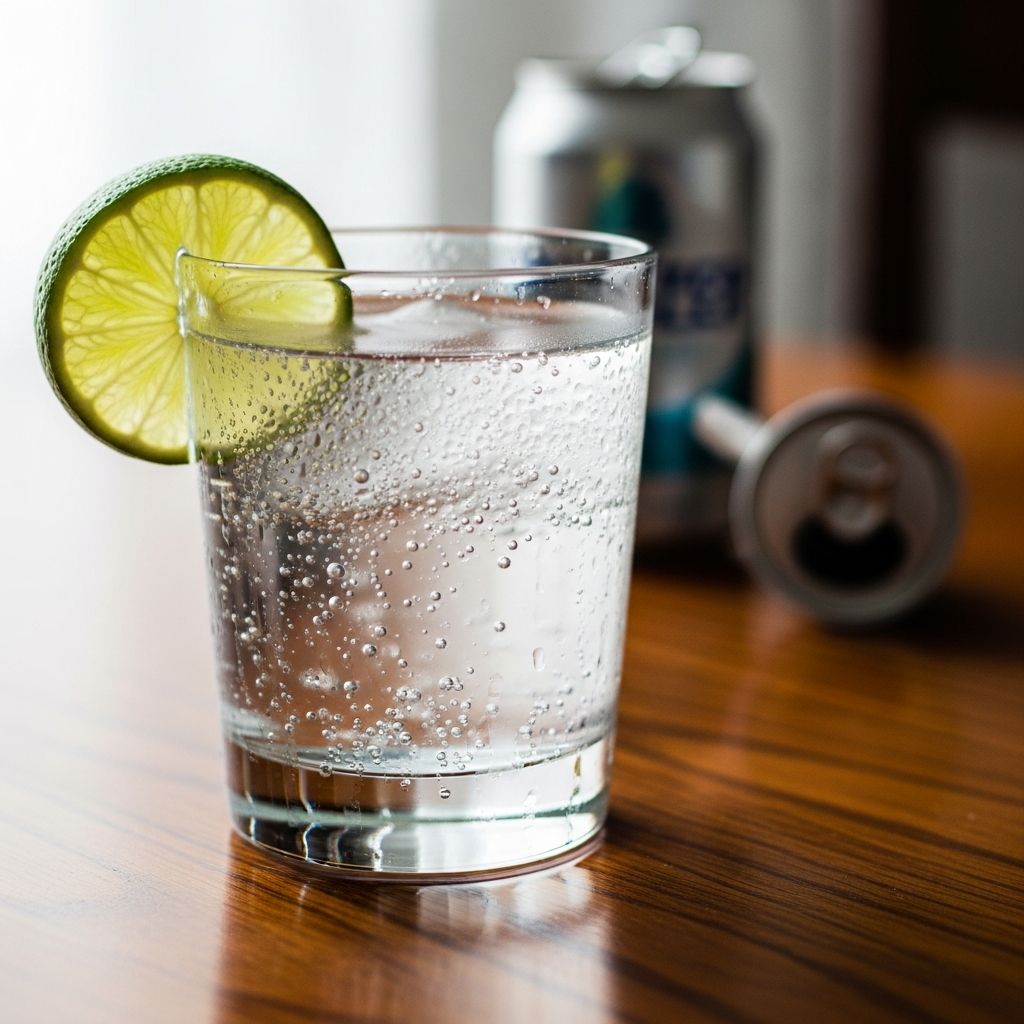
Seltzer water has surged in popularity as a refreshing, zero-calorie alternative to sugary sodas, offering the satisfying fizz without the calories or artificial sweeteners. Many people sip it throughout the day for hydration and flavor. However, dentists warn that its acidity could harm tooth enamel over time, potentially leading to sensitivity, discoloration, and decay. Understanding the science behind seltzer’s impact on oral health empowers you to enjoy it safely.
Carbonation forms carbonic acid, lowering seltzer’s pH to 3-4, compared to neutral flat water at pH 7. This acidic environment softens enamel, the hard outer layer protecting teeth. Frequent exposure erodes enamel irreversibly, exposing dentin and increasing cavity risk.
What Makes Seltzer Acidic?
The fizz in seltzer comes from dissolving carbon dioxide gas in water, creating carbonic acid (H2CO3). This reaction drops the pH significantly. Plain seltzer typically ranges from pH 3 to 4, which is erosive enough to affect enamel with repeated contact. Erosion accelerates above pH 4 is minimal, but 3-4 is concerning, and below 3 is highly damaging—similar to colas at pH 2.4.
Flavored varieties worsen the issue. Citric acid from fruit essences pushes pH to 2.5-3.5. Brands like LaCroix claim low citric acid levels, making them less acidic than sodas, but exact pH data is often undisclosed. Mineral waters like San Pellegrino, naturally carbonated at lower pressure, maintain pH closer to 6.5-7, mimicking flat water.
- Plain seltzer: pH 3-4, mildly erosive with daily use.
- Flavored seltzer: pH 2.5-3.5, higher erosion risk due to citric acid.
- Mineral seltzer (e.g., San Pellegrino): pH 5.5-7, safest option.
Effects of Seltzer on Your Teeth
Enamel erosion from seltzer is gradual but cumulative. Acid softens the surface, making teeth vulnerable to wear from brushing, chewing, or temperature changes. Symptoms include heightened sensitivity to hot/cold, yellowing as dentin shows, rough edges, and increased decay risk.
Daily sipping prolongs acid exposure, bathing teeth in low pH for hours. Those with dry mouth face higher risks, as saliva naturally neutralizes acids. Hard seltzers (alcoholic versions) compound damage with alcohol, sugars, and extra acidity from fermentation, promoting plaque, gum disease, and fractures.
| Type of Seltzer | pH Range | Risk Level | Key Concern |
|---|---|---|---|
| Plain | 3-4 | Moderate | Carbonic acid erosion |
| Flavored | 2.5-3.5 | High | Citric acid + carbonic acid |
| Mineral (San Pellegrino) | 6.5-7 | Low | Natural carbonation |
| Hard/Alcoholic | 2.5-4 | Very High | Alcohol, sugar, acid |
Risks of Daily Seltzer Consumption
Occasional seltzer (2-3 times weekly) poses little threat, but daily habits change that. Dentists note enamel damage after frequent use exceeding three days weekly. Constant acidity disrupts oral pH balance, reducing saliva’s protective role. Brushing immediately after drinking abrades softened enamel, worsening wear.
Individuals with existing erosion, braces, or veneers are at greater risk. Hard seltzers, popular for low calories, still erode enamel via carbonation and additives, potentially leading to cavities, sensitivity, and periodontal issues if overconsumed.
Protective Strategies for Seltzer Lovers
You don’t need to quit seltzer—smart habits minimize harm. Dentists recommend these evidence-based tips:
Related Stories



- Limit frequency: Cap at 2-3 times weekly; avoid all-day sipping.
- Choose wisely: Opt for mineral waters like San Pellegrino (pH ~6.5-7) or Perrier (pH ~5.5).
- Rinse immediately: Swish with plain water post-seltzer to neutralize acids and restore pH.
- Chew xylitol gum: After rinsing, chew for 2 minutes; xylitol inhibits acid production.
- Delay brushing: Wait 30-60 minutes; acid softens enamel temporarily.
- Drink with meals: Food buffers acids, reducing contact time.
- Stay hydrated: Sip flat water between seltzers to dilute acids.
For hard seltzer fans, moderation is key—avoid daily intake to prevent compounded alcohol-acid damage.
Hard Seltzer: Extra Dental Dangers
Hard seltzers like White Claw combine carbonation, alcohol (4-6% ABV), and flavors, amplifying risks. Fermentation adds acidity; sugars feed bacteria, fostering plaque and decay. Continuous consumption risks enamel wear, sensitivity, fractures, and gum disease. Sugar-free options reduce decay risk but not erosion. Compared to beer, hard seltzer has less acid/calories but still harms via alcohol drying the mouth.
Alternatives to Seltzer
Craving fizz without risks? Consider:
- Still mineral water: Hydrating, neutral pH.
- Infused flat water: Fruits/veggies for flavor sans acid.
- Low-acid sparkling: Naturally carbonated minerals.
- Herbal teas (unsweetened): Chilled for refreshment.
Frequently Asked Questions (FAQs)
Is seltzer bad for your teeth?
Plain seltzer is mildly erosive (pH 3-4); flavored/hard versions are worse. Limit intake and follow protective tips to minimize damage.
Does seltzer weaken tooth enamel?
Yes, carbonic acid erodes enamel over time, especially daily. Mineral seltzers are safer.
Can I drink seltzer every day?
Not recommended; 2-3 times weekly is safer to avoid erosion.
Is hard seltzer worse than beer for teeth?
Similar risks but fewer calories; both erode enamel—moderation essential.
What is the most unhealthy drink for teeth?
Sodas and juices, high in sugar/acid (pH ~2.5).
How to protect teeth after seltzer?
Rinse with water, chew xylitol gum, wait to brush, drink with food.
Long-Term Oral Health Tips
Beyond seltzer, maintain fluoride toothpaste, regular dental checkups, and a balanced diet low in acids/sugars. Saliva flow aids protection—chew sugar-free gum daily. If sensitivity arises, consult a dentist for sealants or treatments.
By balancing enjoyment with precautions, seltzer can stay in your routine without compromising your smile. Prioritize enamel health for lifelong dental wellness.
References
- 3 Ways to Protect Your Teeth If You Are Addicted to Seltzer — ABC News. 2015-05-28. https://abcnews.go.com/Health/ways-protect-teeth-addicted-seltzer/story?id=37234093
- Is Hard Seltzer Bad for Your Teeth? — Megadentist. Accessed 2026. https://megadentist.com.tr/en/seltzer-bad-for-your-teeth/
- Is your seltzer habit harming your teeth? — Center for Science in the Public Interest (CSPI). Accessed 2026. https://www.cspi.org/daily/what-to-eat/is-your-seltzer-habit-harming-your-teeth
- How Bad Is Seltzer for Your Teeth? — Hello Tend. 2019-12-06. https://www.hellotend.com/site/blog/2019/12/06/seltzer-how-bad-is-it
- Seltzer Water – Is it Harmful For Your Teeth? — Mod Squad Dental. Accessed 2026. https://modsquaddental.com/seltzer-water-is-it-harmful-for-your-teeth/
Similar Articles








Read full bio of medha deb