IgA Nephropathy Causes: Triggers, Risk Factors And Signs
Understanding the causes, symptoms, diagnosis, and treatments for IgA nephropathy, a common kidney disease affecting millions worldwide.
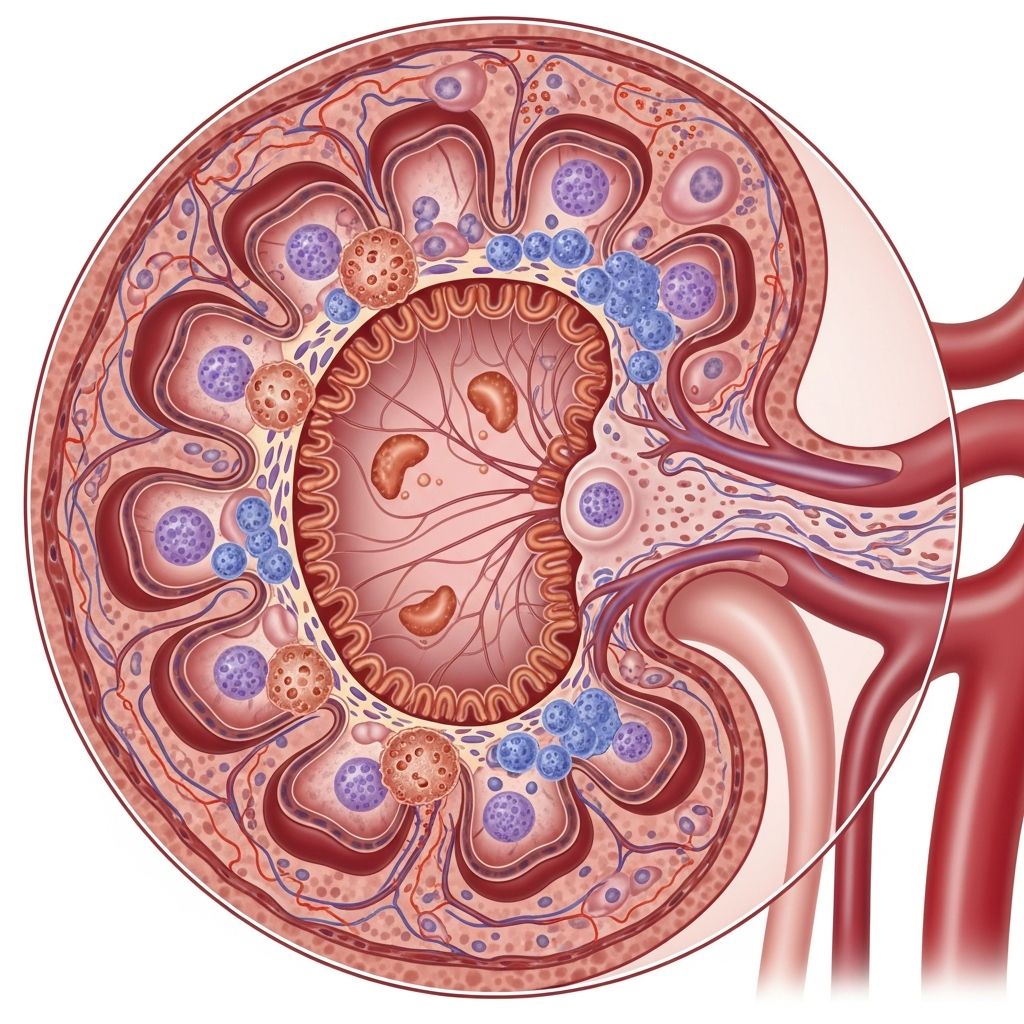
IgA nephropathy, also known as Berger’s disease, is the most common primary glomerulonephritis worldwide, characterized by the buildup of immunoglobulin A (IgA) antibodies in the kidneys, leading to inflammation and potential kidney damage.
What Is IgA Nephropathy?
IgA nephropathy (IgAN) is a kidney disorder where abnormal IgA proteins deposit in the glomeruli—the tiny filtering units of the kidneys—causing inflammation (glomerulonephritis) that impairs the kidneys’ ability to filter waste from the blood. This condition is autoimmune in nature, with the immune system mistakenly producing defective IgA antibodies that form immune complexes and trigger ongoing kidney injury.
Globally, IgAN accounts for up to 40% of primary glomerulonephritis cases in some regions, though prevalence varies by ethnicity, being more common in people of Asian, European, and Native American descent. Without intervention, 20-50% of patients may progress to end-stage kidney disease (ESKD) over 20-30 years.
Symptoms of IgA Nephropathy
Many individuals with IgA nephropathy remain asymptomatic for years, with the condition discovered incidentally during routine urinalysis showing blood or protein in the urine. When symptoms appear, they often coincide with upper respiratory or gastrointestinal infections, a hallmark known as synpharyngitic hematuria.
- Visible blood in urine (gross hematuria): Urine appears cola- or tea-colored, typically following a cold, sore throat, or flu.
- Microscopic hematuria: Blood detectable only under microscopy, present in nearly all cases.
- Proteinuria: Excess protein in urine, leading to foamy urine; levels above 1g/day indicate higher risk.
- Flank pain: Dull ache in the sides or lower back due to kidney inflammation.
- Edema: Swelling in the feet, ankles, hands, or face from fluid retention.
- High blood pressure (hypertension): Develops as kidney function declines.
In advanced stages, symptoms of chronic kidney disease emerge, including fatigue, nausea, itching, and reduced urine output.
Causes of IgA Nephropathy
The precise cause of IgA nephropathy remains unknown, but it involves a multi-hit pathogenesis: production of galactose-deficient IgA1 (gd-IgA1), generation of autoantibodies against it, and formation of immune complexes that deposit in the kidneys.
- Abnormal IgA production: The immune system produces elevated levels of poorly galactosylated IgA1, which is recognized as foreign and prompts autoantibody formation (IgG or IgA). These complexes lodge in the mesangium of glomeruli, inciting inflammation and scarring.
- Genetic factors: Familial clustering and genome-wide association studies link IgAN to genes involved in IgA glycosylation and immune regulation, explaining higher incidence in certain ethnic groups.
- Environmental triggers: Episodes often flare with mucosal infections (e.g., streptococcal pharyngitis, gastroenteritis), heavy exercise, or stress, increasing circulating IgA complexes.
Unlike secondary forms associated with liver disease or celiac disease, primary IgAN has no identifiable underlying cause.
Risk Factors for IgA Nephropathy
Several factors increase susceptibility to developing IgA nephropathy:
| Risk Factor | Description |
|---|---|
| Demographics | Males are affected 2-6 times more than females; peak onset 20-30s, but can occur at any age. |
| Ethnicity | Highest in Asians, Whites, and Native Americans; lower in Blacks. |
| Family history | 5-10% familial cases; first-degree relatives have 1.5-3x risk. |
| Associated conditions | More common with Henoch-Schönlein purpura, liver disease, IBD, or HIV. |
| Mucosal infections | Frequent respiratory or GI infections trigger flares. |
Diagnosis of IgA Nephropathy
Diagnosis requires a combination of clinical findings, lab tests, imaging, and definitive kidney biopsy.
Related Stories



- Urinalysis: Detects hematuria and proteinuria; persistent microscopic hematuria with episodic gross hematuria post-infection is suggestive.
- Blood tests: Elevated serum creatinine indicates reduced kidney function; normal complements distinguish from other glomerulonephritides.
- Imaging: Renal ultrasound rules out other causes; kidneys may appear normal or echogenic.
- Kidney biopsy: Gold standard—shows mesangial IgA deposits on immunofluorescence (Oxford MEST-C score assesses prognosis).
Early diagnosis is crucial, as the International IgAN Prediction Tool uses biopsy, clinical data, and proteinuria to forecast progression risk.
Treatment for IgA Nephropathy
There is no cure for IgA nephropathy, but treatments aim to slow progression, reduce proteinuria (<0.5g/day target per 2025 KDIGO guidelines), control blood pressure (<130/80 mmHg), and prevent complications.
Supportive Therapies (First-Line)
- Renin-angiotensin system (RAS) blockade: ACE inhibitors (e.g., lisinopril) or ARBs (e.g., losartan) reduce intraglomerular pressure and proteinuria by 30-50%.
- SGLT2 inhibitors: (e.g., dapagliflozin) slow eGFR decline by 40%; approved for IgAN.
- Lifestyle modifications: Low-sodium diet (<2g/day), weight loss, exercise, smoking cessation; limit protein to 0.8g/kg/day.
- Sparsentan: Dual endothelin-angiotensin antagonist; reduces proteinuria more than irbesartan.
Immunosuppressive Therapies (Selected Cases)
- Corticosteroids: High-dose prednisone or targeted-release budesonide (Nefecon) for high-risk patients with proteinuria >1g/day despite RASi; reduces IgA production in gut mucosa.
- Other agents: Mycophenolate mofetil (MMF), rituximab, or calcineurin inhibitors for refractory cases; use cautiously due to infection risks.
Advanced Disease Management
For ESKD (eGFR <15 mL/min), dialysis or kidney transplant is required; IgAN recurs in 20-60% of transplants but rarely leads to graft loss.[10]
Complications of IgA Nephropathy
- Chronic kidney disease (CKD): Progressive decline in GFR; 50% reach ESKD in 20 years.
- Nephrotic syndrome: Massive proteinuria (>3.5g/day), hypoalbuminemia, edema, hyperlipidemia.
- Hypertensive crisis: Accelerates vascular damage.
- Cardiovascular disease: Leading cause of death in CKD patients.
Prevention and Prognosis
While not fully preventable, avoiding triggers (e.g., prompt infection treatment), maintaining optimal BP and proteinuria control improves outcomes. Prognosis is favorable for low-risk patients (normal GFR, proteinuria <0.5g/day)—90% kidney survival at 20 years; high-risk cases benefit from aggressive therapy.
Emerging therapies targeting gd-IgA1 (e.g., budigalimab, zigakibart) show promise in trials.
Frequently Asked Questions (FAQs)
What causes IgA nephropathy?
IgA nephropathy results from galactose-deficient IgA1 immune complexes depositing in kidney glomeruli, driven by genetic predisposition and triggered by infections.
Is IgA nephropathy curable?
No, but treatments like RAS inhibitors, SGLT2i, and budesonide slow progression and preserve kidney function.
How is IgA nephropathy diagnosed?
Via urinalysis showing hematuria/proteinuria, blood tests, imaging, and confirmatory kidney biopsy.
Can IgA nephropathy lead to kidney failure?
Yes, 20-50% progress to ESKD over decades without treatment.[10]
What lifestyle changes help manage IgA nephropathy?
Low-salt diet, exercise, smoking cessation, BP control, and proteinuria reduction.
References
- IgA Nephropathy: Understanding Causes, Symptoms — National Organization for Rare Disorders (NORD). 2025-04-04. https://www.youtube.com/watch?v=Dj7Va3MTTgE
- IgA Nephropathy (Berger Disease): Symptoms & Treatment — Cleveland Clinic. Accessed 2026. https://my.clevelandclinic.org/health/diseases/5990-iga-nephropathy
- What is IgA Nephropathy? — IgAN.org. Accessed 2026. https://igan.org/faq/
- IgA nephropathy (Berger disease) – Symptoms and causes — Mayo Clinic. Accessed 2026. https://www.mayoclinic.org/diseases-conditions/iga-nephropathy/symptoms-causes/syc-20352268
- IgA Nephropathy (IgAN) — Travere Therapeutics. Accessed 2026. https://travere.com/our-science/therapeutic-areas/iga-nephropathy-igan/
- IgA Nephropathy — NORD Rare Diseases. Accessed 2026. https://rarediseases.org/rare-diseases/iga-nephropathy/
- IgA nephropathy (IgAN): symptoms, treatments, diagnosis and causes — Kidney Research UK. Accessed 2026. https://www.kidneyresearchuk.org/conditions-symptoms/iga-nephropathy/
- IgA Nephropathy — NIDDK (National Institute of Diabetes and Digestive and Kidney Diseases). Accessed 2026. https://www.niddk.nih.gov/health-information/kidney-disease/iga-nephropathy
Similar Articles








Read full bio of medha deb