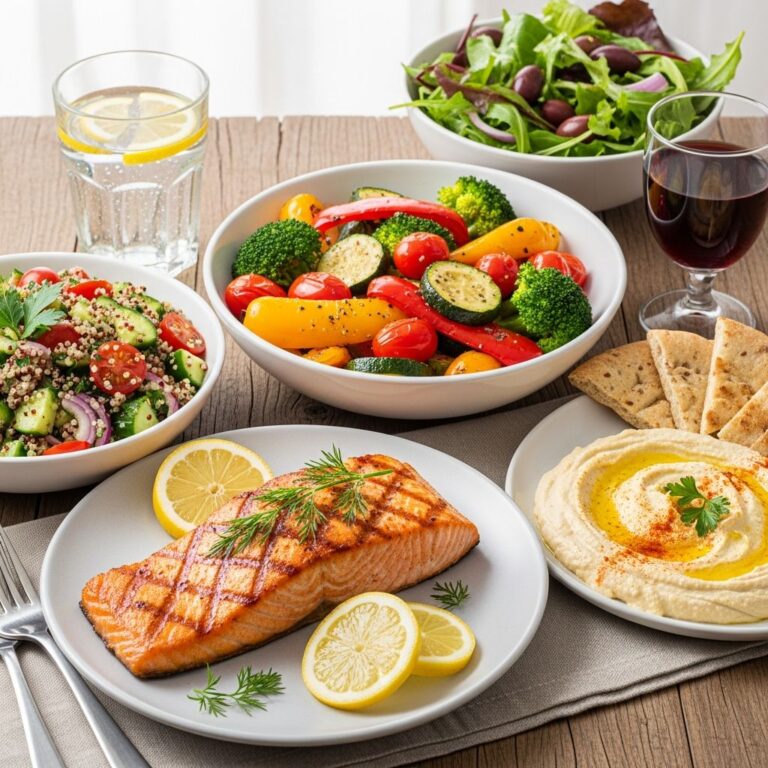
IgA Nephropathy Diet: 5 Essential Rules To Protect Your Kidneys
Discover the best diet strategies for managing IgA nephropathy, including low-sodium foods, plant-based options, and personalized nutrition plans.
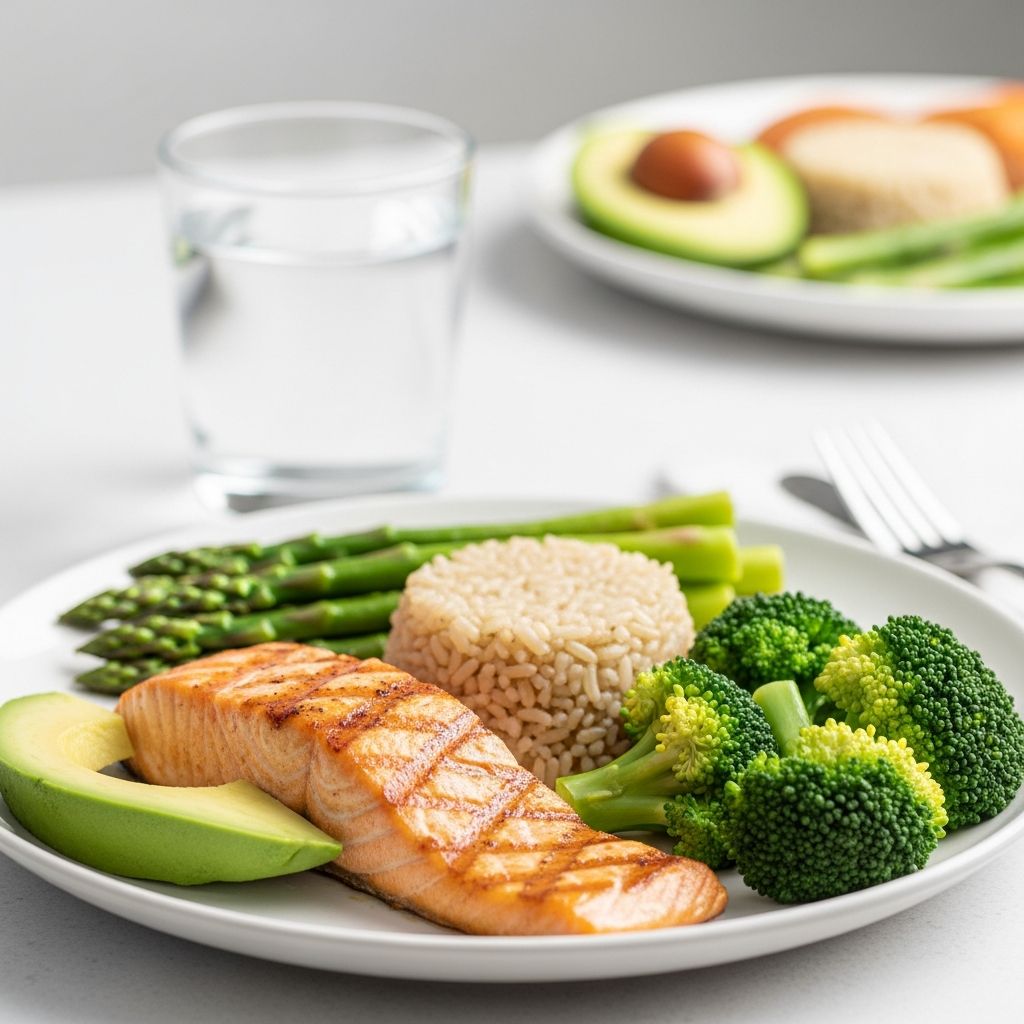
IgA nephropathy, also known as Berger’s disease, is a common kidney disorder where IgA antibodies deposit in the glomeruli, causing inflammation and potential progression to chronic kidney disease. While no specific diet cures IgA nephropathy, strategic nutrition can slow disease progression, manage symptoms like swelling and high blood pressure, and support overall health. Key principles include limiting sodium, moderating protein, emphasizing nutrient-dense whole foods, and considering plant-based approaches, always personalized by a healthcare provider.
What Is IgA Nephropathy?
IgA nephropathy is the most prevalent form of primary glomerulonephritis worldwide, affecting the kidney’s filtering units. It often presents with blood in the urine (hematuria), proteinuria, and hypertension. Over time, it can lead to end-stage renal disease in 20-40% of cases without intervention. Diet plays a supportive role by addressing comorbidities like hypertension and obesity, which accelerate damage.
Symptoms may be subtle initially, including cola-colored urine after infections, flank pain, or edema. Early detection via urine tests and biopsy allows for lifestyle modifications, including diet, to preserve kidney function. Nutrition influences inflammation, blood pressure, and gut health, which are linked to immune responses in IgA nephropathy.
Why Diet Matters for IgA Nephropathy
Diet impacts IgA nephropathy by controlling blood pressure, reducing proteinuria, minimizing inflammation, and preventing further kidney strain. High sodium exacerbates swelling and hypertension, common accelerators of progression. Processed foods burden kidneys with phosphorus and potassium additives, while nutrient-poor diets weaken immunity.
Research shows plant-based diets rich in fruits, vegetables, and fiber may delay end-stage renal disease, particularly in patients with obesity or diabetes. Low-sodium intake aligns with American Heart Association guidelines, aiming for under 1,500 mg daily to lower blood pressure and edema. Personalized nutrition considers eGFR levels, proteinuria, and comorbidities for optimal outcomes.
General Dietary Guidelines
Focus on whole, unprocessed foods low in sodium and moderate in protein. The ‘golden rules’ are nutrient-rich eating and sodium restriction, adaptable as disease progresses. For early stages, emphasize anti-inflammatory foods; in advanced CKD, a renal diet may limit potassium, phosphorus, and fluids.
- Low-sodium intake: <1,500-2,300 mg/day to reduce blood pressure and swelling.
- Moderate protein: Avoid very low intake; aim for 0.8-1.0 g/kg body weight unless advised otherwise, prioritizing high-quality sources.
- Whole foods priority: Fruits, vegetables, lean proteins, whole grains over packaged items.
- Hydration: Adequate water unless restricted; monitor for edema.
- Comorbidity management: Adjust for diabetes (low glycemic) or heart disease.
Gradually reduce sodium by 1g/day to ease transition. Use herbs, spices, lemon, and vinegar for flavor instead of salt.
Foods to Eat
Prioritize kidney-friendly whole foods low in sodium, potassium, and phosphorus. These provide antioxidants, vitamins, and fiber to combat inflammation and support gut health, crucial for immune modulation in IgA nephropathy.
| Category | Examples | Benefits |
|---|---|---|
| Vegetables | Red bell peppers, cabbage, cauliflower, onions, garlic | Low potassium/phosphorus, high antioxidants, anti-inflammatory |
| Fruits | Berries (blueberries, strawberries), apples, pears, pineapple | Fiber-rich, low potassium, vitamin C for immunity |
| Proteins | Fish (salmon, tuna), egg whites, skinless chicken, low-sodium beans/lentils | Omega-3s reduce inflammation; moderate portions preserve muscle |
| Grains | White rice, pasta, bread (low-sodium), quinoa, oats | Energy source, fiber for gut health |
| Dairy Alternatives | Almond/oat milk (unsweetened, low-sodium), rice milk | Low phosphorus options |
| Fats | Olive oil, avocados, nuts/seeds (unsalted, limited) | Healthy fats for heart health |
Related Stories



Incorporate these into meals: berry smoothies, grilled fish with veggies, or quinoa salads. Plant-based staples like low-sodium canned beans build a supportive pantry.
Foods to Avoid or Limit
Steer clear of high-sodium, processed, and additive-heavy foods that strain kidneys and promote inflammation.
- High-sodium: Canned soups, deli meats, pizza, fast food, pickles (>300 mg/serving).
- Processed: Chips, frozen meals, boxed mixes, sodas.
- High-protein excesses: Red meats, organ meats if proteinuria high.
- High-potassium/phosphorus: Bananas, oranges, potatoes, dairy, cola (monitor labs).
- Added sugars: Candies, desserts for diabetes control.
Read labels: Aim for <140 mg sodium/serving. Processed vegan substitutes often hide phosphorus additives.
Sample Meal Plan
A 7-day plan emphasizes variety, balance, and kidney protection (approx. 1,800-2,000 calories, low-sodium).
| Day | Breakfast | Lunch | Dinner | Snacks |
|---|---|---|---|---|
| Monday | Oatmeal with berries & almond milk | Quinoa salad w/ peppers, chickpeas | Grilled salmon, steamed cauliflower, rice | Apple slices w/ peanut butter |
| Tuesday | Egg white scramble w/ spinach | Turkey wrap (low-sod tortilla, veggies) | Bean soup, side salad | Cottage cheese (low-sod) & pineapple |
| Wednesday | Smoothie: berries, oat milk, chia | Tuna salad on greens | Chicken stir-fry w/ cabbage, rice | Handful unsalted nuts |
| Thursday | Toast w/ avocado, poached egg | Lentil soup, apple | Baked fish, roasted veggies | Yogurt (low-sod) w/ strawberries |
| Friday | Overnight oats w/ pears | Veggie pasta salad | Tofu stir-fry w/ broccoli, quinoa | Carrot sticks w/ hummus |
| Saturday | Berry parfait w/ yogurt | Chickpea salad | Grilled chicken, sweet potato (small) | Pear |
| Sunday | Pancakes (low-sod) w/ fruit | Bean burrito bowl | Salmon cakes, green beans | Rice cakes w/ tahini |
Adjust portions based on needs; batch-prep soups and grains for ease.
Plant-Based Diets for IgA Nephropathy
Plant-based eating (vegan, Mediterranean, DASH) shows promise in reducing inflammation and delaying progression via gut health improvements. Focus on fruits, veggies, whole grains, omega-3s; limit processed plants. Start slow: swap one meal weekly.
- Benefits: Lower proteinuria, better blood pressure control, weight management.
- Pantry: Low-sod beans, grains, nuts, herbs.
- Meals: Grain bowls, stews, overnight oats.
Consult a renal dietitian for personalization.
Protein Intake Considerations
Moderate protein (not low) maintains health without overburdening kidneys. Personalize based on nutritional status, proteinuria, and eGFR. High-quality plant/animal sources preferred.
Other Dietary Approaches
Emerging research explores gluten-free diets for potential benefits. Low-sodium remains core; integrate with exercise and sleep for holistic management.
Consulting a Dietitian
A renal dietitian tailors plans using labs, symptoms, and lifestyle. They address barriers like taste changes or budgeting.
Frequently Asked Questions (FAQs)
What is the best diet for IgA nephropathy?
A low-sodium, nutrient-dense diet with moderate protein and plant-based emphasis, personalized to your stage and comorbidities.
Should I limit protein with IgA nephropathy?
Moderate, not low, intake; consult your doctor for personalized targets.
Can plant-based diets help IgA nephropathy?
Yes, they may slow progression via anti-inflammatory effects and gut health.
How much sodium is safe?
Ideally <1,500 mg/day per AHA guidelines.
Do I need a renal diet?
Not always early on; progresses with CKD stages.
References
- Diet with IgA Nephropathy — My Kidney House. 2024. https://www.mykidneyhouse.com/iga-nephropathy/diet
- What To Eat (and Avoid) When Living With IgA Nephropathy or C3G — Cleveland Clinic. 2023-10-12. https://health.clevelandclinic.org/iga-nephropathy-diet
- Plant-Based Diet Strategies for Managing IgA Nephropathy — IgAN.org. 2024. https://igan.org/diet-nutrition/plant-based-diet-strategies-for-managing-iga-nephropathy-a-comprehensive-guide/
- IgA Nephropathy — National Institute of Diabetes and Digestive and Kidney Diseases (NIDDK). 2023-05-15. https://www.niddk.nih.gov/health-information/kidney-disease/iga-nephropathy
Similar Articles








Read full bio of Sneha Tete