IgA Nephropathy Symptoms: 6 Key Signs To Watch For
Recognizing the signs of IgA nephropathy, from blood in urine to swelling, and understanding this common kidney disease.
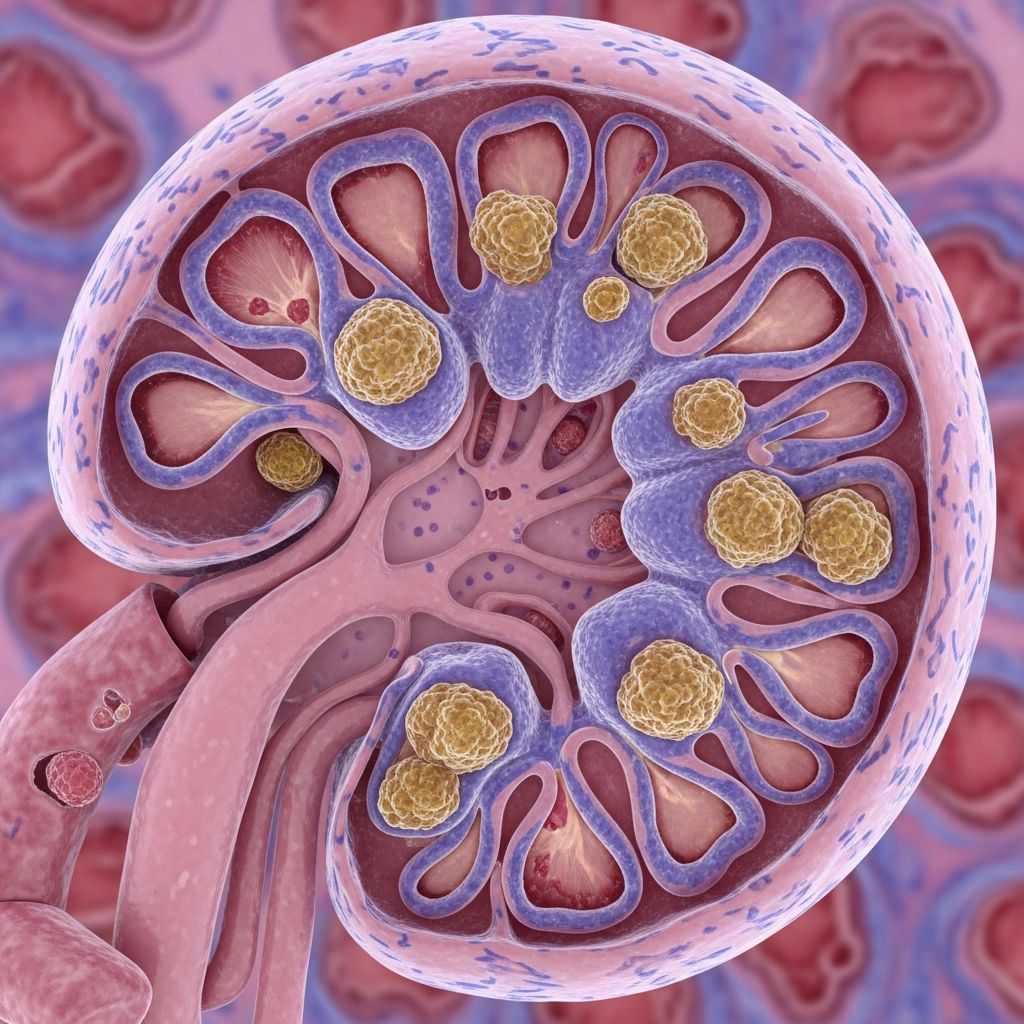
IgA nephropathy, also known as Berger’s disease, is the most common form of primary glomerulonephritis worldwide, characterized by the deposition of immunoglobulin A (IgA) antibodies in the kidneys, leading to inflammation and potential damage to the glomeruli. This condition often presents with visible symptoms following infections, such as blood in the urine, and can progress slowly over years, sometimes resulting in chronic kidney disease or end-stage renal failure. Early recognition of symptoms is crucial for timely intervention to slow disease progression.
What Is IgA Nephropathy?
IgA nephropathy occurs when IgA, an antibody produced by the immune system to fight infections, abnormally accumulates in the glomeruli—the tiny filtering units within the kidneys. This buildup forms immune complexes that trigger inflammation, impairing the kidneys’ ability to filter waste from the blood effectively. The disease is more prevalent in males and typically diagnosed between ages 20 and 40, though it can affect anyone. Genetic factors, mucosal infections, and abnormal IgA glycosylation contribute to its development, with galactose-deficient IgA playing a key role in immune complex formation.
Unlike other kidney diseases, IgA nephropathy often flares during or after upper respiratory or gastrointestinal infections, as elevated circulating IgA deposits in the kidneys during these episodes. While many cases are mild and may resolve spontaneously, up to 50% of patients progress to end-stage kidney disease within 20 years without treatment.
Symptoms of IgA Nephropathy
Many individuals with IgA nephropathy remain asymptomatic for years, with the condition discovered incidentally during routine urinalysis showing microscopic hematuria or proteinuria. When symptoms appear, they are often episodic and triggered by infections. Common manifestations include:
- Cola- or tea-colored urine (gross hematuria): Visible blood in the urine, typically appearing 1-2 days after a respiratory infection like a cold or sore throat.
- Proteinuria: Excess protein in the urine, causing foamy or frothy urine; persistent levels indicate ongoing glomerular damage.
- Flank pain: Dull ache or discomfort in the lower back on one or both sides, beneath the ribs, near the kidneys.
- Edema (swelling): Fluid retention leading to swelling in the hands, feet, ankles, or eyelids, often due to nephrotic syndrome.
- High blood pressure (hypertension): Develops as kidney function declines, exacerbating damage.
- Fatigue and weakness: Resulting from anemia, toxin buildup, or reduced kidney function.
Symptoms can vary widely; some experience recurrent gross hematuria without progression, while others develop persistent proteinuria leading to nephrotic syndrome—characterized by heavy proteinuria (>3.5g/day), hypoalbuminemia, hyperlipidemia, and edema. Advanced stages may include oliguria (reduced urine output) and uremic symptoms like nausea or itching.
Causes and Risk Factors
The exact cause of IgA nephropathy remains unclear, but it involves a multifactorial interplay of genetic predisposition, environmental triggers, and immune dysregulation. Key factors include:
- Abnormal IgA production: Galactose-deficient IgA1 forms circulating immune complexes that deposit in the mesangium of glomeruli, activating complement and inflammatory pathways.
- Infections: Respiratory or gastrointestinal infections increase IgA levels, prompting deposition in kidneys.
- Genetics: Familial clustering and associations with HLA genes suggest heritability; more common in Caucasians and Asians.
- Associated conditions: Linked to liver disease, celiac disease, HIV, or Henoch-Schönlein purpura.
Related Stories



Risk is higher in young adults, males, and those with a family history of kidney disease. Unlike secondary glomerulonephritides, primary IgA nephropathy lacks an identifiable underlying cause.
Diagnosis of IgA Nephropathy
Diagnosis begins with clinical suspicion based on recurrent hematuria post-infection, confirmed through laboratory and imaging tests, with kidney biopsy as the gold standard. Diagnostic steps include:
- Urinalysis: Detects hematuria (RBCs >3/hpf), dysmorphic RBCs, RBC casts, and proteinuria.
- Blood tests: Elevated serum creatinine indicates reduced GFR; normal complement levels distinguish it from other glomerulonephritides.
- Imaging: Renal ultrasound rules out structural abnormalities.
- Kidney biopsy: Reveals mesangial IgA deposits on immunofluorescence, with electron-dense deposits on EM; Oxford MEST-C score assesses prognosis.
Biopsy is essential as clinical features overlap with other conditions like thin basement membrane disease or Alport syndrome.
Treatment Options for IgA Nephropathy
There is no cure for IgA nephropathy, but treatments aim to reduce proteinuria, control blood pressure, and slow progression to kidney failure. Supportive care is first-line:
- RAAS blockade: ACE inhibitors (e.g., lisinopril) or ARBs (e.g., losartan) reduce intraglomerular pressure and proteinuria.
- SGLT2 inhibitors: Reduce proteinuria and slow GFR decline (e.g., dapagliflozin).
- Sparsentan: Dual endothelin/angiotensin receptor antagonist for proteinuria reduction.
- Statins: Manage hyperlipidemia and cardiovascular risk.
For high-risk patients (persistent proteinuria >1g/day, declining GFR), immunosuppression may be considered:
- Corticosteroids: Prednisone or targeted-release budesonide (Nefecon) reduces IgA production in gut-associated lymphoid tissue.
- Other agents: Cyclophosphamide or mycophenolate for rapidly progressive disease.
Lifestyle modifications include low-sodium diet, weight management, smoking cessation, and regular exercise to optimize blood pressure. In end-stage disease, dialysis or transplantation is required; recurrence post-transplant occurs in 20-60% but often milder.
Complications and Prognosis
| Complication | Description | Risk Factors |
|---|---|---|
| Chronic Kidney Disease (CKD) | Progressive GFR decline leading to kidney failure | Proteinuria >1g/day, hypertension, male sex |
| Nephrotic Syndrome | Heavy proteinuria, edema, hypoalbuminemia | Advanced glomerular damage |
| Hypertension | Accelerates kidney damage | Reduced nephron mass |
| Cardiovascular Disease | Leading cause of death in CKD | Dyslipidemia, anemia |
Prognosis varies: 5-10% reach end-stage renal disease (ESRD) within 5 years; 20-40% within 20 years. Favorable factors include normal GFR at diagnosis and isolated hematuria. Regular monitoring of proteinuria, GFR, and blood pressure is essential.
Living with IgA Nephropathy
Patients should adhere to a renal-friendly diet low in salt and protein, stay hydrated, avoid NSAIDs, and attend regular nephrology follow-ups. Support groups via organizations like the National Kidney Foundation provide resources. Emerging therapies targeting the gut-kidney axis, like budesonide, offer hope for disease modification.
Frequently Asked Questions (FAQs)
What triggers IgA nephropathy symptoms?
Symptoms like gross hematuria often flare 1-2 days after upper respiratory or gastrointestinal infections, due to increased IgA deposition.
Can IgA nephropathy be cured?
No, but remission is possible with treatment; many live normal lives with supportive care to slow progression.
Is a kidney transplant an option?
Yes, for ESRD; disease may recur but responds to similar treatments.
How is progression monitored?
Via serial eGFR, proteinuria (urine protein-to-creatinine ratio), and blood pressure measurements.
Does diet affect IgA nephropathy?
Low-sodium, moderate-protein diets help control blood pressure and proteinuria, though no specific diet prevents it.
References
- IgA Nephropathy: Understanding Causes, Symptoms — National Organization for Rare Disorders (NORD). 2025-04-04. https://www.youtube.com/watch?v=Dj7Va3MTTgE
- What is IgA Nephropathy? — IgAN.org. Accessed 2026. https://igan.org/faq/
- IgA nephropathy (Berger disease) – Symptoms and causes — Mayo Clinic. Accessed 2026. https://www.mayoclinic.org/diseases-conditions/iga-nephropathy/symptoms-causes/syc-20352268
- IgA Nephropathy — NORD (rarediseases.org). Accessed 2026. https://rarediseases.org/rare-diseases/iga-nephropathy/
- IgA nephropathy (IgAN): symptoms, treatments — Kidney Research UK. Accessed 2026. https://www.kidneyresearchuk.org/conditions-symptoms/iga-nephropathy/
- IgA Nephropathy — NIDDK (niddk.nih.gov). Accessed 2026. https://www.niddk.nih.gov/health-information/kidney-disease/iga-nephropathy
Similar Articles








Read full bio of Sneha Tete