IgA Pemphigus: Causes, Symptoms, Diagnosis and Treatment
Understanding IgA pemphigus: A comprehensive guide to this rare autoimmune blistering disorder.
Introduction to IgA Pemphigus
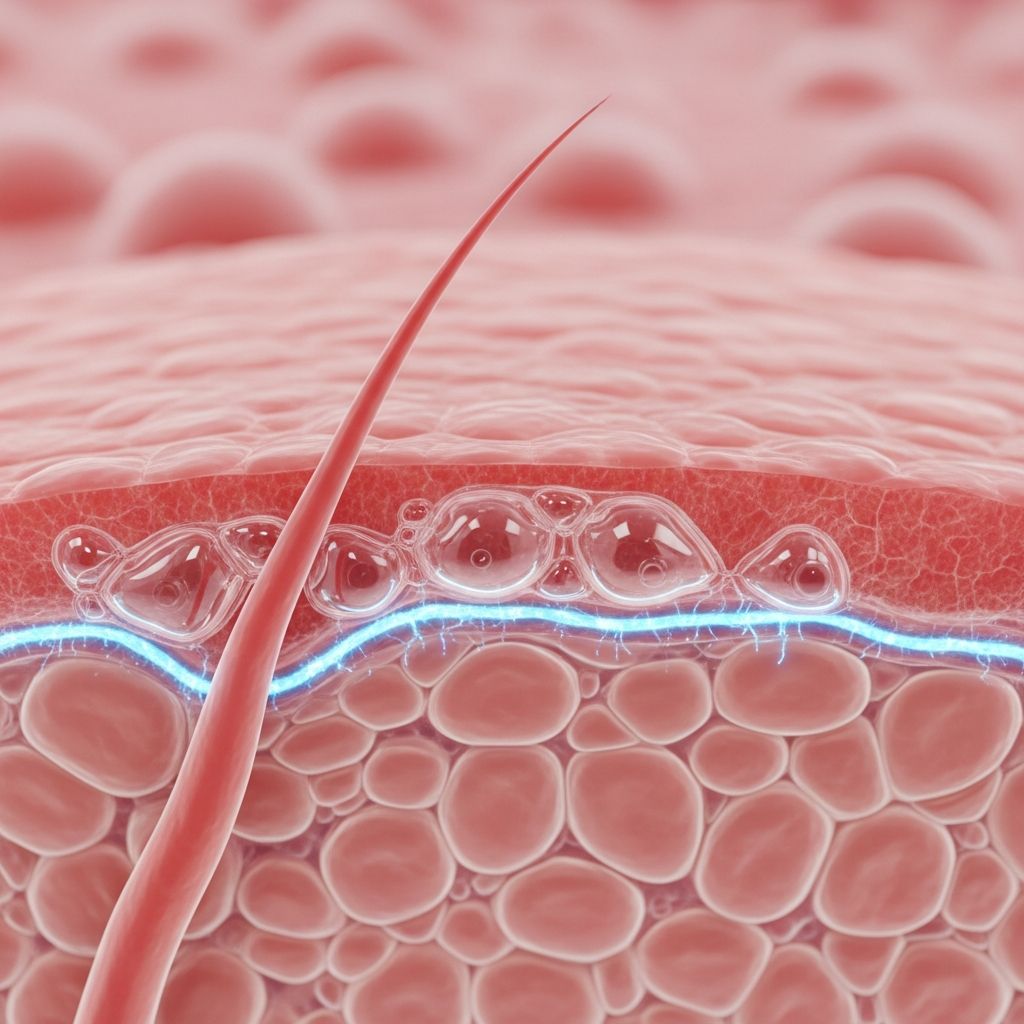
IgA pemphigus, also known as immunoglobulin A pemphigus or intercellular IgA dermatosis, is a rare autoimmune blistering disorder that affects the skin. This condition is characterized by the presence of circulating IgA antibodies that attack keratinocyte cell surface components, resulting in painful and itchy vesiculopustular eruptions. Unlike other forms of pemphigus, IgA pemphigus presents with milder disease manifestations and carries a generally favorable prognosis when appropriately managed. The condition primarily manifests as painful blisters, pustules, and erosions that typically appear on the trunk, extremities, and intertriginous regions.
Classification and Subtypes
IgA pemphigus has undergone classification refinement over the years. Traditionally, the condition was divided into two major subtypes based on histological findings. However, contemporary classification systems now recognize five distinct subtypes of IgA pemphigus, allowing for more precise categorization and better understanding of disease variants. This expanded classification system has improved clinical recognition and management strategies for healthcare providers. The different subtypes may present with varying clinical features and treatment responses, making accurate diagnosis essential for optimal patient care.
Demographics and Epidemiology
IgA pemphigus is exceptionally rare, making it an uncommon diagnosis in clinical dermatological practice. Although the condition can occur in individuals of any age group, it is predominantly observed in middle-aged adults. Current epidemiological data suggests a possible female predominance, though larger studies would help confirm this observation. The rarity of this condition means that many dermatologists may encounter only a handful of cases throughout their careers, underscoring the importance of maintaining high clinical suspicion when evaluating patients with unusual blistering presentations.
Clinical Features and Presentation
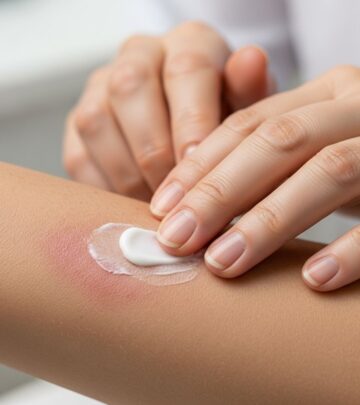
The clinical manifestations of IgA pemphigus are diverse and may include several types of skin lesions. Patients typically present with painful and pruritic blisters that can progress to pustules, erosions, and in some cases, vegetating lesions. Erythema, or redness, is commonly observed around the affected areas. Unlike some other autoimmune blistering diseases, mucosal involvement is infrequent in IgA pemphigus, which helps distinguish it from related conditions.
The distribution of lesions in IgA pemphigus has characteristic patterns. The condition favors the trunk, upper and lower extremities, axillae (armpits), and groin regions. These intertriginous regions—areas where skin surfaces contact one another—appear to be particularly susceptible to lesion development. The lesions are typically found at the periphery of erythematous annular plaques, creating a distinctive appearance that may aid in clinical recognition. The localized nature of these areas helps guide clinical examination and monitoring during disease management.
Associated Conditions and Comorbidities
IgA pemphigus has been associated with various systemic and chronic conditions that may coexist or trigger disease development. Important associations include:
- Multiple myeloma, a serious hematologic malignancy
- Monoclonal IgA gammopathy, an abnormal immunoglobulin condition
- Human immunodeficiency virus (HIV) infection
- Sjögren’s syndrome, an autoimmune disorder affecting moisture-producing glands
- Rheumatoid arthritis, a systemic autoimmune condition
- Crohn’s disease, an inflammatory bowel condition
The presence of these associations underscores the importance of comprehensive patient evaluation and investigation, particularly in elderly patients presenting with IgA pemphigus. Identifying and managing any underlying conditions is crucial for optimal overall patient care and may influence treatment decisions and prognosis.
Etiology and Causes
The precise etiology of IgA pemphigus remains unclear despite ongoing research efforts. Unlike some other autoimmune conditions with well-defined triggers, the exact cause of IgA pemphigus has not been definitively established. However, the pathophysiology involves the production of circulating IgA antibodies that target keratinocyte cell surface antigens, leading to immune-mediated damage to the epidermis. The antigenic targets and the mechanisms triggering this aberrant immune response continue to be areas of active investigation.
The fact that IgA pemphigus can be associated with other medical conditions suggests that systemic factors may play a role in disease development or exacerbation. Environmental triggers, genetic predisposition, and immune dysregulation likely contribute to disease pathogenesis, though the relative contributions of these factors remain to be fully elucidated. Understanding the underlying mechanisms is essential for developing more targeted and effective therapeutic interventions.
Differential Diagnosis
Accurate diagnosis of IgA pemphigus requires careful consideration of other blistering and pustular conditions. Clinical features may initially resemble other autoimmune or inflammatory skin diseases, necessitating appropriate diagnostic testing to confirm the diagnosis. Conditions that should be considered in the differential diagnosis include other forms of pemphigus, autoimmune blistering diseases, and autoinflammatory pustular diseases.
A key clinical clue that raises suspicion for IgA pemphigus is the failure of the eruption to clear with standard antibiotic therapy. Since early presentations may resemble infectious pustular dermatitis, a trial of antibiotics is sometimes undertaken. However, the persistent nature of the lesions despite appropriate antimicrobial treatment should prompt reconsideration of the diagnosis and further investigation for autoimmune or autoinflammatory etiologies. This clinical scenario frequently leads to appropriate referral to dermatology for specialized evaluation.
Diagnostic Approach
The diagnosis of IgA pemphigus requires confirmation through specific diagnostic testing and cannot be made by clinical appearance alone. A comprehensive diagnostic approach involves multiple modalities:
Skin Biopsy and Histopathology
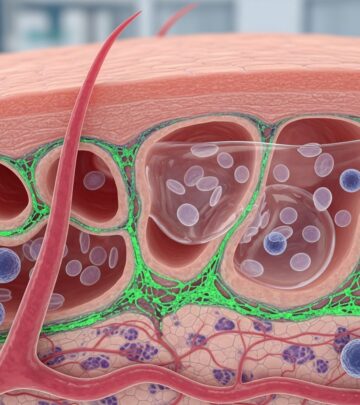
A skin biopsy is essential for establishing the diagnosis of IgA pemphigus. The biopsy specimen is examined histologically to assess epidermal architecture and inflammatory infiltrate patterns. Histological examination typically reveals intraepidermal acantholysis (loss of cell-to-cell adhesion) and neutrophilic infiltration, with the specific pattern depending on the IgA pemphigus subtype. These microscopic findings are characteristic and help distinguish IgA pemphigus from other blistering disorders.
Direct Immunofluorescence Testing
Direct immunofluorescence testing of the skin biopsy specimen is a critical diagnostic component. This testing demonstrates IgA deposits within the epidermis, confirming the immunological basis of the disease. The pattern and location of IgA deposition may vary depending on the specific subtype of IgA pemphigus, providing additional diagnostic information and helping to classify the disease variant.
Indirect Immunofluorescence Testing
Indirect immunofluorescence testing of patient serum can detect circulating IgA anti-keratinocyte cell-surface antibodies, confirming the presence of pathogenic antibodies in the blood. This test demonstrates the autoimmune nature of the condition and supports the diagnosis. Notably, immunoglobulin G (IgG) anti-keratinocyte cell-surface antibodies have also been reported in some cases of IgA pemphigus, suggesting heterogeneity in the antibody profiles among patients.
Treatment and Management
The treatment of IgA pemphigus typically involves a combination approach using systemic medications. Standard therapy combines systemic corticosteroids with dapsone, which has become the mainstay of treatment for most patients with IgA pemphigus.
First-Line Therapy
Systemic corticosteroids are used for their anti-inflammatory properties, suppressing the autoimmune response and reducing inflammation. Dapsone, a sulfone antimicrobial agent, is thought to work by reducing neutrophil infiltration into affected tissues, thereby diminishing pustule formation and inflammatory damage. This combination therapy has proven more effective than corticosteroids alone, making it the preferred initial approach for most patients.
Alternative Treatment Options
Since IgA pemphigus remains a rare condition with limited case reports in the literature, the optimal treatment regimen for all patients has not been definitively established. Patients who do not respond adequately to standard therapy or who experience intolerable side effects may benefit from consideration of alternative medications. These may include other immunosuppressive agents, though specific recommendations depend on individual patient factors and treatment response.
Patient Counseling and Side Effect Management
Patients receiving treatment for IgA pemphigus require thorough counseling regarding potential adverse effects of systemic corticosteroids and dapsone. Long-term corticosteroid use carries risks including osteoporosis, infections, weight gain, and metabolic complications. Dapsone can cause hemolytic anemia and other hematologic abnormalities, requiring periodic laboratory monitoring. Patients should be informed of these potential complications and advised to report any concerning symptoms promptly.
Management of Associated Conditions
When IgA pemphigus occurs in association with other medical conditions, comprehensive multidisciplinary management is essential. Thorough investigation to identify potential underlying triggers or associations is particularly important in elderly patients, as they may have multiple comorbidities. Coordinated care between dermatologists and other specialists ensures that both the skin disease and any underlying systemic conditions are appropriately addressed, optimizing overall patient outcomes.
Prognosis and Outcomes
IgA pemphigus carries a significantly better prognosis compared to other forms of pemphigus. When appropriately managed with combination therapy, most patients experience favorable outcomes. One of the most reassuring aspects of the condition is that it typically heals with minimal or no scarring, in contrast to some other blistering disorders that can leave permanent disfigurement.
The mild nature of IgA pemphigus relative to other pemphigus variants contributes to its generally favorable clinical course. With appropriate diagnosis and treatment initiation, most patients achieve disease control and improvement in quality of life. Long-term follow-up is important to monitor for disease recurrence and to manage any associated systemic conditions.
Frequently Asked Questions
Q: How common is IgA pemphigus?
A: IgA pemphigus is very rare, making it an uncommon diagnosis in dermatological practice. Many dermatologists may see only a few cases throughout their professional careers.
Q: What age group is most affected by IgA pemphigus?
A: Although IgA pemphigus can occur at any age, it is most commonly seen in middle-aged adults, with some evidence suggesting a possible female predominance.
Q: Can IgA pemphigus affect the mouth or mucous membranes?
A: Mucosal involvement is infrequent in IgA pemphigus, distinguishing it from some other autoimmune blistering diseases that more commonly affect the mouth and other mucous membranes.
Q: What is the primary difference between IgA pemphigus and other types of pemphigus?
A: IgA pemphigus is characterized by IgA antibodies against keratinocytes, while other pemphigus types involve different antibody patterns. IgA pemphigus also typically presents with milder disease and has a better prognosis.
Q: What should I do if antibiotics don’t clear my skin lesions?
A: Persistent lesions despite antibiotic treatment warrant dermatological evaluation, as this may indicate an autoimmune condition like IgA pemphigus rather than an infection requiring further diagnostic testing.
Q: Is there a cure for IgA pemphigus?
A: While there is no definitive cure, IgA pemphigus responds well to appropriate treatment with systemic corticosteroids and dapsone, allowing most patients to achieve disease control and remission.
Q: Will IgA pemphigus leave scars?
A: When appropriately managed, IgA pemphigus typically heals with minimal or no scarring, which is one of the favorable aspects of the condition compared to other blistering disorders.
Q: Are there any conditions I should be screened for if I have IgA pemphigus?
A: Yes, IgA pemphigus has been associated with conditions including multiple myeloma, monoclonal IgA gammopathy, HIV infection, Sjögren’s syndrome, rheumatoid arthritis, and Crohn’s disease. Thorough investigation may be warranted, especially in older patients.
References
- IgA Pemphigus — DermNet NZ. 2022-05. https://dermnetnz.org/topics/iga-pemphigus
- IgA pemphigus — Orphanet (European Organization for Rare Diseases). 2024. https://www.orpha.net/en/disease/detail/555905
- IgA Pemphigus — National Center for Biotechnology Information, StatPearls. 2024. https://www.ncbi.nlm.nih.gov/books/NBK519063/
- Subcorneal Pustular Dermatosis–Type IgA Pemphigus — JAMA Dermatology. 2009. https://jamanetwork.com/journals/jamadermatology/fullarticle/712219
Similar Articles








Read full bio of Sneha Tete