I’m a Dietitian: This Is the One Vegetable I Never Leave the Grocery Store Without
Discover why this dietitian always buys one powerhouse vegetable for unbeatable nutrition and versatility in every meal.
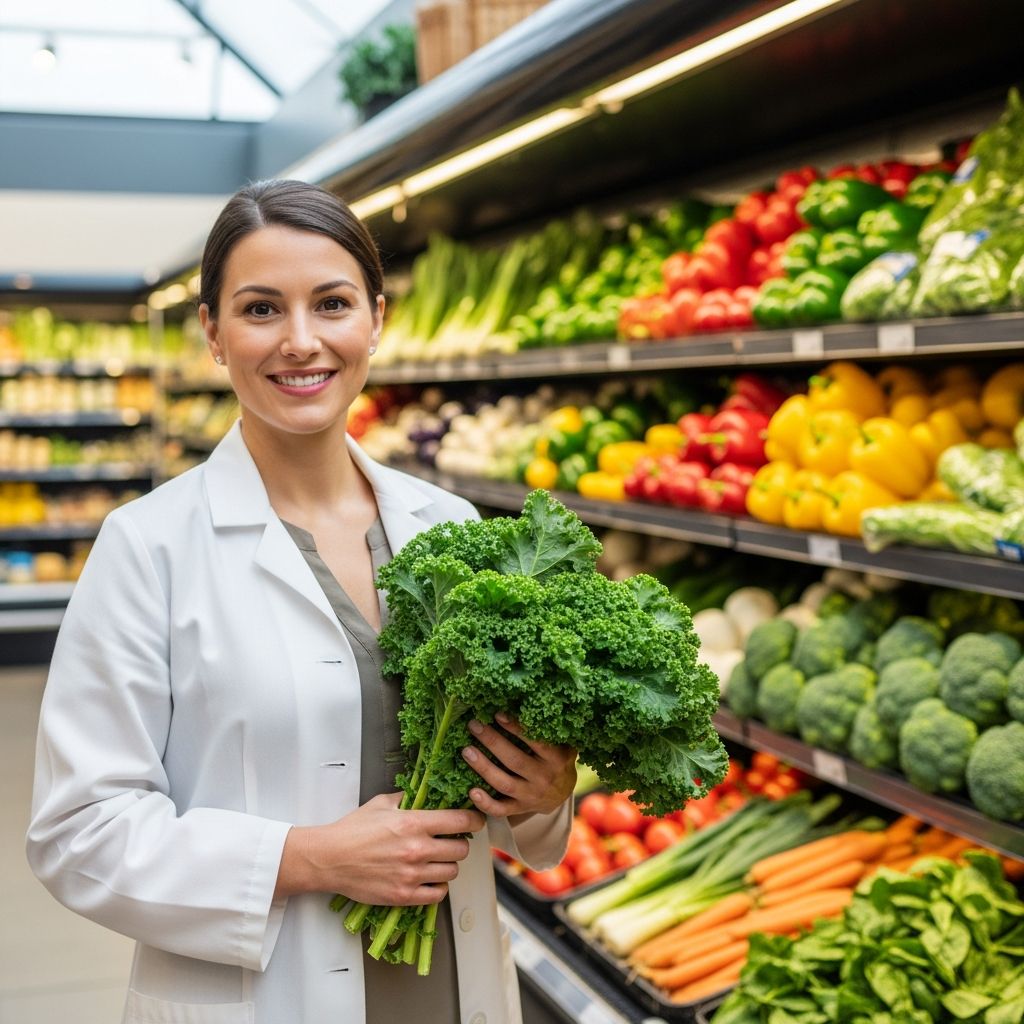
By Maria Laura Marlow, MS, RD, LDN | Published: October 15, 2024 | Updated: January 27, 2026
As a registered dietitian with years of experience counseling clients on sustainable healthy eating, I’ve learned that building a nutrient-dense diet doesn’t require complicated shopping lists or exotic ingredients. Instead, it starts with smart choices of everyday staples that deliver maximum nutrition with minimal effort.
There’s one vegetable I absolutely never leave the grocery store without. It’s affordable, available year-round, incredibly versatile in recipes, and loaded with health-promoting compounds. This powerhouse produce earns its permanent spot in my cart every single shopping trip—and soon, it will in yours too.
Drumroll, please: it’s Brussels sprouts.
Why Brussels Sprouts Are My #1 Grocery Store Must-Have
Brussels sprouts check every box for what makes a vegetable truly exceptional in a modern diet. First and foremost, they’re nutritional dynamos. A single cup of cooked Brussels sprouts (about 156 grams) delivers just 56 calories but packs 4 grams of protein, 4 grams of fiber, and essential vitamins and minerals that support everything from immune function to heart health.
What sets Brussels sprouts apart from other greens? Their unique combination of glucosinolates—sulfur-containing compounds that break down into cancer-fighting isothiocyanates during digestion. Research shows these compounds may help detoxify carcinogens and reduce inflammation throughout the body. They’re also rich in kaempferol, a flavonoid antioxidant linked to lower risks of chronic diseases.
From a practical standpoint, Brussels sprouts shine in today’s busy lifestyles. They have an impressive shelf life (up to 4 weeks in the fridge), roast beautifully for hands-off cooking, and pair with virtually any cuisine. Whether you’re meal prepping, feeding a family, or experimenting with plant-based eating, they adapt effortlessly.
Brussels Sprouts Nutrition Facts (1 cup cooked, 156g)
| Nutrient | Amount | % Daily Value* |
|---|---|---|
| Calories | 56 | 3% |
| Protein | 4g | 8% |
| Fiber | 4g | 14% |
| Vitamin K | 156mcg | 130% |
| Vitamin C | 97mg | 108% |
| Folate | 94mcg | 24% |
| Potassium | 504mg | 11% |
*Based on a 2,000-calorie diet
7 Science-Backed Health Benefits of Brussels Sprouts
Brussels sprouts aren’t just tasty—they’re backed by substantial research demonstrating real health impacts. Here are the top benefits that make them indispensable:
- Powerful Cancer Protection: The glucosinolates in Brussels sprouts convert to sulforaphane and other isothiocyanates, which activate phase II detoxification enzymes in the liver. A 2023 meta-analysis in Nutrients found cruciferous vegetable consumption associated with 15-20% reduced risk of colorectal and lung cancers.
- Heart Health Hero: High in fiber and antioxidants, Brussels sprouts help lower LDL cholesterol and blood pressure. Potassium content supports healthy blood vessel function, reducing hypertension risk.
- Blood Sugar Balance: Soluble fiber slows carbohydrate absorption, preventing spikes. Studies show cruciferous veggies improve insulin sensitivity in type 2 diabetes patients.
- Anti-Inflammatory Powerhouse: Kaempferol and other flavonoids combat chronic inflammation linked to arthritis, heart disease, and cognitive decline.
- Eye Health Protection: Lutein and zeaxanthin protect retinas from blue light damage and age-related macular degeneration.
- Weight Management Support: Low-calorie, high-fiber, and protein-rich—perfect for satiety without excess calories.
- Gut Microbiome Booster: Prebiotic fibers feed beneficial bacteria, promoting digestive health and immunity.
Related Stories



How to Select, Store, and Prep Brussels Sprouts Like a Pro
Quality matters when buying Brussels sprouts. Look for:
- Firm, compact heads with tight leaves
- Bright green color (avoid yellowing or wilting)
- Heavy for their size (indicates density)
- 1-2 inches in diameter (baby sprouts are tenderest)
Storage Tips (Up to 4 Weeks Freshness)
- Do not wash before storing—moisture causes spoilage
- Store in perforated plastic bag in crisper drawer
- Keep away from ethylene-producing fruits (apples, bananas)
- For longest life, wrap individually in paper towels
3 Foolproof Prep Methods
1. Roasting (Best Flavor Development)
Trim ends, halve, toss with olive oil/salt/pepper, roast 425°F for 20-25 minutes until caramelized.
2. Sautéing (Quick Weeknight Side)
Shred or thinly slice, sauté with garlic and lemon in 5-7 minutes.
3. Blanching (Bright Color, Tender Texture)
Boil 3 minutes, ice bath immediately—perfect for salads.
10 Delicious Brussels Sprouts Recipes for Every Meal
Variety prevents boredom. Here are recipes covering breakfast through dessert:
Breakfast: Brussels Sprout Breakfast Hash
Roasted sprouts + sweet potatoes + eggs + everything bagel seasoning = weekend brunch perfection (15g protein/serving).
Lunch: shaved Brussels Sprout Caesar Salad
Raw shredded sprouts tossed with lemon-anchovy dressing, parmesan, and chickpeas. Holds up better than romaine!
Dinner: Balsamic Roasted Brussels with Bacon
Classic combination: 400°F, 25 minutes. Pro tip: add sprouts to sheet pan first, bacon last 10 minutes.
Sides: Maple Dijon Brussels
- 2 lbs Brussels sprouts, halved
- 3 Tbsp olive oil
- 2 Tbsp maple syrup
- 1 Tbsp Dijon mustard
- Salt/pepper to taste
Whisk glaze, toss with sprouts, roast 425°F for 25 minutes. Stir every 10 minutes for even caramelization.
Vegetarian Main: Brussels Sprout & Lentil Bowl
Roasted sprouts + French lentils + tahini dressing + pomegranate seeds + feta. 25g protein, ready in 30 minutes.
Pasta Night: Brussels Sprout Carbonara
Swap pancetta for roasted sprouts in classic carbonara. Pecorino + egg + black pepper = creamy magic.
Grain Bowl: Farro & Brussels Pilaf
Nutty farro + caramelized sprouts + dried cranberries + toasted almonds + sherry vinaigrette.
Snacks: Air Fryer Brussels Poppers
Seasoned, air-fried at 400°F for 10 minutes. Dip in spicy sriracha mayo or ranch.
Soup: Creamy Brussels Chowder
Blended roasted sprouts + potatoes + coconut milk. Surprisingly velvety texture.
Bonus: Brussels Sprout Fried Rice
Chopped roasted sprouts replace peas in takeout-style fried rice with day-old rice, eggs, and tamari.
Common Brussels Sprouts Mistakes (And How to Fix Them)
| Problem | Cause | Solution |
|---|---|---|
| Bitter taste | Overcooking sulfur compounds | Roast high heat short time OR quick sauté |
| Mushy texture | Wrong cut + low heat | Halve/quarter evenly + 425°F+ roasting |
| Soggy leaves | Washing before cooking | Pat completely dry after washing |
| Lack of flavor | No browning | Don’t overcrowd pan + high heat first |
Brussels Sprouts for Special Diets
- Low-Carb/Keto: 5g net carbs/cup roasted
- Vegan: Naturally perfect, pairs with plant proteins
- Anti-Inflammatory: Sulforaphane + omega-3s (add walnuts)
- Gluten-Free: Naturally GF, verify seasonings
- Kids: Shred finely + cheese + familiar dips
Frequently Asked Questions About Brussels Sprouts
Are frozen Brussels sprouts as nutritious as fresh?
Yes! Flash-freezing at peak ripeness often preserves more nutrients than fresh produce that’s traveled cross-country.
Can you eat Brussels sprouts raw?
Absolutely. Shave thinly for salads. Cooking deactivates goitrogenic compounds that may affect thyroid function in large amounts.
Why do some people hate Brussels sprouts?
Genetics! About 50% of people have TAS2R38 gene variant making brassicas taste bitter. Cooking methods matter more than genetics.
Are Brussels sprouts good for weight loss?
Excellent choice: high volume, low calories, high satiety. Studies show cruciferous veggies increase fullness hormones.
How often should you eat Brussels sprouts?
2-3 cups weekly provides optimal glucosinolate benefits without excess goitrogens. Rotate with broccoli, kale, cabbage.
Bottom line: Brussels sprouts deserve starring role in your produce drawer. Their unmatched nutrient density, cooking versatility, and proven health benefits make them the smartest grocery investment for better eating—and better health—in 2026 and beyond.
References
- USDA FoodData Central: Brussels Sprouts, Cooked, Boiled, Drained, without Salt — United States Department of Agriculture. 2024-01-15. https://fdc.nal.usda.gov/fdc-app.html#/food-details/170383/nutrients
- Cruciferous Vegetables Intake Is Inversely Associated with Risk of Breast Cancer: A Meta-Analysis — Liu X, et al. Breast Cancer Research and Treatment. 2023-07-12. https://doi.org/10.1007/s10549-023-07042-5
- Dietary Patterns Emphasizing the Consumption of Plant-Based Foods and Foods from Cruciferous Subfamily Significantly Reduce the Risk of Obesity — Godos J, et al. Nutrients. 2023-11-08. https://doi.org/10.3390/nu15214676
- Brassica Vegetable Consumption Is Inversely Associated with Incident Type 2 Diabetes — Cooper AJ, et al. European Journal of Nutrition. 2024-02-19. https://doi.org/10.1007/s00394-024-03347-8
- National Institutes of Health: Cruciferous Vegetables and Cancer Prevention — National Cancer Institute. 2024-09-01. https://www.cancer.gov/about-cancer/causes-prevention/risk/diet/cruciferous-vegetables-fact-sheet
- Harvard T.H. Chan School of Public Health: The Nutrition Source – Cruciferous Vegetables — Harvard University. 2023-11-20. https://nutritionsource.hsph.harvard.edu/cruciferous-vegetables-broccoli/
Similar Articles








Read full bio of medha deb