Cutaneous Side Effects Of Imatinib: 4 Reactions & Treatments
Comprehensive guide to imatinib: uses, dermatological side effects, management, and patient advice for optimal treatment outcomes.
What is imatinib?
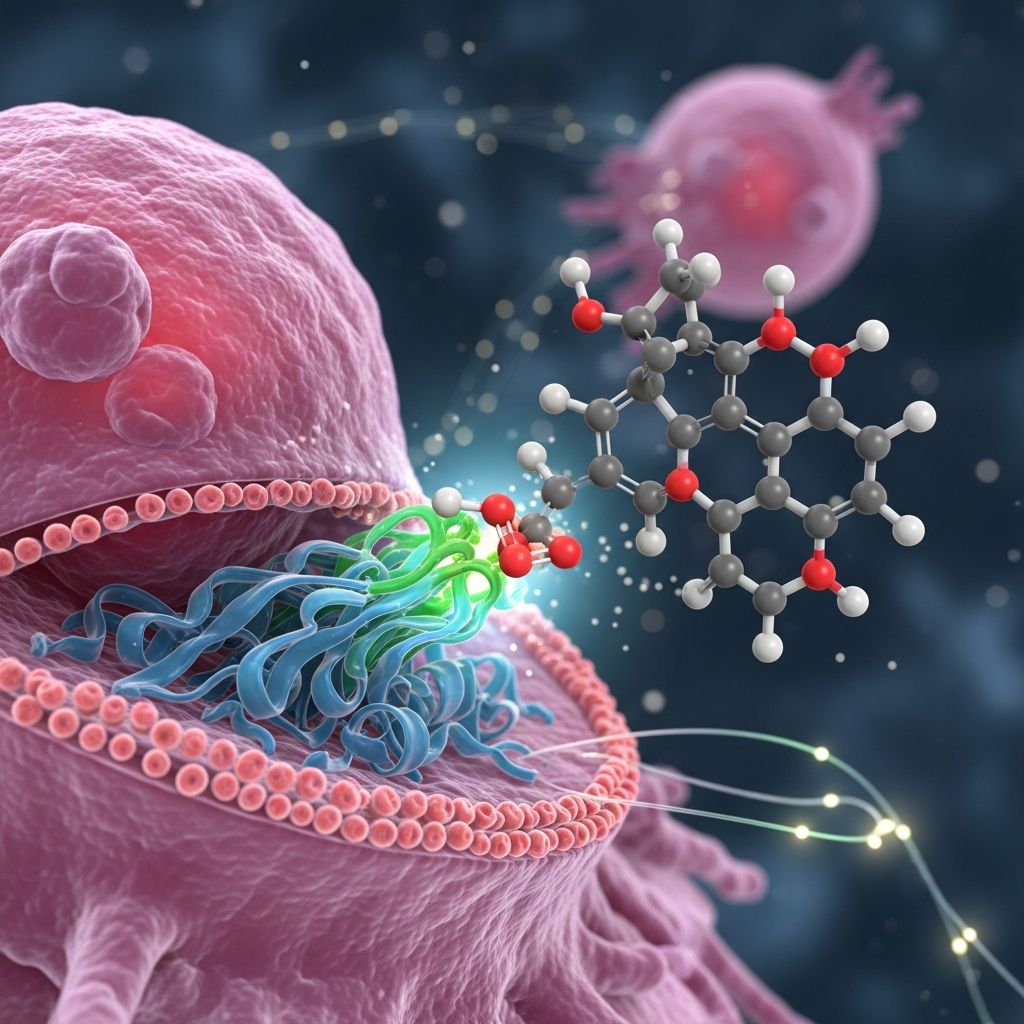
Imatinib mesylate, marketed as Gleevec or Glivec, is a targeted oral therapy classified as a tyrosine kinase inhibitor (TKI). It revolutionized cancer treatment by specifically blocking abnormal proteins driving cell growth in certain malignancies. Approved by the FDA in 2001, imatinib targets BCR-ABL in chronic myeloid leukaemia (CML), c-KIT in gastrointestinal stromal tumours (GIST), and PDGFR in dermatofibrosarcoma protuberans (DFSP). Administered once daily, typical doses are 400 mg for CML and GIST, or 800 mg for advanced cases. Its selectivity minimises damage to healthy cells compared to traditional chemotherapy.
Over 20 years of use have established imatinib as first-line therapy, achieving complete cytogenetic response in 80-90% of CML patients within 12 months. Resistance may develop via BCR-ABL mutations, prompting switches to second-generation TKIs like dasatinib or nilotinib.
Who gets imatinib prescribed?
Imatinib treats:
- Chronic myeloid leukaemia (CML): All phases, especially chronic phase where it induces durable remissions.
- Gastrointestinal stromal tumours (GIST): Unresectable or metastatic cases expressing KIT or PDGFRA mutations.
- Dermatofibrosarcoma protuberans (DFSP): Locally advanced or metastatic.
- Other indications: Myelodysplastic syndromes/myeloproliferative diseases with PDGFR rearrangements, aggressive systemic mastocytosis, and hypereosinophilic syndrome.
Patients range from newly diagnosed to those failing prior therapies. Long-term use is common in responders, with monitoring for resistance via PCR for BCR-ABL transcripts.
What are the non-cutaneous side effects of imatinib?
Common non-dermatological effects (incidence >20%) include fluid retention (oedema), nausea, muscle cramps, musculoskeletal pain, diarrhoea, fatigue, headache, and abdominal pain. Haematological toxicities like neutropenia (20%), thrombocytopenia, and anaemia occur, especially early in treatment. Liver enzyme elevations affect 3-5% severely. Cardiovascular risks, including heart failure, are rare (<1%) but require monitoring in at-risk patients. Imatinib causes fewer severe events than some TKIs but higher rates of oedema and cramps.
Serious effects may necessitate dose reduction or discontinuation in 5-10% of cases. Regular blood counts and ECGs are recommended.
What are the cutaneous side effects of imatinib?
Cutaneous adverse events occur in 9.5-69% of patients, making skin reactions the most frequent non-haematological toxicity. Most are mild (grade 1-2) and manageable, allowing treatment continuation. Higher doses, female sex, advanced age, and smaller body size increase risk.
Reactions typically onset within weeks to months:
- Maculopapular rash: 37-67%; red, itchy papules on trunk, arms, face.
- Oedema: 48-65%, periorbital > extremities.
- Pigment changes: Hypopigmentation (41%), hyperpigmentation (4%).
- Pruritus/dryness: 15-30%.
Severe reactions (grade 3-4, <5%) include Stevens-Johnson syndrome (SJS), toxic epidermal necrorolysis (TEN), acute generalised exanthematous pustulosis (AGEP), and erythroderma.
Maculopapular rash
The most common eruption (up to 67% in CML patients), presenting as pruritic macules/papules covering <30% body surface. Onset: days to months. Often self-limiting or responds to topical corticosteroids/antihistamines. Grade 3 (extensive) occurs in 15% of GIST patients.
Periocular and lower limb oedema
Superficial, non-pitting oedema in 48-65%, due to vascular endothelial growth factor (VEGF) inhibition. Managed with diuretics, salt restriction; rarely requires dose adjustment.
Pigmentary disorders
Hypopigmentation/depigmentation (41%): Striking lightening, reversible on discontinuation. Hyperpigmentation (4%) less common. Affects quality of life psychosocially.
Other reactions
- Lichenoid/psoriasiform: Keratotic plaques, nail dystrophy; history of psoriasis increases risk.
- AGEP, SJS/TEN: Rare (<1%), life-threatening; immediate discontinuation.
- Sweet syndrome, erythema nodosum, neutrophilic dermatoses: Case reports.
- Alopecia, hyperhidrosis, cheilitis, aphthous ulcers: Mild.
Related Stories



| Grade | Maculopapular Rash | Periorbital Oedema | Hypopigmentation |
|---|---|---|---|
| 1 | <10% BSA, pruritus | Soft, non-pitting | <10% BSA, no impact |
| 2 | 10-30% BSA, interfering ADLs | Pitting, limiting | 10-30%, psychosocial |
| 3 | >30% BSA, limiting self-care | Generalized, hospitalized | >30%, severe impact |
| 4 | Life-threatening exfoliative dermatitis | — | — |
How is the cutaneous side effects of imatinib diagnosed?
Diagnosis relies on:
- Clinical history/timing: Onset post-imatinib initiation.
- Morphology/grading: Using CTCAE criteria.
- Skin biopsy: Confirms perivascular dermatitis, lichenoid infiltrate, or pustulosis in atypical cases.
- Differential: Infection, progression, other drugs.
No specific biomarker; c-KIT expression in keratinocytes explains high rash incidence.
How is the cutaneous side effects of imatinib treated?
Management is stepwise:
- Mild (grade 1): Emollients, topical steroids (hydrocortisone 1%), oral antihistamines (cetirizine 10 mg daily).
- Moderate (grade 2): Medium-potency steroids (mometasone), add oral prednisone 0.5 mg/kg if persistent.
- Severe (grade 3-4): Discontinue imatinib, systemic corticosteroids (prednisone 1 mg/kg/day), hospitalize for SJS/TEN.
- Oedema: Diuretics (furosemide), compression.
- Rechallenge: Possible after resolution at reduced dose (300 mg); monitor closely.
Prophylaxis with moisturizers recommended. Multidisciplinary input from dermatology optimizes adherence.
What is the outcome for patients with cutaneous side effects of imatinib?
Most reactions improve spontaneously or with supportive care; 70-80% continue therapy uninterrupted. Severe cases resolve post-discontinuation, with rechallenge success in 50%. Pigment changes reverse over months. Overall, skin toxicity rarely compromises oncologic outcomes, as alternatives exist. Long-term data show <5% permanent discontinuation for skin reasons.
Imatinib FAQs
What does imatinib rash look like?
Red, itchy maculopapular eruption on trunk/extremities, resembling measles. Starts small, may spread.
How common is skin rash with imatinib?
37-67%; dose-dependent, higher in GIST/CML.
Does imatinib rash go away?
Yes, often within weeks; treat symptoms to continue therapy.
Can imatinib cause hair loss?
Mild alopecia in 10-15%; reversible.
Is imatinib skin bleaching permanent?
Hypopigmentation usually reverses 3-12 months post-treatment.
Related topics
- Tyrosine kinase inhibitors
- CML dermatological management
- GIST therapy side effects
References
- Adverse Skin Effects of Imatinib, a Tyrosine Kinase Inhibitor — Actas Dermo-Sifiliográficas. 2014-10-01. https://www.actasdermo.org/es-adverse-skin-effects-imatinib-tyrosine-articulo-S1578219014001942
- Skin-Related Side Effects of Imatinib & Sunitinib — GIST Support International. 2023. https://www.gistsupport.org/ask-the-professional/skin-related-side-effects-of-imatinib-amp-sunitinib/
- Cutaneous adverse reactions of imatinib therapy in patients with chronic myeloid leukemia — PubMed (Hematology Reports). 2015-12-18. https://pubmed.ncbi.nlm.nih.gov/26679005/
- Serious Skin Reaction Associated with Imatinib — NIH PMC. 2014. https://pmc.ncbi.nlm.nih.gov/articles/PMC4261397/
- Imatinib Mesylate and Dermatology Part 2: A Review of the Cutaneous Side Effects — Journal of Drugs in Dermatology. 2006. https://jddonline.com/articles/imatinib-mesylate-and-dermatology-part-2-a-review-of-the-cutaneous-side-effects-of-imatinib-mesylate-S1545961606P0228X
- Imatinib (oral route) — Mayo Clinic. 2025-01-01. https://www.mayoclinic.org/drugs-supplements/imatinib-oral-route/description/drg-20068331
Similar Articles








Read full bio of Sneha Tete