Imiquimod Cream: 3 Uses, Benefits, Side Effects
Comprehensive guide to using imiquimod cream for warts, precancerous lesions, and superficial skin cancers with dosing and safety tips.
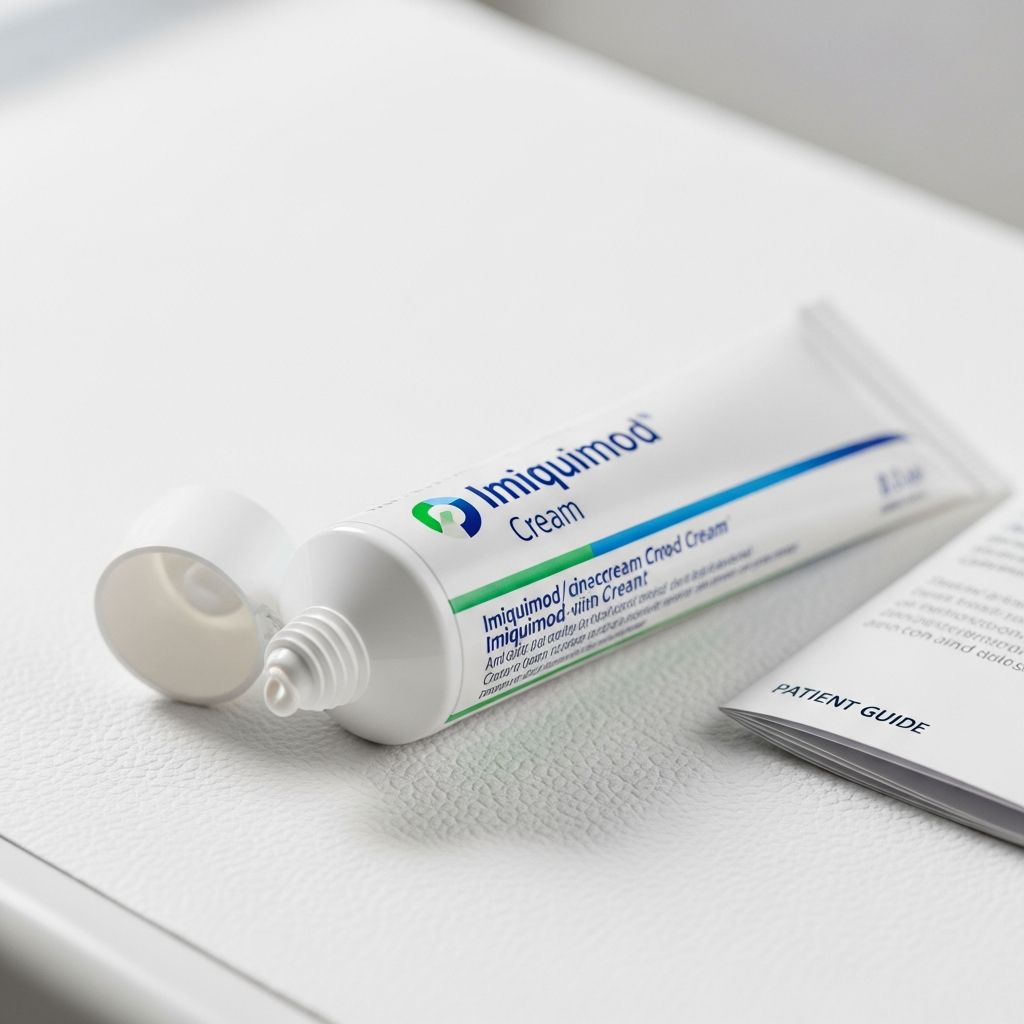
Imiquimod cream represents a significant advancement in dermatological care, offering a non-invasive option for managing various skin issues rooted in viral infections or sun damage. This topical immune response modifier activates the body’s natural defenses to target abnormal cells, making it suitable for conditions like external genital warts, actinic keratoses, and superficial basal cell carcinomas. Unlike traditional treatments that directly destroy tissue, imiquimod harnesses the immune system, promoting long-term clearance with proper use.
Understanding How Imiquimod Works
At its core, imiquimod functions as an immune modulator by stimulating toll-like receptor 7 (TLR7) on immune cells. This activation triggers a cascade of cytokine production, including interferon-alpha, tumor necrosis factor, and interleukins, which enhance antiviral and antitumor responses. For viral warts caused by human papillomavirus (HPV), it mobilizes local immune cells to eradicate infected tissue. In precancerous actinic keratoses from chronic UV exposure, it induces inflammation that clears damaged keratinocytes. Similarly, for superficial basal cell carcinomas, it promotes apoptosis of malignant cells while sparing healthy skin.
The exact mechanism for non-viral applications remains partially understood, but clinical evidence shows robust efficacy. Patients often notice skin reactions like redness and scaling, which signal the drug’s activity—absence of response may indicate treatment failure.
Primary Medical Uses of Imiquimod
Imiquimod is FDA-approved for three key indications, each with tailored formulations and protocols.
- External Genital and Perianal Warts: Effective against condyloma acuminatum from HPV, applied to visible lesions on the vulva, penis, scrotum, or anus (not internal areas).
- Actinic Keratoses (AKs): Precancerous rough patches on sun-exposed face or scalp, treated via field therapy to address multiple lesions.
- Superficial Basal Cell Carcinoma (sBCC): Non-invasive skin cancer on trunk, neck, or limbs (avoiding high-risk facial zones like nose or eyes).
Off-label explorations include recurrent herpes, squamous cell carcinoma in situ, and melanoma in situ, though evidence varies.
Dosage Forms and Application Guidelines
Available as 2.5%, 3.75%, or 5% creams (brands like Aldara or Zyclara), dosing depends on condition and concentration.
| Condition | Formulation | Frequency | Duration | Application Area |
|---|---|---|---|---|
| Genital Warts | 5% (Aldara) | 3x/week (e.g., Mon/Wed/Fri) | Up to 16 weeks | Thin layer on warts, 6-10 hrs overnight |
| Genital Warts | 3.75% (Zyclara) | Daily | Up to 8 weeks | Thin layer on warts, 8 hrs overnight |
| Actinic Keratoses (Face/Scalp) | 5% (Aldara) | 2x/week | 16 weeks | 25 cm² max, 8 hrs |
| Actinic Keratoses | 2.5-3.75% (Zyclara) | Daily x2 weeks, off 2 weeks, repeat | Two cycles | Entire face/scalp |
| sBCC | 5% | 5x/week | 6 weeks | Tumor + 1 cm margin |
Always apply to clean, dry skin, rub in until absorbed, and wash off post-treatment with mild soap. Use single-use packets to avoid contamination; store at room temperature.
Expected Skin Reactions and Management
Treatment success correlates with local inflammation: erythema (redness), edema, erosion, scabbing, and flaking peak in weeks 2-4. These mimic a robust immune response and predict clearance.
- Mild Reactions: Itching, burning—use cool compresses, moisturizers (fragrance-free).
- Moderate-Severe: Ulceration, vesicles—pause 2-3 days, resume at reduced frequency.
- Systemic: Rare flu-like symptoms (fever, fatigue, nausea) with large-area use; resolve post-wash.
Monitor for infection signs (pus, worsening pain). If intolerable, dose adjustment or discontinuation may be needed; consult provider.
Precautions and Who Should Avoid It
Not for internal warts, mucous membranes, or immunocompromised patients without supervision. Avoid during pregnancy (Category C); breastfeeding data limited—discuss risks.
Related Stories



- Photosensitivity: Use sunscreen, avoid sun exposure.
- Drug Interactions: Minimal topical, but caution with immunosuppressants.
- Children: Approved ≥12 years for warts; others per physician.
Regular follow-ups ensure clearance; biopsies for sBCC post-treatment.
Benefits Over Surgical Options
Imiquimod offers cosmetic advantages—no scarring, home-based, cost-effective. For sBCC, 82.5% 5-year success rivals excision in low-risk cases. Ideal for elderly, multiple lesions, or surgery-averse patients.
Potential Risks and When to Seek Help
Serious adverse events rare (<1%): hypersensitivity, autoimmune flares. Stop if anaphylaxis or severe erosion. Long-term: pigmentation changes, milia.
Seek immediate care for fever >101°F, spreading redness, or no improvement after 8 weeks.
Patient Tips for Optimal Results
- Adhere strictly to schedule—consistency key.
- Wear cotton underwear for genital use to reduce irritation.
- Track photos weekly to monitor progress.
- Hydrate skin pre/post with emollients like petrolatum.
- Avoid occlusive dressings unless directed.
Clinical Evidence and Effectiveness Rates
Trials show 50-80% wart clearance with 5% cream; AK resolution up to 75%; sBCC histological clearance ~85%. Lower strengths shorten regimens for better compliance.
Frequently Asked Questions (FAQs)
Does imiquimod cure HPV?
No, it clears visible warts but doesn’t eradicate HPV virus; recurrence possible (10-20%).
Can I use makeup during treatment?
Avoid on treated areas to prevent irritation; wait until healed.
How long until warts fall off?
Typically 4-12 weeks; continue until gone.
Is it painful?
Mild discomfort common; severe rare, manageable with breaks.
What if I miss a dose?
Apply next scheduled; don’t double.
Combining with Other Therapies
For recalcitrant warts, pair with cryotherapy; AKs with 5-FU. Always under guidance.
References
- Imiquimod – StatPearls – NCBI Bookshelf — National Center for Biotechnology Information (NCBI). 2023-07-17. https://www.ncbi.nlm.nih.gov/books/NBK557413/
- Imiquimod (topical route) — Mayo Clinic. 2024-01-01. https://www.mayoclinic.org/drugs-supplements/imiquimod-topical-route/description/drg-20067474
- Imiquimod: A treatment for some skin cancers, genital warts — Foothill Dermatology. 2023-05-15. https://www.foothillderm.com/blog/imiquimod-a-treatment-for-some-skin-cancers-genital-warts
- Imiquimod: Uses, Side Effects, Dosage & Reviews — GoodRx. 2024-02-10. https://www.goodrx.com/imiquimod/what-is
- Imiquimod Skin Cream: Uses & Side Effects — Cleveland Clinic. 2023-11-20. https://my.clevelandclinic.org/health/drugs/20093-imiquimod-skin-cream
Similar Articles








Read full bio of Sneha Tete