Imiquimod: 3 Approved Uses, Dosing, Side Effects Guide
Comprehensive guide to imiquimod cream: uses for warts, actinic keratosis, basal cell carcinoma, and more.
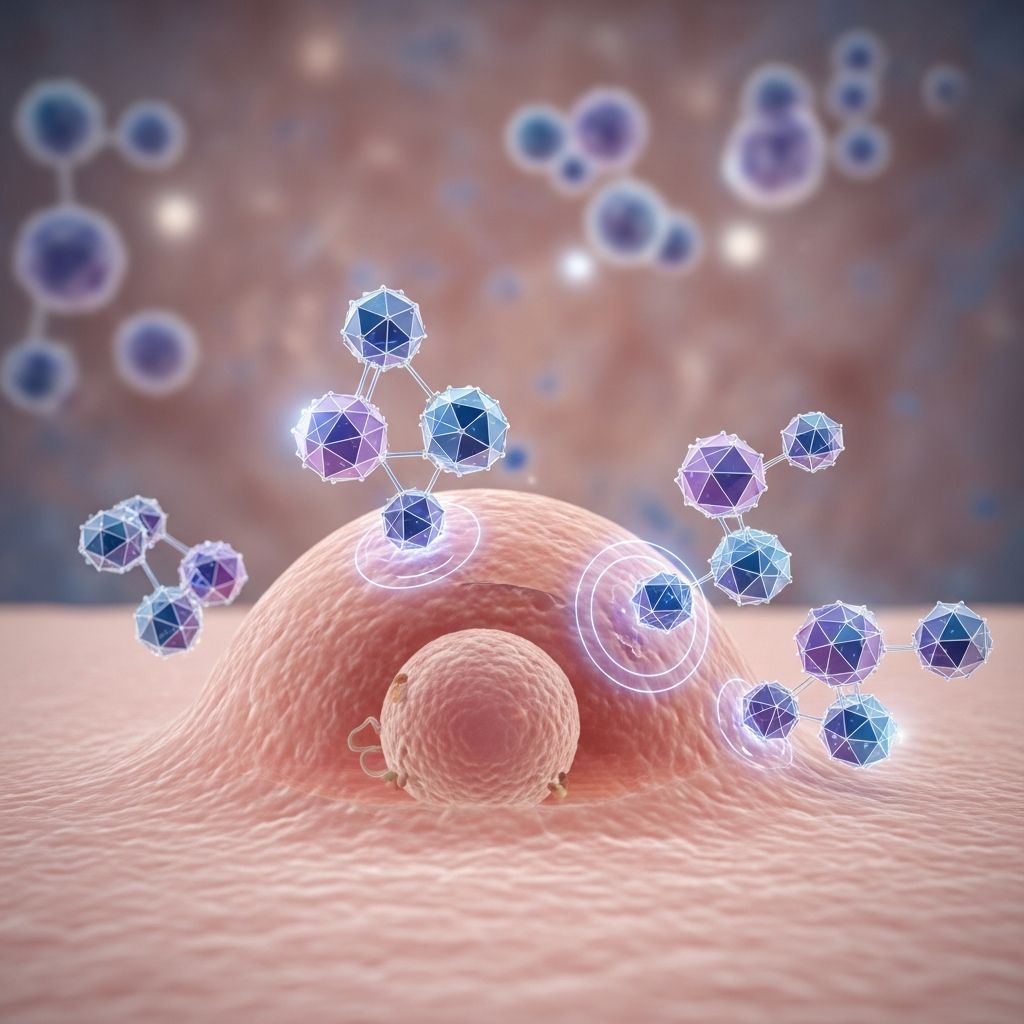
Imiquimod is a topical immune response modifier that acts as a toll-like receptor 7 (TLR7) agonist, primarily used to treat precancerous skin lesions, superficial skin cancers, and viral warts.
What is imiquimod?
Imiquimod is an immune response modifier formulated as a cream for topical application. It stimulates the body’s innate immune system by activating toll-like receptor 7 on antigen-presenting cells, leading to the production of cytokines such as interferon-alpha, interleukin-6, interleukin-8, and tumor necrosis factor-alpha. This enhances local immune surveillance against abnormal or infected cells. Unlike antiviral or cytotoxic agents, imiquimod does not directly kill viruses or cancer cells but modulates the immune response to achieve therapeutic effects. Brand names include Aldara (5% cream), Zyclara (3.75% and 2.5% formulations), and others.
Pharmacology and mechanism of action
Imiquimod binds to TLR7, a pattern recognition receptor on plasmacytoid dendritic cells and monocytes, triggering a cascade that induces proinflammatory cytokines. This results in infiltration of lymphocytes, dendritic cells, and macrophages into treated lesions, promoting apoptosis in tumor cells and clearance of viral infections. In basal cell carcinoma (BCC), it stimulates both innate and adaptive immunity, leading to tumor regression. For actinic keratoses (AK), it addresses field cancerization by treating subclinical lesions. Systemic absorption is minimal (<1% with topical use), reducing the risk of widespread effects.
Approved indications
Imiquimod is FDA-approved for three main dermatological conditions in immunocompetent adults and children (for warts, aged 12+).
- Actinic keratosis (AK): Clinically typical, nonhyperkeratotic, nonhypertrophic AK on the face or scalp. Used in field treatment for multiple lesions caused by chronic sun exposure.
- Superficial basal cell carcinoma (sBCC): Biopsy-confirmed primary sBCC with maximum diameter of 2 cm on trunk (excluding anogenital area), neck, or extremities (excluding hands/feet), when surgery is less appropriate.
- External genital and perianal warts (EGW): Condyloma acuminata in patients 12 years and older. Not for internal warts (vagina, penis, rectum).
Off-label uses include molluscum contagiosum in children, squamous cell carcinoma in situ, and recurrent herpes simplex, though evidence varies.
Dosing regimens
Dosing varies by indication and formulation. Always apply thinly to the affected area, rub in until absorbed, and wash off after specified time (6-10 hours for most). Use gloves or finger cot to avoid spread.
| Indication | Formulation | Frequency | Duration | Application Time |
|---|---|---|---|---|
| Actinic keratosis (face/scalp) | 5% (Aldara) or 2.5%/3.75% (Zyclara) | Once nightly, 2x/week (Aldara) or daily (Zyclara) | 16 weeks max | 8 hours |
| sBCC | 5% (Aldara) | Once nightly, 5x/week | 6 weeks | 8 hours |
| EGW | 5% (Aldara) | 3x/week | Up to 16 weeks | 6-10 hours |
For children with extensive molluscum contagiosum (>10% body surface), monitor blood counts as transient decreases in WBC and neutrophils may occur. Do not use occlusive dressings unless directed.
How to apply imiquimod cream
- Prior to bedtime, wash the treatment area with mild soap and water; pat dry.
- Apply a thin layer to the lesion and about 1 cm beyond; avoid healthy skin.
- Rub gently until absorbed using a finger cot or gloves.
- Leave on for 6-10 hours (per indication), then wash off with mild soap and water.
- Avoid bathing/showering until after removal time.
- For EGW, include a 2-3 finger-width margin around warts.
Women should avoid vaginal intercourse during treatment. Sun exposure should be minimized on treated areas.
Clinical outcomes and efficacy
Imiquimod demonstrates high clearance rates: 75-85% for AK, 82% histologic clearance for sBCC at 12 weeks (82.5% sustained at 5 years), and significant wart reduction vs. vehicle. It is particularly valuable for cosmetically sensitive areas or patients refusing surgery. Follow-up biopsies are recommended for sBCC to confirm clearance.
Related Stories



Side effects
Local skin reactions are common and indicate immune activation (erythema, edema, erosion, excoriation, weeping, scabbing). These peak around week 4 and resolve post-treatment.
- Frequent (>10%): Application site reactions (pruritus, burning, pain, tenderness, irritation), fatigue, flu-like symptoms, myalgia.
- Serious (rare): Angioedema, capillary leak syndrome, lymphadenopathy, hypopigmentation/hyperpigmentation, erosion/ulceration.
- Laboratory: Transient decreases in hemoglobin, WBC, platelets (especially in children).
Systemic effects are rare due to low absorption but monitor in large areas.
Precautions and contraindications
- Contraindications: Hypersensitivity to imiquimod/cream components. Not for internal warts or mucous membranes.
- Warnings: Avoid eyes, lips, nostrils, vagina. Discontinue if severe reactions occur. Use caution in immunosuppressed patients (reduced efficacy). Pregnancy category C; avoid breastfeeding during/24h post-use.
- Drug interactions: Minimal; CYP1A2 inhibitors may increase exposure (theoretical).
Patient monitoring and follow-up
Assess response at 8-12 weeks for AK/sBCC; repeat biopsy if needed. Monitor for resolution of local reactions (up to 4-6 weeks post-treatment). Annual skin exams for AK patients due to skin cancer risk. For sBCC, 5-year recurrence monitoring.
Frequently Asked Questions (FAQs)
Q: Can imiquimod be used on the face?
A: Yes, for nonhyperkeratotic AK on face/scalp (5% or lower strengths). Avoid high-risk face zones (H-zone) for sBCC.
Q: Does imiquimod cure genital warts?
A: No, it controls warts by immune stimulation but does not eradicate HPV; new warts may appear.
Q: How long do side effects last?
A: Local reactions resolve 2-4 weeks post-treatment; flu-like symptoms are transient.
Q: Is imiquimod safe for children?
A: Approved for EGW in ages 12+; off-label for molluscum with blood monitoring.
Q: Can I use sunscreen on treated areas?
A: Minimize sun/UV exposure; use broad-spectrum sunscreen on untreated skin.
Special considerations
In elderly patients with extensive AK, field therapy reduces progression to squamous cell carcinoma. For sBCC, patient follow-up is essential. Imiquimod offers a non-invasive alternative to surgery, preserving cosmesis. Emerging data support shorter regimens with 3.75% cream for AK and warts.
References
- Imiquimod: Uses, Interactions, Mechanism of Action — DrugBank Online. 2024. https://go.drugbank.com/drugs/DB00724
- Imiquimod – StatPearls — NCBI Bookshelf, National Center for Biotechnology Information. 2023-10-01. https://www.ncbi.nlm.nih.gov/books/NBK557413/
- ALDARA® (imiquimod) Cream Prescribing Information — U.S. Food and Drug Administration. 2024-09-01. https://www.accessdata.fda.gov/drugsatfda_docs/label/2024/020723s028lbl.pdf
- Imiquimod (topical route) Description — Mayo Clinic. 2024. https://www.mayoclinic.org/drugs-supplements/imiquimod-topical-route/description/drg-20067474
Similar Articles








Read full bio of medha deb