22 Immune-Boosting Foods Dietitians Recommend
Strengthen your body's defenses with these 22 nutrient-packed foods recommended by dietitians to support immune health.
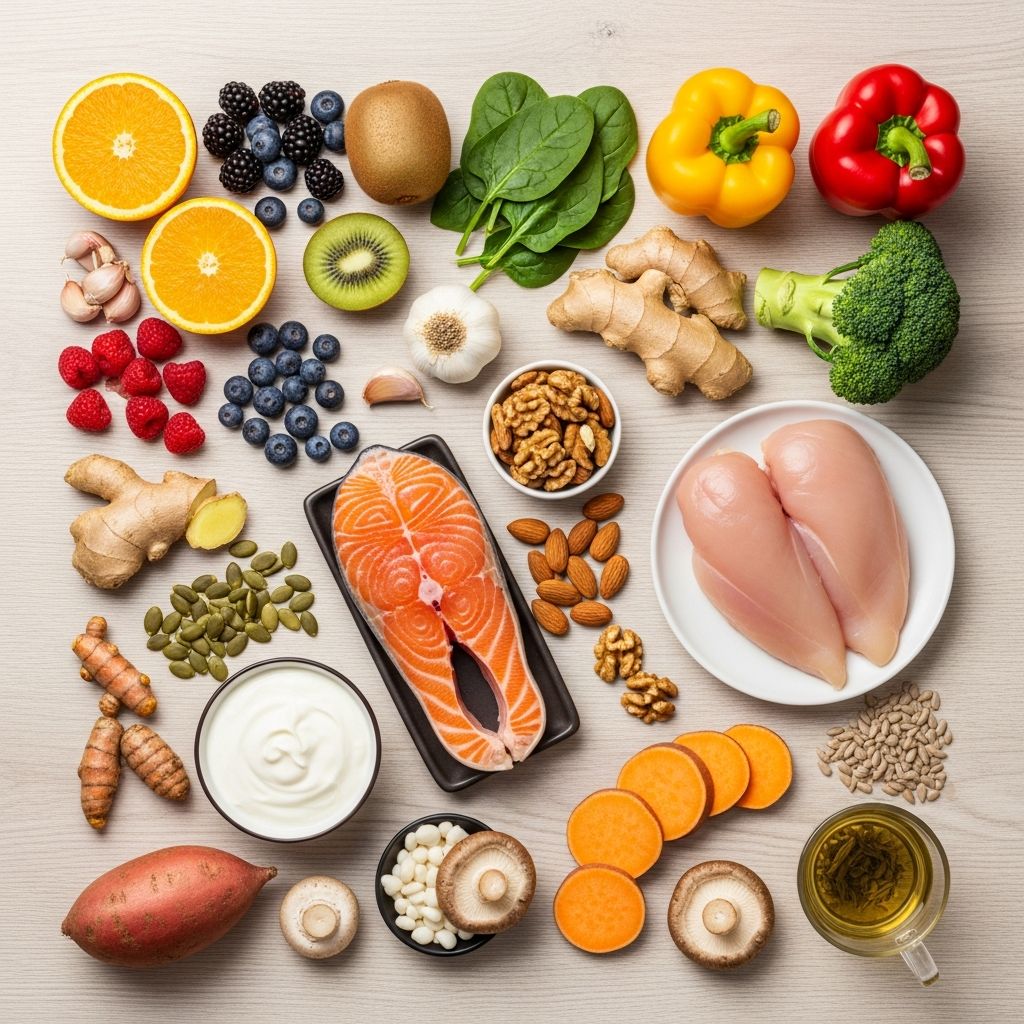
A strong immune system is your body’s first line of defense against infections and illnesses. While no single food can guarantee immunity, incorporating nutrient-dense foods rich in vitamins, minerals, antioxidants, and probiotics can significantly support immune function. Dietitians emphasize that a balanced diet featuring whole foods outperforms supplements for delivering these essential compounds. This article highlights 22 expert-recommended foods that provide key immune-supporting nutrients like vitamin C, vitamin D, zinc, and beta-glucans.
What Are Immune-Boosting Foods?
Immune-boosting foods contain bioactive compounds that enhance the body’s natural defenses. These include micronutrients such as vitamins A, C, D, E, and minerals like zinc and selenium, which aid white blood cell production and reduce inflammation. Plant-based bioactives like polyphenols and beta-glucans also train immune cells for better pathogen response. A diverse intake of fruits, vegetables, nuts, seeds, and fermented foods promotes a healthy gut microbiota, crucial for 70% of immune cells. Experts recommend prioritizing whole foods over supplements, as studies show balanced diets yield superior results.
22 Foods That Boost Your Immune System
Here are 22 powerhouse foods, each packed with immune-supporting nutrients. Incorporate them into meals for optimal benefits.
Citrus Fruits
Citrus fruits like oranges, grapefruits, lemons, and limes are loaded with
vitamin C
, a potent antioxidant that increases white blood cell production to fight infections. One medium orange provides over 70mg of vitamin C, meeting daily needs. Vitamin C also enhances iron absorption and skin barrier integrity.Red Bell Peppers
Red bell peppers surpass citrus in vitamin C content—one cup delivers 190mg, or 211% of daily value. They also offer
vitamin A
and beta-carotene, which maintain mucosal barriers in the respiratory tract.Broccoli
This cruciferous vegetable is rich in vitamins C, E, and A, plus sulforaphane, an antioxidant that reduces inflammation. Steam broccoli lightly to preserve nutrients; one cup provides 81mg vitamin C.
Garlic
Garlic’s allicin compound exhibits antimicrobial properties against bacteria, viruses, and fungi. Raw or crushed garlic maximizes benefits; it also contains vitamin C and manganese.
Ginger
Ginger root supplies gingerol, an antioxidant with anti-inflammatory effects that alleviate nausea and support digestion. Fresh ginger tea boosts circulation and immune response.
Spinach
Spinach delivers vitamins A, C, and folate for cell repair and antioxidant protection. Its beta-carotene converts to vitamin A, bolstering skin and mucous membrane defenses.
Yogurt
Plain, low-fat yogurt with live cultures provides
probiotics
that enhance gut health and vaccine responses. Look for strains like Lactobacillus and Bifidobacterium, linked to stronger immunity.Almonds
A handful of almonds offers vitamin E, an antioxidant protecting cell membranes, plus healthy fats. One ounce provides 37% daily vitamin E needs alongside magnesium.
Turmeric
Curcumin in turmeric modulates immune responses and fights oxidative stress. Pair with black pepper for better absorption; use in curries or golden milk.
Green Tea
Rich in catechins like EGCG, green tea inhibits viral replication and reduces inflammation. Aim for 2-3 cups daily, brewed fresh for maximum polyphenols.
Papaya
Related Stories



Papaya contains vitamin C, folate, and papain enzyme for digestion. One cup yields 88mg vitamin C and antioxidants like lycopene.
Kiwifruit
Kiwi packs more vitamin C than oranges (85mg per fruit) plus vitamin E and potassium. Its fiber supports gut microbiota diversity.
Poultry
Chicken and turkey provide
vitamin B6
for new immune cell formation and selenium, an antioxidant. Skinless cuts minimize saturated fat.Sunflower Seeds
These seeds are vitamin E powerhouses—one quarter cup meets daily needs—while offering selenium and zinc for T-cell function.
Oysters
Oysters top zinc sources, essential for white blood cell development. Three ounces supply over 500% daily zinc, aiding wound healing and immunity.
Shellfish
Clams, mussels, and crab deliver zinc and selenium. Moderate intake prevents heavy metal risks while supporting antioxidant defenses.
Berries
Strawberries, blueberries, and blackberries brim with antioxidants like anthocyanins and vitamin C. One cup strawberries equals two oranges’ vitamin C.
Green Tea (Repeated for emphasis)
(Note: Emphasized due to dual benefits.) Catechins enhance immune cell activity.
Sweet Potatoes
Beta-carotene in sweet potatoes converts to vitamin A, supporting immune cell growth and slowing aging processes.
Mushrooms
Button mushrooms provide selenium and beta-glucans that reduce flu severity. Shiitake and maitake offer additional immune-modulating polysaccharides.
Fatty Fish
Salmon, mackerel, and sardines supply
omega-3 fatty acids
and vitamin D, reducing inflammation and enhancing microbial defenses.Dark Chocolate
High-cacao (70%+) dark chocolate contains flavonoids that improve gut health and immune response. Limit to 1 ounce daily.
Key Nutrients for Immune Health
These foods target essential nutrients:
- Vitamin C: Citrus, peppers, broccoli—boosts white blood cells.
- Vitamin D: Fatty fish, fortified yogurt—regulates immune responses.
- Zinc: Oysters, seeds—supports cell signaling.
- Probiotics: Yogurt—promotes gut-immune axis.
- Antioxidants: Berries, tea—combat oxidative stress.
Sample Immune-Boosting Meal Plan
| Meal | Foods | Key Nutrients |
|---|---|---|
| Breakfast | Yogurt with berries and almonds | Probiotics, vitamin C, E |
| Lunch | Spinach salad with grilled chicken, peppers, sunflower seeds | Vitamins A/C, zinc, B6 |
| Dinner | Salmon with broccoli and sweet potato | Omega-3, vitamins A/C/D |
| Snack | Kiwi and dark chocolate | Vitamin C, flavonoids |
Frequently Asked Questions (FAQs)
What is the best food for immune system?
No single food suffices; a varied diet with citrus, yogurt, and garlic provides comprehensive support.
Do supplements replace these foods?
No—whole foods offer synergistic nutrients supplements lack. Prioritize diet first.
How much vitamin C daily for immunity?
Adults need 75-90mg; immune stress may require more from food sources.
Are plant-based diets best for immunity?
Yes, high fruit/vegetable intake correlates with stronger responses and lower infection risk.
Can these foods prevent colds?
They support defenses but don’t guarantee prevention; combine with sleep and exercise.
References
- 8 Surprising Foods that Boost Your Immune System — FEPBlue. 2020-06-01. https://www.fepblue.org/news/2020/06/01/01/59/8-Surprising-Foods-that-Boost-Your-Immune-System
- Foods to deliver immune-supporting nutrients — PMC – PubMed Central. 2021-12-09. https://pmc.ncbi.nlm.nih.gov/articles/PMC8702655/
- Immunity and antioxidant capacity in humans is enhanced by consumption of a dried, encapsulated fruit and vegetable juice concentrate — Journal of Nutrition (via PMC). 2006-10-01. https://doi.org/10.1093/jn/136.10.2606
- Dietary supplements for established and potential new coronaviruses — Progress in Nutrition. 2020. https://doi.org/10.23751/pn.v22i1.9134
- Nutrition, immunity and COVID-19 — BMJ Nutrition, Prevention & Health. 2021-05-14. https://doi.org/10.1136/bmjnph-2021-000225
Similar Articles








Read full bio of Sneha Tete