Immune-Boosting Superfoods: 12 Foods To Boost Immunity
Discover powerful superfoods packed with vitamins, antioxidants, and nutrients to strengthen your immune system and promote overall wellness.
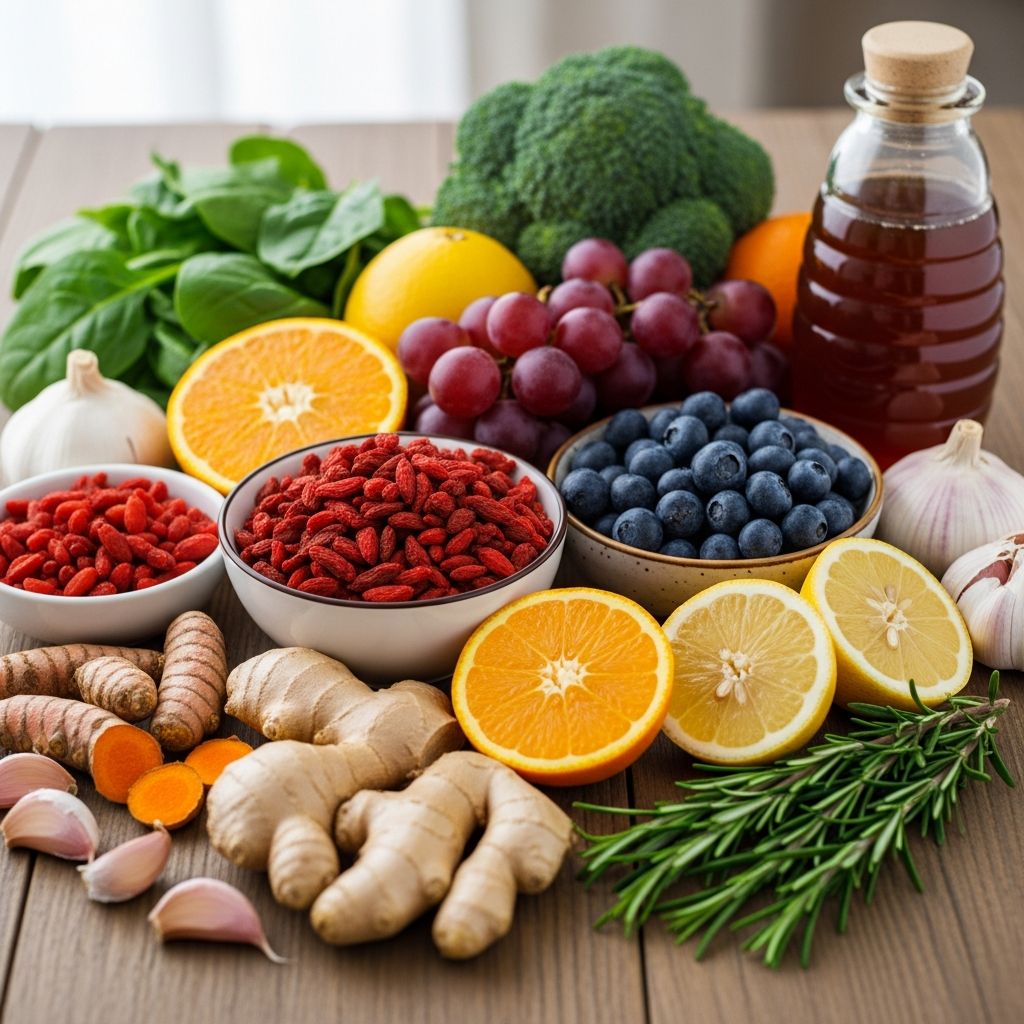
Your immune system is your body’s natural defense against infections and diseases. Incorporating nutrient-dense superfoods into your diet can provide essential vitamins, minerals, antioxidants, and other compounds that support immune function. These foods are rich in vitamin C, vitamin E, flavonoids, probiotics, and omega-3 fatty acids, all of which play key roles in maintaining a robust immune response.
While no single food can guarantee immunity, a varied diet featuring these superfoods helps reduce inflammation, protect cells from damage, and enhance the activity of immune cells. Research shows diets high in fruits, vegetables, and bioactive compounds improve immune biomarkers and may lower susceptibility to illnesses like respiratory infections. Below, we detail 12 top immune-boosting superfoods, their key nutrients, health benefits, and practical ways to include them in your meals.
Peppers and Citrus Fruits
Bell peppers and citrus fruits like oranges, grapefruits, and kiwis are powerhouse sources of
vitamin C
, a crucial antioxidant that supports white blood cell production and function to fight pathogens. Ounce for ounce, bell peppers contain more vitamin C than oranges, making them an excellent choice for immune support. Kiwis also pack a high dose of vitamin C alongside antioxidants that combat oxidative stress.Studies link adequate vitamin C intake to shorter cold durations and enhanced immune cell mobility. These foods also provide flavonoids that reduce inflammation. Aim for 75-90 mg of vitamin C daily from diet; one medium orange delivers about 70 mg.
- Red bell peppers: Up to 190 mg vitamin C per cup, plus beta-carotene for skin and mucous membrane health.
- Oranges and grapefruits: Hydrating and rich in fiber for gut health, which influences 70% of immune cells.
- Kiwis: Double the vitamin C of oranges with vitamin K and E.
How to eat: Slice peppers into salads, squeeze citrus into water, or blend kiwis into smoothies for a refreshing immune boost.
Blueberries and Berries
Blueberries top the list of antioxidant-rich berries, containing
flavonoids
like anthocyanins that protect cells from damage and modulate immune responses. These tiny fruits also offer vitamins C and A, potassium, fiber, and manganese, which collectively strengthen immune defenses and reduce chronic inflammation linked to diseases.Berries’ high antioxidant capacity has been associated with lower risks of cancers like breast and colon, thanks to their ability to neutralize free radicals. A cup of blueberries provides nearly 25% of daily vitamin C needs. Other berries like strawberries and blackberries share similar benefits.
- Flavonoids reduce cellular damage and boost immune cell activity.
- High fiber supports gut microbiota, essential for immunity.
- Anti-inflammatory effects may prevent chronic conditions.
Tips: Add to oatmeal, yogurt, or smoothies. Frozen berries retain nutrients for year-round use.
Green Tea
Green tea, used traditionally as natural medicine, contains
catechins
like EGCG, powerful antioxidants that maintain immune balance and fight oxidative stress. These compounds enhance immune cell function and have anti-inflammatory, anticancer properties, potentially lowering risks for breast, prostate, and colorectal cancers.Related Stories



Drinking 2-3 cups daily provides protective effects without excess caffeine. Hot or blended into smoothies, it’s versatile.
- EGCG activates immune cells and inhibits pathogens.
- Supports detoxification and reduces inflammation.
- Linked to improved immune biomarkers in studies.
Pro tip: Brew fresh leaves for maximum catechins; avoid over-steeping to prevent bitterness.
Mushrooms
Certain mushrooms like shiitake, maitake, and reishi are immune modulators rich in
vitamin D
, beta-glucans, and enzymes that activate immune cells and combat diseases. Vitamin D regulates over 200 genes involved in immunity, while beta-glucans enhance macrophage activity against infections.- Shiitake: Selenium and polysaccharides for antiviral effects.
- Maitake: Boosts natural killer cells.
- Reishi: Adaptogenic properties reduce stress on immunity.
Sauté, add to soups, or take as supplements after consulting a doctor. Sun-exposed mushrooms maximize vitamin D.
Almonds and Nuts/Seeds
Almonds provide
vitamin E
, an antioxidant that protects cell membranes and supports T-cell function, with a half-cup meeting daily needs. Rich in protein, calcium, magnesium, selenium, and healthy fats, they outperform other nuts nutritionally.Walnuts, flaxseeds, and chia seeds add omega-3s for anti-inflammatory benefits and cancer risk reduction.
| Nut/Seed | Key Nutrients | Immune Benefit |
|---|---|---|
| Almonds | Vitamin E, magnesium | Cell protection, antioxidant |
| Walnuts | Omega-3s, polyphenols | Anti-inflammatory |
| Flaxseeds/Chia | Fiber, ALA omega-3 | Gut health, immunity support |
Snack on a handful daily or sprinkle on salads.
Cruciferous Vegetables
Broccoli, cauliflower, Brussels sprouts, and kale contain
sulforaphane
, which detoxifies carcinogens, inhibits cancer cell growth, and boosts vitamins A, C, E, and fiber. These support detoxification and immune vigilance year-round.- High in glucosinolates for anticancer effects.
- Fiber feeds beneficial gut bacteria.
- Antioxidants reduce inflammation.
Steam lightly to preserve nutrients; add to stir-fries or salads.
Fatty Fish
Salmon, tuna, sardines, and mackerel deliver
omega-3 fatty acids
(EPA/DHA) that dampen excessive inflammation while supporting immune cell membranes. Linked to lower cancer risks and better heart/brain health.Aim for two servings weekly; grill or bake for best retention.
Whole Grains and Legumes
Oats, quinoa, beans, and lentils offer fiber, B vitamins, and phytochemicals that foster gut health and regulate immunity. Fiber promotes microbiota diversity, crucial for 70% of immune cells in the gut.
Studies associate them with reduced colorectal cancer risk. Use in soups, salads, or as sides.
Garlic and Onions
These alliums contain
allicin
and sulfur compounds that activate immune cells, inhibit pathogens, and show anticancer potential against stomach and prostate cancers. Crush and let sit 10 minutes before cooking to maximize benefits.Yogurt and Fermented Foods
Probiotic-rich yogurt, kefir, and sauerkraut introduce beneficial bacteria that enhance gut barrier function and immune signaling. Fortified options add vitamin D. Choose plain, live-culture varieties.
Chicken Soup
A time-tested remedy, chicken soup hydrates, provides zinc and protein from chicken, and beta-carotene/vitamin C from carrots— all immunity staples.
Frequently Asked Questions (FAQs)
Can superfoods alone boost my immune system?
No, they work best with balanced diet, sleep, exercise, and stress management. Consistency is key.
How much of these foods should I eat daily?
Fill half your plate with fruits/veggies, include 1-2 servings nuts/seeds, and 2-3 cups tea. Variety matters.
Are supplements better than whole foods?
Whole foods provide synergistic nutrients; supplements can’t replace diet but may help if deficient.
Who should avoid certain superfoods?
Those with allergies (e.g., nuts, fish) or conditions like citrus sensitivity; consult a doctor.
Do these foods prevent cancer?
They lower risk via anti-inflammatory effects but don’t guarantee prevention.
References
- 6 Foods To Boost Your Immune System — Geisinger. 2025-09-15. https://www.geisinger.org/health-and-wellness/wellness-articles/2025/09/15/20/00/6-foods-to-boost-your-immune-system
- Superfoods to improve your immune system and lower the risk of cancer — Lafayette Health Center. 2024-05-07. https://healthcenter.lafayette.edu/2024/05/07/superfoods-to-improve-your-immune-system-and-lower-the-risk-of-cancer/
- 5 Superfoods to Boost Your Immunity — Teladoc Health. N/A. https://www.teladochealth.com/library/article/5-super-foods-to-boost-your-immunity
- Foods to deliver immune-supporting nutrients — PMC – PubMed Central. 2021-12-10. https://pmc.ncbi.nlm.nih.gov/articles/PMC8702655/
Similar Articles








Read full bio of medha deb