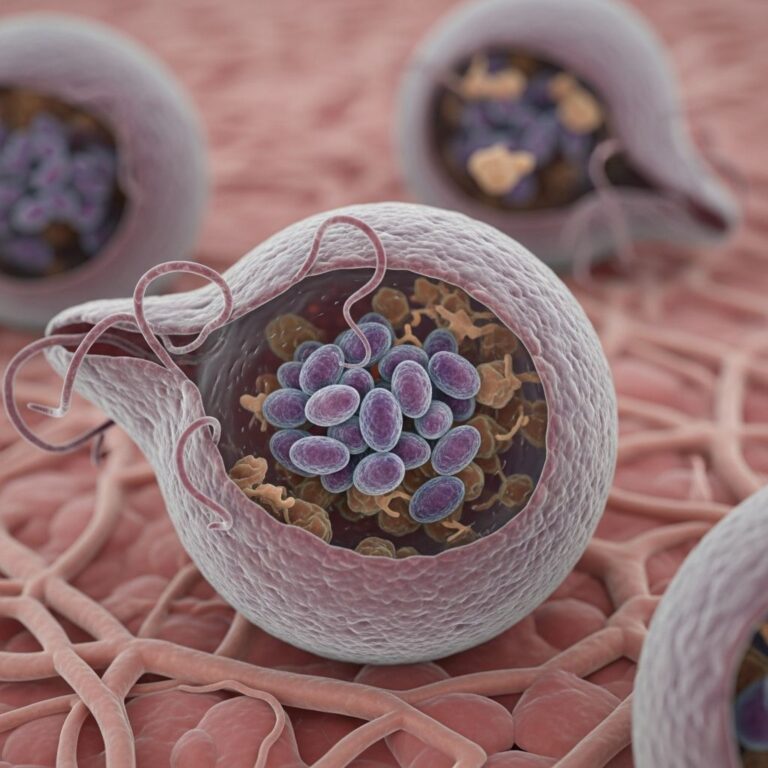
Immune Dysregulation in Atopic Dermatitis
Exploring how immune system imbalances drive atopic dermatitis, from barrier defects to infection risks, and emerging therapies.
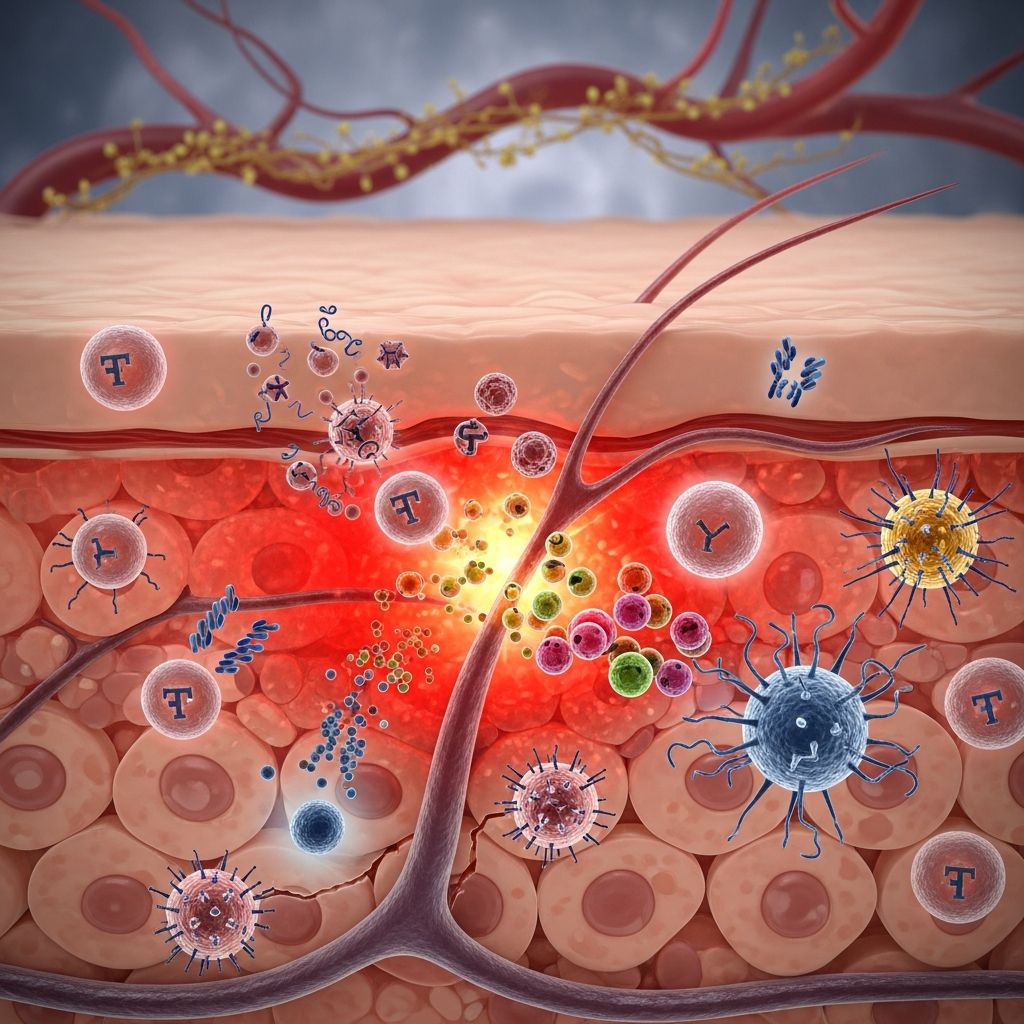
Atopic dermatitis (AD), commonly known as eczema, arises from a complex interplay between a defective skin barrier and aberrant immune responses. Recent research underscores that immune dysregulation, particularly an overactive Th2 pathway and impaired innate defenses, is central to its pathogenesis.
The Skin Barrier’s Role in Triggering Immune Chaos
The epidermis serves as the body’s frontline defense, but in AD, mutations in genes like filaggrin (FLG) compromise this barrier, allowing allergens and microbes to penetrate more easily. This breach prompts keratinocytes to release thymic stromal lymphopoietin (TSLP), which acts as a master regulator of allergic inflammation by promoting Th2 cell differentiation and activating mast cells, basophils, and eosinophils.
Th2 cytokines such as IL-4 and IL-13 exacerbate the problem by downregulating genes in the epidermal differentiation complex (EDC), including those for S100/A11 and human beta-defensin 3 (HBD-3). These changes weaken both barrier integrity and antimicrobial defenses, creating a vicious cycle of inflammation and vulnerability.
- Filaggrin deficiency: Leads to dry, cracked skin prone to allergen entry.
- TSLP overexpression: Shifts immune balance toward Th2 dominance, worsening itch and flares.
- Cytokine interference: IL-4/IL-13 suppress filaggrin processing and antimicrobial peptide production.
Th2 Polarization: The Hallmark of Adaptive Immunity Gone Awry
In AD lesions, especially acute ones, T helper 2 (Th2) cells dominate, producing elevated levels of IL-4, IL-13, and IL-31. These cytokines drive B-cell production of IgE, heighten allergic sensitization, and perpetuate pruritus via IL-31’s action on sensory nerves.
Systemic markers like high serum IgE and increased cutaneous lymphocyte-associated antigen (CLA)-positive T cells reflect this skew. Patients with severe AD often show Th2 biomarkers correlating with asthma, allergies, and infection risks, indicating a broader atopic march.
| Cytokine | Key Effects in AD | Consequences |
|---|---|---|
| IL-4 | Promotes IgE/IgG1, CCL18 secretion | Allergic sensitization, Th2 amplification |
| IL-13 | Inhibits filaggrin, HBD-3 | Barrier breakdown, infection susceptibility |
| IL-31 | Stimulates itch neurons | Chronic scratching, lichenification |
| IL-22 (Th22) | Alters epidermal differentiation | Thickened skin in chronic lesions |
Targeting these pathways with biologics like dupilumab, which blocks IL-4/IL-13 signaling, reverses barrier defects and immune abnormalities within weeks, confirming their pivotal role.
Innate Immunity Deficits: A Gateway for Pathogens
The innate immune system in AD fails at multiple levels. Antimicrobial peptides (AMPs) such as HBD-2, HBD-3, and cathelicidin LL-37 are markedly reduced in lesional skin, impairing defense against bacteria like Staphylococcus aureus and viruses causing eczema herpeticum.
Pattern recognition receptors (PRRs) like Toll-like receptor 2 (TLR-2) and NOD1 exhibit polymorphisms (e.g., TLR-2 R753Q) that blunt microbial detection. This leads to higher IgE levels, elevated SCORAD scores, and increased colonization.
- AMP reduction: Th2 cytokines suppress HBD-3 expression, reducing S. aureus killing.
- TLR defects: Polymorphisms hinder innate responses, promoting flares.
- Neutrophil recruitment issues: Delayed inflammation allows persistent infections.
During flares, skin microbiome diversity drops, with S. aureus dominance fueling superantigen production that expands Th2 cells and IgE, further dysregulating immunity.
Microbial Influences and Infection Proneness
AD patients face heightened risks of bacterial (staphylococcal pyoderma), viral (eczema herpeticum), and fungal infections due to intertwined barrier and immune flaws. Elevated IgE to microbial superantigens correlates with severity, while innate defects like low LL-37 link to herpes simplex virus susceptibility.
Related Stories



IL-4/IL-13 inhibit keratinocyte mobilization of HBD-3, and neutralizing them restores antimicrobial activity. Topical agents like calcineurin inhibitors or antibiotics (e.g., gentamicin) can partially mend barrier function, highlighting immune-microbe crosstalk.
Genetic TSLP variants associate with AD and eczema herpeticum, underscoring how epithelial signals amplify infection risks.
Chronic Phase Shifts and Wound Healing Delays
Acute AD features Th2 dominance, but chronic lesions show Th1/Th17/Th22 involvement with IFN-γ, IL-17, and IL-22. These promote sustained inflammation, acanthosis, and impaired wound healing.
Sustained wound responses prevent resolution, leading to lichenified plaques. Reduced CD14 expression further biases toward Th2, compounding issues.
Emerging Therapies Targeting Immune Pathways
Understanding these mechanisms has spurred targeted treatments. Dupilumab normalizes gene expression in barrier and immune pathways, improving symptoms rapidly. Janus kinase (JAK) inhibitors address multiple cytokines, while AMP-mimetics and microbiome modulators are in trials.
Future strategies may combine barrier repair (e.g., ceramides) with immune modulation to break the cycle.
Frequently Asked Questions (FAQs)
What causes immune overreaction in atopic dermatitis?
A defective skin barrier allows allergen entry, triggering TSLP and Th2 cytokines that amplify inflammation and IgE production.
Why are AD patients prone to skin infections?
Low antimicrobial peptides, TLR defects, and Th2 suppression of innate defenses enable microbial overgrowth.
Can immune therapies cure eczema?
No cure exists, but biologics like dupilumab significantly alleviate symptoms by targeting key cytokines.
How does the microbiome affect AD?
S. aureus dominance during flares worsens inflammation via superantigens and disrupts diversity.
Are there genetic links to immune issues in AD?
Yes, FLG mutations, TSLP variants, and PRR polymorphisms heighten risks.
References
- Atopic Dermatitis: A Disease of Altered Skin Barrier and Immune Dysregulation — Nomura I et al. PMC. 2011-06-01. https://pmc.ncbi.nlm.nih.gov/articles/PMC3122139/
- Atopic Dermatitis and the Stratum Corneum, Part 3 — Ungar B et al. Journal of Clinical and Aesthetic Dermatology. 2013. https://jcadonline.com/atopic-dermatitis-and-the-stratum-corneum-3/
- Atopic Dermatitis Found To Be an Immune-Driven Disease — Mount Sinai. 2014-10-20. https://www.mountsinai.org/about/newsroom/2014/atopic-dermatitis-found-to-be-an-immunedriven-disease
- Causes of atopic dermatitis — DermNet NZ. 2023. https://dermnetnz.org/topics/causes-of-atopic-dermatitis
- New Insights into Atopic Dermatitis: Role of Skin Barrier and Immune Dysregulation — Thijs JL et al. PMC. 2021-11-18. https://pmc.ncbi.nlm.nih.gov/articles/PMC8609663/
Similar Articles








Read full bio of Sneha Tete