Immune Reconstitution Inflammatory Syndrome
Understanding IRIS: Paradoxical inflammation after immune recovery in HIV and immunosuppression.
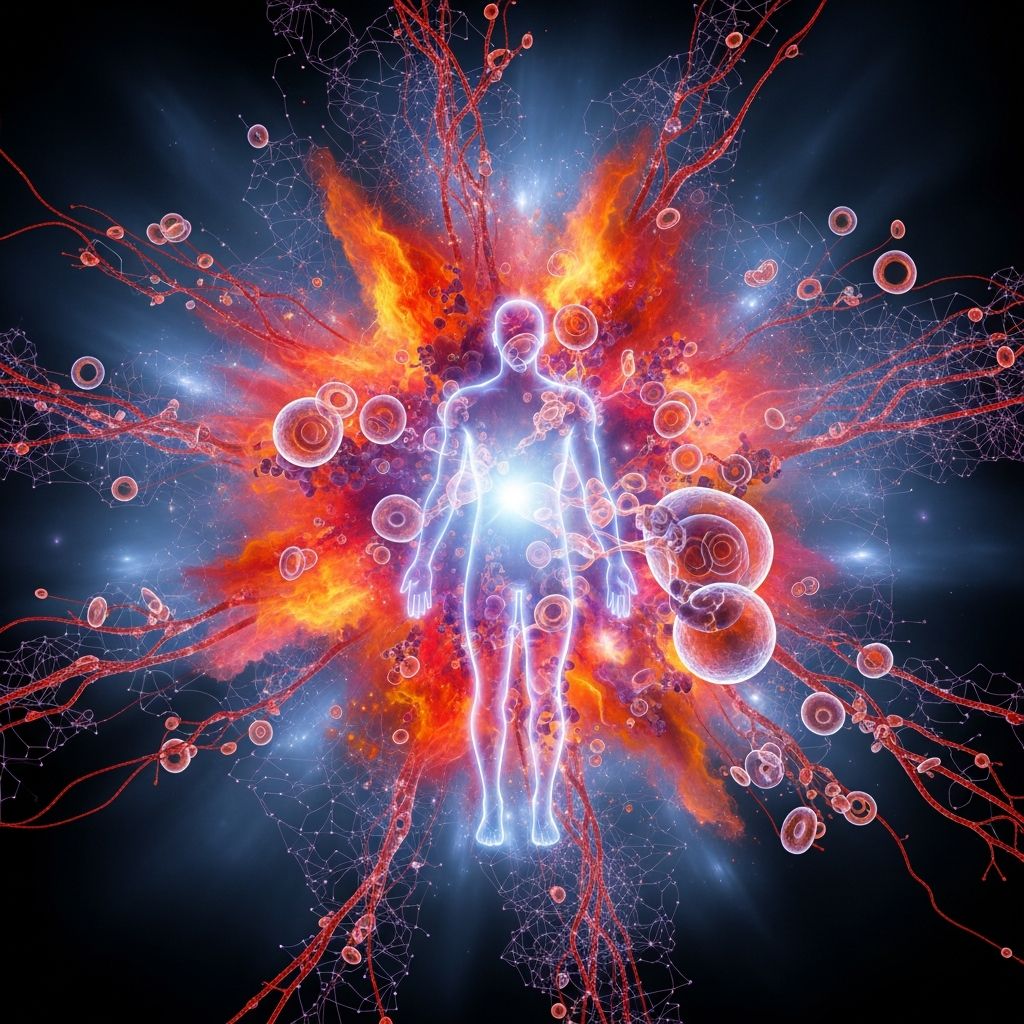
Immune reconstitution inflammatory syndrome (IRIS) represents an immune-mediated inflammatory response targeting antigens from microorganisms or drugs, occurring after recovery from immunosuppression.IRIS most frequently manifests as a paradoxical worsening of pre-existing infections following antiretroviral therapy (ART) initiation in advanced HIV cases.
What is immune reconstitution inflammatory syndrome?
Immune reconstitution inflammatory syndrome (IRIS), also known as immune recovery disease, arises when a recovering immune system mounts an exaggerated response against persistent pathogens or antigens. This leads to clinical deterioration despite effective microbial treatment or declining pathogen load. In HIV patients, it typically emerges within the first 6 months of ART, triggered by rapid CD4+ T-cell recovery and viral load suppression.
The syndrome was first observed in the 1980s among tuberculosis and leprosy patients, where treatment paradoxically worsened symptoms like fever, lesions, and respiratory distress due to shifting from anti-inflammatory to pro-inflammatory states. Today, it is predominantly linked to HIV but occurs in other immunosuppressed states, including post-transplant, postpartum, or TNF-alpha inhibitor use.
Who gets immune reconstitution inflammatory syndrome (demographics)?
IRIS primarily affects individuals with profound immunosuppression restoring immunity rapidly. Key demographics include:
- Advanced HIV/AIDS patients starting ART with CD4 counts <100 cells/µL.
- Solid organ transplant recipients tapering immunosuppressants.
- Postpartum women (3-6 weeks after delivery) due to immune rebound.
- Patients recovering from neutropenia or on biologics like TNF inhibitors.
Incidence in HIV patients on ART reaches up to one-third, higher with low baseline CD4 and high viral loads. Non-HIV cases are rarer but reported in cryptococcosis, TB, and viral reactivations.
What causes immune reconstitution inflammatory syndrome?
IRIS stems from dysregulated immunity post-immunosuppression reversal. In HIV, ART boosts CD4 counts, particularly memory T-cells, while reducing viral loads. This unmasks latent infections or provokes inflammation against residual antigens.
Two forms exist:
- Unmasking IRIS: Reveals previously subclinical infections as immunity strengthens.
- Paradoxical IRIS: Worsens treated infections despite sterile cultures, due to inflammation against dead organisms or debris.
Mechanisms involve:
- Excess pathogen-specific CD4+ T-cell responses.
- Reduced regulatory T-cell suppression.
- Imbalance in pro- vs. anti-inflammatory cytokines (e.g., IFN-γ surge).
- Innate-adaptive immunity uncoupling.
Risk factors for immune reconstitution inflammatory syndrome
Several factors heighten IRIS risk:
| Risk Factor | Description |
|---|---|
| Low baseline CD4 count | <100 cells/µL (or >200 in TB). |
| High HIV viral load | Rapid ART-induced decline. |
| Opportunistic infection at ART start | Mycobacteria, fungi, viruses. |
| Rapid immune reconstitution | CD4 rise >100 cells/µL in 3 months. |
| Non-HIV contexts | Post-transplant, postpartum. |
Screening latent infections (e.g., TB, cryptococcosis) before ART mitigates risks.
Clinical features of immune reconstitution inflammatory syndrome
Symptoms mirror the underlying pathogen and site, often 1-3 months post-immune recovery:
- Mycobacterial (most common): TB-IRIS (fever, lymphadenopathy, respiratory failure); MAC-IRIS (abdominal pain, anemia).
- Fungal: Cryptococcal meningitis (headache, CSF inflammation despite sterile cultures).
- Viral: CMV retinitis, VZV/HSV reactivation, PML worsening.
- Other: Pneumocystis pneumonia exacerbation, hepatitis B/C flares.
- Non-infectious: Autoimmune flares (sarcoidosis, Graves).
Skin manifestations include worsening lesions in leprosy, warts, folliculitis. Severe cases risk organ failure or death, e.g., cryptococcal IRIS causing brain injury.
How is immune reconstitution inflammatory syndrome diagnosed?
Diagnosis is clinical, excluding alternatives:
Related Stories



- Criteria: Temporal ART start (weeks-months); CD4 rise/HIV decline; worsening despite pathogen treatment; no new infection.
- Investigations: Imaging (e.g., enlarging lesions), sterile cultures, CSF analysis (elevated cells/protein).
Differential includes drug reactions, new infections, or ART non-adherence.
Differential diagnosis of immune reconstitution inflammatory syndrome
| Condition | Key Distinguisher |
|---|---|
| New opportunistic infection | Positive cultures, no immune recovery. |
| Drug toxicity | Resolution on discontinuation. |
| Neoplasm progression | Biopsy confirmation. |
| Non-IRIS progression | No CD4 improvement. |
Treatment of immune reconstitution inflammatory syndrome
Management continues ART unless life-threatening:
- Mild: NSAIDs, continue ART/opportunistic therapy.
- Severe: Corticosteroids (e.g., prednisone 1-2 mg/kg).
- Refractory: Thalidomide (TB-IRIS), surgery for abscesses.
- Prevention: Delay ART 2 weeks post-OI treatment (except CNS).
Outcome and complications of immune reconstitution inflammatory syndrome
Most resolve with supportive care; mortality <10% in HIV, higher in CNS cases. Long-term: organ damage possible, but ART continuation critical. Multidisciplinary care improves outcomes.
Frequently Asked Questions (FAQs)
Q: What triggers IRIS in HIV patients?
A: Rapid immune recovery on ART unmasks or exacerbates latent infections like TB or cryptococcosis.
Q: How common is IRIS?
A: Up to 30% in advanced HIV starting ART; rarer non-HIV.
Q: Can IRIS be fatal?
A: Yes, especially cryptococcal meningitis IRIS causing brain inflammation.
Q: Should ART be stopped for IRIS?
A: No, unless severe; continue with anti-inflammatories.
Q: Who is at highest risk?
A: CD4 <50, high viral load, untreated OI at ART initiation.
References
- Immune reconstitution inflammatory syndrome — DermNet NZ. 2023. https://dermnetnz.org/topics/immune-reconstitution-inflammatory-syndrome
- Immune Reconstitution Inflammatory Syndrome — StatPearls, NCBI. 2024-01-15. https://www.statpearls.com/point-of-care/127740
- Immune reconstitution inflammatory syndrome — Wikipedia (sourced from NIH/CDC). 2025. https://en.wikipedia.org/wiki/Immune_reconstitution_inflammatory_syndrome
- Immune Reconstitution Syndrome (IRIS) — International Association of Providers of AIDS Care. 2023. https://www.iapac.org/fact-sheet/immune-reconstitution-syndrome/
- Immune reconstitution inflammatory syndrome (IRIS) — aidsmap. 2024. https://www.aidsmap.com/about-hiv/immune-reconstitution-inflammatory-syndrome-iris
Similar Articles








Read full bio of medha deb