Flu Vaccine: 8 Groups Who Should Get The Shot
Essential guide to flu vaccination: who qualifies, benefits, side effects, and how it protects against serious influenza illness.
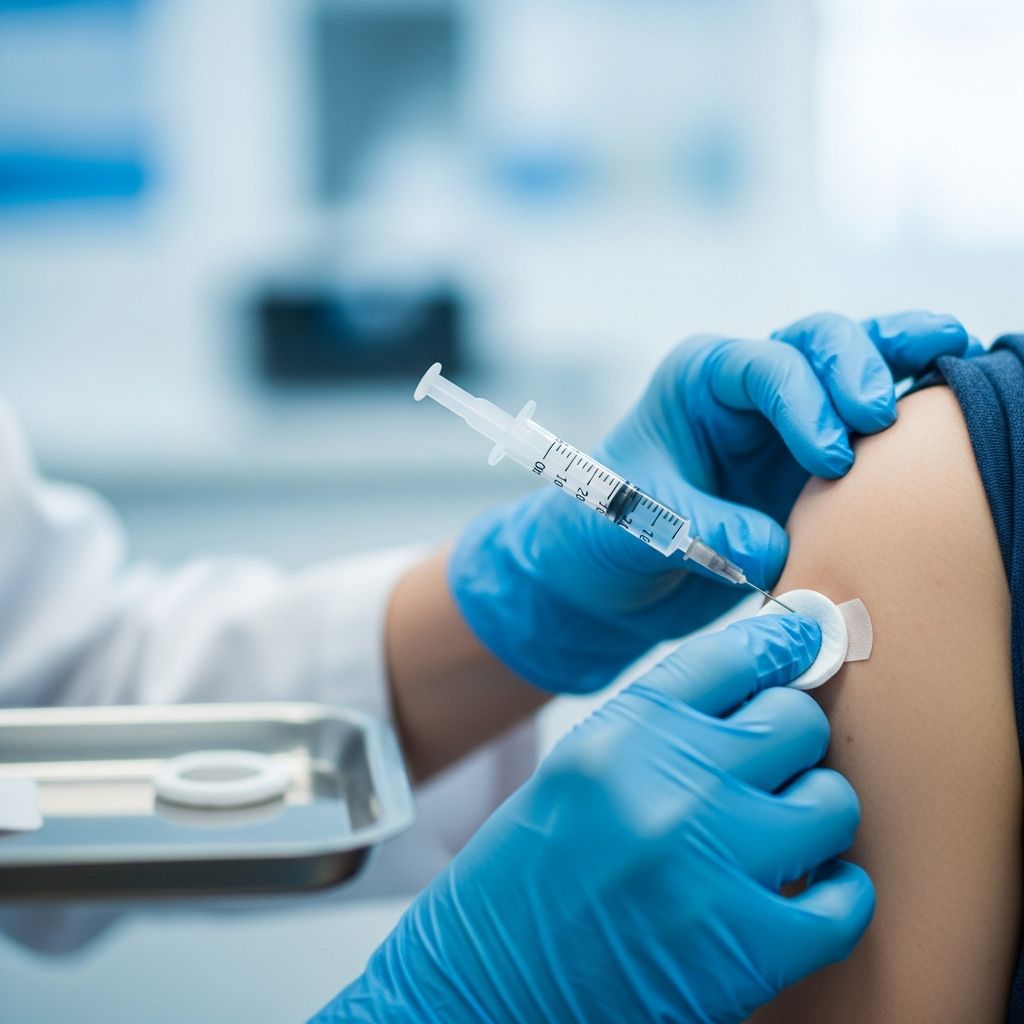
Getting the flu vaccine, commonly known as the flu jab or flu shot, is a safe and effective way to protect against becoming seriously ill with influenza (flu). The flu jab significantly reduces the risk of catching flu and lowers the chances of severe complications, hospitalization, or death from the virus. Protection lasts approximately 6 months, necessitating annual vaccination as flu strains evolve yearly.
What is the flu jab?
The flu jab introduces inactivated or weakened forms of influenza viruses into the body, prompting the immune system to produce protective antibodies without causing illness. Available vaccines include inactivated injectable versions for adults and children, live attenuated nasal sprays (e.g., Fluenz® Tetra) for children aged 2-18 years, and egg-free options like recombinant quadrivalent vaccines for those with allergies. In the northern hemisphere, vaccines are typically offered from September to combat winter outbreaks. Effectiveness varies by year and strain match; for instance, it protects 7-8 out of 10 people when well-matched, but lower (e.g., 50-60%) in mismatch seasons like 2015/2016 for elderly.
Overall, influenza vaccines demonstrate strong effectiveness against morbidity and mortality across age groups, particularly young children and older adults, with vaccine effectiveness (VE) studies showing 41-63% protection against hospitalization and critical illness. A meta-analysis confirmed higher VE (61.79%) in fully vaccinated children versus partial (33.91%).
Who should have the flu jab?
The Department of Health recommends annual flu vaccination for at-risk groups to prevent serious complications. Eligible individuals receive it free via national programs. Key groups include:
- Adults aged 65 and over: Highest risk of hospitalization and death.
- Children aged 2-18 years: Offered nasal spray vaccine; reduces transmission and severe illness.
- Pregnant women: Recommended regardless of health status to protect mother and baby.
- People with chronic conditions: Such as asthma, diabetes, heart/kidney/liver disease, neurological disorders.
- Immunocompromised individuals: Including HIV (any CD4 count); inactivated vaccine preferred, vaccinate household contacts.
- Morbidly obese (BMI ≥40): Increased complication risk.
- Caregivers/residents of care homes: To protect vulnerable populations.
- Health/social care workers: Prevent spread to patients.
Others may purchase privately. Flu jab can coincide with pneumonia, shingles, or COVID-19 vaccines.
How well does the flu jab work?
Vaccine effectiveness hinges on matching circulating strains, prior immunity, and age. In optimal years, it prevents flu in 70-80% of recipients; mismatched seasons yield 50-60% efficacy, still reducing severe outcomes. Studies show 41% reduction in hospitalization risk for adults (median age 63) and 63% against critical illness in children. Full vaccination in children boosts protection to 61.79% versus 33.91% partial. High-risk groups benefit most, averting life-threatening illness and transmission. Annual updates target predicted strains via WHO surveillance.
| Group | Typical VE (%) | Key Benefit |
|---|---|---|
| Children (fully vaccinated) | 61.79 (95% CI: 54-69) | Reduces hospitalization, ventilation need |
| Adults ≥65 | 40-60 | Lowers mortality, complications |
| Adults (hospitalization) | 41 (95% CI: 27-52) | Prevents severe flu illness |
Types of flu vaccine
Several formulations exist:
- Inactivated influenza vaccine (IIV): Injectable; for all ages, intramuscular in upper arm/thigh.
- Live attenuated influenza vaccine (LAIV, Fluenz®): Nasal spray for children 2-18; not for immunocompromised.
- Recombinant quadrivalent (QIVr) or cell-grown (QIVc): Egg-free for egg-allergic individuals.
Children new to vaccination may need two doses 4 weeks apart. Premature infants vaccinate at chronological age.
Who cannot have the live vaccine?
LAIV is contraindicated in:
- Immunocompromised children/adults or their close contacts.
- Severe asthma or wheezing in past 12 months (children).
- Pregnancy.
- History of Guillain-Barré syndrome post-flu vaccine.
These groups receive inactivated vaccines instead.
How is the vaccine given?
Related Stories



Administered in primary care, pharmacies, schools, or workplaces with anaphylaxis facilities. Adults/children ≥5 years: intramuscular upper arm; infants: anterolateral thigh. Nasal spray: one spray per nostril for children. Safe with most vaccines, including COVID-19. Delay if acutely ill (fever/systemic); minor illnesses ok.
Side-effects
Most experience no/minor effects. Common (1-10%):
- Pain/redness at injection site.
- Low fever, aches (1-2 days).
- Nasal symptoms (spray): runny nose, congestion.
Rare: allergic reactions (anaphylaxis <1/million). No aspirin for children post-vaccine (Reye’s risk). Not associated with Guillain-Barré (risk lower than flu itself).
Precautions
- Egg allergy: Use low-ovalbumin (<0.12μg/ml) or egg-free vaccines; severe cases get QIVc/QIVr.
- Pregnancy/breastfeeding: Safe and recommended.
- Bleeding disorders: Subcutaneous injection ok.
- HIV/immunosuppression: Inactivated vaccine; vaccinate contacts.
Inform provider of allergies/medicines.
Where can you get it?
Free for eligible via GP, pharmacies, schools (children). Private options year-round. Book early (September-October ideal).
Frequently Asked Questions (FAQs)
Q: Does the flu jab make you immune to flu?
A: No, it reduces risk by 70-80% typically, not 100% immunity; still lower severe illness odds.
Q: Can I get it if pregnant?
A: Yes, recommended for all trimesters to protect mother/baby.
Q: Is it safe with COVID-19 vaccine?
A: Yes, can be given same day.
Q: What if I’m egg allergic?
A: Egg-free options available; consult provider.
Q: Do children need two doses?
A: First-time: yes, 4 weeks apart; subsequent: one.
Q: Can immunocompromised get vaccinated?
A: Yes, inactivated type; contacts too.
References
- Influenza Vaccination | Doctor — Patient.info. 2023. https://patient.info/doctor/drug-therapy/influenza-vaccination
- Influenza Viruses and Vaccines: The Role of Vaccine Effectiveness — PMC (NCBI). 2022-05-11. https://pmc.ncbi.nlm.nih.gov/articles/PMC9143275/
- Influenza vaccine — Patient.info. 2023. https://patient.info/medicine/influenza-vaccine
- Flu (Influenza): Causes, Symptoms, and Treatment — Patient.info. 2023. https://patient.info/infections/influenza-and-flu-like-illness
- Flu Jab: Who Should Have It, Benefits, and Side-Effects — Patient.info. 2023. https://patient.info/infections/influenza-and-flu-like-illness/immunisation-for-flu
- Influenza (Flu) Vaccine (Inactivated or Recombinant) — CDC. 2024. https://www.cdc.gov/vaccines/hcp/current-vis/downloads/flu.pdf
Similar Articles








Read full bio of Sneha Tete