IgA Nephropathy: Understanding Immunoglobulin A Kidney Disease
Comprehensive guide to IgA nephropathy, its causes, symptoms, diagnosis, and treatment options.
Immunoglobulin A Nephropathy: A Comprehensive Overview
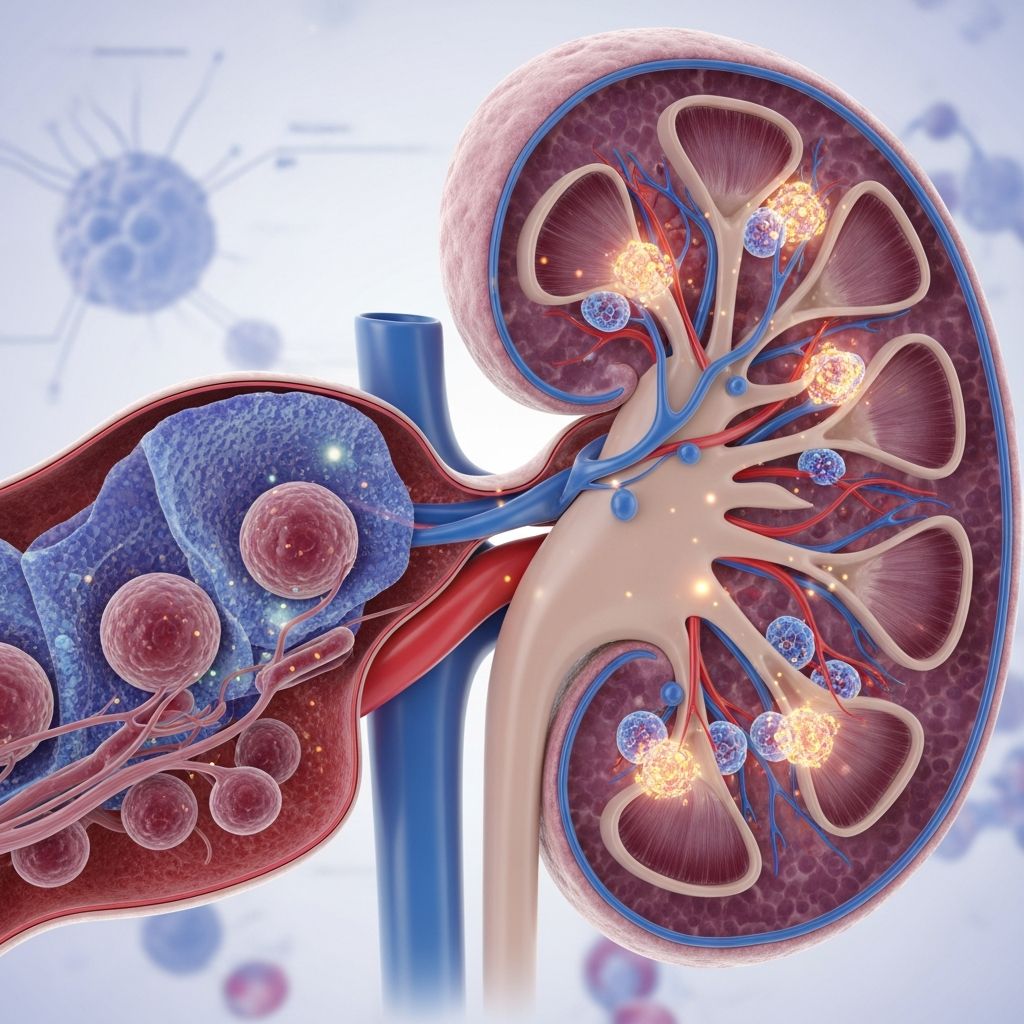
Immunoglobulin A (IgA) nephropathy, commonly known as Berger’s disease, represents one of the most prevalent forms of glomerulonephritis worldwide. This kidney condition develops when immunoglobulin A, an antibody protein produced by the immune system to combat infections, abnormally accumulates within the glomeruli of the kidneys. The glomeruli are specialized structures within the kidneys responsible for filtering waste products and excess water from the blood. When IgA deposits build up in these filtering units, they trigger inflammation and progressively impair the kidney’s ability to perform its critical filtration function.
What Are the Kidneys and How Do They Work?
The kidneys are bean-shaped organs located on either side of the spine, positioned at the back of the abdomen. Each kidney contains approximately one million functional units called nephrons, which form the foundation of kidney filtration. Within each nephron, the glomerulus serves as the filtering component, where specialized cells work to separate waste products and excess fluids from the blood. The filtered waste becomes urine and travels through the urinary tract for elimination, while cleaned blood returns to circulation throughout the body. This intricate filtration system maintains proper fluid and electrolyte balance, regulates blood pressure, and removes metabolic byproducts essential for survival.
Understanding IgA and Immune System Function
Immunoglobulin A is a crucial antibody produced by the immune system to defend against pathogens, including bacteria and viruses that threaten human health. Under normal circumstances, IgA functions appropriately within the immune system, targeting and neutralizing harmful invaders. However, in individuals with IgA nephropathy, the immune system produces an abnormal form of this antibody that is deficient in galactose, a sugar component essential for proper protein function. This galactose-deficient IgA cannot be processed normally by the body and instead forms immune complexes that deposit within the kidney’s glomeruli. Once lodged in the kidneys, these abnormal complexes trigger inflammatory responses that damage the delicate filtering structures, leading to progressive kidney injury.
Pathophysiology: How IgA Nephropathy Damages the Kidneys
The mechanism of kidney damage in IgA nephropathy occurs through a gradual accumulation process. When IgA deposits form in the glomeruli, they initiate an inflammatory cascade that damages the delicate filtration membranes. As kidney tissue becomes inflamed, it undergoes progressive scarring—a process called fibrosis. This scarring is irreversible and gradually blocks the renal capillaries, depriving surrounding tissues of essential blood supply and nutrients. Individual nephrons progressively lose their filtering capacity as more of their structure becomes scarred and non-functional.
As more glomeruli become damaged, the kidney’s overall glomerular filtration rate (GFR)—a measure of how efficiently the kidneys filter blood—begins to decline. Initially, the body attempts to compensate by increasing pressure throughout the remaining functional nephrons. However, once this compensatory mechanism reaches its limit, kidney function deteriorates more rapidly. With declining GFR, the kidneys lose their ability to cleanse the blood of toxins and metabolic byproducts, ultimately leading to kidney failure and uremic poisoning if left untreated.
Clinical Presentation and Symptoms
IgA nephropathy presents with varying degrees of severity among affected individuals. Some patients experience only asymptomatic hematuria (blood in urine) or proteinuria (protein in urine), which may be discovered incidentally during routine medical examinations. Others develop more noticeable symptoms as the disease progresses. Common clinical manifestations include:
- Visible or microscopic blood in the urine (hematuria)
- Presence of protein in the urine (proteinuria)
- Elevated blood pressure (hypertension)
- Swelling in the lower extremities (edema)
- Fatigue and general malaise
- Reduced urination or changes in urinary patterns
- Persistent back or flank pain
In severe cases, patients may develop acute episodes of kidney dysfunction characterized by tea-colored or cola-colored urine following upper respiratory infections. This presentation, while alarming, reflects the inflammatory nature of the disease and the significant glomerular damage occurring during acute exacerbations.
Related Stories



Disease Progression and Timeline
The progression of IgA nephropathy follows highly variable patterns among patients. For most individuals, kidney damage develops gradually over many years or even decades. However, a small minority of patients, predominantly adults, experience a rapidly progressive form of the disease that can result in kidney failure within just a few years or even months. Understanding these different progression patterns is essential for appropriate management and patient counseling.
Research indicates that approximately 40 percent of individuals with IgA nephropathy will develop end-stage renal disease within 20 years of diagnosis. The rate of progression depends on multiple factors, including the initial severity of kidney damage, the degree of proteinuria, individual kidney biopsy findings, and response to therapeutic interventions. Some patients experience complete remission of their symptoms, while others maintain stable kidney function throughout their lives with appropriate medical management.
Diagnosis of IgA Nephropathy
Diagnosing IgA nephropathy requires a combination of clinical evaluation, laboratory testing, and kidney biopsy examination. Initial assessment typically begins with urinalysis, which may reveal the presence of blood and protein in the urine. Serum creatinine and blood urea nitrogen measurements help assess baseline kidney function and calculate the GFR. Additionally, serum IgA levels may be elevated in some patients, providing a biochemical clue to the diagnosis.
However, definitive diagnosis requires a kidney biopsy, where a small tissue sample is obtained through a needle procedure and examined under a light microscope and immunofluorescence microscope. The pathologic hallmark of IgA nephropathy is the predominant deposition of immunoglobulin A within the glomeruli, visible as bright fluorescent deposits on immunofluorescence staining. The kidney biopsy also provides crucial prognostic information regarding the degree of glomerular damage, tubular atrophy, and interstitial fibrosis present at the time of diagnosis.
Treatment Approaches and Management Strategies
Currently, no cure exists for IgA nephropathy. Therefore, treatment strategies focus on slowing disease progression, reducing proteinuria, managing complications, and preserving remaining kidney function. Management typically involves a multimodal approach tailored to individual patient characteristics and disease severity.
Blood Pressure Management
Controlling blood pressure represents one of the cornerstones of IgA nephropathy management. Angiotensin-converting enzyme inhibitors (ACE inhibitors) and angiotensin II receptor blockers (ARBs) provide dual benefits by reducing blood pressure and decreasing proteinuria. These medications also offer renal protective effects through hemodynamic mechanisms. For patients with inadequate blood pressure control on monotherapy, combination therapy with additional antihypertensive agents may be necessary.
Immunosuppressive Therapy
Immunosuppressive medications help control the aberrant immune response driving kidney inflammation. Corticosteroids, such as prednisone or prednisolone, have long been used to reduce inflammation in IgA nephropathy. More recent approaches incorporate steroid-sparing agents, including mycophenolate mofetil and azathioprine, which reduce the cumulative corticosteroid exposure and associated side effects.
Adjunctive Therapies
Fish oil supplements containing omega-3 fatty acids and vitamin E supplementation have demonstrated modest benefits in some patients. These agents may provide antioxidant and anti-inflammatory effects. Recent clinical trials have explored targeted therapies that address specific molecular pathways in the alternative complement cascade, offering new possibilities for improved disease control.
Long-Term Outcomes and Prognosis
The prognosis for individuals with IgA nephropathy varies significantly depending on multiple clinical factors. Patients with preserved kidney function at diagnosis, minimal proteinuria, and favorable kidney biopsy findings generally experience better outcomes. With appropriate medical management and close monitoring, many individuals with IgA nephropathy can maintain stable kidney function and lead relatively normal lives. However, for those who progress to end-stage renal disease, renal replacement therapy becomes necessary.
End-Stage Renal Disease and Kidney Replacement Therapy
When IgA nephropathy progresses to end-stage renal disease, patients require either dialysis or kidney transplantation to sustain life. Dialysis artificially removes waste products and excess fluid from the blood through either hemodialysis or peritoneal dialysis. Kidney transplantation offers patients the opportunity for improved quality of life and better long-term survival compared to dialysis alone.
Interestingly, IgA can recur in transplanted kidneys, appearing in pathologic deposits in up to 80 percent of transplant recipients. However, clinical recurrence of the disease in transplanted kidneys occurs less frequently, affecting approximately 20 percent of transplant recipients. Most importantly, recurrent IgA nephropathy typically does not contribute to early, unexpected loss of the transplanted kidney, with graft survival generally following the expected lifespan of the donor kidney.
Role of Early Detection and Intervention
Early detection and prompt intervention play pivotal roles in managing IgA nephropathy and preventing progression to end-stage renal disease. Patients who receive appropriate treatment shortly after diagnosis experience better outcomes than those with delayed intervention. Regular monitoring through urinalysis, serum creatinine measurements, and GFR calculations allows clinicians to detect disease progression early and adjust therapeutic strategies accordingly. Patient education regarding medication adherence, dietary modifications, blood pressure control, and lifestyle measures enhances treatment effectiveness.
Lifestyle Modifications and Patient Self-Management
Beyond pharmacologic interventions, lifestyle modifications significantly impact disease progression. Dietary sodium restriction helps control blood pressure and reduce proteinuria. Adequate protein intake must be balanced against the need to reduce protein excretion in urine. Regular physical activity, stress management, and smoking cessation all contribute to improved kidney health outcomes. Patients should work closely with nephrologists and renal dietitians to develop personalized management plans addressing their specific clinical circumstances.
Frequently Asked Questions
Q: What causes IgA nephropathy?
A: IgA nephropathy develops when the immune system produces an abnormal form of immunoglobulin A that is deficient in galactose. This galactose-deficient IgA forms immune complexes that deposit in the kidneys’ glomeruli, triggering inflammation and kidney damage. The exact reason why some individuals develop this abnormal immune response remains unclear, though genetic and environmental factors likely contribute.
Q: Is IgA nephropathy hereditary?
A: While most cases of IgA nephropathy occur sporadically, familial clustering has been documented in some populations, suggesting a genetic component. Family members of affected individuals may have a slightly increased risk, though most do not develop the disease. Genetic predisposition likely requires environmental triggers for disease manifestation.
Q: How quickly does IgA nephropathy progress?
A: Progression varies widely among individuals. Most patients experience gradual kidney function decline over 10 to 20 years or longer. However, a small percentage of patients, particularly adults, experience rapid progression to kidney failure within a few years or months. Kidney biopsy findings, proteinuria levels, and initial kidney function help predict individual progression rates.
Q: Can IgA nephropathy be cured?
A: Currently, no cure exists for IgA nephropathy. However, treatments can slow disease progression, manage symptoms, and preserve remaining kidney function. Some patients experience disease remission, while others maintain stable kidney function with appropriate medical management for many years.
Q: What should I do if diagnosed with IgA nephropathy?
A: Following diagnosis, establish care with a nephrologist experienced in managing glomerular diseases. Maintain regular follow-up appointments for monitoring kidney function and adjusting treatment as needed. Adhere to prescribed medications, implement lifestyle modifications, and maintain regular blood pressure control. Educate yourself about the disease and actively participate in management decisions.
Q: Will I definitely need dialysis or a transplant?
A: Not all patients with IgA nephropathy progress to end-stage renal disease requiring dialysis or transplantation. Many individuals maintain stable kidney function throughout their lives with appropriate treatment. However, approximately 40 percent develop end-stage disease within 20 years, emphasizing the importance of early detection and aggressive management.
References
- What is IgA Nephropathy? – Immunoglobulin A [Berger’s Disease] — IgAN Support Network. Accessed 2025-12-01. https://igan.org/faq/
- Advances in Understanding of Pathogenesis and Treatment of Immune-Mediated Kidney Disease — Johns Hopkins University. 2024. https://pure.johnshopkins.edu/en/publications/advances-in-understanding-of-pathogenesis-and-treatment-of-immune/
- Johns Hopkins Glomerular Diseases Clinic — GlomCon Foundation. 2025. https://www.glomcon.org/gn-clinic-list/john-hopkins-gn-disease-clinic
- How Rare Kidney Disease Progresses — HealthCentral. 2024. https://www.healthcentral.com/condition/kidney-diseases/what-to-expect-from-rare-kidney-disease-progression
- Causes and Symptoms of IgA Nephropathy, a Kidney Disease — WebMD. 2024. https://www.webmd.com/a-to-z-guides/video/iga-nephropathy-causes-symptoms
Similar Articles








Read full bio of Sneha Tete