Impetigo: Causes, Symptoms, Diagnosis & Treatment
Complete guide to impetigo: Understanding bacterial skin infection causes, clinical presentation, and evidence-based treatment approaches.
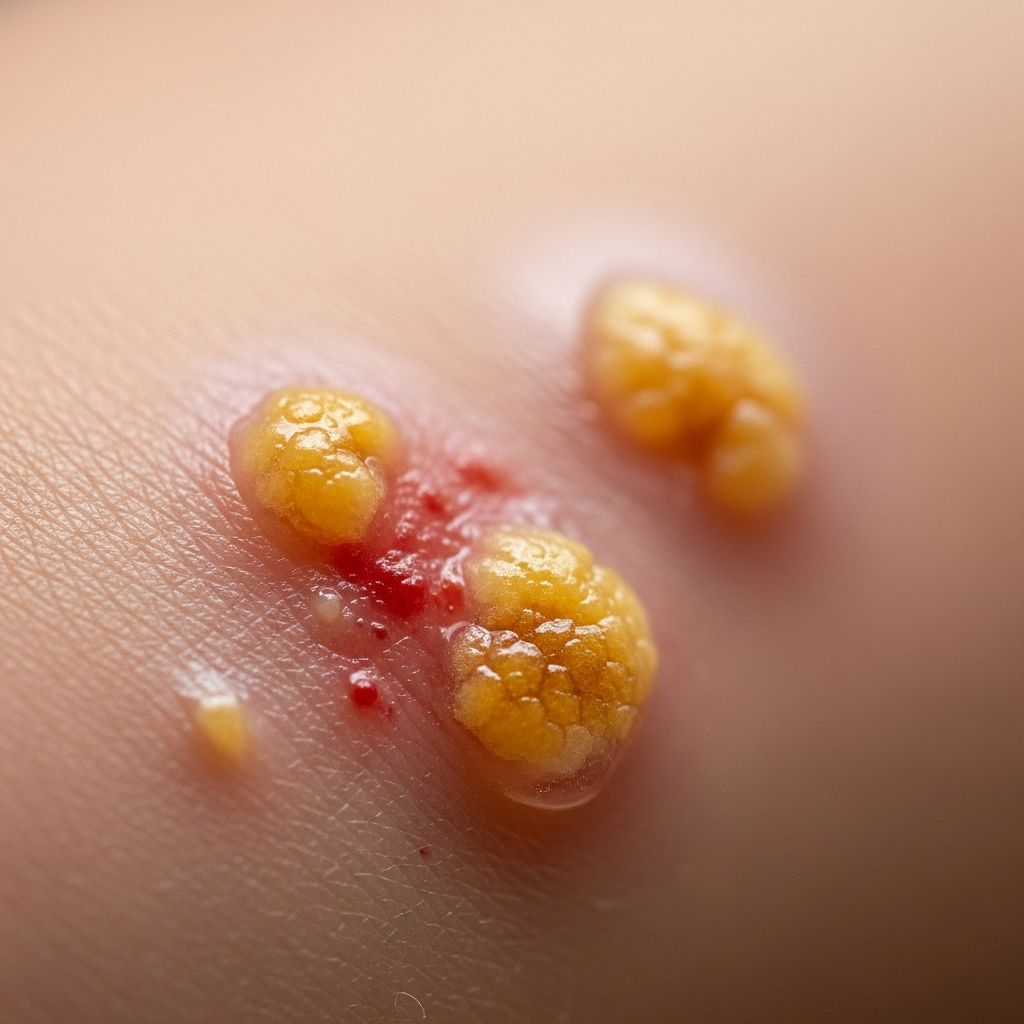
Impetigo: A Comprehensive Clinical Overview
Impetigo is a common and highly contagious superficial bacterial skin infection that predominantly affects infants and young children, though individuals of any age can develop the condition. The infection is characterized by distinctive reddish sores and honey-colored crusts that typically develop over approximately one week. Impetigo represents one of the most prevalent skin infections in children aged two to five years, with significant epidemiological importance in both developed and developing nations.
Epidemiology and Disease Burden
The epidemiological impact of impetigo extends globally, with substantial morbidity particularly among pediatric populations. In the United States alone, more than 11 million skin and soft tissue infections are caused by Staphylococcus aureus annually, with impetigo constituting a significant proportion of these cases. The condition is especially prevalent in warm, humid climates and in settings characterized by crowding, such as daycare facilities. Additionally, impetigo represents approximately one-third of skin and soft tissue infections in returning travelers, often following secondary infection of mosquito bites.
Etiology and Causative Organisms
Impetigo is caused by specific bacterial pathogens that naturally colonize human skin and mucous membranes. The primary causative organisms include:
- Staphylococcus aureus – The most common cause of impetigo in many regions
- Streptococcus pyogenes (Group A beta-hemolytic streptococcus) – Particularly prevalent in warmer, more humid climates
- Combined infections – Both organisms working together to cause infection
- Anaerobic bacteria – Less commonly implicated in impetigo development
These bacteria typically inhabit healthy skin, often colonizing the nasal, axillary, pharyngeal, or perineal regions without causing disease. However, under specific conditions, these commensal organisms can breach skin barriers and establish pathogenic infection.
Risk Factors and Predisposing Conditions
Multiple factors increase susceptibility to impetigo development. Environmental and behavioral factors include:
- Skin trauma and breaks in skin integrity
- Hot, humid climatic conditions
- Poor personal hygiene practices
- Daycare and crowded living environments
- Malnutrition and nutritional deficiencies
Medical comorbidities that enhance susceptibility include diabetes mellitus, immunosuppression, atopic dermatitis (eczema), and other chronic skin conditions. Infected mosquito bites, scabies, herpetic eruptions, and other dermatological diseases can also predispose to secondary impetigo development.
Pathogenesis: Primary Versus Secondary Impetigo
Understanding the pathogenic mechanisms is essential for clinical classification and management. Impetigo manifests in two distinct forms based on the integrity of underlying skin:
Primary Impetigo
Primary impetigo represents direct bacterial invasion of intact, healthy skin without preceding dermatological injury. This form typically occurs when virulent bacterial strains or overwhelming inoculum overcome normal skin defenses, establishing infection in previously uncompromised epidermis.
Secondary Impetigo
Secondary impetigo, the more common presentation, develops when bacteria colonize pre-existing breaks in skin integrity. These breaks may result from trauma, eczema, insect bites, scabies, or herpetic eruptions. Underlying systemic conditions such as diabetes further compromise immune function and increase infection risk in disrupted skin.
Clinical Presentation and Morphological Features
Nonbullous Impetigo
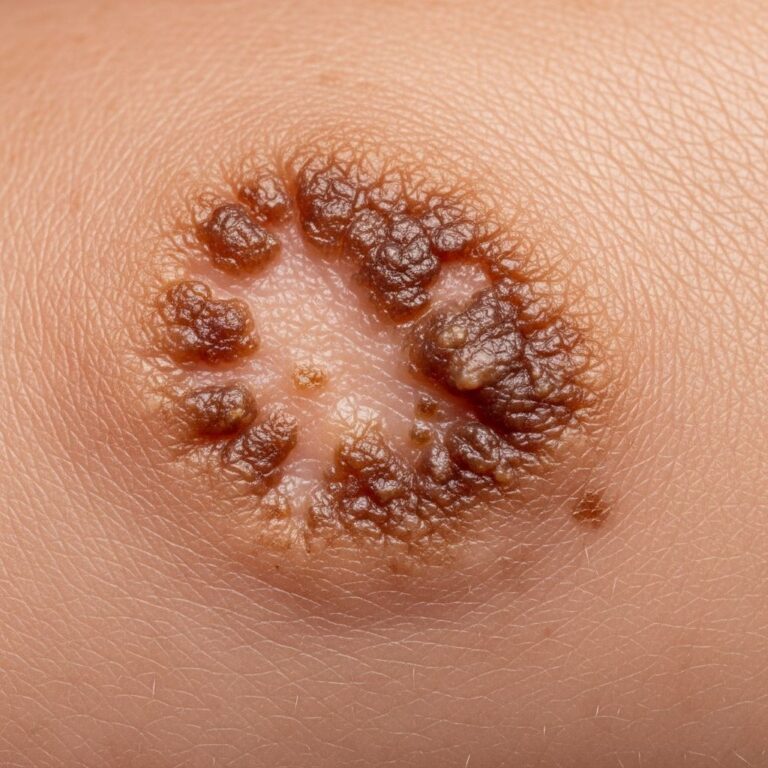
Nonbullous impetigo is the most common clinical presentation, accounting for the majority of impetigo cases. The condition typically begins as small red, itchy sores that rapidly progress through characteristic stages:
Related Stories



- Initial presentation: Red, itchy, inflamed areas of skin
- Progression: Small vesicles or pustules develop at the site of initial inflammation
- Rupture: Lesions quickly break open, exuding clear fluid or purulent material
- Crust formation: Within days, distinctive honey-colored or yellowish crusts form over the erosions
- Resolution: Crusts gradually separate, revealing healed skin without scarring
Nonbullous impetigo is usually caused by S. aureus, though S. pyogenes involvement is increasingly recognized, particularly in warmer climates. The exposed facial areas, including the nares and perioral regions, along with the extremities, are the most commonly affected sites. Regional lymphadenitis may accompany the infection, though systemic symptoms are generally absent.
Bullous Impetigo
Bullous impetigo represents a distinct clinical variant caused exclusively by S. aureus strains. This form is characterized by distinctive clinical features that differentiate it from nonbullous impetigo:
- Large, fragile, flaccid bullae (fluid-filled blisters) that are prone to spontaneous rupture
- Rupture leading to exudation of yellow fluid
- Characteristic collarette of scales developing at the periphery of ruptured bullae
- Thin brown crust formation on remaining erosions
- Typical resolution within two to three weeks without scarring
The pathophysiology of bullous impetigo involves exfoliative toxins produced by specific S. aureus strains, which cause loss of cell adhesion in the superficial epidermal layers. Bullous impetigo commonly affects the trunk, axilla, extremities, and intertriginous areas, particularly diaper regions in infants, making it the most common cause of ulcerative rash on infant buttocks. Unlike nonbullous impetigo, bullous impetigo may occasionally produce systemic symptoms including fever, diarrhea, and generalized weakness.
Symptomatology and Clinical Course
The temporal progression of impetigo follows a fairly predictable pattern. Symptoms typically develop within three days of bacterial skin colonization. The characteristic honey-colored crusts that define impetigo typically appear within approximately one week of initial symptom onset. Itching and soreness are generally mild to moderate in intensity, though some patients experience more significant discomfort.
The incubation period varies depending on the causative organism: streptococcal impetigo has an incubation period of 7–10 days, while staphylococcal infection demonstrates more variable onset timing. Importantly, impetigo is highly contagious and can spread to other body areas through direct contact, contaminated clothing, and towels.
Diagnostic Approach
Clinical diagnosis of impetigo is typically straightforward and relies on characteristic morphological appearance. Healthcare providers diagnose impetigo primarily based on visual examination of the characteristic lesions, including the distinctive honey-colored crusts and clinical distribution patterns.
Physical Examination
The clinical examination focuses on identifying pathognomonic features, including the characteristic honey-colored crusts, vesicular erosions, and typical anatomical distribution. The presence of regional lymphadenitis may be noted, particularly when examining draining lymph nodes proximal to affected skin areas.
Laboratory Investigation
Routine laboratory testing is generally not required for uncomplicated impetigo diagnosis. However, healthcare providers may obtain skin cultures when clinical uncertainty exists or when antibiotic resistance is suspected. Culture specimens help identify the specific causative organism and guide antibiotic selection, particularly in cases of treatment failure or severe infection. Laboratory evaluation may also be warranted when systemic complications are suspected, such as post-streptococcal glomerulonephritis.
Treatment and Management Strategies
Antibiotic Therapy
Antibiotic treatment is the cornerstone of impetigo management and typically results in symptom improvement within a few days. Treatment selection depends on infection extent and severity:
Topical Antibiotics
Topical antibiotic therapy is appropriate for localized impetigo affecting small areas with minimal skin involvement. Healthcare providers may recommend topical ointments containing bacitracin or other appropriate antimicrobial agents for limited infections. Topical antibiotics are applied directly to affected skin areas and offer the advantage of high local concentration with minimal systemic absorption.
Oral Antibiotics
Oral antibiotic therapy is indicated when impetigo covers extensive skin areas or involves multiple body regions. Systemic antibiotics achieve therapeutic concentrations throughout affected tissues and are necessary for widespread infection management. Prescription antibiotics must be used exactly as directed by the healthcare provider to ensure treatment efficacy and prevent antibiotic resistance development.
Adjunctive Care Measures
For minor skin infections that have not spread extensively, over-the-counter antibiotic creams containing bacitracin may provide initial management. Non-adherent bandaging over treated areas helps prevent infection spread and protects lesions from environmental contamination.
Contagiousness and Transmission Prevention
Impetigo demonstrates high contagiousness without appropriate treatment. Without antibiotic therapy, impetigo remains contagious for several weeks. After initiating appropriate antibiotic treatment, contagiousness typically resolves within 24–48 hours of commencing therapy, though this varies depending on antibiotic efficacy and causative organism.
Transmission occurs through direct contact with infected lesions and indirectly through contaminated personal items including towels, clothing, and other shared objects. Prevention strategies emphasize meticulous hand hygiene, individual use of personal care items, and appropriate wound care to minimize transmission risk in household and institutional settings.
Complications and Clinical Outcomes
Impetigo generally represents a mild infection with favorable prognosis. Complications are relatively uncommon but can occur in specific circumstances. Certain Group A streptococcal strains associated with impetigo may lead to post-streptococcal glomerulonephritis, an inflammatory kidney disease characterized by elevated blood pressure and hematuria.
Additional potential complications include cellulitis resulting from deeper skin involvement, lymphangitis affecting draining lymphatic vessels, and in rare cases, septicemia. However, with prompt antibiotic treatment, serious complications are substantially uncommon in otherwise healthy individuals.
Healing and Prognosis
With appropriate antibiotic treatment, impetigo typically resolves favorably. Once crusts dry and separate, the underlying skin heals completely without permanent scarring. The favorable cosmetic outcome following appropriate treatment is one of the distinguishing features of uncomplicated impetigo, differentiating it from more serious skin infections such as ecthyma.
Frequently Asked Questions
Q: How contagious is impetigo, and how long can it spread to others?
A: Impetigo is highly contagious. Without treatment, it remains contagious for weeks. After starting appropriate antibiotic treatment, contagiousness typically decreases significantly within 24–48 hours. Transmission occurs through direct contact with lesions and sharing of contaminated items like towels and clothing.
Q: Can impetigo leave scars after healing?
A: No, uncomplicated impetigo typically heals without scarring once the crusts dry and separate. However, if the infection progresses to deeper skin layers (ecthyma), scarring may occur. Prompt antibiotic treatment helps prevent this progression.
Q: What is the difference between nonbullous and bullous impetigo?
A: Nonbullous impetigo, the more common form, presents with small pustules and honey-colored crusts, typically caused by S. aureus or S. pyogenes. Bullous impetigo, caused exclusively by S. aureus, features larger fluid-filled blisters and is more common on trunk and diaper areas.
Q: How long does impetigo take to heal with treatment?
A: With appropriate antibiotic treatment, most cases of impetigo show improvement within a few days. Complete healing typically occurs within one to two weeks, with crusts gradually separating to reveal healed skin.
Q: Are there any serious complications associated with impetigo?
A: While complications are rare, certain streptococcal strains can cause post-streptococcal glomerulonephritis, an inflammatory kidney disease. Other uncommon complications include cellulitis and lymphangitis if infection spreads deeper into skin tissues.
References
- Impetigo: Diagnosis and Treatment — American Academy of Family Physicians. 2014-08-15. https://www.aafp.org/pubs/afp/issues/2014/0815/p229.html
- Impetigo, Contagious Skin Infection: Causes, Treatment & Prevention — Cleveland Clinic. 2025. https://my.clevelandclinic.org/health/diseases/15134-impetigo
- Impetigo — Colorado Department of Public Health and Environment. 2025. https://cdphe.colorado.gov/child-care-school-settings/impetigo
- About Impetigo | Group A Strep — Centers for Disease Control and Prevention. 2025. https://www.cdc.gov/group-a-strep/about/impetigo.html
- Impetigo – Symptoms & causes — Mayo Clinic. 2025. https://www.mayoclinic.org/diseases-conditions/impetigo/symptoms-causes/syc-20352352
Similar Articles








Read full bio of Sneha Tete