Impetigo: Causes, Symptoms, Treatment & Prevention
Understanding impetigo: bacterial skin infection causes, symptoms, and effective treatment options.
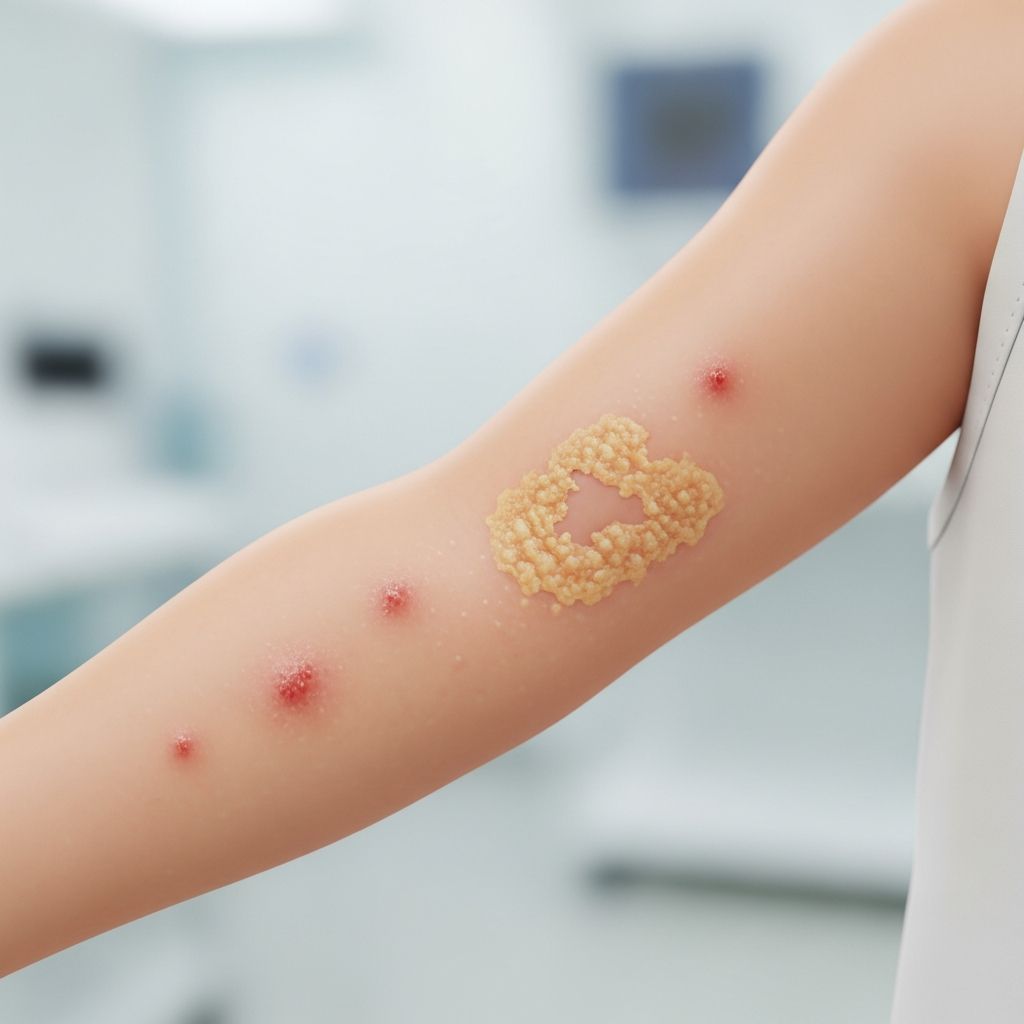
Understanding Impetigo: A Contagious Bacterial Skin Infection
Impetigo is a common and highly contagious bacterial skin infection that primarily affects children, though it can occur in adults as well. This superficial skin condition is characterized by itchy, sometimes painful sores that typically appear on exposed areas of the body, particularly around the nose and mouth. The infection develops when bacteria such as Staphylococcus aureus or Streptococcus pyogenes (Group A Streptococcus) penetrate the skin barrier, either through existing cuts, insect bites, or areas of minor trauma. Understanding the nature of this infection, its causes, symptoms, and treatment options is essential for timely intervention and preventing complications.
What Causes Impetigo?
Impetigo is caused by two primary types of bacteria: Staphylococcus aureus and Streptococcus pyogenes. Both bacteria can independently cause non-bullous impetigo, which is the most common form of the infection. These bacteria are ubiquitous in the environment and on human skin, but they typically only cause infection when they enter through breaks in the skin barrier. Factors that increase the risk of developing impetigo include warm and humid weather conditions, poor hygiene, crowded living environments, and minor skin injuries such as cuts, scrapes, or insect bites. Children between the ages of 2 and 5 years are most commonly affected, though the condition can develop at any age. Additionally, individuals with compromised immune systems, eczema, or other underlying skin conditions face a higher risk of contracting impetigo.
Recognizing Symptoms of Impetigo
The symptoms of impetigo develop progressively as the infection advances. Initially, the skin lesions begin as small, red bumps called papules. These quickly evolve into pustules, which are pus-filled blisters that may contain fluid or pus. Within a few days, these pustules rupture and break down into thick, crusty lesions that are typically golden or “honey-colored” in appearance. The hallmark honey-colored crusts are one of the most distinctive features of impetigo and help healthcare providers identify the condition.
Common Symptom Characteristics
Most individuals with impetigo experience the following symptoms:
– Itching and discomfort at the infection site- Redness and inflammation surrounding the affected area- Multiple skin lesions that may appear in clusters- Oozing or drainage from the sores- Honey-colored or golden crusts forming over the lesions- Possible mild pain or soreness
The lesions most frequently appear on the face and extremities, including the arms and legs, but can develop on any area of exposed skin. In most cases, individuals do not experience systemic symptoms such as fever, malaise, or loss of appetite. However, it is common to observe swelling of the lymph nodes that drain the affected area of skin, which is the body’s natural immune response to localized infection.
How Impetigo Is Diagnosed
Healthcare providers typically diagnose impetigo through a straightforward physical examination of the affected skin. The distinctive appearance of the lesions—particularly the honey-colored crusts and their characteristic progression from papules to pustules to crusted lesions—usually provides sufficient evidence for diagnosis. In most cases, laboratory testing is not necessary for diagnosis, though a healthcare provider may choose to perform additional testing in certain situations.
When Laboratory Testing May Be Needed
While a visual examination is usually sufficient, your healthcare provider may take a skin culture or sample of fluid from one of the sores in the following circumstances:
Related Stories



– The infection does not respond to initial antibiotic treatment- The infection is widespread or severe- Antibiotic resistance is suspected- To confirm the specific bacterial cause (streptococcal versus staphylococcal)
Gram staining or bacterial culture of exudate from impetigo lesions can identify the specific bacteria responsible for the infection, which helps healthcare providers determine the most effective antibiotic treatment. However, physical examination cannot reliably differentiate between streptococcal and staphylococcal non-bullous impetigo, which is why culture results can be valuable for treatment optimization.
Treatment Options for Impetigo
Treating impetigo promptly is important to promote healing, prevent complications such as scarring, and reduce transmission to others. The primary treatment for impetigo involves antibiotic therapy, though the specific approach depends on the extent and severity of the infection. Most cases of impetigo resolve within one week with proper treatment, significantly faster than the two to three weeks typically required for spontaneous resolution without intervention.
Topical Antibiotic Treatment
For mild impetigo with only a few localized sores, topical antibiotics are often the first-line treatment option. These medications are applied directly to the affected skin, allowing the drug to work where it is needed most while minimizing systemic side effects such as gastrointestinal upset. Common topical antibiotics used for impetigo include:
– Mupirocin (Bactroban)- Retapamulin (Altabax)- Bacitracin- Neomycin- Polymyxin B- Fusidic acid- Gentamicin
Over-the-counter antibiotic ointments containing bacitracin may be sufficient for very minor skin infections that have not yet spread. However, prescription-strength topical antibiotics are often more effective for active impetigo. Your healthcare provider will provide specific instructions on how to apply the topical antibiotic, typically three to four times daily for 5 to 7 days. Before applying the antibiotic, it is important to gently wash the affected area with soap and warm water to remove crusted skin and debris, which promotes better antibiotic penetration and healing.
Oral Antibiotic Treatment
When impetigo covers a large area of the body, affects multiple body parts, or involves numerous lesions, oral antibiotics are typically prescribed. These systemic antibiotics work throughout the body to combat the bacterial infection more comprehensively than topical treatments alone. Common oral antibiotics used for impetigo treatment include:
– Amoxicillin- Amoxicillin/clavulanic acid (Augmentin)- Cephalexin (Keflex)- Clindamycin (Cleocin)- Erythromycin- Azithromycin (Z-Pack)- Doxycycline (Vibramycin)
Oral antibiotics are typically prescribed for 7 to 10 days of continuous therapy. It is critically important to complete the entire course of antibiotics as prescribed by your healthcare provider, even if the skin appears to heal before the medication runs out. Stopping treatment prematurely significantly increases the likelihood of infection recurrence or treatment failure. Your healthcare provider will select the most appropriate antibiotic based on the suspected or confirmed bacterial cause and any known antibiotic sensitivities.
Care Instructions During Treatment
Alongside antibiotic therapy, specific care measures can accelerate healing and prevent the infection from spreading to other areas of the body or to other individuals.
Essential Care Practices
Follow these guidelines while your impetigo is being treated:
– Wash the affected area gently with soap and warm water daily to keep the area clean and remove debris- Apply antibiotic cream or ointment as directed by your healthcare provider- Cover the affected area with a nonstick bandage or gauze to prevent spreading and keep the area dry- Wash your hands thoroughly with soap and warm water before and after touching the infected area- Avoid touching or picking at the sores, as this can spread the infection- Wear loose-fitting clothing to avoid irritating the skin lesions- Do not share personal items such as towels, razors, or clothing with others- Keep fingernails short to reduce the risk of spreading infection through scratching
When to See a Healthcare Provider
While many cases of impetigo respond well to home treatment with topical antibiotics, certain situations warrant immediate medical attention. You should contact your healthcare provider if:
– Your skin does not start to improve after 3 days of antibiotic treatment- The infection continues to spread despite treatment- You develop a fever- The area surrounding your skin infection becomes red, warm, or tender to the touch- Signs of cellulitis develop (rapidly spreading redness and inflammation)- Your child shows signs of systemic infection such as malaise or lethargy- You suspect complications such as post-streptococcal glomerulonephritis (kidney inflammation)
Prevention Strategies for Impetigo
Preventing impetigo involves both individual hygiene practices and community-wide measures to reduce transmission. Since impetigo is highly contagious and spreads through direct contact with infected lesions or contaminated objects, vigilant prevention is essential, particularly in settings with children.
Personal Hygiene Prevention
Reduce your risk of developing impetigo by:
– Maintaining good personal hygiene with regular handwashing- Keeping skin clean and moisturized- Promptly treating minor cuts, scrapes, and insect bites- Avoiding scratching at skin lesions or wounds- Using separate personal items such as towels, razors, and washcloths- Keeping skin dry and avoiding excessive moisture- Ensuring a clean living environment
Preventing Transmission to Others
If you or your child has impetigo, the following measures help prevent spreading the infection:
– Cover all lesions with clean bandages or gauze- Wash hands frequently, especially after touching affected areas- Avoid close contact with others until at least 12 hours after initiating antibiotic treatment- Do not share contaminated items with family members or classmates- Return to school or work only after starting antibiotic treatment and covering all lesions- Maintain excellent hygiene practices during the infectious period
Return to School or Work
Individuals with impetigo can safely return to school or work at least 12 hours after beginning antibiotic treatment, provided that all lesions are properly covered with bandages. This timeline reflects the significant reduction in bacterial transmission that occurs shortly after initiating appropriate antibiotic therapy. Healthcare providers should be consulted regarding specific return-to-activity guidelines, particularly in settings with high concentrations of young children.
Frequently Asked Questions About Impetigo
Q: How long does impetigo take to heal with treatment?
A: Most cases of impetigo resolve within one week with proper antibiotic treatment. Without treatment, natural resolution typically occurs within two to three weeks, though treatment significantly accelerates healing and prevents complications.
Q: Is impetigo contagious?
A: Yes, impetigo is highly contagious and spreads through direct contact with infected lesions or contaminated objects. However, contagiousness is significantly reduced within 12 hours of starting appropriate antibiotic treatment.
Q: Can I treat impetigo with over-the-counter products?
A: For very minor skin infections, over-the-counter antibiotic ointments containing bacitracin may be helpful. However, most cases of impetigo require prescription antibiotic treatment. Consult your healthcare provider for proper diagnosis and treatment recommendations.
Q: What are potential complications of untreated impetigo?
A: Untreated impetigo can lead to complications including cellulitis (spreading skin infection), post-streptococcal glomerulonephritis (kidney inflammation), scarring of the skin, and in rare cases, systemic infection. Prompt treatment prevents these serious complications.
Q: Can adults get impetigo?
A: While impetigo is most common in children ages 2 to 5 years, adults can develop the infection, particularly if they have compromised immune systems, existing skin conditions, or significant skin trauma.
Q: What should I do if impetigo doesn’t improve with initial treatment?
A: If your impetigo does not show improvement within 3 days of treatment or continues to worsen, contact your healthcare provider. They may perform bacterial culture testing to identify antibiotic resistance and prescribe alternative antibiotics more effective against the specific bacteria causing your infection.
References
- Impetigo, Contagious Skin Infection: Causes, Treatment & Prevention — Cleveland Clinic. 2024. https://my.clevelandclinic.org/health/diseases/15134-impetigo
- Clinical Guidance for Group A Streptococcal Impetigo — Centers for Disease Control and Prevention. 2024. https://www.cdc.gov/group-a-strep/hcp/clinical-guidance/impetigo.html
- Interventions for Impetigo — PubMed Central, National Center for Biotechnology Information. https://pmc.ncbi.nlm.nih.gov/articles/PMC7025440/
- Impetigo: Symptoms, Causes, Complications, and Treatments — WebMD. 2024. https://www.webmd.com/skin-problems-and-treatments/understanding-impetigo-basics
- Impetigo — Symptoms & Causes — Mayo Clinic. 2024. https://www.mayoclinic.org/diseases-conditions/impetigo/symptoms-causes/syc-20352352
Similar Articles








Read full bio of Sneha Tete