ICD Insertion: Procedure, Preparation & Recovery Guide
Complete guide to ICD insertion: understanding the procedure, preparation, and post-operative care.
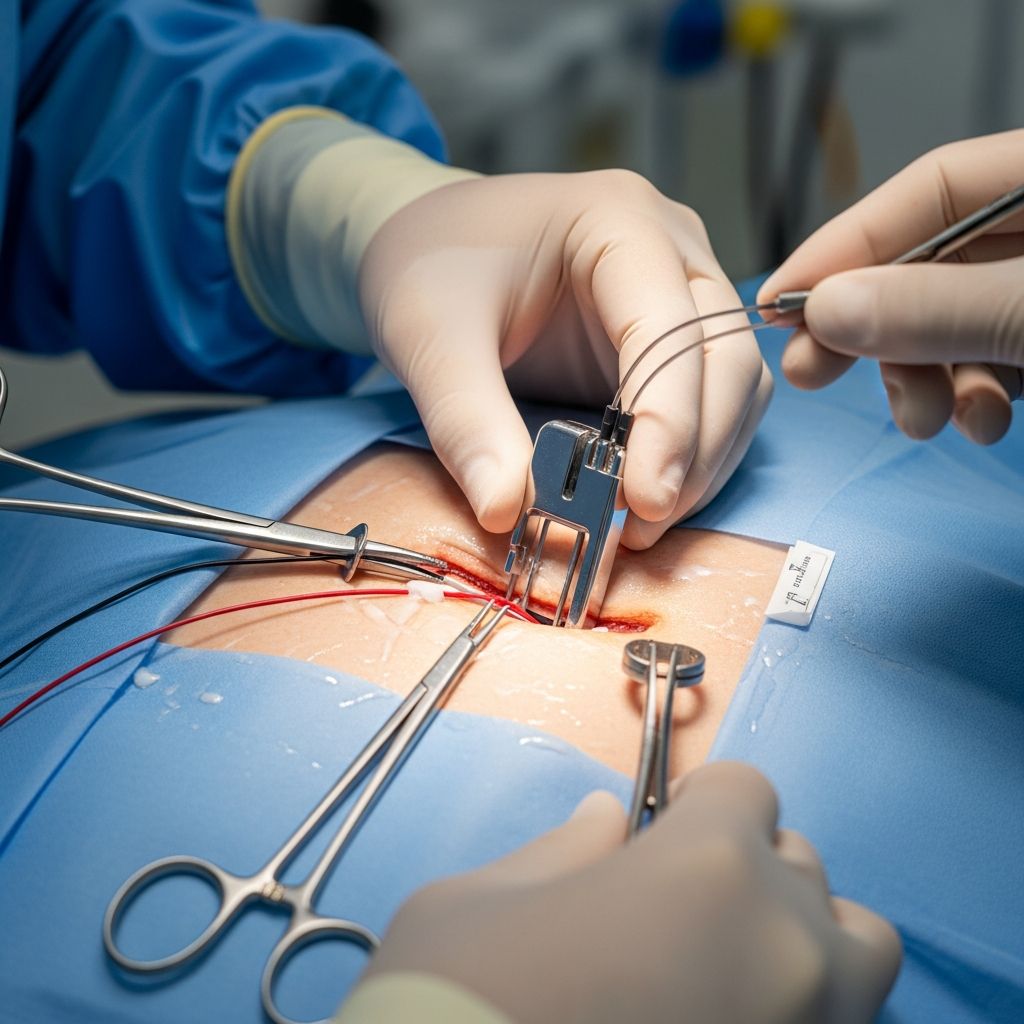
Understanding Implantable Cardioverter-Defibrillator (ICD) Insertion
An implantable cardioverter-defibrillator (ICD) is a sophisticated medical device designed to monitor your heart’s electrical activity and deliver therapy when dangerous or irregular heartbeats are detected. The ICD insertion procedure is a minimally invasive surgical intervention that places this life-saving device beneath your skin, typically in the upper chest region. Unlike open-heart surgery, ICD insertion does not require opening the chest cavity, making it a relatively safe outpatient or short-stay hospital procedure. Most patients return home within 24 hours following successful implantation.
What Is an ICD and Why Do You Need One?
An implantable cardioverter-defibrillator is a battery-powered device that continuously monitors your heart rhythm. When the device detects a dangerously fast or irregular heartbeat, it can deliver electrical therapy to restore a normal rhythm. The ICD serves two primary functions: it can pace your heart if it beats too slowly, and it can deliver a shock if life-threatening arrhythmias occur. Your cardiologist may recommend ICD implantation if you have experienced ventricular fibrillation, ventricular tachycardia, or if you are at high risk for sudden cardiac death due to your heart condition.
Pre-Procedure Preparation and Requirements
Proper preparation before your ICD insertion procedure is essential for ensuring a smooth and successful surgery. Your healthcare team will provide specific instructions tailored to your medical history and current medications.
Medical Evaluation
Before scheduling your ICD insertion, you will undergo comprehensive cardiac testing. This typically includes an electrocardiogram (EKG), echocardiogram, and possibly a stress test to assess your current heart function. Your medical team will review your complete medical history, including any previous heart surgeries or procedures. Be sure to inform your cardiologist about all medications you are currently taking, including blood thinners, as some may need to be adjusted before surgery.
Pre-Operative Instructions
You will receive detailed instructions regarding fasting requirements before your procedure. Generally, you should not eat or drink anything for 6 to 8 hours before your scheduled surgery time. Plan to arrive at the hospital early on the day of your procedure to allow time for registration and final pre-operative assessments. Arrange for a trusted family member or friend to drive you home, as you will not be able to drive yourself on the day of surgery due to the sedation used during the procedure. Wear loose, comfortable clothing that allows easy access to your upper chest area.
The ICD Insertion Procedure: Step-by-Step Process
The ICD insertion procedure typically takes 3 to 4 hours from start to finish, though the actual implantation time is usually shorter. Understanding each step can help alleviate anxiety and prepare you mentally for the experience.
Anesthesia and Pain Management
When you arrive in the electrophysiology laboratory, a healthcare team will prepare you for the procedure. You will receive intravenous access for medication administration. The medical team will offer you sedation to help you relax during the surgery, along with local anesthesia to numb the surgical site. Some procedures may use general anesthesia instead, in which case an anesthesiologist will monitor you throughout. You will remain conscious during most of the procedure if receiving sedation, though you will feel drowsy and may not remember all the details afterward.
Related Stories



Creating the Surgical Site
Your surgeon will begin by cleaning and sterilizing the upper chest area below your collarbone. The specific placement location depends on whether you are right-handed or left-handed. For right-handed patients, the device is typically placed in the upper left chest, while left-handed patients usually receive implantation on the right side. This placement on the non-dominant side reduces interference with daily activities and minimizes strain on the device.
Your surgeon will make a small incision, approximately 2 to 4 inches long, just below the collarbone. This incision provides access to the veins and allows the surgical team to create a pocket or pouch beneath the skin where the ICD generator will ultimately rest. The pocket is carefully created to accommodate the device while ensuring proper positioning and stability.
Vein Access and Lead Placement
Through the incision or a separate access point, your surgeon will insert a sheath (introducer) into the major vein beneath your collarbone. This sheath serves as a guide for the lead wires. One or more flexible, thin wires called leads will be carefully advanced through the sheath and into the vein. Using fluoroscopy (real-time X-ray imaging), your surgeon guides these leads into your heart, positioning them precisely in the appropriate chambers—typically the right ventricle and sometimes the right atrium.
The leads are designed with electrodes at their tips that make direct contact with your heart tissue. These electrodes allow the device to sense your heart’s electrical signals and deliver therapy when needed. Once positioned correctly, the leads are tested to ensure they are sensing your heart’s signals accurately and that they can deliver therapy effectively.
Device Attachment and Placement
After the leads are secured and tested, they are connected to the ICD generator—the battery-powered box that houses the device’s computer and memory. The generator is then placed into the pocket created beneath your skin. Your surgeon ensures that the device is positioned securely and that all connections are properly seated. Once placement is confirmed, the surgeon closes the incision with sutures and applies a sterile dressing to protect the wound.
Device Programming and Testing
Before the procedure concludes, your electrophysiologist will program your ICD according to your specific heart rhythm needs. This programming determines how the device will respond to different heart rates and rhythms. The device is then tested to verify that all functions are operating properly and that it will respond appropriately to the conditions for which it was implanted. This testing might involve temporarily speeding up your heart rate to assess how the device responds.
Recovery and Post-Operative Care
Immediate Post-Procedure
After the procedure is complete, you will be moved to a recovery area where nurses will monitor your vital signs closely. You will feel drowsy from the sedation for a few hours. Your chest may feel sore or tender around the incision site, which is normal. Most patients experience mild to moderate discomfort that can be managed with prescribed pain medications. You may notice some bruising or swelling around the surgical site, which typically resolves within a few days to weeks.
Discharge Instructions
Most patients go home within 24 hours of their ICD insertion procedure. Before discharge, your medical team will provide comprehensive written instructions for home care. You should keep your incision clean and dry, avoiding baths or swimming until the site is completely healed. Avoid strenuous activities, heavy lifting (over 5 pounds), and vigorous exercise for at least 4 to 6 weeks following surgery. Your surgeon will specify when you can resume normal daily activities and return to work.
Activity Restrictions and Lifestyle Modifications
During your recovery period, avoid activities that could put pressure on or trauma to your chest and the implanted device. Certain activities, such as contact sports or heavy physical labor, may need to be avoided long-term. Consult with your cardiologist about which activities are safe for you. You should also be aware of potential electromagnetic interference with your ICD. While most modern devices are well-shielded, you should inform security personnel at airports and other venues about your ICD, as metal detectors may need to be adjusted. Cell phones should be kept at least 6 inches away from your device.
Managing Your ICD Long-Term
Regular Follow-Up Appointments
After your ICD insertion, you will need regular follow-up appointments with your cardiologist or electrophysiologist. These appointments typically occur 2 to 4 weeks after implantation, then periodically thereafter. During these visits, your device will be checked using a special programmer that communicates with your ICD. Your healthcare provider will review your device’s function, battery status, and any events the device has recorded. These remote monitoring systems allow your doctor to stay informed about your device’s performance without requiring an office visit every time.
Medication Management
Your cardiologist may prescribe medications to work in conjunction with your ICD to manage your heart condition. It is crucial to take all medications exactly as prescribed and to inform your doctor about any side effects or concerns. Do not stop or change any medications without consulting your healthcare provider.
Recognizing Warning Signs
Contact your healthcare provider immediately if you experience chest pain, shortness of breath, fever, increased swelling or redness at the incision site, or if you feel your ICD deliver therapy that concerns you. Additionally, if you feel dizzy, faint, or experience palpitations, seek prompt medical attention.
Potential Complications and Risks
While ICD insertion is generally a safe procedure, like all surgical interventions, it carries some potential risks. Infection at the incision site is a rare but possible complication. Bleeding or blood clots can occasionally occur. There is a small risk of pneumothorax (collapsed lung) if the surgeon accidentally punctures the lung during lead placement. Lead dislodgement, where the lead moves out of position, may require repositioning. Device malfunction or premature battery depletion, though uncommon with modern technology, can occur. Your surgeon will discuss these risks with you before your procedure and explain how your medical team monitors for and manages any complications.
Device Replacement and Maintenance
ICD devices eventually deplete their batteries and require replacement. Battery life varies depending on how frequently the device delivers therapy, but typically ranges from 5 to 7 years. Your healthcare provider monitors your device’s battery status during regular check-ups and will schedule a replacement procedure well before the battery becomes critically low. Replacement procedures are generally less involved than initial implantation since the leads can often be reused.
Frequently Asked Questions
Q: Will I feel the ICD delivering a shock?
A: Yes, most patients report feeling a sudden jolt or kick sensation when the device delivers a shock. Some describe it as uncomfortable or startling rather than painful. The sedation during initial testing typically prevents you from feeling the shock during implantation.
Q: Can I travel with my ICD?
A: Yes, you can travel with your ICD. Inform airport security about your device, as you will need to go through security procedures that accommodate ICD patients. Carry your ICD identification card provided by the manufacturer.
Q: Will my ICD set off metal detectors?
A: Modern ICDs are designed to minimize metal detector triggering, but inform security personnel about your device. They may use alternative screening methods or allow you to bypass certain security checkpoints.
Q: Can I use a microwave or cell phone with my ICD?
A: Modern ICDs are well-shielded and generally safe around microwaves and cell phones. However, keep cell phones at least 6 inches away from your device and avoid holding them directly over the implant site.
Q: When can I return to work after ICD insertion?
A: Most patients return to desk jobs within 1 to 2 weeks. Return to physically demanding work depends on your job requirements and your specific medical situation. Consult with your cardiologist before resuming work.
Q: Is ICD insertion covered by insurance?
A: Most insurance plans, including Medicare, cover ICD insertion when medically necessary. Coverage details vary by insurance plan and the specific medical indication for your device.
References
- Implantable Cardioverter-Defibrillator (ICD) — Mayo Clinic. 2024. https://www.mayoclinic.org/tests-procedures/implantable-cardioverter-defibrillators/about/pac-20384692
- Implantable Cardioverter Defibrillators (ICDs) — Cleveland Clinic. 2024. https://my.clevelandclinic.org/health/treatments/17123-implantable-cardioverter-defibrillator-icd
- Implantable Cardioverter-Defibrillator (ICD) – Stanford Health Care — Stanford Healthcare. 2024. https://stanfordhealthcare.org/medical-treatments/i/icd.html
- Getting an Implantable Cardioverter Defibrillator (ICD) — Medtronic Canada. 2024. https://www.medtronic.com/en-ca/l/your-health/treatments-therapies/icd-devices/implant-procedure.html
- Implantable Cardioverter Defibrillator (ICD) Insertion — Tampa General Hospital. 2024. https://www.tgh.org/institutes-and-services/treatments/icd-implants
- Implantable Cardioverter Defibrillator (ICD) — Washington Heart Rhythm Associates. 2024. https://www.washingtonhra.com/pacemakers-icds/implantable-cardioverter-defibrillator-icd.php
Similar Articles








Read full bio of medha deb