Implantable Device Replacement Procedure
Complete guide to implantable device replacement: what to expect before, during, and after surgery.
Understanding Implantable Device Replacement
Implantable cardiac devices such as pacemakers and implantable cardioverter-defibrillators (ICDs) are critical lifesaving devices that help regulate heart rhythm and prevent dangerous arrhythmias. Over time, the battery in these devices depletes and requires replacement. Replacing the pulse generator—the battery-powered component of your implantable device—is a straightforward outpatient surgical procedure that is similar in many ways to your initial implant surgery, but with one key difference: only the generator will be replaced, not the leads.
Understanding what to expect during this replacement procedure can help you prepare mentally and physically for the surgery. This comprehensive guide walks you through every stage of the implantable device replacement process, from pre-operative preparations to post-operative care and recovery.
Why Device Replacement Is Necessary
Implantable devices are powered by batteries that gradually deplete over time with normal use. Most pacemaker batteries last between 5 to 15 years, depending on how often the device is pacing your heart. Your healthcare team monitors your device regularly through office visits and remote monitoring systems to track battery status. When your device reaches what is called the elective replacement indication (ERI) or recommended replacement time (RRT), your doctor will recommend scheduling a replacement procedure.
The specific timing for replacement depends on your individual device type, manufacturer, and how much your device is being used. Your cardiologist will discuss the optimal time for replacement based on your clinical situation and lifestyle needs.
Pre-Operative Preparation and Evaluation
Before your implantable device replacement procedure, your healthcare team will conduct several important evaluations to ensure you are ready for surgery.
Medical Assessment
Your cardiologist will review your complete medical history, current medications, and any recent changes in your heart rhythm or symptoms. You will undergo blood tests to check your kidney function, blood clotting ability, and overall health status. An electrocardiogram (ECG) may be performed to establish a baseline of your current heart rhythm before the procedure.
Medication Management
Inform your doctor about all medications you are taking, including blood thinners, aspirin, and other cardiac medications. Depending on the specific medications, your doctor may ask you to continue or temporarily stop certain drugs before surgery. Blood-thinning medications may need to be adjusted or temporarily discontinued to reduce bleeding risk during the procedure.
Fasting Instructions
You will typically be asked to fast for 6 to 8 hours before your procedure. This means no food or drink after midnight the night before your surgery. Fasting is necessary because general anesthesia is used during the procedure, and an empty stomach reduces the risk of aspiration complications.
Arrangement and Transportation
Since you will receive general anesthesia, you cannot drive yourself home after the procedure. Arrange for a family member or trusted friend to drive you to the hospital and pick you up after surgery. Plan for someone to stay with you for the first 24 hours after the procedure to assist with any needs.
The Implantable Device Replacement Procedure
The replacement procedure typically takes place in a hospital or outpatient surgical center under controlled sterile conditions. Here’s what happens during the surgery.
Anesthesia and Positioning
When you arrive at the surgical center, you will be taken to a pre-operative area where you’ll change into a surgical gown. An IV line will be placed in your arm, and monitors will track your heart rate, blood pressure, and oxygen levels throughout the procedure. You will receive general anesthesia, which puts you into a deep sleep so you feel no pain during surgery.
Related Stories



Surgical Site Preparation
The surgical team will clean and prepare the area over your implanted device with antiseptic solution. The site is then draped with sterile surgical fields to maintain a sterile environment and prevent infection.
Device Removal
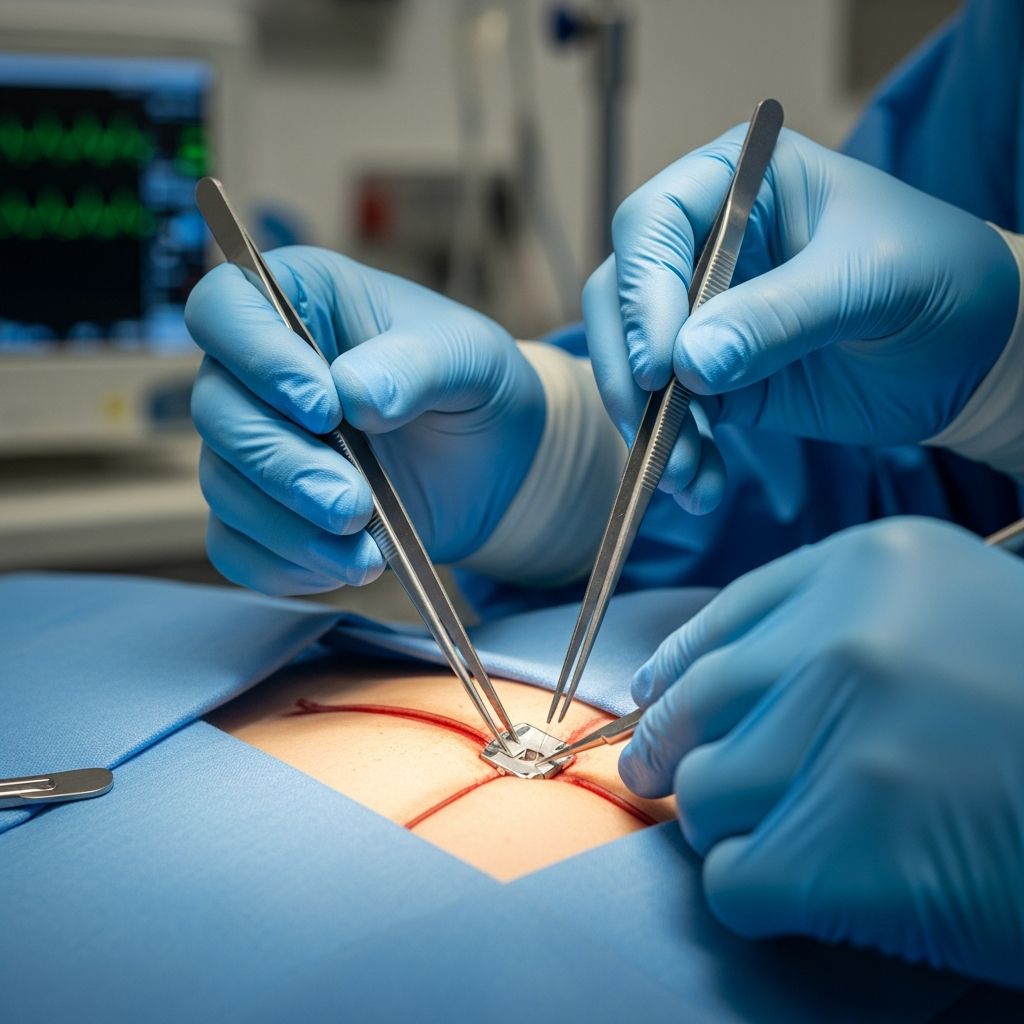
Your surgeon makes an incision over the existing scar from your original implant surgery. This incision is typically small, usually less than 2 inches long. The existing pulse generator is carefully exposed and disconnected from the lead wires that run to your heart. The old device is then gently removed from the surgical pocket beneath your skin.
Generator Replacement
The new pulse generator is then positioned in the same surgical pocket. Your surgeon carefully reconnects the lead wires to the new device, ensuring all connections are secure and functioning properly. The new device is then tested to confirm it is capturing and sensing heart rhythm correctly.
Incision Closure
Once the new device is in place and functioning properly, the surgical incision is closed with sutures or surgical staples. A sterile dressing is applied to protect the incision site during the initial healing phase.
Recovery Room Monitoring
After surgery is complete, you are moved to a recovery area where nursing staff monitor you closely as the anesthesia wears off. Your heart rate, blood pressure, oxygen levels, and incision site are continuously monitored. Most people spend 1 to 2 hours in the recovery area before being discharged home.
Post-Operative Care and Recovery Timeline
The recovery period following implantable device replacement is generally short, with most patients returning to normal activities within a few weeks.
Immediate Post-Operative Period (First Few Days)
You may experience mild discomfort, soreness, or bruising at the incision site for the first few days after surgery. Over-the-counter pain medications such as acetaminophen or ibuprofen can help manage this discomfort. Avoid taking aspirin or other blood thinners unless your doctor specifically instructs you to do so, as these can increase bleeding from the incision.
You may wash your ear or the surgical area as normal after one or two days, but keep the incision clean and dry. Your healthcare team will provide specific instructions on incision care, including how to change dressings and care for your stitches.
First Week After Surgery
A follow-up appointment is typically scheduled for about one week after surgery to inspect the incisions and remove the stitches. At this visit, your healthcare team will assess how well your incision is healing and ensure there are no signs of infection or complications.
Although implantable device replacement is a safe procedure, it is possible you may experience pain, drainage from the incision, or fever after surgery. If any of these symptoms occur, contact your doctor immediately, as these could indicate infection or another complication that requires treatment.
Physical Activity Restrictions
For the first two to four weeks after surgery, avoid strenuous activities, heavy lifting (anything over 10 pounds), and vigorous exercise. These activities can stress the incision and disrupt healing. Light walking is encouraged and helps promote circulation and healing. Gradually increase your activity level as your incision heals and as approved by your healthcare provider.
Return to Normal Activities
Most people can return to their normal activities, including work and light exercise, within 4 to 6 weeks after the procedure. The specific timeline depends on the nature of your work and how quickly your incision heals. Your cardiologist will provide specific guidance based on your individual situation.
Device Programming and Optimization
After your implantable device replacement, your new device requires programming to match your specific cardiac needs and maintain consistency with your previous device settings.
Initial Programming
Your electrophysiologist or specially trained technician will program your new device to match the settings that were optimized for you before replacement. This includes parameters such as pacing rate, sensitivity settings, and any specialized algorithms specific to your device and clinical condition.
Device Interrogation and Testing
Your healthcare team will perform device interrogation, which means they use specialized equipment to communicate with your implanted device and check its function. This testing ensures the device is sensing your heart rhythm properly and delivering therapy as intended. Any adjustments needed are made during this session.
Follow-Up Appointments and Adjustments
You will have several follow-up appointments in the weeks and months following your procedure. Your device may require fine-tuning adjustments as your heart adapts to the new device and as clinical data is collected. These appointments allow your healthcare team to optimize your device settings for maximum benefit and ensure you are achieving the best possible outcomes.
Potential Complications and When to Seek Help
While implantable device replacement is generally a safe procedure, like all surgeries, it carries some risks. Knowing potential complications helps you recognize warning signs early.
Common Post-Operative Symptoms
Mild pain, bruising, and swelling at the incision site are normal and typically resolve within a few weeks. However, you should contact your healthcare provider if you experience severe pain, excessive swelling, or increasing warmth at the incision site.
Signs of Infection
Fever, drainage from the incision, increasing redness, or signs of abscess formation could indicate infection. If you develop any of these symptoms, seek medical attention promptly, as infection can lead to more serious complications if left untreated.
Device-Related Complications
Rarely, complications such as lead displacement, loss of capture, or sensing problems may occur. If you experience chest pain, shortness of breath, dizziness, or fainting after your procedure, contact your cardiologist or seek emergency care immediately.
Emergency Warning Signs
Seek emergency medical care if you experience chest pain, severe shortness of breath, fainting, or rapid or irregular heartbeat that does not resolve quickly. These symptoms could indicate a serious problem requiring immediate attention.
Living with Your Replaced Device
After your implantable device replacement, you can return to a normal, active lifestyle with a few important precautions.
Electromagnetic Interference Precautions
Certain electronic devices and environments can interfere with your implantable device. Maintain a distance of at least 6 inches from cell phones, and avoid prolonged exposure to strong magnetic fields. Inform healthcare providers and TSA agents about your device during medical procedures or airport screening.
Regular Follow-Up Care
Attend all scheduled follow-up appointments with your cardiologist and electrophysiology team. Regular monitoring ensures your device is functioning properly and allows your healthcare team to make any necessary adjustments to optimize your therapy.
Device Identification
Always carry your device identification card provided by your healthcare team. This card contains important information about your device type, serial number, and manufacturer, which is helpful during medical emergencies or when traveling.
Medication Adherence
Continue taking all prescribed cardiac medications as directed by your healthcare provider. Your implantable device works best when combined with appropriate medical therapy tailored to your specific condition.
Long-Term Outcomes and Expectations
Most patients who undergo implantable device replacement experience excellent long-term outcomes. Your new device will provide years of reliable therapy, just as your previous device did. The expected battery life of your new device depends on several factors, including the specific device type, how much pacing you require, and any specialized features being used.
Regular monitoring through office visits and remote monitoring technology allows your healthcare team to track your device battery status proactively. This ensures that you receive timely notification when your next device replacement becomes necessary, allowing you to plan ahead rather than facing an emergency situation.
Frequently Asked Questions
Q: How long does implantable device replacement surgery take?
A: The procedure typically takes 30 minutes to one hour, which is shorter than the initial implant surgery since only the generator is being replaced rather than placing new leads.
Q: Will I feel pain during the implantable device replacement procedure?
A: No, you will receive general anesthesia during the procedure, so you will be asleep and feel no pain. You may experience mild discomfort at the incision site during recovery, which can be managed with pain medication.
Q: Can I return to work immediately after device replacement?
A: Most people can return to light desk work within 1 to 2 weeks after the procedure. If your job involves heavy lifting or strenuous activity, you may need 4 to 6 weeks before returning to full duties.
Q: Will my new device have different settings than my old device?
A: Your new device will be programmed with settings similar to your previous device. However, your healthcare team may make adjustments based on your current clinical status and any changes in your heart condition.
Q: How often will I need device replacement in the future?
A: The timing of future device replacements depends on battery depletion, which varies based on your device type and how much therapy you require. Your healthcare team monitors battery status at regular appointments and will recommend replacement when necessary.
Q: Can I fly after implantable device replacement?
A: Yes, you can fly after your incision has healed, typically 2 to 4 weeks after surgery. Inform airport security about your device, and always carry your device identification card when traveling.
Q: What activities should I avoid after device replacement?
A: Avoid strenuous exercise, heavy lifting over 10 pounds, and contact sports for the first 4 to 6 weeks. Light activities like walking are encouraged to promote healing.
References
- Cochlear Implants — Johns Hopkins Aramco Healthcare. 2024. https://www.jhah.com/en/care-services/specialty-care/ear-nose-and-throat/cochlear-implants/
- Implantable Device Replacement Procedure — San Juan Regional Medical Center Health Library. 2024. https://healthlibrary.sanjuanregional.com/library/encyclopedia/135,404
- Update on Cardiovascular Implantable Electronic Device Infections: Prevention, Diagnosis, and Management — American Heart Association. 2023. https://www.ahajournals.org/doi/10.1161/CIR.0000000000001187
- Managing Cardiac Implantable Electronic Device Patients During Health Care Crises — National Center for Biotechnology Information (NCBI). 2020. https://pmc.ncbi.nlm.nih.gov/articles/PMC7235588/
- Defibrillator Implantation or Replacement, Outpatient — Accarent Health. 2024. https://www.accarenthealth.com/procedure/list?patientType=ADULT&procedureTypeCode=05&procedureCode=33249A&address=21093
Similar Articles








Read full bio of Sneha Tete