The Importance of HeLa Cells in Medical Research
Discover how Henrietta Lacks' cells revolutionized science and medicine.
The Story of Henrietta Lacks
In 1951, Henrietta Lacks, a 31-year-old African-American woman, sought treatment for cervical cancer at Johns Hopkins Hospital in Baltimore. At the time, Johns Hopkins was one of the few hospitals in the area that provided care to Black patients. During her treatment, doctors took a biopsy of her cervical cells without her knowledge or consent. These cells would go on to become the first immortal human cell line, known as HeLa cells, and would play a pivotal role in advancing medical science.
The Discovery of HeLa Cells
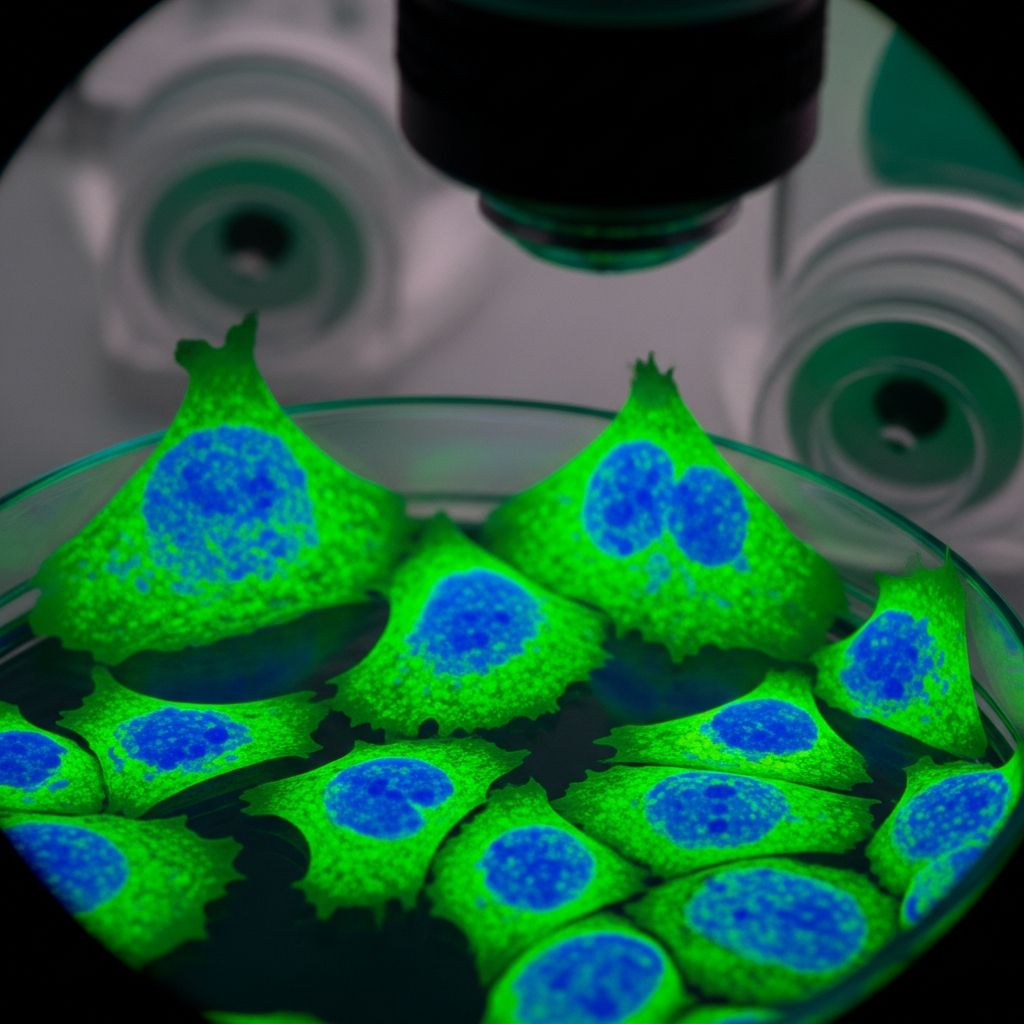
Henrietta Lacks’ cells were unique in their ability to grow and divide indefinitely in a laboratory setting. Unlike other cell lines, which typically die after a few divisions, HeLa cells continued to multiply, making them an invaluable tool for researchers. The cells were named HeLa, using the first two letters of Henrietta’s first and last name. This discovery was made by George Otto Gey, a physician and cancer researcher at Johns Hopkins.
Breakthroughs Enabled by HeLa Cells
HeLa cells have been instrumental in numerous scientific breakthroughs, including:
- The development of the polio vaccine by Jonas Salk in the 1950s.
- Advancements in cancer research, leading to new treatments and therapies.
- Understanding the effects of radiation and toxic substances on human cells.
- Gene mapping and cloning, contributing to the Human Genome Project.
- Testing human sensitivity to various products, such as tape, glue, and cosmetics.
Global Impact of HeLa Cells
HeLa cells have been distributed to scientists around the world and have been used in over 80,000 scientific publications. Their widespread use has led to significant advancements in biomedical research, benefiting millions of people. For example, HeLa cells were crucial in the mass production of the polio vaccine, which helped eradicate the disease in many parts of the world.
Ethical Considerations and Informed Consent
The story of Henrietta Lacks raises important ethical questions about informed consent and patient rights. At the time her cells were taken, there were no legal requirements for doctors to obtain permission from patients before using their biological materials for research. Henrietta’s family remained unaware of the existence and use of HeLa cells until the mid-1970s, when researchers began contacting them for genetic testing. By then, HeLa cells had been commercialized, distributed worldwide, and used in thousands of studies—all while the Lacks family struggled financially and lacked proper healthcare.
Legacy and Recognition
The case of Henrietta Lacks became a turning point in the discussion on informed consent. Her story helped shape policies that would later establish the necessity of informed consent in medical research. In 1991, the U.S. government introduced the “Common Rule,” which set ethical guidelines for human research subjects, ensuring that patients are fully informed about how their tissues and data are used.
FAQs
What are HeLa cells?
HeLa cells are the first immortal human cell line, derived from Henrietta Lacks’ cervical cancer cells. They are capable of dividing indefinitely in a laboratory setting, making them a valuable tool for biomedical research.
Related Stories



Why are HeLa cells important?
HeLa cells have been instrumental in numerous scientific breakthroughs, including the development of the polio vaccine, advancements in cancer research, and gene mapping. Their unique ability to grow and divide indefinitely has made them an invaluable resource for researchers worldwide.
What ethical issues are associated with HeLa cells?
The primary ethical issue is the lack of informed consent. Henrietta Lacks’ cells were taken without her knowledge or permission, and her family was not informed of their use until decades later. This case highlighted the need for ethical standards in medical research and led to the establishment of informed consent policies.
How have HeLa cells impacted modern medicine?
HeLa cells have contributed to the development of vaccines, cancer treatments, and gene mapping. They have been used in over 80,000 scientific publications and have helped advance our understanding of human biology and disease.
What is the legacy of Henrietta Lacks?
Henrietta Lacks’ legacy is one of both scientific advancement and ethical reflection. Her cells have transformed biomedical research, but her story also serves as a reminder of the importance of informed consent and patient rights in medical research.
References
- The Stolen Cells of Henrietta Lacks and Their Ongoing Contribution to Science — Medical News Today. 2023-01-01. https://www.medicalnewstoday.com/articles/the-stolen-cells-of-henrietta-lacks-and-their-ongoing-contribution-to-science
- The Complicated History of HeLa Cells: Henrietta Lacks’ Legacy in Biomedical Research — Stanford Blood Center. 2023-01-01. https://stanfordbloodcenter.org/the-complicated-history-of-hela-cells-henrietta-lacks-legacy-in-biomedical-research/
- Henrietta Lacks – Wikipedia — Wikipedia. 2023-01-01. https://en.wikipedia.org/wiki/Henrietta_Lacks
- The Instrumental and Immortal Life of Henrietta Lacks — Morehouse School of Medicine. 2023-01-01. https://www.msm.edu/the-immortal-life-of-henrietta-lacks/index.php
- HeLa Cells – NIH Office of Science Policy — NIH. 2023-01-01. https://osp.od.nih.gov/hela-cells/
- Significant Research Advances Enabled by HeLa Cells — NIH Office of Science Policy. 2023-01-01. https://osp.od.nih.gov/hela-cells/significant-research-advances-enabled-by-hela-cells/
- Ethical Challenges in Medical Research: Henrietta Lacks and the HeLa Cell Line — AWIS. 2023-01-01. https://awis.org/resource/ethical-challenges-medical-research-henrietta-lacks-hela-cell-line/
Similar Articles








Read full bio of Sneha Tete