Potassium: What You Need To Know For Heart Health
Discover how potassium supports heart health, blood pressure, and overall wellness.
The Importance of Potassium for Health
Potassium is an essential mineral that plays a vital role in maintaining optimal health and preventing chronic diseases. As an electrolyte, potassium carries a small electrical charge that activates various cell and nerve functions throughout the body. Despite its importance, many people consume insufficient amounts of potassium, particularly in Western diets dominated by processed foods. Understanding the significance of potassium and how to incorporate adequate amounts into your diet can significantly improve your cardiovascular health, regulate blood pressure, and enhance overall wellness.
What is Potassium and Why Your Body Needs It
Potassium is a mineral essential for all tissues in the body, working alongside sodium to maintain proper fluid balance. While sodium maintains fluid levels outside cells, potassium helps maintain normal fluid levels inside cells. This mineral is found naturally in many foods and serves multiple critical functions in the body.
Beyond fluid regulation, potassium helps muscles contract properly, supports normal heart rhythm, and enables nerves to function correctly. It also plays a crucial role in moving nutrients into cells and waste products out of cells, making it fundamental to cellular metabolism. The body requires potassium for proper functioning, and deficiencies can lead to serious health consequences.
Blood Pressure Regulation
One of the most significant benefits of adequate potassium intake is its ability to regulate blood pressure. Epidemiological and clinical studies have demonstrated that potassium intake plays an important role in regulating blood pressure in both the general population and people with high blood pressure. This effect is particularly powerful when combined with reduced sodium intake.
Research shows that increasing potassium intake and reducing sodium intake have additive effects on lowering blood pressure. The relationship between these two minerals is critical—studies indicate that people with the highest ratio of sodium to potassium in their diets had double the risk of dying from a heart attack compared to those with the lowest ratio. Additionally, people with the highest potassium intakes had a 20% lower risk of dying from any cause than those with the lowest intakes.
In one landmark study, replacing regular salt with potassium-enriched salt reduced the stroke rate by 14%, major cardiovascular events by 13%, and overall mortality by 12% over approximately five years. This demonstrates the profound impact that strategic dietary changes can have on cardiovascular outcomes.
Cardiovascular Protection and Stroke Prevention
Beyond blood pressure management, potassium offers independent cardiovascular benefits that extend to stroke prevention. A groundbreaking 12-year prospective study found that a 10 mmol increase in daily potassium intake was associated with a 40% reduction in deaths from stroke among nearly 900 men and women. This relationship remained independent of other dietary variables and known cardiovascular risk factors, including blood pressure itself.
Larger cohort studies involving tens of thousands of participants have reinforced these findings. Research from the US Health Professionals Follow-up Study (43,738 men) and the US Nurses’ Health Studies (85,764 women) demonstrated that high potassium intake was associated with lower stroke risk, with a clear dose-response relationship showing that greater potassium intake correlates with greater protection.
Meta-analyses of randomized controlled trials and cohort studies confirm these protective effects, finding that higher potassium intakes are associated with a 24% lower risk of stroke. Furthermore, individuals with the highest potassium levels had a 31% lower risk of cardiovascular events compared to those with the lowest levels.
Kidney Health and Stone Prevention
Potassium plays an important role in kidney function and can help prevent the development of kidney stones. By reducing urinary calcium excretion, increased potassium intake creates a positive calcium balance in the body. This mechanism is particularly beneficial for managing hypercalciuria, a condition characterized by excessive calcium in the urine.
Clinical evidence supports this protective effect. In one study, eleven children with idiopathic hypercalciuria who received potassium supplementation in various forms (potassium citrate, gluconate, chloride, or through a high-potassium diet) all experienced significant reductions in their urinary calcium-to-creatinine ratio within just two weeks. By reducing calcium excretion, higher potassium intake directly reduces the risk of kidney stone formation.
Research from three large prospective cohort studies, including the Health Professionals Follow-up Study and the Nurses’ Health Studies, found that higher potassium intake was associated with a lower risk of kidney stones across all three cohorts. The protective effect appears to work through multiple mechanisms, including higher citrate concentration in urine and increased urine volume from the water content of potassium-rich fruits and vegetables, both of which are protective factors against stone formation.
Bone Health and Osteoporosis Prevention
Emerging evidence suggests that potassium intake plays a role in maintaining bone health and preventing osteoporosis. A study of 62 healthy women aged 45 to 55 years found that higher potassium intake was associated not only with higher bone mass but also with lower excretion of bone turnover markers, indicating reduced bone resorption.
Research involving potassium bicarbonate supplementation in postmenopausal women demonstrated measurable benefits. When 18 postmenopausal women received potassium bicarbonate for 18 days, they showed reduced urinary calcium and hydroxyproline excretion while increasing serum osteocalcin concentration—indicators of reduced bone reabsorption and increased bone formation. These findings suggest that adequate potassium intake may help prevent bone demineralization, particularly in populations at higher risk for osteoporosis.
Heart Rhythm and Arrhythmia Prevention
Potassium is critical for maintaining normal heart rhythm. Correcting serum potassium concentrations can reduce the frequency and complexity of ventricular arrhythmias and may help prevent sudden cardiac death. This is particularly important for patients with heart failure, ischemic heart disease, and left ventricular hypertrophy.
The protective mechanisms include the direct effects of potassium on heart cell electrical activity. Some of the cardiovascular benefits observed with angiotensin-converting enzyme inhibitors in reducing arrhythmic deaths in heart failure patients may actually be due to the increase in serum potassium that occurs with these medications. Similarly, low-dose spironolactone reduces sudden cardiac deaths in heart failure patients, an effect that may be partially mediated through potassium elevation.
Optimal Potassium Intake Levels
Understanding appropriate potassium intake is essential for maximizing health benefits. Historical evidence suggests that humans once consumed diets low in sodium (less than 10 mmol per day) and high in potassium (more than 200 mmol per day). However, the modern Western diet has dramatically shifted this balance.
Current consumption patterns in Western countries average approximately 70 mmol of potassium per day, representing a significant decline from historical levels. This decrease is primarily due to increased consumption of processed foods, which have potassium removed, combined with reduced consumption of fresh fruits and vegetables. To achieve cardiovascular and metabolic health benefits, most health organizations recommend substantially higher potassium intakes.
Research supporting potassium enrichment indicates that consuming approximately 8.8 grams per day of potassium-enriched salt provides substantial health benefits. This level represents realistic and achievable targets through dietary modification rather than supplementation alone.
Dietary Sources of Potassium
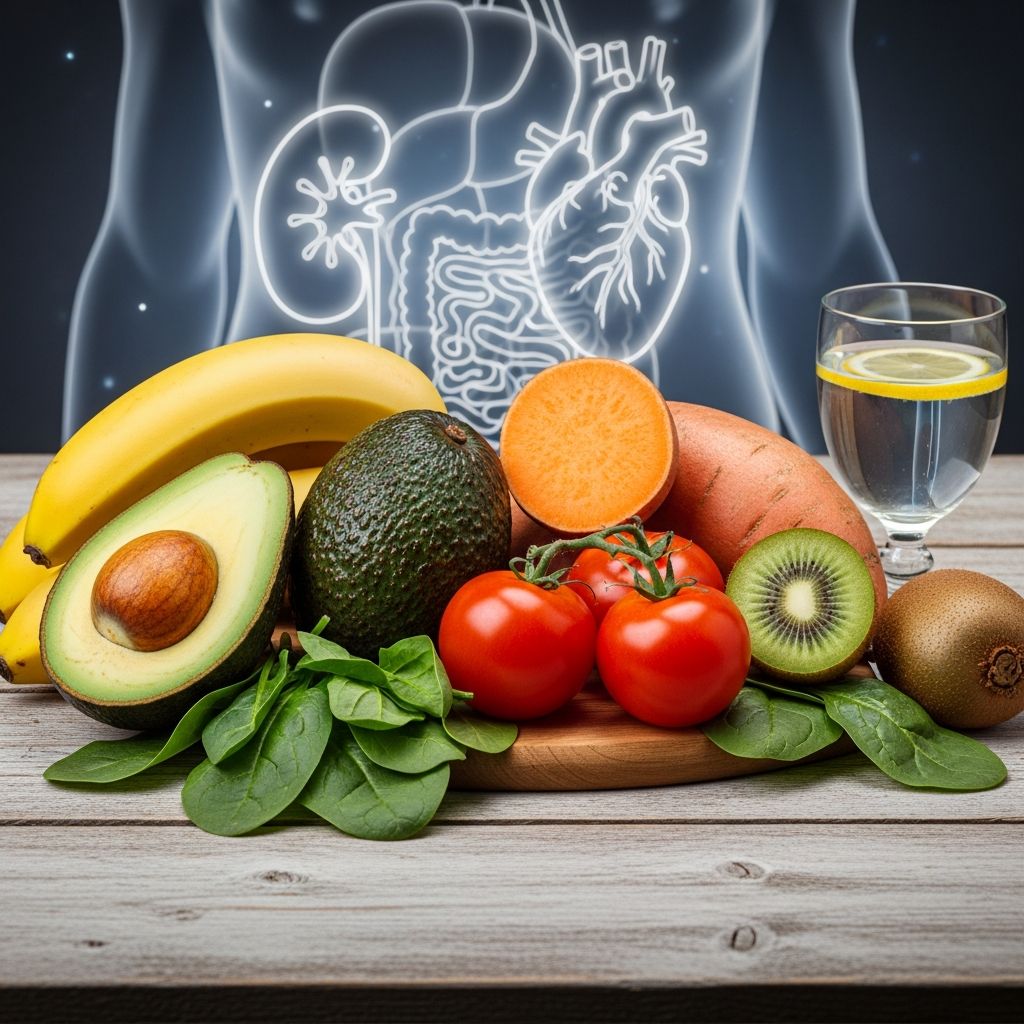
The most effective way to increase potassium intake is through consuming more fresh fruits and vegetables, which are naturally high in potassium and low in sodium. These whole foods provide potassium alongside beneficial fiber, vitamins, minerals, and phytochemicals that contribute to overall health.
To optimize your potassium intake while managing cardiovascular health, focus on incorporating the following types of foods:
- Fresh fruits such as bananas, oranges, apricots, and melons
- Leafy green vegetables including spinach, kale, and Swiss chard
- Root vegetables such as sweet potatoes and beets
- Legumes including beans, lentils, and peas
- Nuts and seeds in appropriate portions
- Plain yogurt and dairy products
- Tomatoes and tomato-based products without added sodium
Simultaneously, reducing consumption of processed foods, bread, cheese, and processed meats—all high in sodium and low in potassium—significantly improves the sodium-to-potassium ratio in your diet.
The Sodium-to-Potassium Ratio
The relationship between sodium and potassium intake may be even more important than absolute potassium levels alone. The sodium-to-potassium ratio serves as a key indicator of cardiovascular risk. People with the highest sodium-to-potassium ratio in their diets face dramatically increased health risks compared to those maintaining lower ratios.
After adjusting for other cardiovascular risk factors such as age, smoking status, cholesterol levels, and diabetes status, those with the highest sodium levels (approximately 4,700 mg) were 60% more likely to experience a cardiovascular event than those with the lowest sodium levels (about 2,200 mg). Meanwhile, maintaining higher potassium levels provides protective effects, reducing cardiovascular event risk by approximately 31%.
This highlights why dietary strategies should focus on both increasing potassium and reducing sodium simultaneously. The additive effect of these changes produces superior outcomes compared to modifying either nutrient alone.
Potassium and Renal Function
Beyond kidney stone prevention, potassium supports overall renal health through multiple mechanisms. High potassium intake helps prevent the development of renal vascular, glomerular, and tubular damage that can compromise kidney function over time. This protective effect is independent of potassium’s blood pressure-lowering effects, suggesting direct protective mechanisms within the kidney tissue itself.
Potassium intake reduces salt sensitivity and increases sodium excretion by inhibiting cellular mechanisms that promote sodium absorption in the kidneys. This enhanced ability to excrete excess sodium contributes to both blood pressure reduction and kidney protection, creating a synergistic beneficial effect.
Frequently Asked Questions About Potassium
Q: How much potassium do I need daily?
A: Most health organizations recommend approximately 2,600-3,400 mg of potassium daily for adults, though some research suggests even higher intakes (3,500+ mg) provide optimal cardiovascular protection. However, individuals with kidney disease or those taking certain medications should consult healthcare providers about appropriate intake levels.
Q: Can I get too much potassium from food?
A: For individuals with normal kidney function, getting excessive potassium from whole foods is unlikely, as the kidneys regulate potassium excretion. However, potassium supplementation in concentrated forms can be problematic, particularly for those with kidney disease.
Q: Are potassium supplements necessary?
A: Most people can achieve adequate potassium intake through dietary sources alone. A diet rich in fruits, vegetables, and whole foods provides sufficient potassium along with beneficial fiber and other nutrients that supplements cannot provide.
Q: How quickly do dietary changes affect blood pressure?
A: Blood pressure can begin improving within weeks of increasing potassium intake and reducing sodium consumption, though maximum benefits typically develop over several months as dietary habits become established.
Q: Who should be cautious about potassium intake?
A: Individuals with kidney disease, those taking ACE inhibitors or certain other medications, and people with specific health conditions should discuss potassium intake with their healthcare providers.
Implementing Potassium-Rich Dietary Changes
Making the transition to a higher-potassium, lower-sodium diet doesn’t require drastic changes. Start by gradually increasing fresh fruit and vegetable consumption while reducing processed food intake. Replace high-sodium snacks with nuts, seeds, and fresh fruits. Cook meals at home using fresh ingredients rather than relying on processed alternatives.
Simple substitutions can significantly improve your sodium-to-potassium ratio: choose fresh vegetables over canned varieties (or rinse canned vegetables), select fresh fruits over processed snacks, prepare meals with fresh herbs instead of salt for flavoring, and gradually reduce your taste preference for salt-laden foods.
Conclusion
Potassium represents one of the most important yet often overlooked nutrients for maintaining cardiovascular health and preventing chronic disease. The evidence is compelling: adequate potassium intake reduces blood pressure, decreases stroke risk, protects kidney function, helps prevent kidney stones, supports bone health, and maintains normal heart rhythm. The modern Western diet, dominated by processed foods low in potassium and high in sodium, contributes significantly to hypertension, cardiovascular disease, and related health complications.
By consciously increasing potassium intake through fresh fruits and vegetables while simultaneously reducing sodium consumption, individuals can substantially improve their cardiovascular health and overall wellness. The most effective approach involves dietary modification rather than supplementation, ensuring that you receive potassium alongside the many other beneficial compounds found in whole foods. Making this dietary change represents one of the most powerful steps you can take toward better health.
References
- Beneficial effects of potassium on human health — National Center for Biotechnology Information (NCBI/NIH). 2002. https://pmc.ncbi.nlm.nih.gov/articles/PMC1121081/
- Potassium — The Nutrition Source, Harvard T.H. Chan School of Public Health. 2024. https://nutritionsource.hsph.harvard.edu/potassium/
- Potassium: To Add or to Replace…That Is the Question — Hypertension, American Heart Association. 2023. https://www.ahajournals.org/doi/10.1161/HYPERTENSIONAHA.123.20855
- New study reaffirms risk of too much sodium, too little potassium — American Heart Association. 2021-11-15. https://www.heart.org/en/news/2021/11/15/new-study-reaffirms-risk-of-too-much-sodium-too-little-potassium
- Potassium — MedlinePlus, U.S. National Library of Medicine. 2024. https://medlineplus.gov/potassium.html
Similar Articles







Read full bio of Sneha Tete