Stretching: 7 Benefits For Flexibility, Posture, And Stress
Discover how regular stretching improves flexibility, reduces pain, and enhances overall wellness.
The Importance of Stretching for Overall Health and Wellness
Stretching is far more than just a warm-up routine or a cool-down activity. It’s a fundamental practice that forms the cornerstone of good health and wellness, impacting everything from physical capabilities to mental well-being. Whether you’re an athlete, office worker, or simply someone looking to improve your quality of life, incorporating regular stretching into your daily routine can yield profound benefits. This comprehensive guide explores why stretching matters and how it can transform your approach to health and fitness.
Understanding the Fundamentals of Stretching
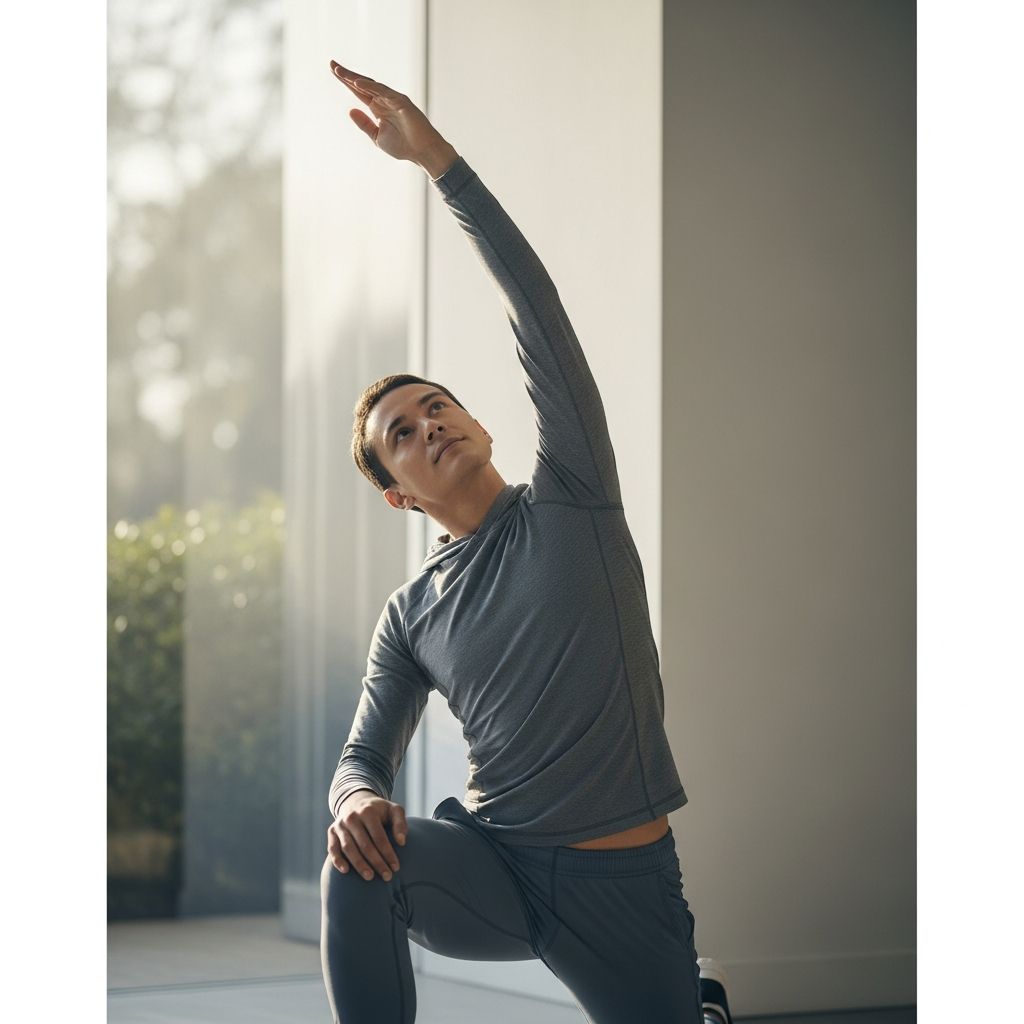
Stretching involves gently extending muscles and joints to their full range of motion. Unlike bouncing or ballistic movements, static stretching—where you hold a position for 15 to 30 seconds—is generally recommended for most people. This method allows muscles to relax and adapt to the lengthened position without triggering protective contractions that can lead to injury. Dynamic stretching, which involves moving through ranges of motion in a controlled manner, is particularly beneficial before exercise as it prepares muscles and joints for activity.
Enhanced Flexibility and Range of Motion
One of the most obvious benefits of regular stretching is improved flexibility. When you stretch consistently, your muscles become more supple and your joints gain greater mobility. This enhanced flexibility allows your body to move through its full range of motion with greater ease and fluidity. The practical benefits are immediate and noticeable—everyday activities become easier, from walking up stairs to reaching for items on high shelves, and athletic performance improves significantly.
Research has demonstrated that stretching five times per week for six weeks can increase range of motion by up to 2.4 degrees per week in each muscle group, with these improvements occurring even with stretching durations as brief as 15 seconds. This means that even modest time commitments can yield measurable results. Additionally, improved flexibility reduces the risk of muscle strains and ligament sprains, which are common injuries that can sideline you from activities you enjoy.
Better Posture and Spinal Alignment
In our modern world, where many of us spend long hours sitting at desks or hunched over devices, maintaining proper posture has become increasingly challenging. Prolonged sitting tightens certain muscle groups—particularly the hip flexors, chest, and shoulders—which can create muscular imbalances and lead to poor posture. Over time, this postural dysfunction can result in chronic pain and even compromise organ function and breathing capacity.
Regular stretching of these key muscle groups helps counteract the negative effects of prolonged sitting. By maintaining flexibility in the hip flexors, chest, and shoulders, you support the natural curvature of your spine and help prevent the development of serious spinal issues. Better posture not only reduces pain and discomfort but also projects confidence and can even improve your mental outlook.
Improved Circulation and Cellular Health
When you stretch, the blood vessels in the muscles being stretched expand, allowing for increased blood flow. This surge in circulation delivers essential oxygen and nutrient-rich blood to muscles and organs, supporting their optimal function. Beyond immediate performance benefits, this improved circulation has far-reaching effects on cellular health.
Related Stories



The enhanced blood flow helps flush out metabolic waste that accumulates during muscle activity, which aids in recovery and reduces muscle soreness. This is why post-exercise stretching can help muscles recover faster and why pre-exercise stretching can help minimize injuries by priming the circulatory system. Over time, this improved circulation strengthens cellular health throughout your body, helping every part function more efficiently—from your muscles to your skin, which can appear more vibrant as a result.
Stress Reduction and Mental Clarity
Stretching isn’t merely a physical activity—it’s a powerful tool for mental well-being. When combined with mindful breathing, stretching engages the mind-body connection in profound ways. By activating the body’s parasympathetic nervous system, stretching promotes relaxation and lowers the production of stress hormones like cortisol. This activation helps alleviate anxiety and improve your mood, leaving you feeling calmer and more centered.
Additionally, stretching can increase serotonin levels, a neurotransmitter often called the “happiness hormone.” Regular stretching has been shown to potentially reduce stress, depression, and anxiety. Whether you’re facing work deadlines, personal challenges, or simply the accumulated tension of daily life, incorporating stretching breaks throughout your day can provide significant mental and emotional relief. Morning stretches can help energize you for the day ahead, while evening stretches can help you unwind and prepare for quality sleep.
Enhanced Body Awareness and Balance
Stretching fosters a deeper sense of body awareness—the ability to understand how your body moves and responds to different activities. This enhanced awareness strengthens proprioception, your body’s ability to sense its position in space, which is essential for maintaining balance and coordination. As your mind becomes more attuned to signals from your muscles and joints, you’ll naturally move with greater precision and stability.
This heightened body awareness has practical benefits beyond the stretching session itself. You become more mindful of how you hold your body throughout the day, naturally correcting poor posture patterns. You also become more adept at recognizing warning signs of muscle tension or impending injury, allowing you to take preventive action before problems develop. Over time, this improved proprioception helps you avoid injuries and equips you to make better choices for your overall health and well-being.
Lymphatic System Support and Immune Function
Your body contains a sophisticated network of vessels carrying lymph—a clear, colorless fluid rich in white blood cells, proteins, and lipids that plays a crucial role in immune function and waste removal. Unlike blood, which is pumped by the heart, lymph relies entirely on body movement to flow through the body. Stretching, particularly twisting movements, helps propel this vital fluid through your body’s lymphatic system.
By incorporating regular stretching, you’re actively supporting lymph drainage to the subclavian veins near your collarbones, which aids in cellular waste removal, fluid balance, and immune function. This support for the lymphatic system means your body can more effectively fight off infections and maintain optimal immune health. Regular stretching essentially acts as a pump for your lymphatic system, helping it function at peak efficiency.
Injury Prevention and Long-Term Health
One of the most compelling reasons to maintain a regular stretching routine is injury prevention. Muscles that are flexible and joints that maintain their full range of motion are far less susceptible to strain and injury than tight, inflexible structures. When you stretch regularly, you reduce muscular tension and maintain optimal joint function, which decreases the risk of acute injuries during exercise or daily activities.
Additionally, stretching contributes to the development of healthy joints for bones and muscles, ensuring that healthy bones and muscle can support severe physical exercise without injury. This is particularly important as we age, when maintaining muscle and joint health becomes increasingly critical for maintaining independence and quality of life.
Getting Started with a Stretching Routine
If you’re new to stretching or looking to establish a more consistent routine, the good news is that you don’t need to make a massive time commitment to see results. Begin with 2-3 stretching sessions per week, holding each stretch for 15-30 seconds. Focus on major muscle groups, particularly those that feel tight or are involved in your daily activities.
As you become more comfortable with your routine and notice improvements in flexibility, gradually increase to stretching sessions that include 60-second holds. Consider the timing of your stretching—morning stretches are excellent for waking up your muscles and preparing for the day, while evening stretches can help you relax and improve sleep quality.
Types of Stretching to Consider
There are several types of stretching, each with its own benefits:
Static Stretching: Holding a stretched position for 15-60 seconds; ideal for improving flexibility and is best done after workouts when muscles are warm and pliable.
Dynamic Stretching: Involves controlled movements through ranges of motion; excellent as a warm-up before exercise as it increases heart rate and blood flow to muscles.
Assisted Stretching: Performed with the guidance of a professional, assisted stretching can be tailored to target specific areas of concern and help you achieve greater range of motion while preventing injury.
Stretching for Different Life Stages and Circumstances
Stretching benefits people of all ages and fitness levels. In children, stretching helps strengthen muscles and bones, decreasing the risk of bone density loss in old age. For office workers and those with sedentary jobs, stretching counteracts the effects of prolonged sitting and helps prevent chronic pain conditions. Athletes benefit from both pre-exercise stretching to prevent injury and post-exercise stretching to facilitate recovery.
If you have specific physical limitations or health concerns, assisted stretching guided by professionals can provide a personalized approach tailored to your unique needs, ensuring you stretch safely and effectively.
Frequently Asked Questions About Stretching
Q: How often should I stretch?
A: For optimal results, aim to stretch at least 2-3 times per week. As you progress, you can increase frequency to 5 times per week. Even brief stretching sessions of 15-30 seconds per muscle group can provide measurable benefits in flexibility and range of motion.
Q: What’s the best time to stretch?
A: Morning stretches energize your muscles for the day ahead, while evening stretches promote relaxation and better sleep. Pre-workout stretching (dynamic) prepares muscles for activity, while post-workout stretching (static) aids recovery and reduces soreness.
Q: Can stretching help reduce chronic pain?
A: Yes, regular stretching can effectively alleviate muscular tension and reduce the risk of chronic pain conditions. It’s particularly beneficial for addressing pain related to poor posture, tight muscles, and limited range of motion.
Q: Is stretching suitable for all ages?
A: Stretching benefits people of all ages, from children to seniors. However, older adults may want to focus on gentle, static stretching and consider assisted stretching for safety. Always consult with a healthcare provider if you have specific health concerns.
Q: How long does it take to see improvements in flexibility?
A: Research shows that consistent stretching (5 times per week) can increase range of motion by up to 2.4 degrees per week in each muscle group. Most people notice meaningful improvements within 4-6 weeks of consistent practice.
Q: Can stretching help with mental health?
A: Absolutely. Stretching combined with mindful breathing activates your parasympathetic nervous system, reducing stress hormones like cortisol. It can also increase serotonin levels, potentially reducing stress, anxiety, and depression.
Q: Should I stretch before or after exercise?
A: Dynamic stretching before exercise helps prepare muscles and increase blood flow. Static stretching after exercise helps muscles recover faster and reduces soreness. Both types serve different purposes in your fitness routine.
Conclusion: Making Stretching a Lifelong Habit
The evidence is clear: stretching is not a luxury or optional component of health maintenance—it’s a fundamental necessity. By incorporating regular stretching into your routine, you’re not just improving flexibility. You’re enhancing circulation, reducing stress, improving posture, supporting your immune system, and investing in long-term injury prevention and overall wellness. Whether you’re 20 or 80, sedentary or athletic, adding stretching to your daily routine can have a transformative impact on your quality of life. Start today with just 2-3 sessions per week, and gradually build a sustainable practice that supports your health for decades to come.
References
- Harvard’s Groundbreaking Findings on Stretching for Energy and Longevity — Heal.me. 2025. https://heal.me/articles/harvard-s-groundbreaking-findings-on-stretching-for-energy-and-longevity
- Flexibility Matters: The Crucial Importance of Stretching in Your Daily Routine — StretchPlex. 2025. https://stretchplexnow.com/flexibility-matters-the-crucial-importance-of-stretching-including-assisted-stretching-in-your-daily-routine/
- 5 Benefits of Daily Stretching — Safeway Health. 2025. https://www.safeway.com/health/blog/benefits-of-stretching-every-day.html
- How Stretching Fits Into Your Workout — Synergy Wellness NY. 2025. https://synergywellnessny.com/stretching/
Similar Articles








Read full bio of medha deb