Can I Improve My Ejection Fraction? Evidence-Based Guide
Discover evidence-based strategies to improve your ejection fraction and heart health outcomes.
Can I Improve My Ejection Fraction?
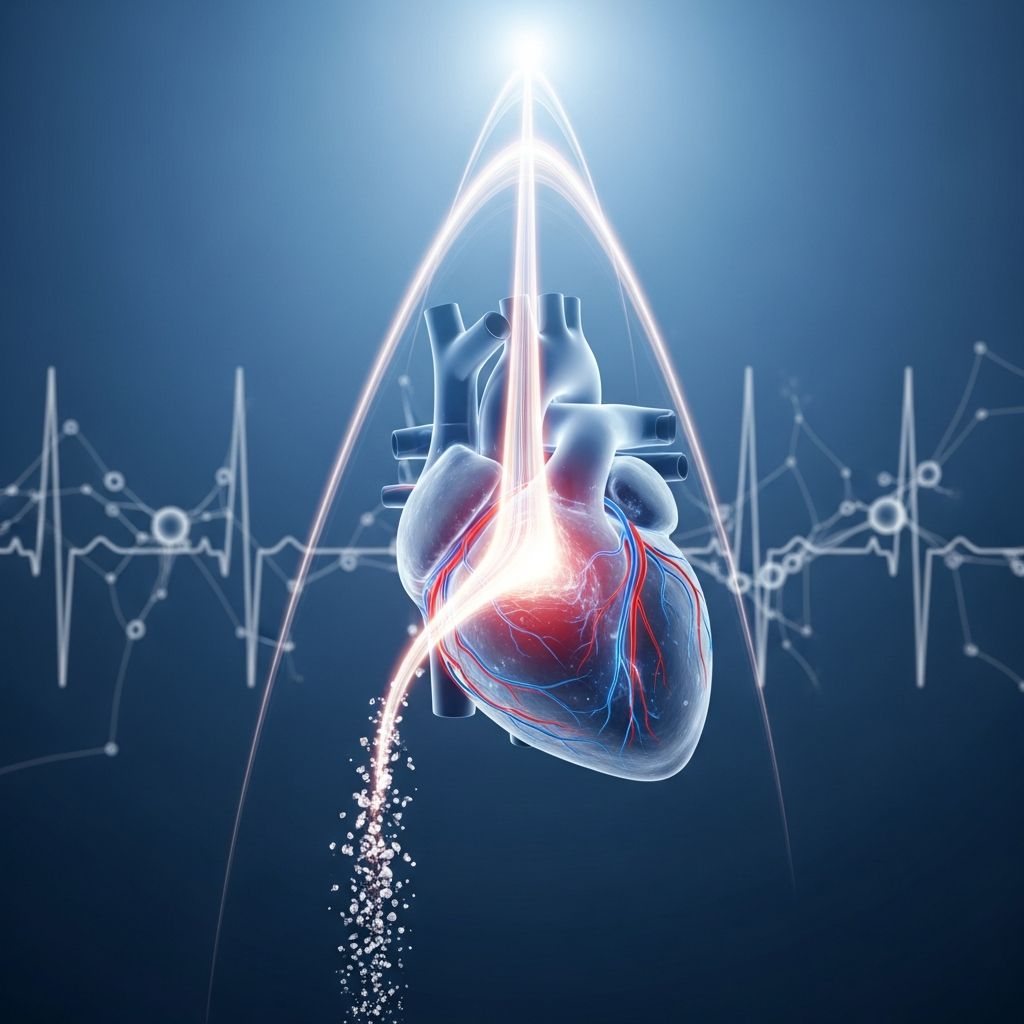
Ejection fraction is a key measurement of heart health that indicates the percentage of blood your left ventricle pumps out with each heartbeat. For many patients diagnosed with reduced ejection fraction, a common question arises: can this important cardiac measurement be improved? The answer is encouraging. With appropriate medical treatment, lifestyle modifications, and comprehensive cardiac rehabilitation, many patients can improve their ejection fraction and achieve better long-term outcomes.
Understanding Ejection Fraction
Ejection fraction (EF) represents the percentage of blood that leaves your heart each time it contracts. A normal ejection fraction ranges from 50% to 70%, meaning the heart pumps out at least half the blood it contains with each beat. When ejection fraction falls below 40%, it indicates heart failure with reduced ejection fraction (HFrEF), a condition affecting approximately 50% of heart failure cases worldwide. This measurement is crucial because it directly reflects your heart’s pumping ability and overall cardiac function.
How Medications Can Improve Ejection Fraction
Modern pharmacological interventions have revolutionized the treatment of reduced ejection fraction. Multiple drug classes work synergistically to improve cardiac function and reverse adverse remodeling of the heart.
ACE Inhibitors and Angiotensin Receptor Blockers
Angiotensin-converting enzyme (ACE) inhibitors and angiotensin receptor blockers (ARBs) are foundational therapies for HFrEF. These medications relax blood vessels, reduce pressure on the heart, and help prevent further deterioration of cardiac function. By blocking the renin-angiotensin-aldosterone system, they decrease harmful neurohormonal activation and can gradually improve ejection fraction over time.
Beta-Blockers
Beta-blockers reduce heart rate and blood pressure, allowing the heart to pump more efficiently. These medications protect the heart from excessive stress and have been shown to improve ejection fraction significantly when combined with other therapies. Common beta-blockers used in heart failure treatment include carvedilol, metoprolol, and bisoprolol.
SGLT2 Inhibitors
Sodium-glucose cotransporter 2 (SGLT2) inhibitors represent a major breakthrough in heart failure treatment. Originally developed for diabetes management, these medications have demonstrated remarkable benefits in reducing cardiovascular and all-cause mortality in HFrEF patients, irrespective of diabetes status. They improve ejection fraction and reduce hospitalizations by enhancing cardiac efficiency and reducing fluid retention.
Mineralocorticoid Receptor Antagonists
Aldosterone antagonists such as spironolactone and eplerenone help prevent fluid retention and reduce cardiac fibrosis. These medications are typically added when patients continue experiencing symptoms despite treatment with ACE inhibitors and beta-blockers, and they contribute to gradual improvements in ejection fraction.
Additional Therapeutic Options
Ivabradine, a heart rate-lowering agent, and the combination of hydralazine with isosorbide dinitrate have roles in treating specific patient populations with HFrEF. Vericiguat, a soluble guanylate cyclase stimulator, reduces hospitalizations in high-risk patients. These medications offer additional benefit for ejection fraction improvement when used appropriately.
Lifestyle Modifications That Support Improvement
While medications form the cornerstone of HFrEF treatment, lifestyle changes are equally essential for improving ejection fraction and maintaining long-term cardiac health.
Related Stories



Regular Exercise and Cardiac Rehabilitation
Structured cardiac rehabilitation programs combine supervised exercise with education about heart disease management. Regular physical activity, tailored to individual capacity, strengthens the heart muscle, improves circulation, and has been associated with measurable improvements in ejection fraction. Even moderate-intensity activities like walking, swimming, and cycling can produce beneficial effects when performed consistently.
Dietary Modifications
A heart-healthy diet low in sodium helps prevent fluid retention, which is critical for HFrEF patients. Reducing salt intake can decrease the workload on the heart and improve symptoms. Additionally, consuming foods rich in omega-3 fatty acids, whole grains, fruits, and vegetables supports overall cardiovascular health. Limiting alcohol consumption is particularly important, as excessive alcohol can further impair cardiac function.
Weight Management
Maintaining a healthy weight reduces the demand on the heart and improves overall cardiac efficiency. Excess weight increases blood pressure and forces the heart to work harder, potentially worsening ejection fraction. Gradual, sustainable weight loss through diet and exercise can significantly improve cardiac function.
Stress Reduction
Chronic stress can negatively impact heart function. Techniques such as meditation, deep breathing exercises, yoga, and counseling help manage stress levels and support cardiovascular health. Adequate sleep is also crucial, as sleep deprivation can exacerbate heart failure symptoms.
Device Therapies for Ejection Fraction Improvement
In addition to medications and lifestyle modifications, certain device-based interventions can improve ejection fraction in specific patient populations.
Cardiac Resynchronization Therapy
For patients with interventricular dyssynchrony (delayed electrical signaling between heart chambers), cardiac resynchronization therapy (CRT) devices coordinate the heart’s contractions, allowing more efficient pumping. This therapy can substantially improve ejection fraction, particularly in patients with wide QRS complexes on electrocardiogram.
Transcatheter Mitral Valve Repair
Severe secondary mitral regurgitation often accompanies HFrEF, worsening cardiac function. Transcatheter mitral valve repair procedures can reduce regurgitation and improve ejection fraction without requiring open-heart surgery.
Implantable Cardioverter-Defibrillators
While primarily used for preventing life-threatening arrhythmias, implantable cardioverter-defibrillators (ICDs) may contribute to improved outcomes in patients with more severe left ventricular dysfunction, particularly those with ischemic heart disease.
Monitoring Progress and Expectations
Improvement in ejection fraction typically occurs gradually over weeks to months of consistent treatment and lifestyle adherence. Regular echocardiograms assess changes in cardiac function, usually performed at baseline and then at intervals determined by your cardiologist. Some patients experience significant improvements, while others may stabilize at higher levels than initial measurements. Even when ejection fraction doesn’t return to normal range, improvements in symptoms, exercise capacity, and overall quality of life often accompany medical optimization.
Important Considerations
The response to treatment varies among individuals based on the underlying cause of heart failure, disease duration, and adherence to treatment regimens. Ischemic heart disease (caused by coronary artery disease) may respond differently than non-ischemic cardiomyopathies. Some causes, such as acute myocarditis, can show dramatic improvement, while chronic ischemic disease may show more gradual progress.
Medication compliance is critical for success. Missing doses or discontinuing medications without medical guidance can prevent improvements and potentially worsen ejection fraction. Regular communication with your cardiologist ensures your treatment plan remains optimized for your specific condition.
Prognosis and Long-Term Outcomes
While HFrEF remains serious with substantial morbidity and mortality—a 5-year survival rate of 25% after hospitalization for HFrEF—the management of this condition has seen significant scientific breakthroughs. Recent developments including SGLT2 inhibitors, vericiguat, and transcatheter interventions incrementally improve prognosis beyond traditional therapies. Many patients treated with comprehensive, modern approaches experience meaningful improvements in ejection fraction and quality of life.
Frequently Asked Questions
Q: How long does it take to see improvements in ejection fraction?
A: Most patients begin seeing improvements within 3-6 months of consistent medical therapy and lifestyle modifications. However, some changes may take longer, and individual responses vary significantly.
Q: Can ejection fraction ever return to normal?
A: Yes, some patients, particularly those with certain non-ischemic cardiomyopathies or acute causes of heart failure, can achieve normal ejection fraction. However, not all patients will reach normal range, and the goal is improvement rather than complete normalization.
Q: What if medications don’t improve my ejection fraction?
A: If medications alone don’t produce adequate improvement, your cardiologist may recommend device therapies or advanced interventions such as transcatheter procedures or, in severe cases, consider advanced therapies like mechanical circulatory support.
Q: Is exercise safe with reduced ejection fraction?
A: Yes, supervised exercise through cardiac rehabilitation programs is safe and beneficial for most HFrEF patients. However, exercise should be individualized based on your specific condition and approved by your cardiologist.
Q: Can diet changes alone improve ejection fraction?
A: While dietary modifications are important for overall cardiac health and symptom management, they work best combined with medications and exercise. A comprehensive approach yields the best results.
Q: Do I need to take heart failure medications forever?
A: In most cases, yes. Even if ejection fraction improves significantly, continuing medications as prescribed helps prevent deterioration and maintains gains achieved through treatment.
References
- Heart Failure With Reduced Ejection Fraction: A Review — Murphy SP, Ibrahim NE, Januzzi JL Jr, et al. JAMA. 2020-08-04. https://doi.org/10.1001/jama.2020.10262
Similar Articles








Read full bio of medha deb